NEW! 100% bonus depreciation is back for property acquired after January 19, 2025.
Is there a first-year deduction sitting in your building?
Most owners see their number in 30 seconds, no email required.
Step 1 of 3
What kind of property?
Who runs it day to day?
What is the average guest stay?
When did you buy it?
How many rentals do you own?
Across all of them, does your rental portfolio show taxable income overall?
Any of them likely to sell in the next few years?
Prefer to talk it through? Book straight from here. No form needed.
A plain-English screen, not tax advice. Your CPA and the engineered study confirm the outcome. Basis is a cost-seg advisory, not a CPA or law firm.
What is this check?
Basis Property Group runs engineering-based cost segregation studies for commercial and short-term rental owners. The check above gives a preliminary read on whether a study is worth commissioning for your property. It is the same free screen every owner runs before they ever pay a dollar or see a quote.
The Standard Way
One 39-year schedule: 100%
After An Engineering Study
5-year fixtures
7-year furnishings
15-year site work
Stays on the 39-year shell
An engineering study carves out the 5, 7, and 15-year pieces. This year, 100% of that accelerated portion can land on one filing. The IRS lost Hospital Corporation of America in 1997 and publishes an Audit Techniques Guide for these studies.
James bought a Poconos cabin for $310,000. Our study identified $68,000 of depreciation in the cabin. That was his first-year deduction, instead of a sliver a year for decades. Then he added a hot tub and finished the basement, raised his nightly rate 30 percent, and the cabin now pays him an additional $14,000 every year. (Client example. Individual results vary.)
A commercial benchmark run, a free-standing restaurant: roughly 67 times the study fee in first-year accelerated deductions. (Benchmark run, not a client study.)
Every study carries our minimum ROI guarantee: it identifies a large multiple of its fee in first-year accelerated deductions, or you do not pay for it. A short-term rental study identifies first-year deductions of at least 30 times the fee, or the study is free. Our four commercial benchmark runs found first-year deductions of between 24 and 67 times the fee. The commercial minimum is 20 to 1.
Basis analyzes commercial and investment property using a proprietary data engine covering more than 14,000 Pennsylvania parcels.
What our study actually reclassifies
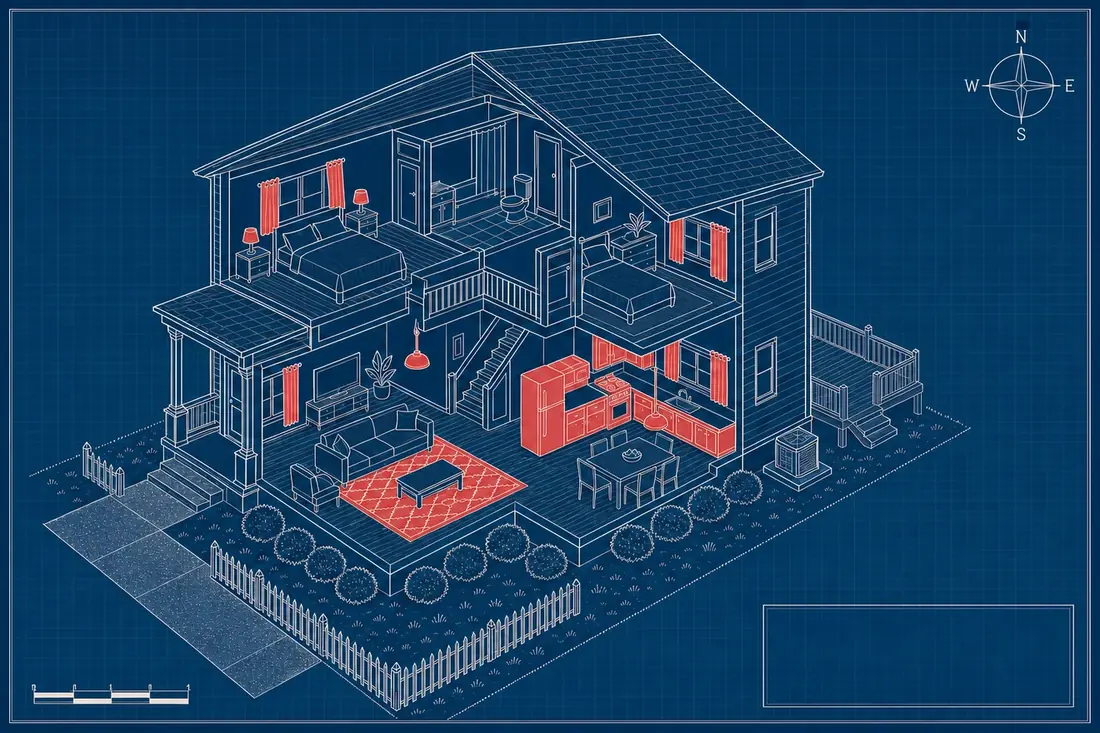
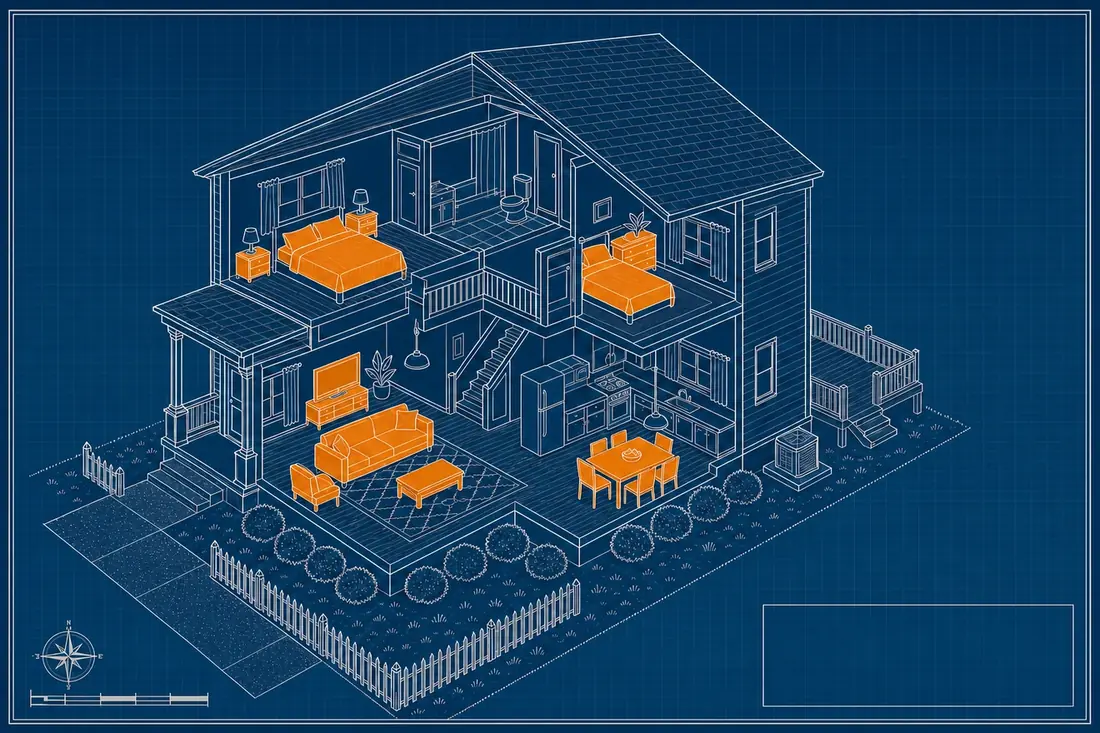
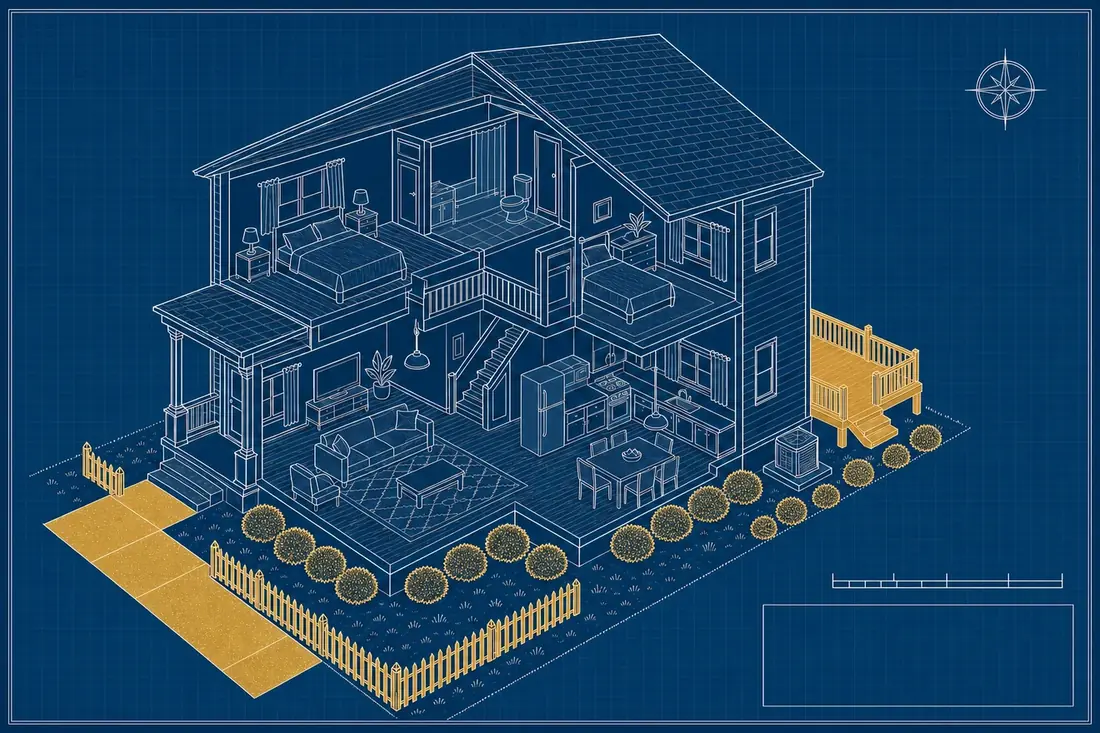
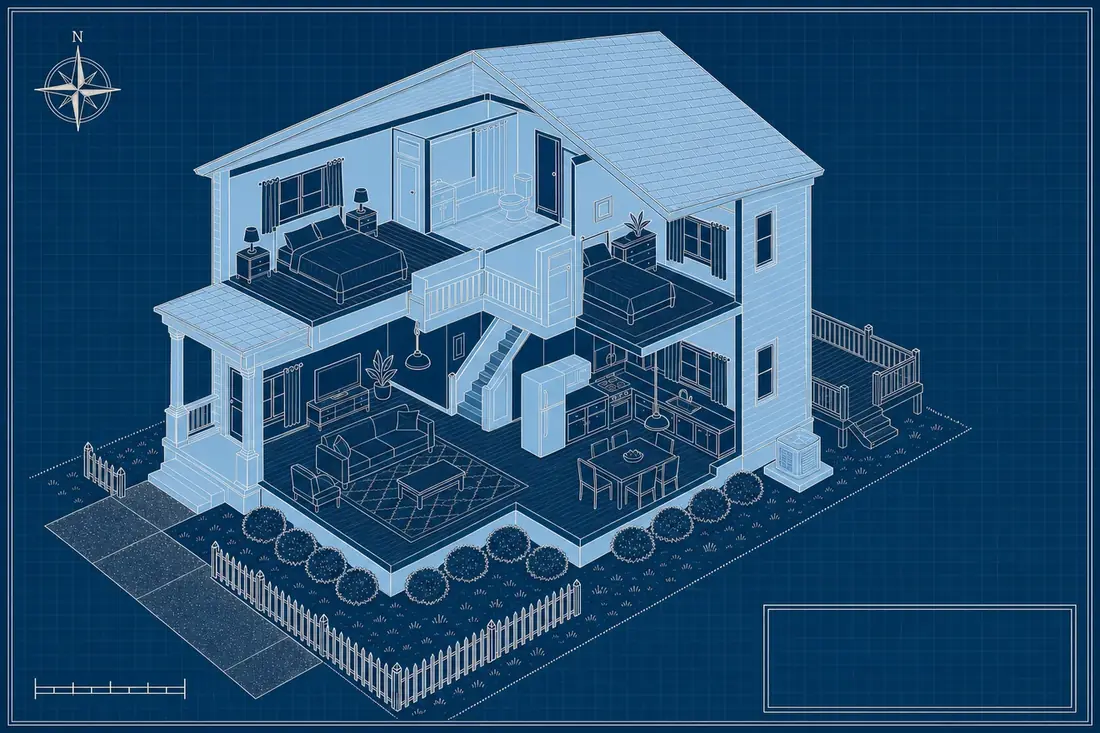
Tap a schedule. The highlighted pieces are what an engineered study pulls out of the default 27.5 or 39 year schedule.
1Carpet and flooring
2Cabinets and appliances
3Curtains
4Lamps and light fixtures
1Bedroom furniture
2Sofa and armchairs
3Coffee table
4Dining table and chairs
1Driveway and walkway
2Fencing
3Landscaping
4Deck
1Roof
2Exterior and load-bearing walls
3Foundation
4Central HVAC
5-Year: carpet and flooring, cabinets, appliances, light fixtures, curtains
7-Year: furniture
15-Year: driveway, fencing, landscaping, deck
27.5/39-Year Shell: roof, load-bearing walls, foundation, central HVAC
A two-story rental house in isometric section, cycling through four depreciation schedules. Numbered callouts mark what sits in each: 5-year (carpet and flooring, cabinets, appliances, light fixtures, curtains), 7-year (furniture), and 15-year land improvements (driveway, fencing, landscaping, deck) are all bonus-depreciation eligible. The roof, load-bearing walls, foundation, and the central HVAC system stay on the 27.5-year (residential) or 39-year (commercial) schedule -- a structural roof and central HVAC are shell property, not 5-year, a common misconception this diagram corrects.