|
Cost Segregation for Commercial & Short-Term Rental Owners
|
Request a free estimate [email protected] |
Qualification
FREE Estimate Is there a first-year deduction sitting in your building? No cost, no obligation. Request Yours »Minimum ROIOur study identifies at least 20x its fee in first-year deductions on commercial property, or at least 30x on a short-term rental, or it is free. |
Do I Qualify for a Cost Segregation Study?Quick answer Almost any depreciable rental or commercial building qualifies for a cost segregation study itself, since the study just classifies what is already in the property. The harder question is whether the resulting losses can offset other income right now, which depends on separate tests under section 469: real estate professional status, the short-term rental exception with material participation, or having passive income to absorb the loss. Owners who fail all three still get the deduction; it simply carries forward. See this applied to your building. A few questions, 30 seconds. You see which tests matter and the first-year deduction range a study would look for. No email to see the range. Run the 30-second check »Key takeaways
Steven's Take Almost every property qualifies for the study itself. That is not the real question, whatever a headline implies. The real question is whether you can use the resulting loss right now: real estate professional status, the STR exception, or passive income to absorb it, and that test belongs to your CPA. A property that fails all three still gets the deduction. It just waits. Steven Ellis, Founder Why "do I qualify" is actually two questionsMost owners asking whether they qualify for cost segregation are really asking one of two different things, and the answers do not always match. The first question: does my property support a study? The second: can I actually use what the study finds? These get run together constantly, and it is worth separating them cleanly, because the first almost always resolves yes and the second genuinely depends on the owner's specific situation. Conflating them is how owners end up either wrongly assuming a study is useless to them, or wrongly assuming a big deduction is coming without checking whether it can offset anything this year. 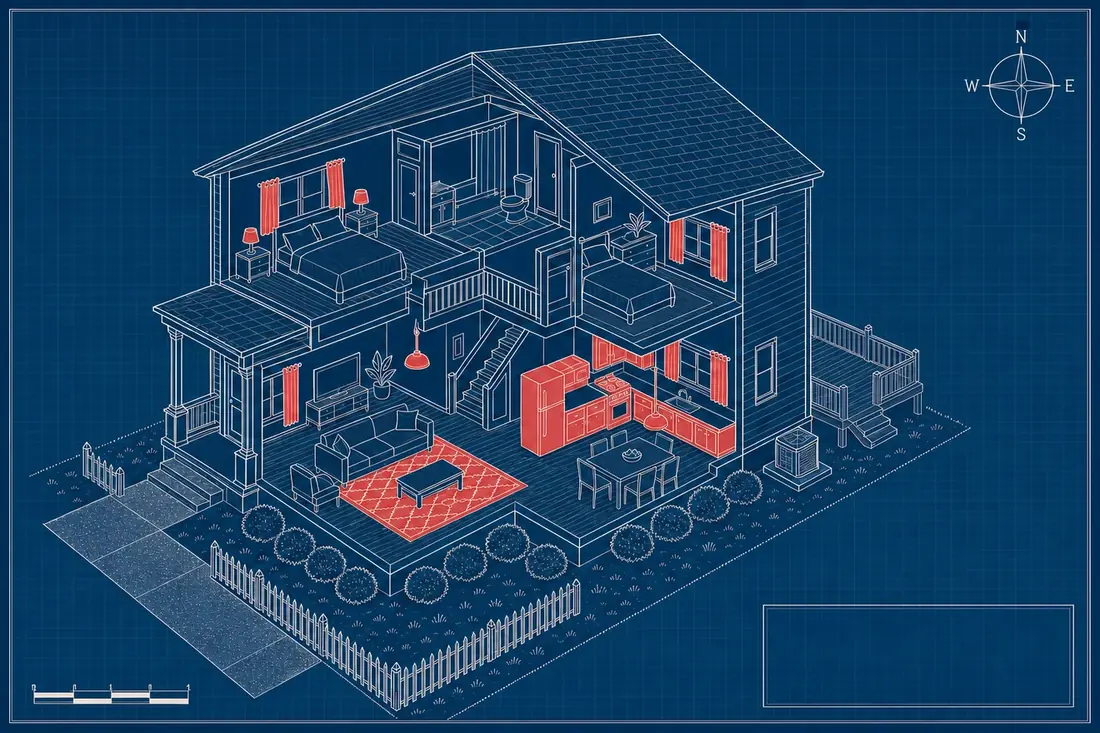
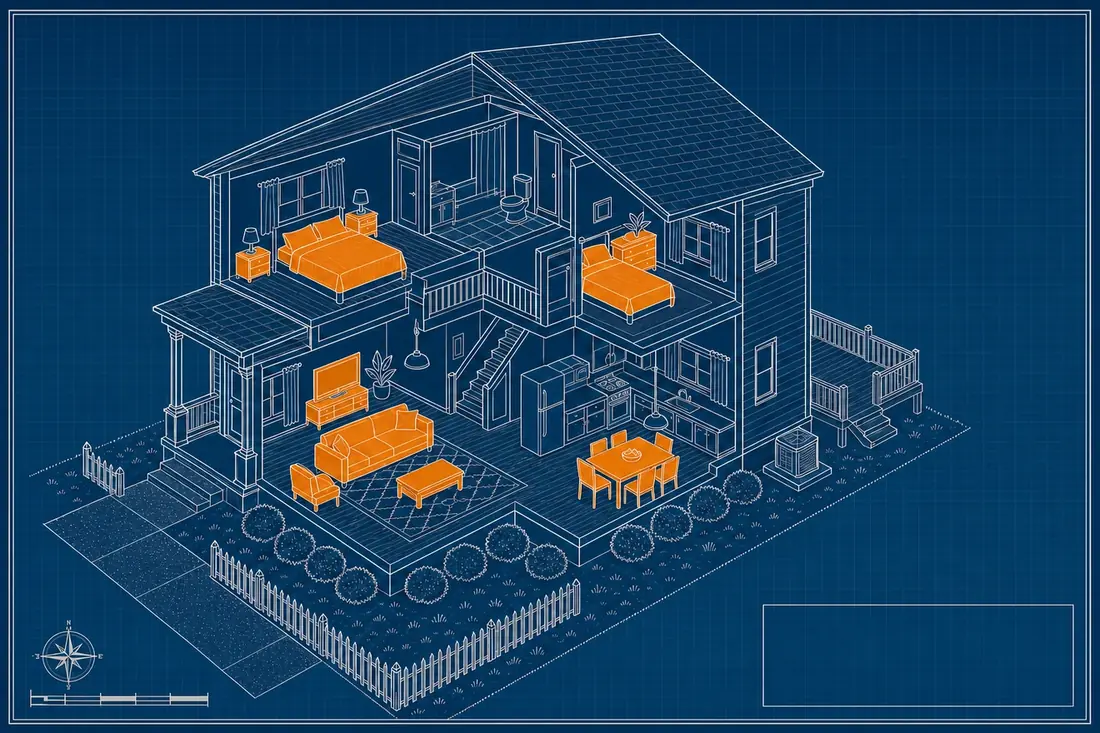
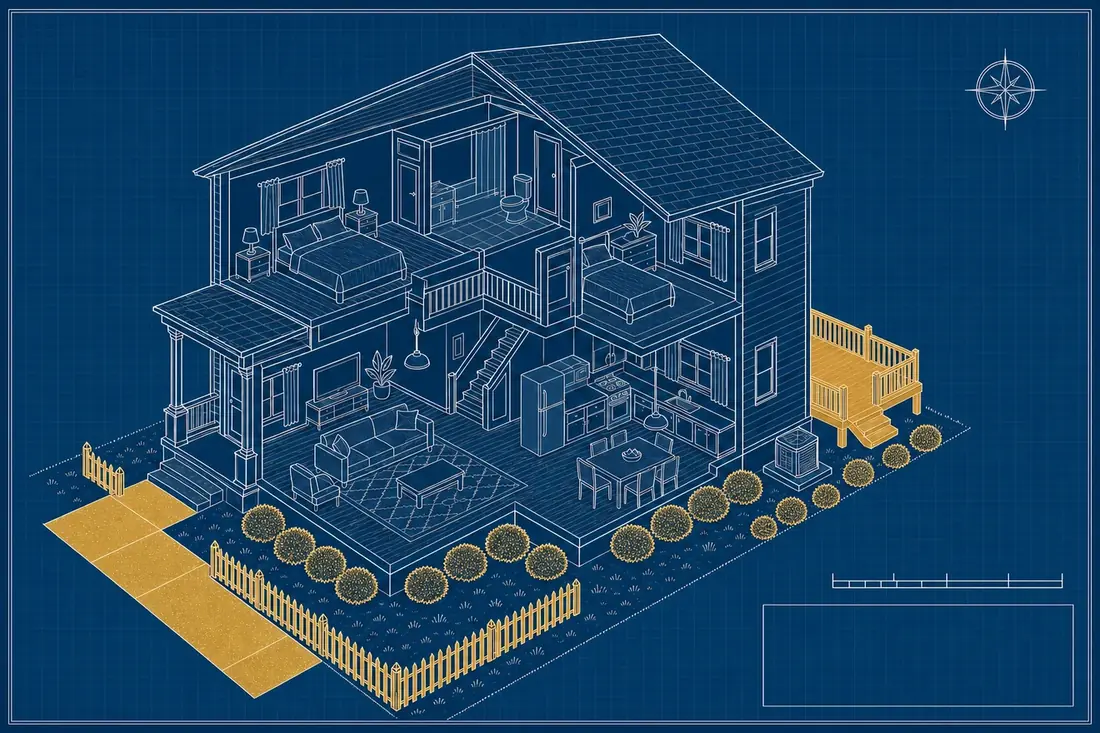
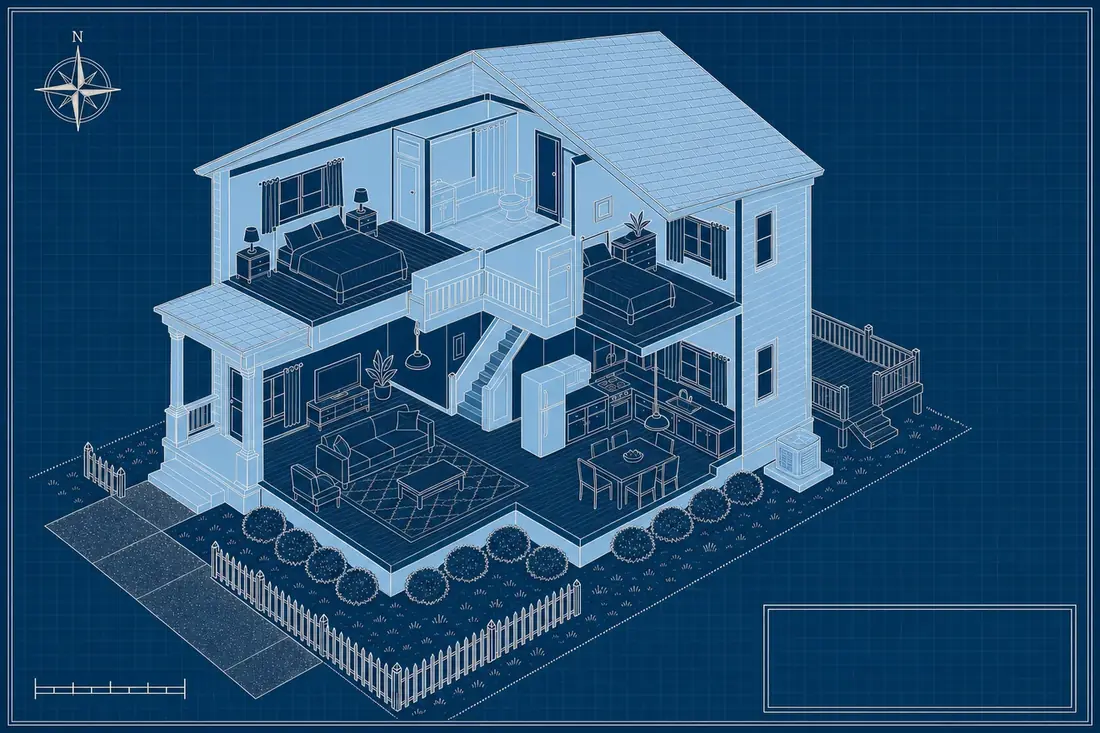
5-Year: carpet and flooring, cabinets, appliances, light fixtures, curtains 7-Year: furniture 15-Year: driveway, fencing, landscaping, deck 27.5/39-Year Shell: roof, load-bearing walls, foundation, central HVAC Get your free Preliminary Benefit Estimate Start with the free 60-second estimate at /qualify to see the deduction the mechanics produce, then work the usability question with your CPA using whichever path actually fits your hours and your income. Request Your Free Estimate »Question one: does the property qualify for a study?Cost segregation applies to purchases, new construction, and renovations, on commercial buildings and residential rental property alike. There is no legal minimum property value and no property type that is automatically excluded. A study looks at what is actually built into the property, land excluded, and classifies pieces into 5-, 7-, 15-, and 39-year (or 27.5-year residential) schedules based on IRS rules. The IRS lost Hospital Corporation of America v. Commissioner (109 T.C. 21, 1997), a case about classifying a building's components for depreciation. The IRS's own Audit Techniques Guide (Pub 5653) describes how a proper study is done; a study follows that guide. The economics can make a small property a poor candidate even when the property technically qualifies. See how the ratio guarantee and fee-to-benefit math frame that decision rather than a hard cutoff. But qualification itself, whether the property can be studied at all, is essentially universal for depreciable real estate. Entity type does not change qualification either. An LLC, a partnership, an S-corp, or an individual owner in their own name can all have a study done on a property they hold; the study follows the depreciable interest in the property, not the legal wrapper around it. See how the pass-through mechanics work when a property sits inside an entity with multiple owners. Renovated and newly constructed properties qualify the same way purchased buildings do, with one added wrinkle worth flagging here: a renovation that replaces an existing component (a roof tear-off, an HVAC swap) can also trigger a partial asset disposition, writing off the remaining basis of what was removed, but only in the tax year of the replacement. That is a use-it-or-lose-it election, unlike the deduction itself, which is not. Question two: can you use the losses right now?This is where the real qualification work happens, and it runs through section 469, the passive activity rules. By default, rental activity is passive, meaning losses can only offset other passive income (other rentals, K-1 income from a syndication), not wages or active business income. Three paths open the door to using losses against other income now:
If none of the three apply, the loss is not gone. It becomes a suspended passive loss, carried forward to a future year with passive income, or released in full when the property is sold in a taxable sale.
Married owners get one more wrinkle worth naming: hours for real estate professional status and for material participation can be combined between spouses filing jointly, which is often how a couple where one spouse works a demanding real estate job and the other spends time managing a short-term rental clears one of these paths together, even if neither spouse would clear it alone. The 60-Second Qualifier Four questions. Our engineering team's model shows the estimated first-year acceleration a study of your property would target, free, before you commit to anything. Take the Qualifier »Walking the archetypes: who lands whereA self-managed short-term rental owner who handles guest messaging and pricing directly, with only a cleaner for turnovers, usually clears both the average-stay test and the 100-hour material participation test, putting the loss to work against other income in the year the study is delivered. A W-2 employee who owns a long-term rental with a full-service property manager typically fails real estate professional status (a full-time job outside real estate rules that out) and fails material participation on the property (the manager does the operating work). That owner's losses usually suspend. The study is still worth doing, since the deduction still exists and still eventually offsets income, either through future passive income or at the property's sale. An owner with several rental properties, one of which generates steady passive profit, can often use a new property's first-year loss from a study to directly offset that other rental's income, entirely independent of the real estate professional or STR tests. A syndication limited partner receiving a K-1 typically has no operating role at all, no hours, no participation, which rules out real estate professional status and material participation outright. But that K-1 is itself passive income, which is exactly the kind of income other passive losses (including from a separately owned short-term rental) can offset. A plain buy-and-hold landlord with a handful of long-term rentals and a demanding non-real-estate career sits in the toughest spot of the group. No real estate professional status, no short-term rental exception available since the leases run 12 months, and often no passive income elsewhere either if the other properties also run at a loss or break even. That owner's studies are still worth doing for the deduction and the eventual release at sale, but the honest expectation should be a suspended loss in most years until the portfolio's passive income turns positive or a property sells. An owner who materially participates in a short-term rental but also employs a part-time, not full-service, manager sits in a genuinely gray middle zone. Whether that owner still clears 100 hours and more than the manager depends entirely on the actual hours each person logs that year, which is exactly why the property manager question gets its own dedicated page rather than a one-line answer here. See the fuller walk of these archetypes at who actually qualifies for the loss-usability side. The honest answer for owners who cannot use the loss this yearHere is the plain version, stated the way it should be stated rather than softened: an owner with a full-time W-2 job, a full-service property manager, and no passive income from anywhere else is very likely looking at a suspended loss in the first year. That owner should still know it going in, because the study's math does not change; only the timing does. A suspended loss is not a lost deduction. It is a deduction waiting for the year it can be used. Two things make this owner's study worth doing anyway. First, depreciation that would otherwise trickle out over 39 or 27.5 years gets pulled forward and locked in at today's numbers the moment the study is complete, regardless of when the loss becomes usable. Second, the suspended loss releases in full, all at once, when the property is eventually sold in a taxable sale, which is frequently the single largest use of a cost segregation study's benefit over an ownership period, not the smallest. Telling an owner up front that this year's loss will likely suspend, rather than letting them assume an immediate offset against wages that will not materialize, is the honest version of this page. It is also, over time, the version that builds enough trust that the owners who do qualify for immediate use come back and refer the ones who did not. There is a second reason to say this plainly rather than bury it in fine print. An owner who is told upfront that a loss will suspend can still make a fully informed decision: whether the accelerated depreciation is worth having on the books now regardless of timing, whether a sale is planned within a few years that would release the suspended loss anyway, or whether adjusting hours or management structure this year could change which path applies next year. None of those decisions are available to an owner who was never told the honest mechanics in the first place. Where the study itself fits regardless of the answerNone of the section 469 analysis changes what a study finds. The building's components get classified the same way whether the owner is a self-managed short-term rental host, a real estate professional with a portfolio, or a passive syndication investor. What changes is only when the resulting number becomes usable against other income. A free preliminary benefit estimate models a property's likely first-year acceleration before any commitment, using the same mechanics described here, land excluded first, components sorted by class, current bonus rules applied. The 60-second qualifier at the estimate tool starts that process. The study identifies at least 20x its fee in first-year deductions on commercial property, or at least 30x on a short-term rental, or it is free. Whether that deduction lands against this year's wages, next year's passive income, or the year of a future sale is the section 469 conversation an owner has with their own CPA, using the archetypes and tests above as the map. The study answers what the building is worth in accelerated depreciation. Section 469 answers when that number becomes usable. Both questions deserve a straight answer, and "it depends on your hours and your other income" is frequently the correct one. Our engineering team produces the same 70-page, IRS Audit Techniques Guide-aligned report regardless of which path applies, in either a full engineered tier or a budget engineered tier depending on the property. For look-back studies, the section 481(a) computation is built into the deliverable, and our team takes technical questions directly from the owner's own CPA on methodology and classifications. The client's CPA prepares and files the return, including Form 3115 where a look-back applies; we never file returns ourselves. Every guide in this series
Frequently asked questionsIs there a minimum property value to qualify for cost segregation? No legal minimum exists. The real constraint is economics: a study's fee needs to be small relative to the deduction it finds. Our published examples run from a $1,295 fee on the delivered single-family rental study up to a $12,000 fee on a commercial benchmark run, with the guarantee floor set at 20x the fee in first-year deductions on commercial property or 30x on a short-term rental. Can I qualify for a study if I bought the property years ago? Yes. A look-back study on a property already owned uses Form 3115 and a section 481(a) catch-up deduction to claim all the missed depreciation in the current year, with no amended returns required. The property qualifies for the study the same way it would in the year of purchase. Does having a full-time job outside real estate disqualify me entirely? It rules out real estate professional status, which requires more than half of total working time in real property trades. It does not rule out the short-term rental exception, which has its own material participation tests separate from real estate professional status, or the option of passive income from elsewhere absorbing the loss. What happens to my deduction if none of the usability tests apply to me? The deduction still exists; it becomes a suspended passive loss. It carries forward year to year and can offset passive income whenever that arises, and it releases in full in the year the property is sold in a taxable sale, which is often the single largest use of the benefit over the life of the property. Do I need to already know which section 469 path applies before getting an estimate? No. The free preliminary estimate models the building's likely deduction independent of how it will eventually be used. Getting the number first, then working the usability question with a CPA, is a more efficient order than trying to resolve the tax mechanics before knowing whether the property's numbers justify the conversation at all. Keep readingGet your free Preliminary Benefit Estimate Send the address or the listing link. We model the number first; you decide with it in hand. Request Your Free Estimate »Educational information, not tax advice. This page describes how federal
depreciation rules and tests work in general. Whether any rule fits your facts is a determination for
you and your CPA. Our study gives your CPA the engineering and the numbers to make that call.
|