|
Cost Segregation for Commercial & Short-Term Rental Owners
|
Request a free estimate [email protected] |
Qualification
FREE Estimate Is there a first-year deduction sitting in your building? No cost, no obligation. Request Yours »Minimum ROIOur study identifies at least 20x its fee in first-year deductions on commercial property, or at least 30x on a short-term rental, or it is free. |
Can an LLC Do a Cost Segregation Study?Quick answer Yes. A cost segregation study follows the depreciable interest in the property, not the legal form of the owner. An LLC, whether single-member, multi-member, or taxed as a partnership or S-corporation, can commission a study the same way an individual owner can. The deductions flow through to the members on their K-1s in proportion to their ownership interest, and each member's own passive activity and material participation status still governs how those deductions can be used. See this applied to your building. A few questions, 30 seconds. You see which tests matter and the first-year deduction range a study would look for. No email to see the range. Run the 30-second check »Key takeaways
The Study Doesn't Care About the Entity, the Building DoesA cost segregation study reclassifies the physical components of a building, carpet, cabinetry, parking lot paving, certain electrical and plumbing serving equipment, into faster depreciation schedules. That analysis is entirely about the property: its square footage, its systems, its finish level, its site improvements. Nothing about the analysis changes if the deed is held by an individual, a trust, an LLC, or a partnership. What does change by entity type is how the resulting deduction gets reported and who ultimately claims it. That is a tax-return mechanics question, not a study-methodology question. This is also why the guarantee and pricing structure at Basis are set at the property level: the multiple, at least 20x first-year deductions to fee on commercial property, or it is free, is calculated against the building's numbers, not against any particular owner's tax return. 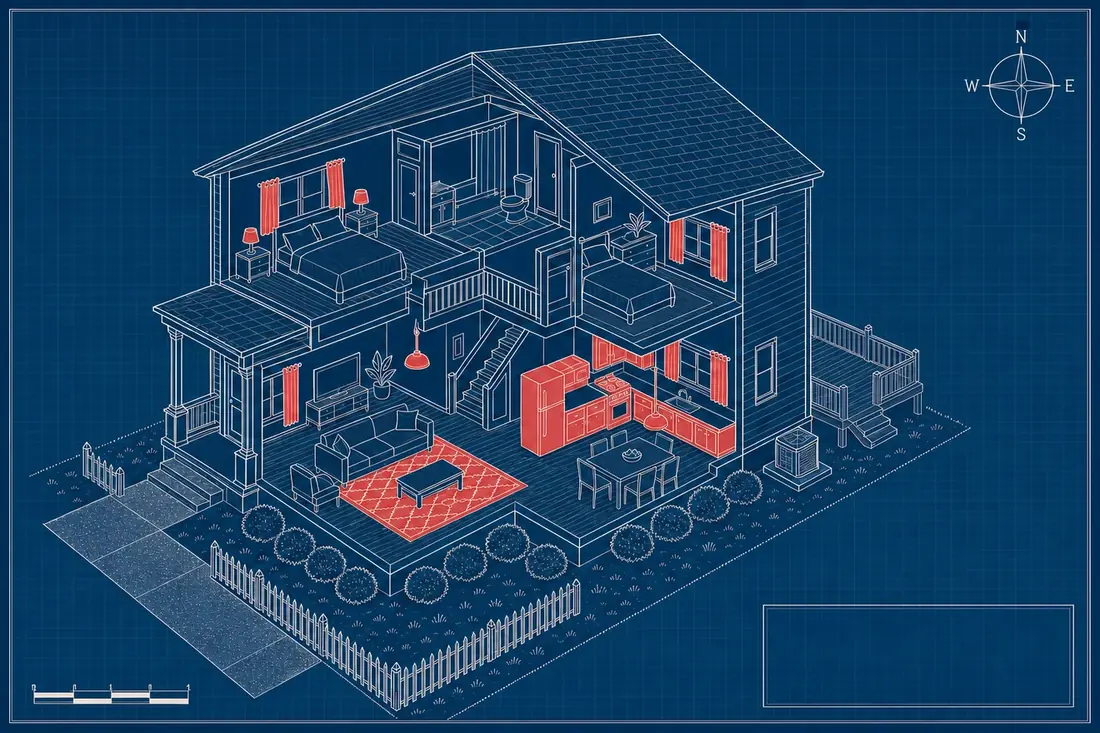
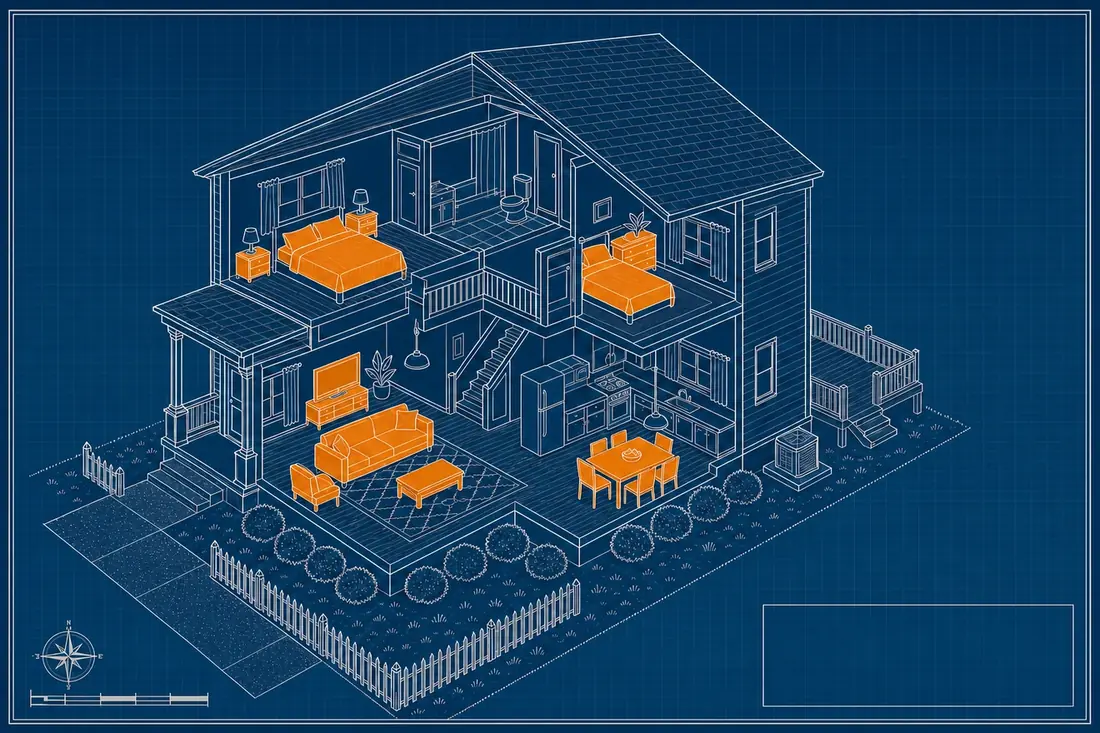
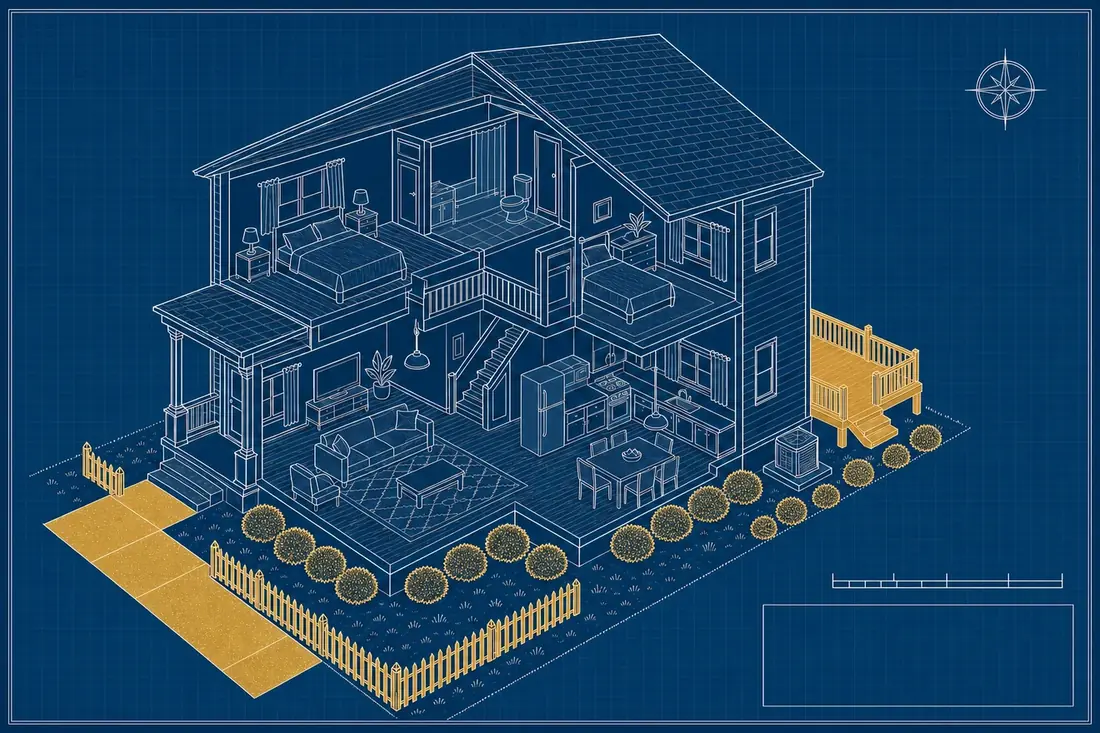
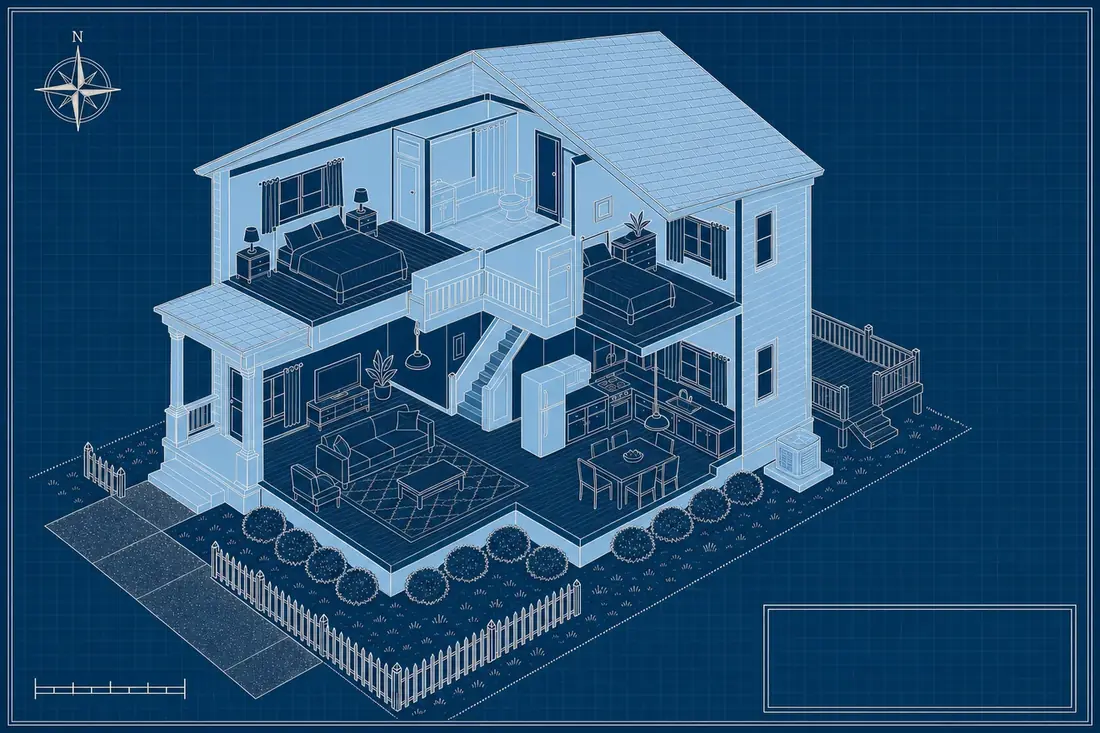
5-Year: carpet and flooring, cabinets, appliances, light fixtures, curtains 7-Year: furniture 15-Year: driveway, fencing, landscaping, deck 27.5/39-Year Shell: roof, load-bearing walls, foundation, central HVAC Get your free Preliminary Benefit Estimate Get a free Preliminary Benefit Estimate on the property this LLC holds, no matter how the entity itself is structured. Request Your Free Estimate »Single-Member LLCs: Usually a Pass-Through in Name OnlyA single-member LLC that has not elected corporate tax treatment is typically a disregarded entity for federal tax purposes, meaning the owner reports the property's income, expenses, and depreciation directly on their own return (Schedule E, in most cases) as if the LLC did not exist for tax purposes. A cost segregation study on property held this way works exactly like one on property held individually. Filing an EIN for the LLC or maintaining separate LLC bank accounts does not change this disregarded treatment for federal tax purposes; those are operational and liability-protection practices, not elections that alter how the study's deduction gets reported. The LLC still matters for liability protection and state-law purposes; it just does not add a separate layer of tax reporting on top of the study's output. Multi-Member LLCs and Partnerships: Deductions Flow Through on K-1sA multi-member LLC taxed as a partnership (the default for most multi-member LLCs) files its own return, but does not pay tax at the entity level. The accelerated deductions a cost segregation study identifies pass through to each member on a Schedule K-1, generally in proportion to that member's ownership interest, along with the property's other income and expense items. What each member does with their share of the deduction on their own 1040 is a separate question from what the study produced. A member's own passive activity status, whether they clear real estate professional status, the short-term rental exception, or neither, governs whether their share of the loss offsets other income or suspends. Ownership percentage on the K-1 does not have to match capital contribution in every partnership; special allocations, when properly drafted and supported by economic substance, can shift how depreciation deductions specifically are divided among members, separate from how profits and losses are split generally. LLCs Taxed as S-Corporations: A Less Common PathAn LLC can elect S-corporation tax treatment, though this is less common for rental real estate specifically, since it can complicate basis and distribution rules that work more cleanly under partnership or disregarded-entity treatment. When it applies, deductions still flow through to shareholders on K-1s, and the same passive activity questions apply at the shareholder level. Trusts, individual retirement accounts holding real estate, and other less common holding structures raise their own entity-specific questions along similar lines: the study still analyzes the building, and the entity question sits downstream of that analysis. Whether S-corp or another structure makes sense for a specific holding is an entity-structure question for a CPA, separate from whether a cost segregation study makes sense on the building itself. The 60-Second Qualifier Four questions. Our engineering team's model shows the estimated first-year acceleration a study of your property would target, free, before you commit to anything. Take the Qualifier »A Worked Example Inside an LLC Structure$479,220first-year deductions, mid-rise office $2,971,345building basis (less land) $12,000study fee 39.9:1deductions to fee A benchmark run on a mid-rise office building produced $479,220 in first-year deductions on a $2,971,345 building basis for a $12,000 fee, a 39.9:1 ratio. If a property like that is held through an LLC with three equal partners, each partner's K-1 reflects roughly a third of that deduction, subject to each partner's own passive activity status at the individual level. One partner might clear real estate professional status and use their share against wages this year; another might have no other passive income and see their share suspend until a future year or a sale. Who Actually Gets to Use the DeductionThe entity structure decides who receives a share of the deduction. It does not decide whether that share can offset the member's other income this year. Two partners in the same LLC, holding identical ownership percentages, can end up with very different outcomes on their own returns if one clears real estate professional status and the other does not. A property held by a single-member LLC skips this split entirely, since there is only one owner to apply the individual-level tests to in the first place. See what is material participation and real estate professional status explained for the tests that apply at the individual member level regardless of the entity holding the property. Ordering a Study Doesn't Require Resolving Entity Questions FirstAn LLC (or its manager, on behalf of the members) can commission a cost segregation study without first sorting out every member's individual passive activity position. The study documents the building; the K-1 reporting and each member's own tax treatment happen afterward, on each member's own return. The entity's operating agreement may also specify how tax attributes like these deductions get allocated among members, which is a drafting question separate from anything the study itself determines, and worth reviewing alongside the CPA handling the return. A free Preliminary Benefit Estimate models the likely first-year acceleration for the property regardless of entity structure, which gives the LLC's members a number to work with before the entity-level and individual-level tax questions get resolved. Frequently asked questionsDoes an LLC need an EIN before ordering a cost segregation study? No. An EIN is a separate administrative step tied to banking and payroll needs, not a prerequisite for a cost segregation study. The study analyzes the physical building regardless of whether the owning entity has applied for an EIN yet. Can a single cost segregation study cover multiple properties held by the same LLC? Each property generally needs its own study, since the classification work is specific to that building's components and layout. An LLC holding several properties would typically order a separate study for each one, priced individually based on that property's basis and complexity. Does transferring a property into an LLC after a study affect the deduction? A transfer into an LLC after a study is completed is a separate legal and tax event from the study itself. Whether that transfer changes anything about how the existing deductions carry forward is a question for a CPA, since it depends on how the transfer is structured. Do all LLC members need to agree before ordering a study? That depends on the LLC's operating agreement and its rules for authorizing expenses on behalf of the entity, not on anything specific to cost segregation. Ordering a study is typically treated like any other decision requiring whatever approval the operating agreement calls for. Keep readingGet your free Preliminary Benefit Estimate Send the address or the listing link. We model the number first; you decide with it in hand. Request Your Free Estimate »Educational information, not tax advice. This page describes how federal
depreciation rules and tests work in general. Whether any rule fits your facts is a determination for
you and your CPA. Our study gives your CPA the engineering and the numbers to make that call.
|