|
Cost Segregation for Commercial & Short-Term Rental Owners
|
Request a free estimate [email protected] |
Qualification
FREE Estimate Is there a first-year deduction sitting in your building? No cost, no obligation. Request Yours »Minimum ROIOur study identifies at least 20x its fee in first-year deductions on commercial property, or at least 30x on a short-term rental, or it is free. |
Who Qualifies for a Cost Segregation Study?Quick answer Any owner of a depreciable rental or commercial property qualifies for the study itself. Whether the resulting loss can be used against other income right now depends on which owner archetype fits: a self-managed short-term rental host and a real estate professional usually get immediate use, an owner with passive income elsewhere can offset the loss there, and a W-2 landlord with a full-service manager usually gets a suspended loss instead, still valuable, just not usable yet. See this applied to your building. A few questions, 30 seconds. You see which tests matter and the first-year deduction range a study would look for. No email to see the range. Run the 30-second check »Key takeaways
The self-managed short-term rental hostAn owner who personally handles guest messaging, pricing, and calendar management, with a cleaner handling turnovers only, is the archetype most likely to see immediate use of a study's deduction. If the property's average guest stay is 7 days or less and the owner clears one of the material participation tests (most commonly 100 hours and more time than the cleaner), the loss is non-passive and offsets other income, including W-2 wages, in the year the study is delivered. This is often the same owner who has a full-time job unrelated to real estate. That job does not block this path, because the short-term rental exception is a separate exit from section 469 entirely, distinct from real estate professional status and not conditioned on it. A nurse, an engineer, or a sales rep who self-manages a beach condo on the side fits this archetype just as well as someone without a day job at all. See the three tests that matter most for this archetype and how the average-stay math is computed before assuming either test is automatically cleared. 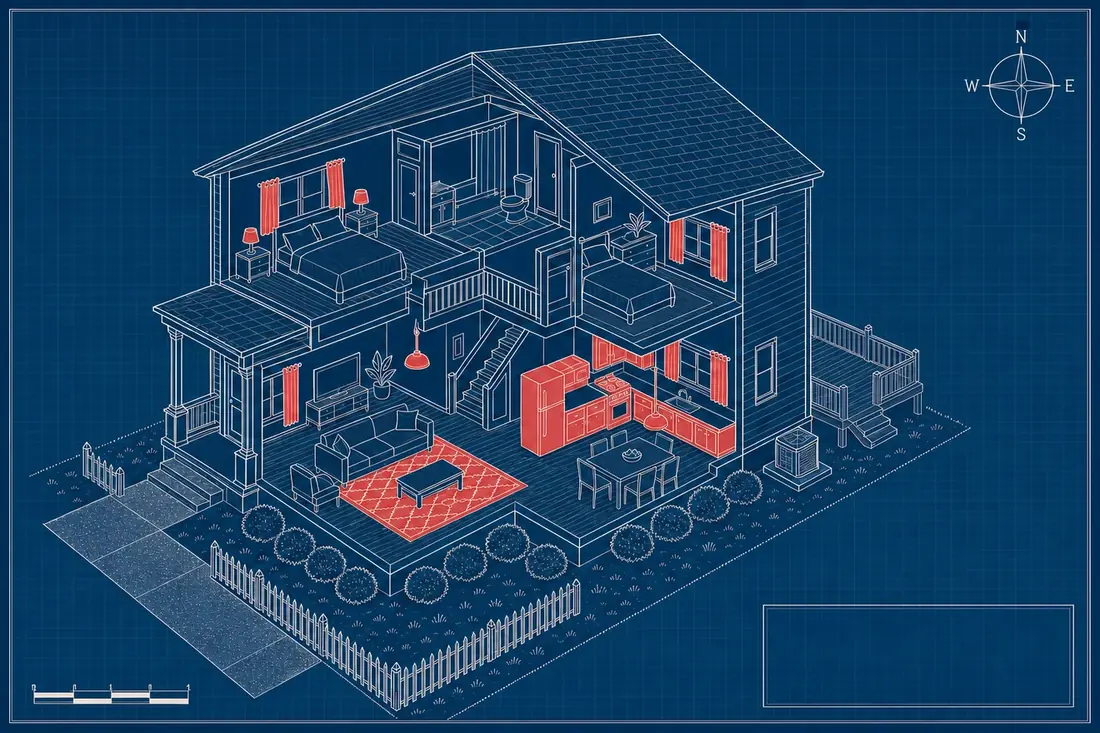
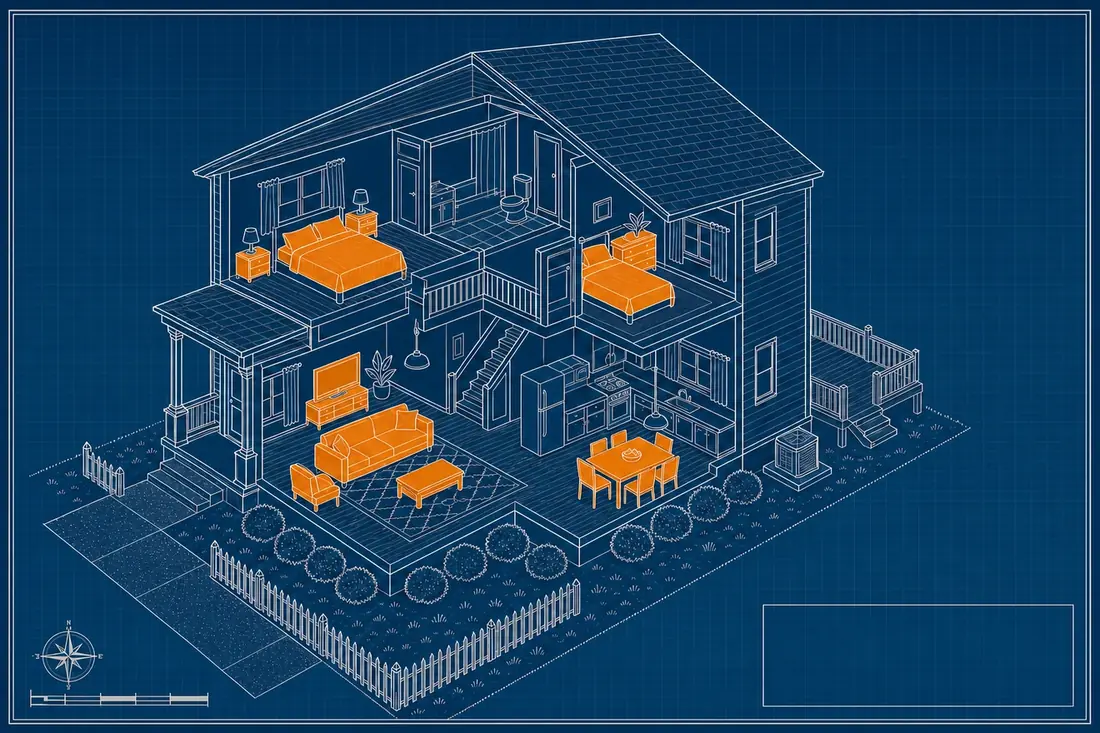
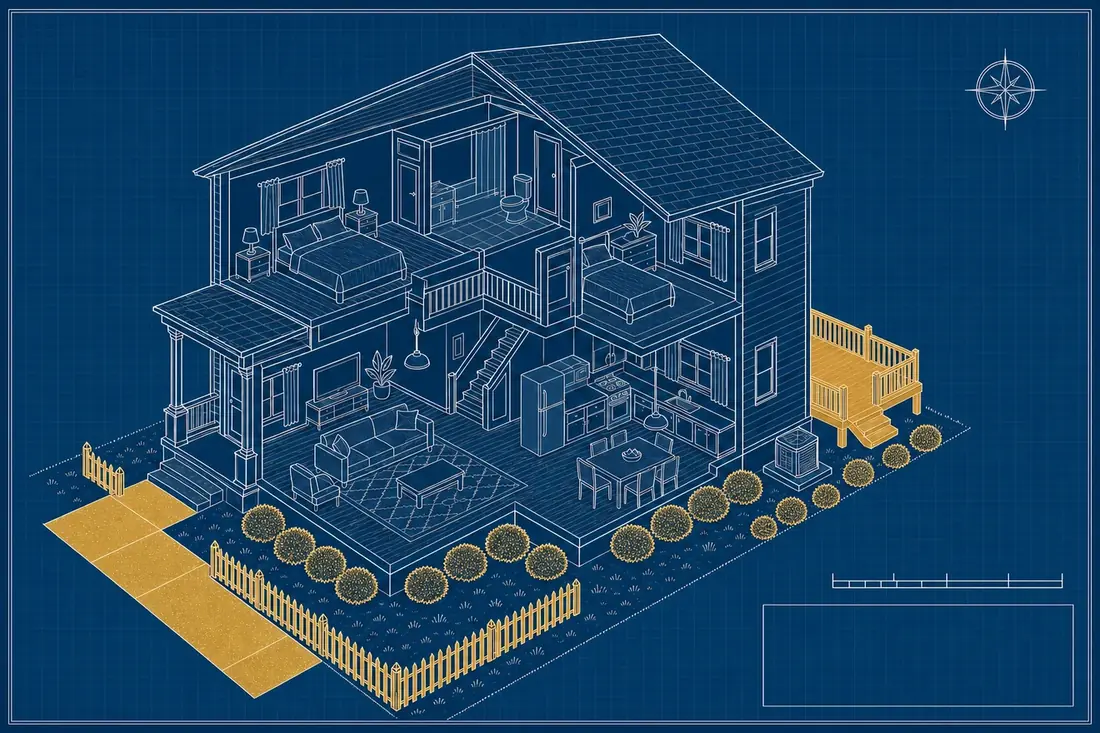
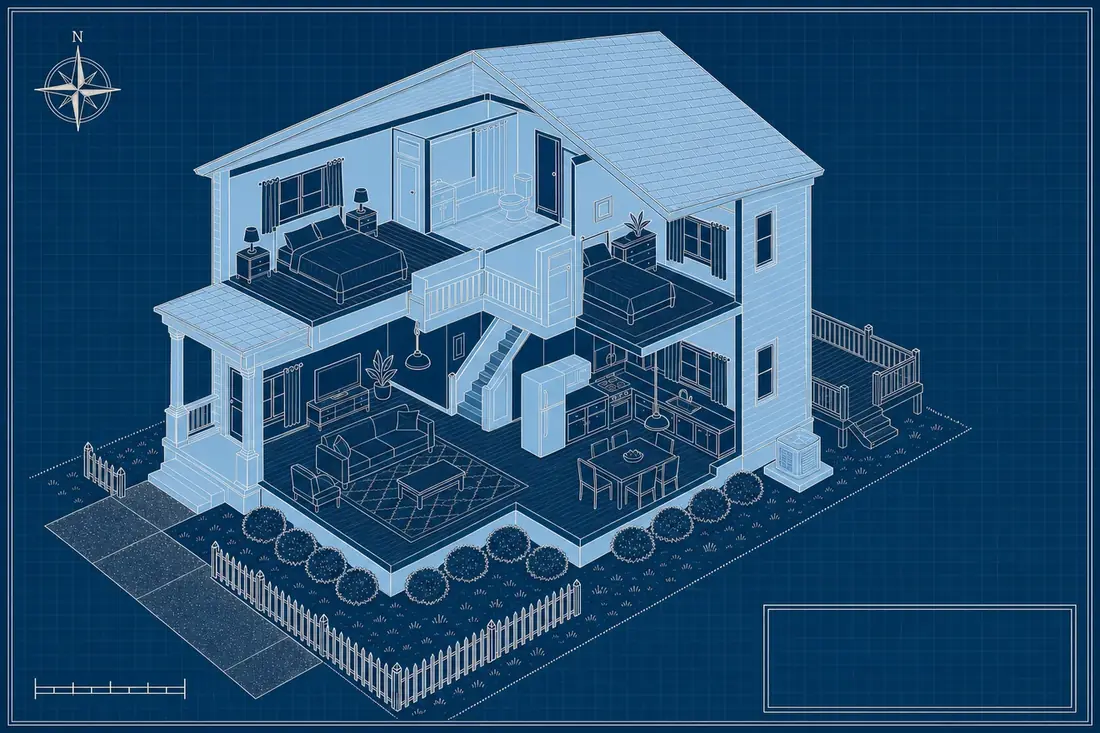
5-Year: carpet and flooring, cabinets, appliances, light fixtures, curtains 7-Year: furniture 15-Year: driveway, fencing, landscaping, deck 27.5/39-Year Shell: roof, load-bearing walls, foundation, central HVAC Get your free Preliminary Benefit Estimate See where your property lands with the free estimate, then match your situation to one of these archetypes with your CPA to know when the deduction actually becomes usable. Request Your Free Estimate »The real estate professionalAn owner whose primary work is real estate, 750 or more hours in real property trades and more than half of total working time, plus material participation in each specific rental, can treat rental losses as non-passive across their whole portfolio, not just one property. This fits owners who left a W-2 job to manage properties full time, or a spouse who runs the real estate side of a two-income household. See the full test, including the per-spouse and aggregation rules. This status is portfolio-wide, not property-by-property, which is the key difference from the short-term rental exception. Once an owner qualifies as a real estate professional and materially participates in each rental, losses across every property in the portfolio can be non-passive in the same year, not just the one being studied. That makes real estate professional status especially valuable for owners actively acquiring several properties in the same tax year. The owner with passive income elsewhereAn owner who does not meet real estate professional status and does not have a qualifying short-term rental can still use a new loss immediately if they have passive income from another source: a different rental property that runs profitably, or K-1 income from a syndication. The loss offsets that passive income directly, independent of hours or material participation on the new property. This is a commonly overlooked path, since owners tend to focus on their own hours rather than checking what other passive income already exists on their return. A practical example of this archetype: an owner holds two long-term rentals, one running a small annual profit after depreciation, one newly purchased and studied for the first time. The new property's first-year loss from the study can offset the profitable property's income directly, on the same Schedule E, without either property needing to pass the short-term rental exception or the owner needing real estate professional status at all. The 60-Second Qualifier Four questions. Our engineering team's model shows the estimated first-year acceleration a study of your property would target, free, before you commit to anything. Take the Qualifier »The syndication limited partnerAn LP in a syndication has essentially no operating role and will not clear real estate professional status or material participation on that investment. That does not make the property a poor candidate for a study; it changes what the resulting loss does. A syndication's losses are passive by nature, which makes them useful specifically against an LP's other passive income, including from a directly owned short-term rental or another syndication. The math still works; the audience for using the deduction is just different. An LP who holds interests in several syndications, or who separately owns a self-managed short-term rental generating non-passive losses, has more flexibility than it first appears. Passive losses from one investment offsetting passive income from another is a normal, expected use of the passive activity rules. The property behind a K-1 can absolutely be studied; the study's fee and structure are simply negotiated at the fund level rather than by the individual LP in most cases. The plain W-2 landlord with a full-service managerThis is the honest no-for-now archetype, and it deserves to be named plainly rather than glossed over. An owner working a full-time job outside real estate, holding a long-term rental with a full-service property manager handling leasing, maintenance, and tenant relations, typically fails real estate professional status (the job rules it out) and fails material participation (the manager does the operating work the tests look for). This owner's loss usually suspends. That is not a reason to skip the study. A suspended loss carries forward and offsets passive income whenever it arises, or releases in full at the property's eventual sale. The depreciation the study identifies does not shrink because the loss is suspended; only the timing of its use changes. An owner in this position who is told the truth about timing, rather than sold on an immediate offset that will not happen, can still make an informed decision about whether the study makes sense now. See the fuller mechanics of a manager-run property's losses. Two things are worth this owner knowing. First, the deduction is set the moment the study is complete, even before it becomes usable, because bonus depreciation and the depreciation schedule are set by the study, not by when the loss offsets income. Second, this owner's situation is not fixed forever. Bringing on more hands-on management, adding a short-term rental to the portfolio, or planning a sale within a few years can each change which path eventually opens, and that is a conversation worth having with a CPA well before a return is due. Frequently asked questionsDoes my occupation determine whether I qualify for a cost segregation study? Your occupation affects whether the resulting loss is usable now, not whether the property qualifies for the study. Real estate professional status depends heavily on occupation and hours, but a W-2 employee with no real estate work at all can still qualify through the short-term rental exception or through passive income from elsewhere. If I'm not sure which archetype fits me, does that mean I don't qualify? No. Most owners' situations mix elements of more than one archetype, for example a W-2 employee who also self-manages a short-term rental. The right approach is running the actual tests, average stay, hours, and other passive income, against your specific facts rather than trying to fit one label. Can my spouse's real estate work help me qualify even if I have a full-time non-real-estate job? Yes, in a household filing jointly, if one spouse meets real estate professional status, that status generally extends benefits to jointly held rental losses. This is a common path for a two-income household where one spouse works in real estate and the other does not. Do I need to know my archetype before requesting a free estimate? No. The estimate models the property's likely deduction based on the building itself. Which archetype you fit only determines when that deduction becomes usable, a separate conversation to have with your CPA once the number from the study is in hand. Keep readingGet your free Preliminary Benefit Estimate Send the address or the listing link. We model the number first; you decide with it in hand. Request Your Free Estimate »Educational information, not tax advice. This page describes how federal
depreciation rules and tests work in general. Whether any rule fits your facts is a determination for
you and your CPA. Our study gives your CPA the engineering and the numbers to make that call.
|