|
Cost Segregation for Commercial & Short-Term Rental Owners
|
Request a free estimate [email protected] |
STR Guides
Free Listing SEO Audit Paste your Airbnb or VRBO listing. Get a scored audit in 90 seconds. Audit My Listing »FREE Estimate Is there a first-year deduction sitting in your building? No cost, no obligation. Request Yours »Minimum ROIOur study identifies at least 20x its fee in first-year deductions on commercial property, or at least 30x on a short-term rental, or it is free. |
What Counts as Material Participation for an Airbnb?Quick answer Material participation is the section 469 test that decides whether a short-term rental's losses can offset other income instead of sitting passive. For a property that already passes the 7-day average stay test, the three tests owners rely on most are 500 or more hours in the activity, substantially all the participation, or 100 or more hours with more time in the activity than any other individual, including a cleaner or property manager. That is one of the tests. The check asks the rest. What you own, who runs it, average guest stay, when you bought. Four questions, 30 seconds, and you see the first-year deduction range a study would look for on your rental. No email to see the range. Run the 30-second check »Key takeaways
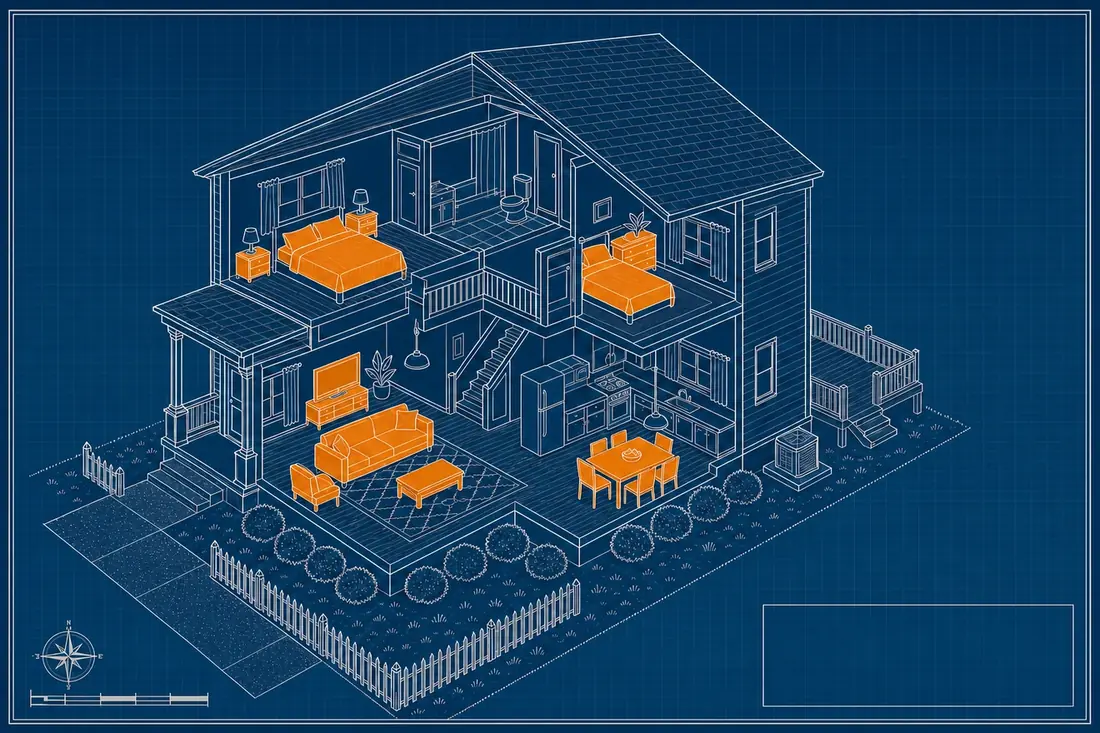
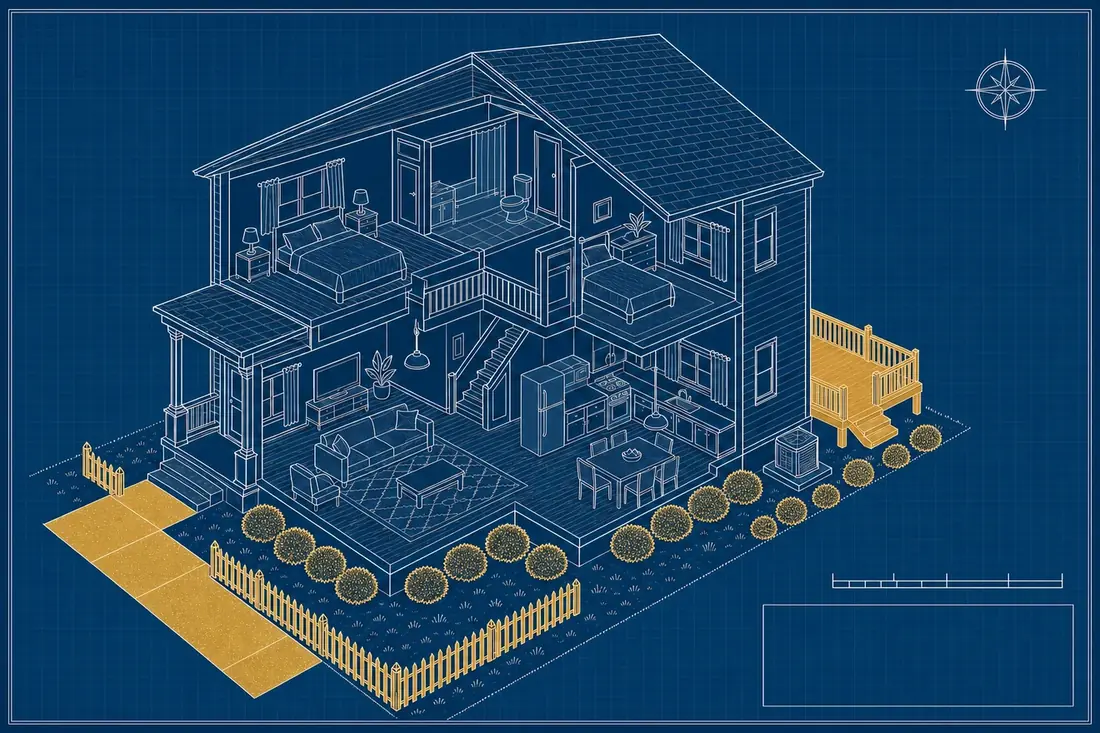
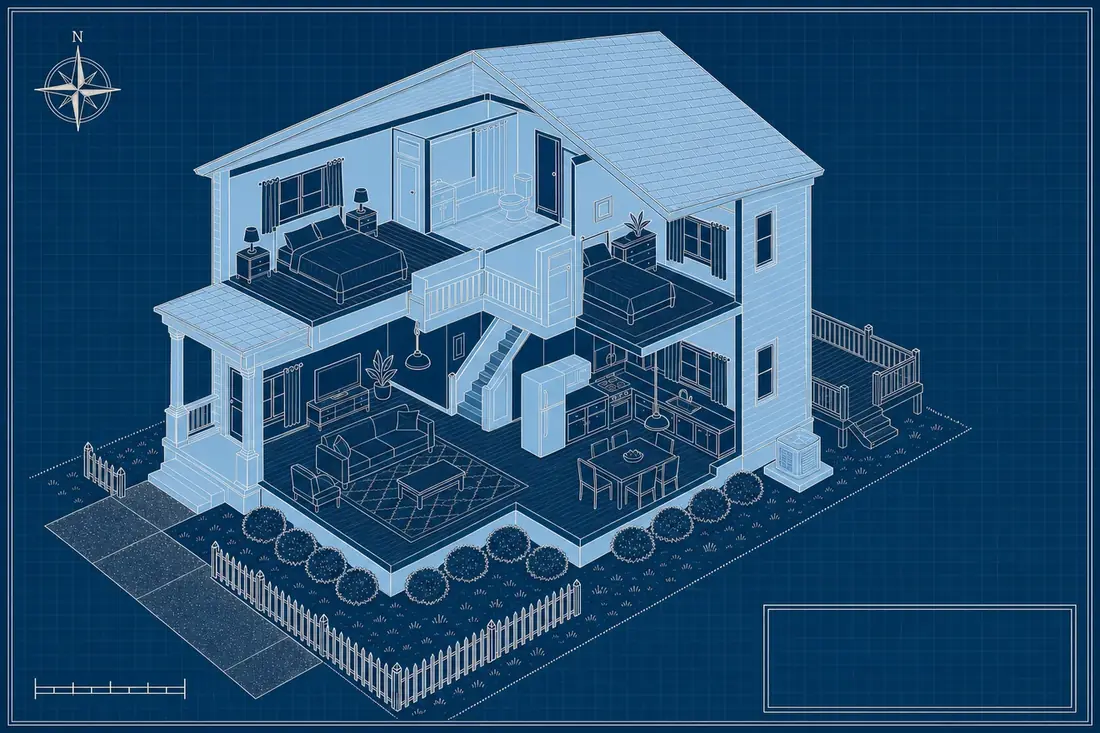
Watch a log cabin rental get built and classified A hypothetical $600,000 three-bedroom log cabin goes up floor by floor, from the gravel drive and foundation to the game loft and the hot tub on the deck. Every component lands on its depreciation schedule as it is installed, and the year-one depreciation adds up on screen. Watch the 90-second walkthrough »What material participation actually decidesA cost segregation study reclassifies pieces of a building into faster depreciation schedules. Whether the resulting loss can offset other income, like a W-2 wage, is a separate question decided by section 469's passive activity rules. That is where material participation comes in. The default rule treats rental activity as passive, meaning losses can only offset other passive income. A short-term rental whose average guest stay is 7 days or less is not a "rental activity" under Reg. 1.469-1T(e)(3)(ii) in the first place (see our average stay math). That clears the first gate. Material participation is the second gate: the owner still has to show real, regular involvement in running the property for a loss to count as non-passive. Both gates have to open. A property with a 4-night average stay but an owner who never touches the calendar clears gate one and stalls at gate two. A self-managed cabin with a 9-night average never gets to gate two at all, no matter how many hours the owner logs, because it fails gate one first. The order matters when an owner is deciding where to put attention, and it is why the average-stay math should be checked before anyone starts counting hours. 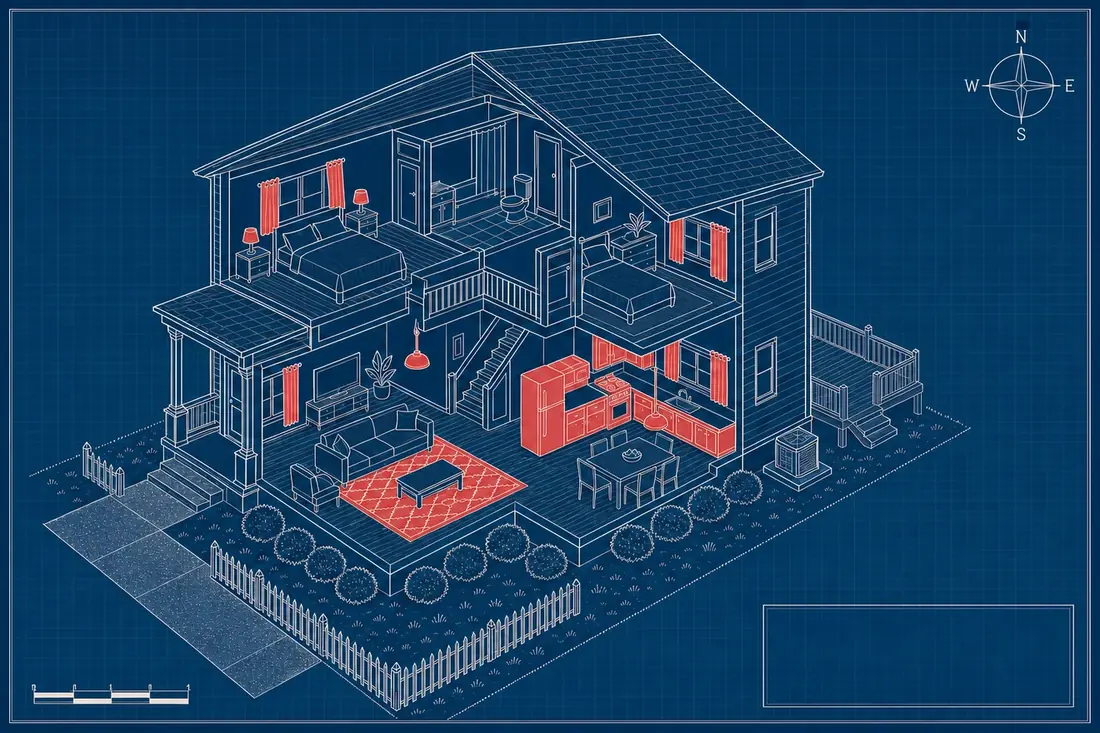
5-Year: carpet and flooring, cabinets, appliances, light fixtures, curtains 7-Year: furniture 15-Year: driveway, fencing, landscaping, deck 27.5/39-Year Shell: roof, load-bearing walls, foundation, central HVAC Get your free Preliminary Benefit Estimate Get the free estimate first so the depreciation number is on the table while you and your CPA work the hours test against your actual calendar. Request Your Free Estimate »The seven tests, and the three that matter for a short-term rentalThe IRS lists seven ways to prove material participation in Temp. Reg. 1.469-5T. Most exist for farms, professional practices, and multi-year businesses. Three show up in almost every short-term rental file:
The other four tests (a significant participation activity combined across several activities to 500 or more hours total, material participation in five of the last ten years, a personal service activity in any three prior years, and a broad facts-and-circumstances test with its own 100-hour floor) apply less often to a single rental but stay in reach for an owner running several properties.
What counts as an hour, and what does notHours in the activity mean work an owner would reasonably do to operate the rental: guest messaging, pricing and calendar management, restocking and light maintenance, coordinating repairs, sourcing and vetting a cleaner, and the time spent handling those tasks directly. Hours do not count as strongly for work outside an owner's operating role, such as reviewing financial statements as an investor, unless the owner is also handling day-to-day operations. Drive time to the property is treated inconsistently and should not be the hours a test depends on. A weekend spent repainting a bedroom or replacing cabinet hardware between guests counts as operating hours, not just capital improvement time. Time spent shopping for the property, comparing cleaners, or resolving a guest complaint by phone at 11pm counts too. The common thread is that the owner is doing the work, not approving someone else's invoice for it. The 60-Second Qualifier Four questions. Our engineering team's model shows the estimated first-year acceleration a study of your property would target, free, before you commit to anything. Take the Qualifier »Who your hours compete againstThe 100-hour test has a second half owners miss: it is not just 100 hours, it is 100 hours AND more than anyone else. Every hour a cleaner, co-host, or full-service property manager logs on the property counts against the owner in that comparison, even though the owner is paying them. A full-service property manager is usually what breaks the 100-hour test, not what helps it. This is why a full-service manager commonly disqualifies an owner from this specific test, even on a property that easily passes the 7-day average. Properties where the owner handles guest communication directly and a cleaner only cleans keep this test realistically in reach. The comparison is per individual, not per role. If a single cleaner logs 60 hours a year cleaning between stays and the owner logs 90 hours on messaging, pricing, and restocking, the owner still clears 100-hour-and-more, because no single person logged more than the owner. Split the cleaning across three rotating people at 20 hours each, and the same 90 owner hours can clear it even more comfortably, since no one person crosses the owner's total. How to document it before an examiner asksThe tests turn on hours, and hours have to be provable, not remembered. A contemporaneous log built from a calendar, guest-messaging timestamps, cleaner invoices, and receipts for supplies or repairs is what substantiates a test under Reg. 1.469-5T(f)(4), which allows "any reasonable means" but expects the record to exist before the return is questioned, not after. A workable log has four columns: date, task, hours, and a short note tying it to a booking or a maintenance item. It does not need to be fancy. A shared spreadsheet updated weekly, cross-checked against the property management platform's message timestamps and the cleaner's invoice dates, holds up far better than a single number reconstructed at tax time. None of this substitutes for the study itself. A cost segregation study creates the deduction and sets its timing; material participation is what decides whether that deduction can offset a W-2 salary now or has to wait as a suspended loss. See how the mechanics chain together against W-2 income, and the general material participation rules for owners outside the short-term rental world. Frequently asked questionsDoes material participation matter if my Airbnb loses money every year on paper? It matters once there is a loss to place. The test decides whether that loss offsets other income now (non-passive) or carries forward until offset by passive income or a sale (passive). A property can still be depreciated and studied either way; material participation only changes when the deduction becomes usable. Can my spouse's hours count toward material participation? Yes. Married owners filing jointly combine both spouses' hours toward the same test, which is often how the 500-hour test gets met on a property one spouse manages part-time. The hours still have to be real and documented, not estimated after the fact. Do repair days or turnover cleaning count as material participation hours? Time spent actively fixing, cleaning, or preparing the property for guests generally counts, since it is work an owner in the activity would do. Hiring a contractor and simply approving invoices counts far less, because those hours belong to the contractor, not the owner. What happens if I fail all three material participation tests? The loss the study creates does not disappear. It becomes a suspended passive loss that carries forward and offsets passive income in future years, or releases in full when the property is disposed of in a taxable sale. The study and the depreciation still happen; only the timing of use changes. Is material participation the same thing as real estate professional status? No. Real estate professional status is a separate, harder test built for owners with several properties or a real estate trade (750 or more hours and more than half of working time). The short-term rental exception paired with material participation is a distinct, usually more reachable path for a single self-managed rental. Keep readingGet your free Preliminary Benefit Estimate Send the address or the listing link. We model the number first; you decide with it in hand. Request Your Free Estimate »Educational information, not tax advice. This page describes how federal
depreciation rules and tests work in general. Whether any rule fits your facts is a determination for
you and your CPA. Our study gives your CPA the engineering and the numbers to make that call.
|