|
Cost Segregation for Commercial & Short-Term Rental Owners
|
Request a free estimate [email protected] |
STR Guides
Free Listing SEO Audit Paste your Airbnb or VRBO listing. Get a scored audit in 90 seconds. Audit My Listing »FREE Estimate Is there a first-year deduction sitting in your building? No cost, no obligation. Request Yours »Minimum ROIOur study identifies at least 20x its fee in first-year deductions on commercial property, or at least 30x on a short-term rental, or it is free. |
Cost Segregation for VRBO OwnersQuick answer A VRBO listing qualifies for a cost segregation study the same way any short-term rental does: the study reclassifies flooring, cabinetry, appliances, and site improvements like the driveway into faster depreciation schedules, based on listing photos with no site visit. The mechanics are identical to Airbnb. What differs for many VRBO properties is booking pattern: whole-home weekly rentals common on VRBO push the average-stay math differently than the nightly bookings typical on Airbnb, and that average is what decides which passive-activity test applies. See this applied to your building. A few questions, 30 seconds. You see which tests matter and the first-year deduction range a study would look for. No email to see the range. Run the 30-second check »Key takeaways
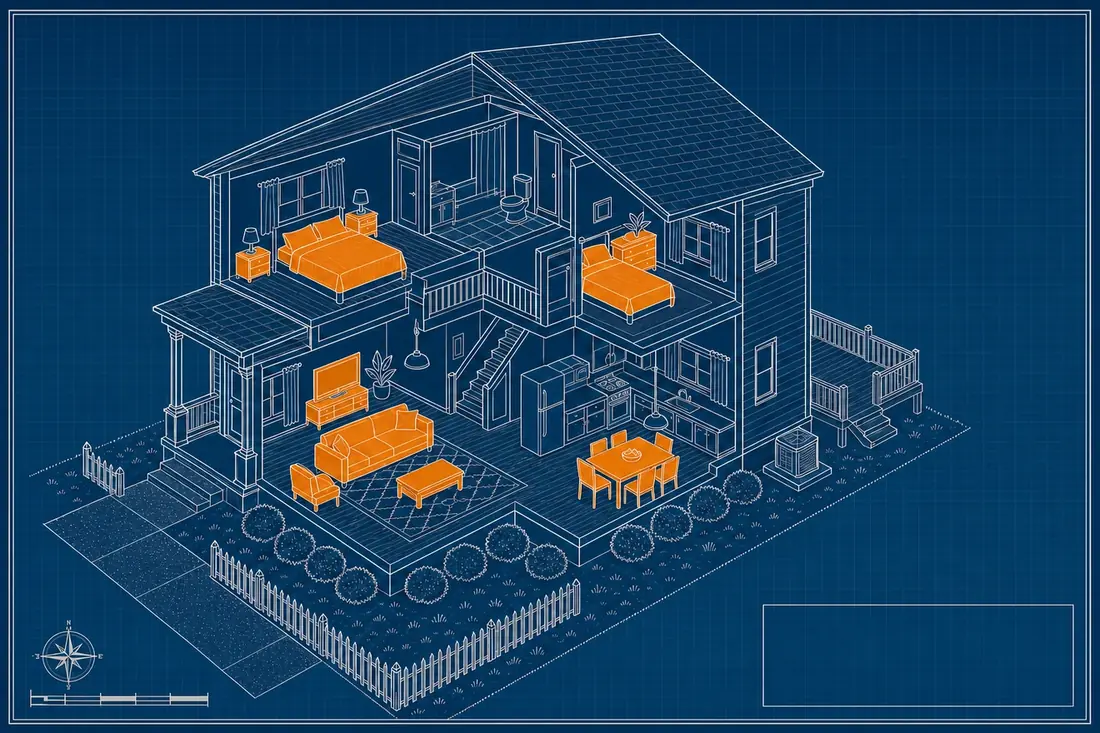
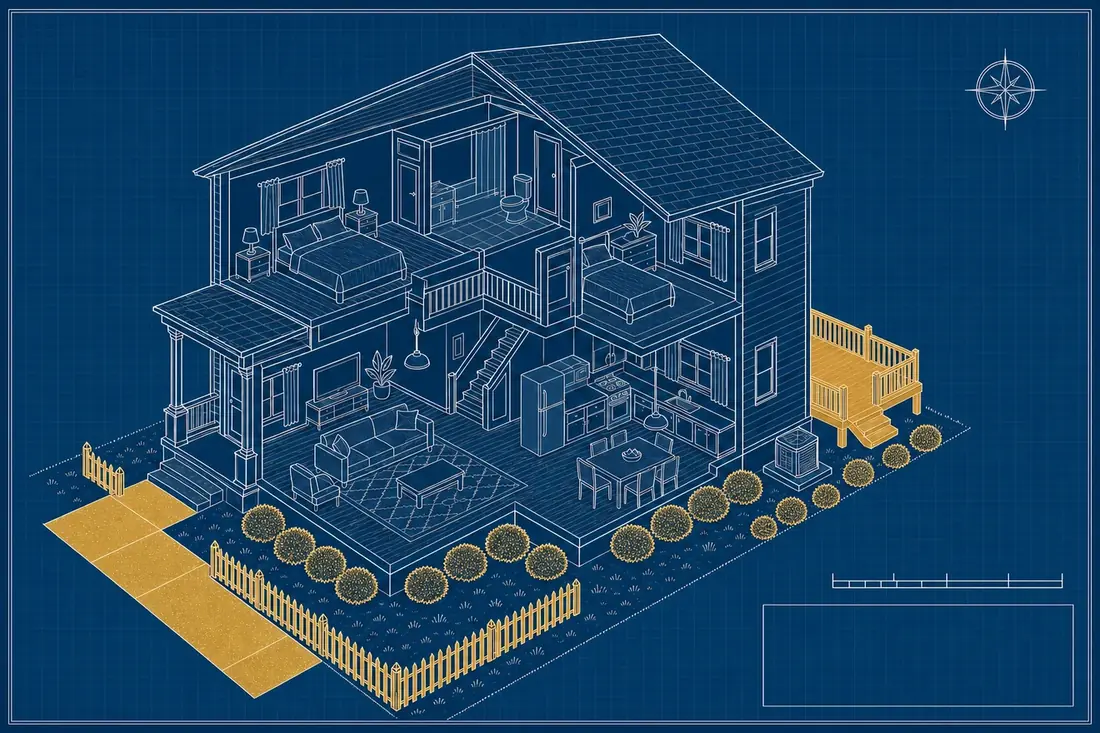
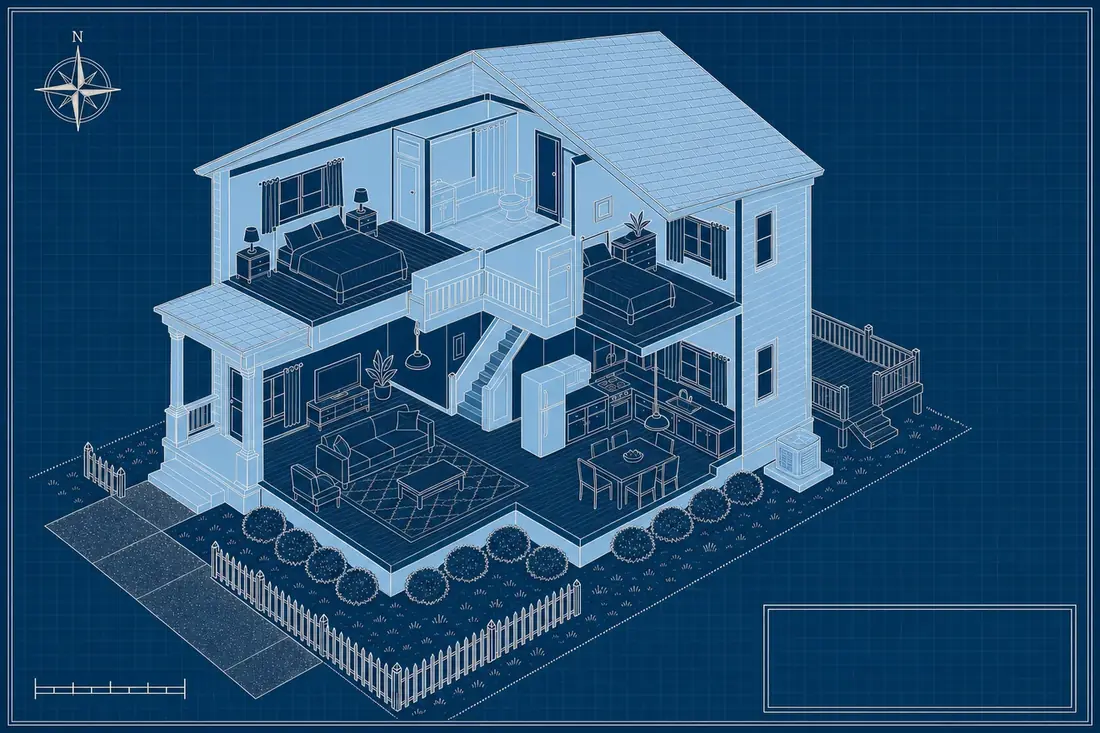
Watch a log cabin rental get built and classified A hypothetical $600,000 three-bedroom log cabin goes up floor by floor, from the gravel drive and foundation to the game loft and the hot tub on the deck. Every component lands on its depreciation schedule as it is installed, and the year-one depreciation adds up on screen. Watch the 90-second walkthrough »The Mechanics Are the Same as Any Short-Term RentalA VRBO listing depreciates the same way an Airbnb listing does. A cost segregation study separates land value first, then reclassifies the building's components: flooring, cabinetry, and appliances into 5-year property, certain fixtures into 7-year property, and site work such as the driveway, fencing, and outdoor lighting into 15-year land improvements. The structural shell, the framing, roof structure, and walls, stays on the standard 27.5-year residential schedule. Classification runs off the listing itself. Our engineering team works from the photos already on the VRBO listing, kitchen, bathrooms, decks, outdoor space, to identify and count components. No site visit, no owner homework. This holds for a VRBO condo, a whole-home rental, or a larger vacation property with multiple bookable units under one listing. The building's actual components decide what the study finds, not the platform hosting the listing. Land value comes off the top the same way too: only the building and its improvements depreciate, regardless of which booking site brought in the guest. 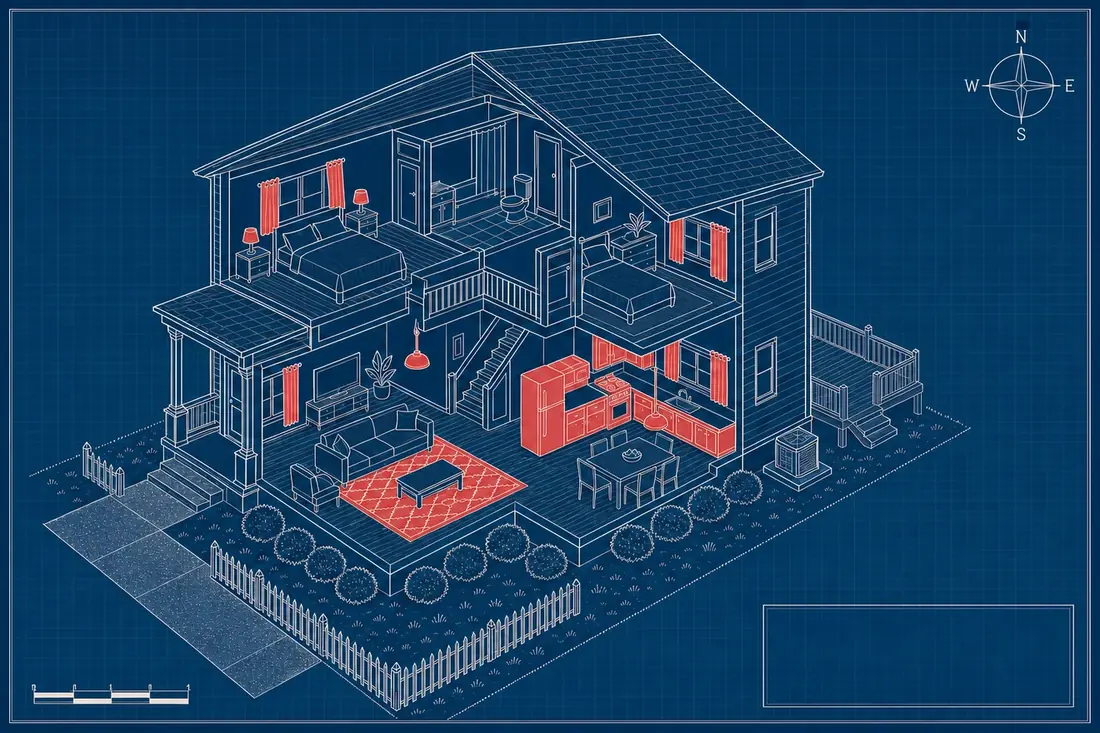
5-Year: carpet and flooring, cabinets, appliances, light fixtures, curtains 7-Year: furniture 15-Year: driveway, fencing, landscaping, deck 27.5/39-Year Shell: roof, load-bearing walls, foundation, central HVAC Get your free Preliminary Benefit Estimate See the likely first-year number on a VRBO property with the free Preliminary Benefit Estimate. Request Your Free Estimate »Where VRBO Differs: Weekly Bookings and the Average-Stay MathVRBO skews toward whole-home, longer-stay bookings; Airbnb's mix runs more toward shorter nightly stays, though both platforms host every stay length. That distinction matters because of the average-stay test under Treas. Reg. 1.469-1T(e)(3)(ii): a property is out of the "rental activity" bucket for section 469 purposes when its average guest stay across the year runs 7 days or less. The test looks at the whole year's actual bookings, not any single reservation. Picture a lake property booked through VRBO with ten weekly summer reservations and fifteen shorter stays the rest of the year. The average runs across all twenty-five bookings for the year, not just the summer run. Whether that blended average lands at or under 7 days depends entirely on the actual mix, which is why the calculation has to run on the full year's booking log rather than a glance at the calendar. We walk through how the calculation works, including what a mix of weekend and week-long bookings does to the number, on the average-stay test page. Good booking records matter here more than they might for a nightly-stay Airbnb, since a VRBO owner's average is often decided by a smaller number of longer bookings, where one or two extra-long stays can move the yearly average more than they would for a property with a hundred short nightly bookings. A Mixed Calendar: Weekly Summer Rentals and Off-Season Nightly BookingsMany VRBO properties run a seasonal calendar: weekly rentals in the peak season, shorter nightly stays in the shoulder months. A lake house or a mountain cabin booked through VRBO often looks exactly like that, heavy weekly bookings in summer or ski season, mixed shorter stays the rest of the year. The average-stay test runs on the full year, so a heavy weekly summer run does not by itself decide the outcome. What matters is where the full year's average lands. We cover the property-specific version of this math for two common VRBO property types on the lake house page and the cabin page. Renovations and Replacements: The Partial Asset Disposition AngleVRBO owners often renovate between guest seasons: new flooring, updated appliances, a repainted or rebuilt deck. When a component is replaced, not just repaired, the remaining basis of the old component can potentially be written off in the tax year of replacement, under partial asset disposition (Treas. Reg. 1.168(i)-8). That election has to happen in the year the old component comes out; miss the year and the old component's remaining basis stays buried in the building, depreciating for decades, while the new one stacks on top. See how partial asset disposition works. This is a separate mechanic from the initial cost segregation study itself, but the two work together for an owner who renovates a property after the original study was done. The 60-Second Qualifier Four questions. Our engineering team's model shows the estimated first-year acceleration a study of your property would target, free, before you commit to anything. Take the Qualifier »What the Study Looks Like for a VRBO PropertyThe study process itself does not change based on platform. An owner chooses between a full engineered study and a budget engineered study, both producing the same 70-page engineered report, aligned to the IRS's Audit Techniques Guide. The full engineered study fits a larger or more complex property; the budget engineered study fits a simpler one. Both include the section 481(a) computation when the property has been owned for years. The free Preliminary Benefit Estimate at the qualifier models the likely first-year number before any commitment, and turnaround typically runs 4 to 6 weeks in season, often 2 to 3 weeks in January and February. Furnishing Packages Common on Whole-Home VRBO ListingsMany VRBO properties are purchased or set up with a full furnishing package: living room furniture, bedroom sets, patio furniture, and small appliances bought as a batch rather than installed piece by piece over years. That furnishing package generally falls into the 5-year or 7-year buckets alongside the rest of a property's movable and semi-movable components, the same categories that apply whether the furniture arrived on day one or was added over several renovations. Keeping the purchase records, or at least a reasonable cost estimate for that furnishing package, helps the study establish an accurate basis for it, separate from the value of the structure itself. What the Numbers Typically Look LikeOur four commercial benchmark runs came in at 24:1 to 67:1 in first-year deductions against fee. The one delivered short-term rental study we publish ran 135:1 at a lower residential fee, a smaller building basis but a fee that scaled down further than the deduction did. First-year deductions on a property under current bonus rules typically land around 16 to 21% of building basis, higher for a property with more finish work like flooring and cabinetry throughout, lower for a simple shell. A delivered residential example, a Montgomery County, Pennsylvania rental, put those generalizations in real dollars: $174,905 in first-year depreciation on a $1,040,000 basis, against a $1,295 fee. Owners who want to see how these generalizations translate into an actual delivered report can look at the delivered study example or read how the engineering team builds a study before requesting an estimate on a specific VRBO property. Frequently asked questionsDoes the cost segregation study change if my VRBO property books mostly by the week? No, the study mechanics are unaffected by booking length. Weekly bookings can affect the average-stay test used for the passive-activity rules, which is a separate question from how the building's components are classified and depreciated. Can I do a cost segregation study on a VRBO property I just bought this year? Yes. Cost segregation applies to a purchase in the year it closes. There is no look-back mechanic needed since there is no prior depreciation to catch up; the study simply establishes the correct schedules from the start. What components does a VRBO cost segregation study usually find? Typical findings include flooring, cabinetry, and appliances at 5 years, certain fixtures and furniture at 7 years, and site work like the driveway, fencing, and outdoor lighting at 15 years. The exact mix depends on the specific property's finishes and site improvements. Do I need an appraisal for a VRBO cost segregation study? No separate real estate appraisal is required. The engineering team classifies components directly from listing photos and available property records to establish the depreciable basis split between land and building. How long does a VRBO cost segregation study take? Turnaround typically runs 4 to 6 weeks during tax season and often 2 to 3 weeks in January and February. The free Preliminary Benefit Estimate is available before that process starts, with no commitment required. Keep readingGet your free Preliminary Benefit Estimate Send the address or the listing link. We model the number first; you decide with it in hand. Request Your Free Estimate »Educational information, not tax advice. This page describes how federal
depreciation rules and tests work in general. Whether any rule fits your facts is a determination for
you and your CPA. Our study gives your CPA the engineering and the numbers to make that call.
|