|
Cost Segregation for Commercial & Short-Term Rental Owners
|
Request a free estimate [email protected] |
STR Guides
Free Listing SEO Audit Paste your Airbnb or VRBO listing. Get a scored audit in 90 seconds. Audit My Listing »FREE Estimate Is there a first-year deduction sitting in your building? No cost, no obligation. Request Yours »Minimum ROIOur study identifies at least 20x its fee in first-year deductions on commercial property, or at least 30x on a short-term rental, or it is free. |
How Many Days Can You Use Your Own Airbnb?Quick answer Section 280A limits deductions once personal use of your own Airbnb exceeds the greater of 14 days or 10% of the days the property was actually rented at fair value in the year. A repair day, meaning a day spent mainly fixing or maintaining the property rather than vacationing, generally does not count toward that personal-use total. Whether a specific owner's actual day count for the year crosses that threshold is a question for their CPA, working from the calendar and booking records. That is one of the tests. The check asks the rest. What you own, who runs it, average guest stay, when you bought. Four questions, 30 seconds, and you see the first-year deduction range a study would look for on your rental. No email to see the range. Run the 30-second check »Key takeaways
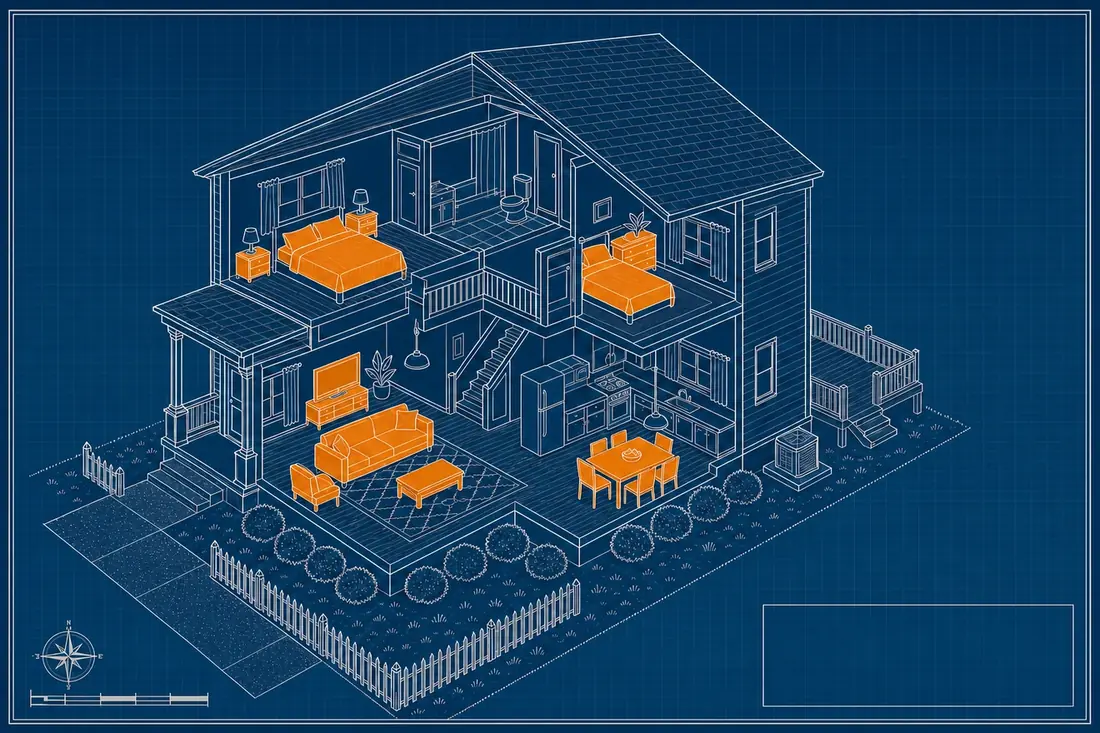
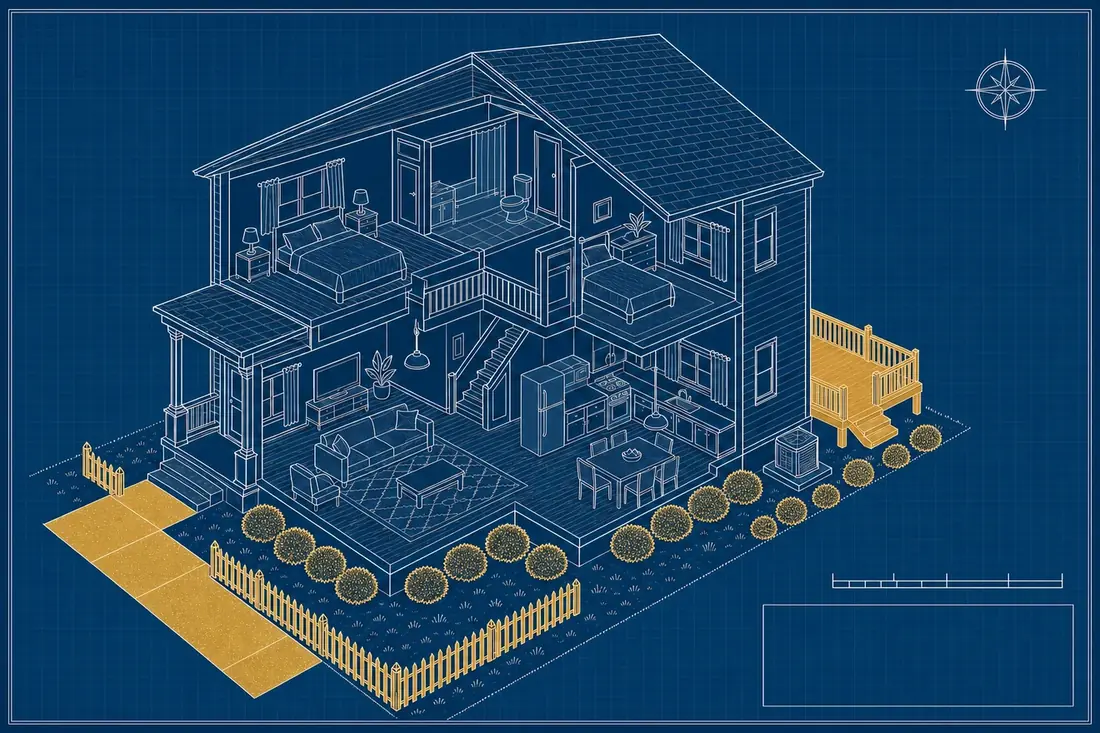
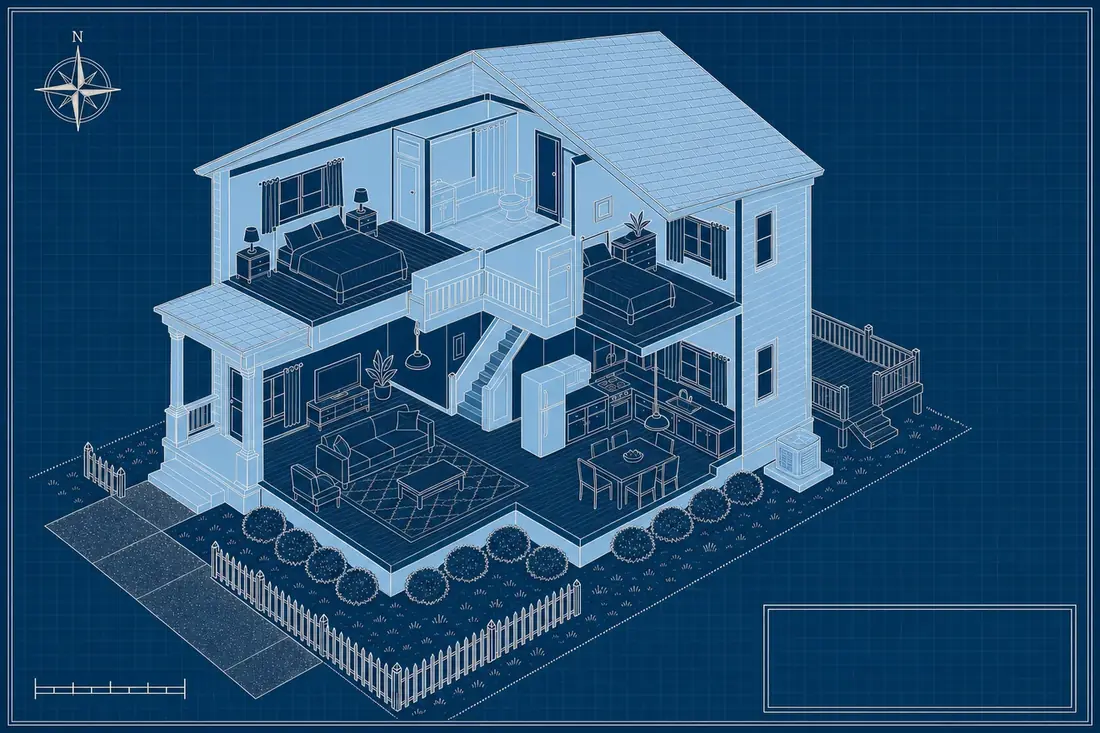
Watch a log cabin rental get built and classified A hypothetical $600,000 three-bedroom log cabin goes up floor by floor, from the gravel drive and foundation to the game loft and the hot tub on the deck. Every component lands on its depreciation schedule as it is installed, and the year-one depreciation adds up on screen. Watch the 90-second walkthrough »The Two-Part Test Under Section 280ASection 280A caps how a rental property is treated once the owner's personal use crosses a line. The test is the greater of two numbers: 14 days, or 10% of the number of days the property was actually rented out at a fair rental price during the year. Whichever number is bigger sets the threshold for that property, for that year. This is a counting rule, not a percentage of time or a feeling about how much the owner uses the place. It runs on actual days, tallied against actual rented days for the same twelve months. The comparison resets every tax year; a property that stayed under the threshold last year is not automatically under it this year if the rental pattern changes. The threshold looks at calendar days, not partial days or hours. A single overnight stay, even if the owner arrives late and leaves early the next morning, generally counts as one full personal-use day under the standard counting method. 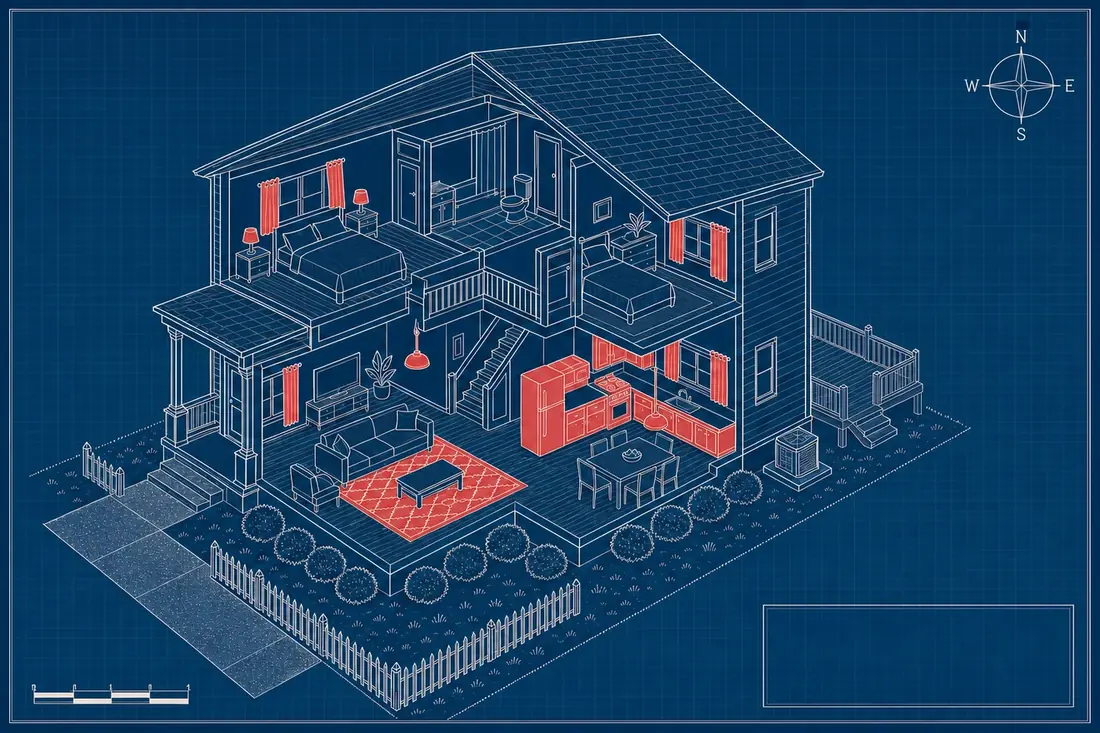
5-Year: carpet and flooring, cabinets, appliances, light fixtures, curtains 7-Year: furniture 15-Year: driveway, fencing, landscaping, deck 27.5/39-Year Shell: roof, load-bearing walls, foundation, central HVAC Get your free Preliminary Benefit Estimate However the personal-use days shake out, see the study math on the property itself with a free Preliminary Benefit Estimate. Request Your Free Estimate »What Counts as Personal UsePersonal use is broader than "the owner stayed there." It generally includes use by the owner, use by any family member (whether or not rent is paid), and use by anyone else where the rent charged is below a fair rental price for the property. A week where the owner's sibling stays for free counts the same as a week the owner stays personally. Use under a reciprocal arrangement, where the owner uses someone else's property in exchange for that person using the owner's property, also generally counts as personal use, regardless of what rent, if any, changes hands. Owners sometimes assume a favor for a friend or a below-market family rate falls outside these rules; generally it does not, since the test looks at whether fair rental value was actually charged, not at the relationship or the intent behind the stay. A stay by a business partner or a friend who pays nothing is treated the same as a stay by a sibling for this purpose: what matters is whether fair rental value changed hands, not the nature of the relationship. Repair Days: The Exception Owners MissThe exception most owners do not know about: a day spent at the property mainly to perform repairs and maintenance generally does not count as a personal-use day, even if family happens to be staying there at the same time. "Mainly" is the operative word. A weekend where the owner replaces a water heater and patches drywall reads differently than a weekend where the owner does a load of laundry and calls it maintenance. Documentation is what separates the two in practice: what work was done, how much time it took, and whether the trip's primary purpose was the repair itself. A log noting the date, the task, and the hours spent is the kind of record that supports treating a stay as a repair day rather than a personal one. A trip that mixes repair work with a family vacation, painting the deck one afternoon, spending the rest of the week at the beach, is not a repair day under this exception. The day only escapes personal-use treatment when the repair work is genuinely the main reason for being there. The 60-Second Qualifier Four questions. Our engineering team's model shows the estimated first-year acceleration a study of your property would target, free, before you commit to anything. Take the Qualifier »Why the 10% Side of the Test MovesThe 10% side of the test is not fixed. It moves with how many days the property was actually rented at fair value that year. A property rented 200 days a year sets a 10% threshold of 20 days, well above the 14-day floor. A property rented only 100 days sets a 10% threshold of 10 days, below the 14-day floor, so the 14-day number controls instead. That means a slower rental year can tighten the personal-use ceiling even if the owner's actual habits did not change. The comparison runs fresh each tax year against that year's actual rented days, so a property coming off a strong booking year and heading into a slower one can see its own threshold shrink without the owner doing anything differently. How This Interacts With Cost Segregation and the STR ExceptionCrossing the 280A threshold changes how the property's expenses get allocated between personal and rental use. It does not disqualify the property from a cost segregation study; the study still separates land from building and classifies components the same way. It can, however, interact with the passive activity tests covered on the short-term rental tax rule page, since a property with heavy personal use sits in a different position for material participation and for the rental-activity exception itself. Owners who use the property personally on a regular basis, not just occasionally, should look at the vacation-home page for how that mix is handled. None of this changes what the underlying building is worth to a study. A well-documented personal-use count simply tells the owner's CPA how to allocate the expenses that come out of that same building once the study identifies them. Why the Distinction Matters Beyond the Threshold ItselfSection 280A's personal-use test is not just a pass-fail gate. Even below the threshold, the mix of personal and rental days shapes how mortgage interest, utilities, insurance, and depreciation get allocated between the two uses for the year. A property used personally for a handful of days still allocates a small slice of those costs to personal use rather than the rental, even while staying well under the 14-day or 10% ceiling. Above the threshold, the property is treated differently for the year, and more restrictive allocation rules apply, on top of the normal recordkeeping every rental owner needs regardless of personal use. A simple day-by-day calendar, marking rental days, personal days, and repair days as they happen, is the easiest way to keep this straight rather than reconstructing a year's worth of stays after the fact. Frequently asked questionsDo family visits count as personal use days on my Airbnb? Generally yes. Use by a family member counts as personal use whether or not rent is paid, unless the family member pays a fair rental price for the stay, in which case it can be treated differently. What counts as a repair day for the 14-day rule? A day where the principal purpose of the visit is repair and maintenance work generally does not count as personal use, even if the owner stays overnight to do it. The key factor is whether the trip's main purpose was the repair itself, not incidental personal use. Does the 14-day rule change if I rent my Airbnb year-round? The 14-day floor itself does not change, but the 10% side of the test rises with more rented days, and whichever number is larger controls. A property rented heavily all year will often have a 10% threshold well above 14 days. Can I stay at my Airbnb for free and not have it count as personal use? Generally no. A stay at below a fair rental price, including a free stay, is treated as personal use under section 280A regardless of who is staying, unless a specific exception like a bona fide repair trip applies. Does exceeding the 14-day personal use limit stop me from doing a cost segregation study? No. These are separate questions. A cost segregation study classifies the building's components regardless of personal use days; the 280A threshold instead affects how rental expenses are allocated for that tax year. Keep readingGet your free Preliminary Benefit Estimate Send the address or the listing link. We model the number first; you decide with it in hand. Request Your Free Estimate »Educational information, not tax advice. This page describes how federal
depreciation rules and tests work in general. Whether any rule fits your facts is a determination for
you and your CPA. Our study gives your CPA the engineering and the numbers to make that call.
|