|
Cost Segregation for Commercial & Short-Term Rental Owners
|
Request a free estimate [email protected] |
STR Guides
Free Listing SEO Audit Paste your Airbnb or VRBO listing. Get a scored audit in 90 seconds. Audit My Listing »FREE Estimate Is there a first-year deduction sitting in your building? No cost, no obligation. Request Yours »Minimum ROIOur study identifies at least 20x its fee in first-year deductions on commercial property, or at least 30x on a short-term rental, or it is free. |
Does a Property Manager Kill the Short-Term Rental Tax Rule?Quick answer A property manager does not disqualify a short-term rental from the average-stay test, but the manager's hours can disqualify the owner from material participation. The 100-hour test compares the owner's hours to the highest of any other individual involved in running the property, including a property manager, cleaners, and co-hosts. A full-service manager who handles bookings, guest communication, and maintenance calls often logs more hours than the owner, which is what breaks that specific test. That is one of the tests. The check asks the rest. What you own, who runs it, average guest stay, when you bought. Four questions, 30 seconds, and you see the first-year deduction range a study would look for on your rental. No email to see the range. Run the 30-second check »Key takeaways
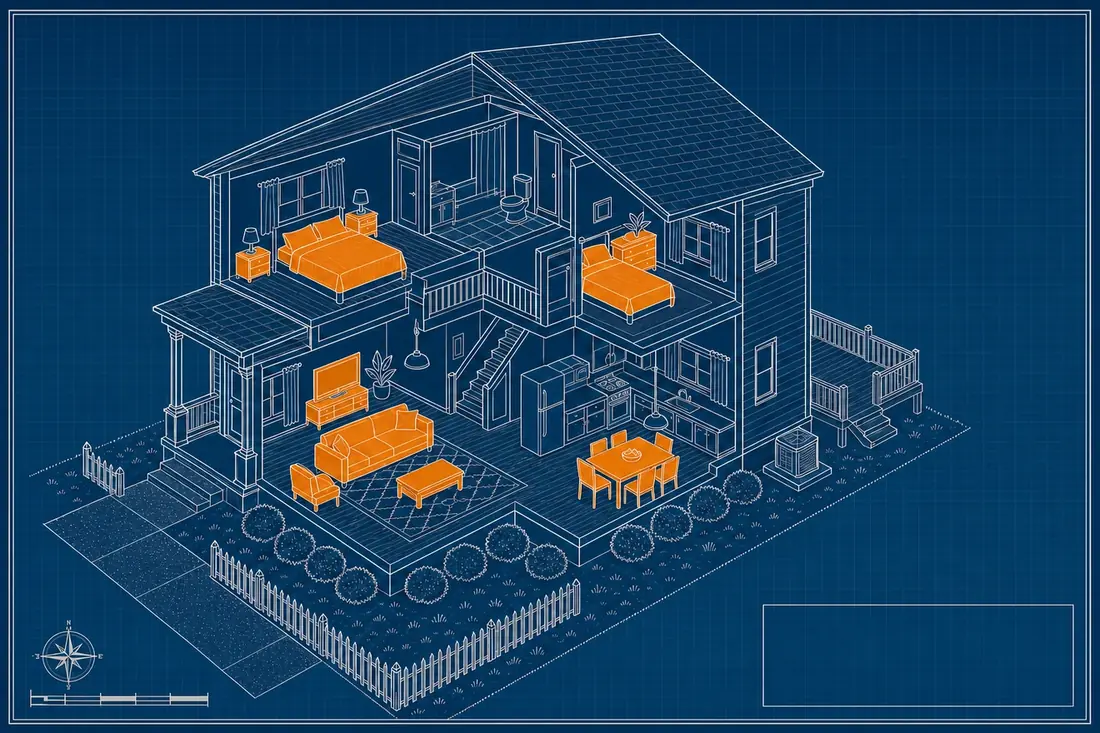
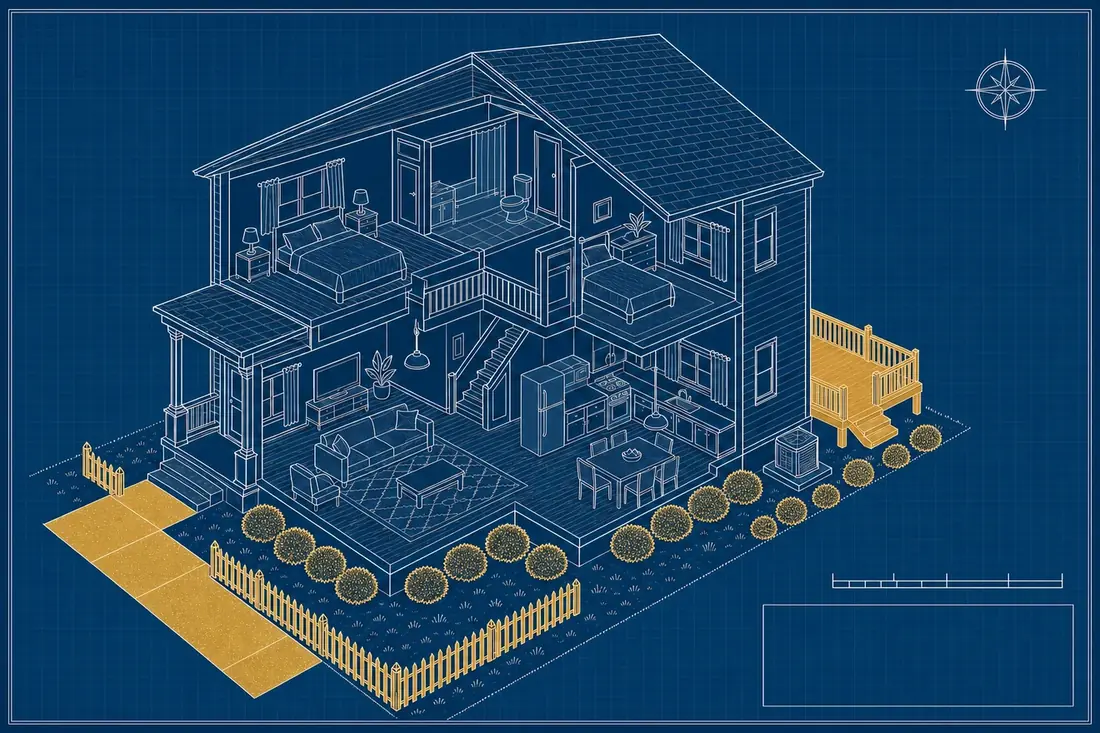
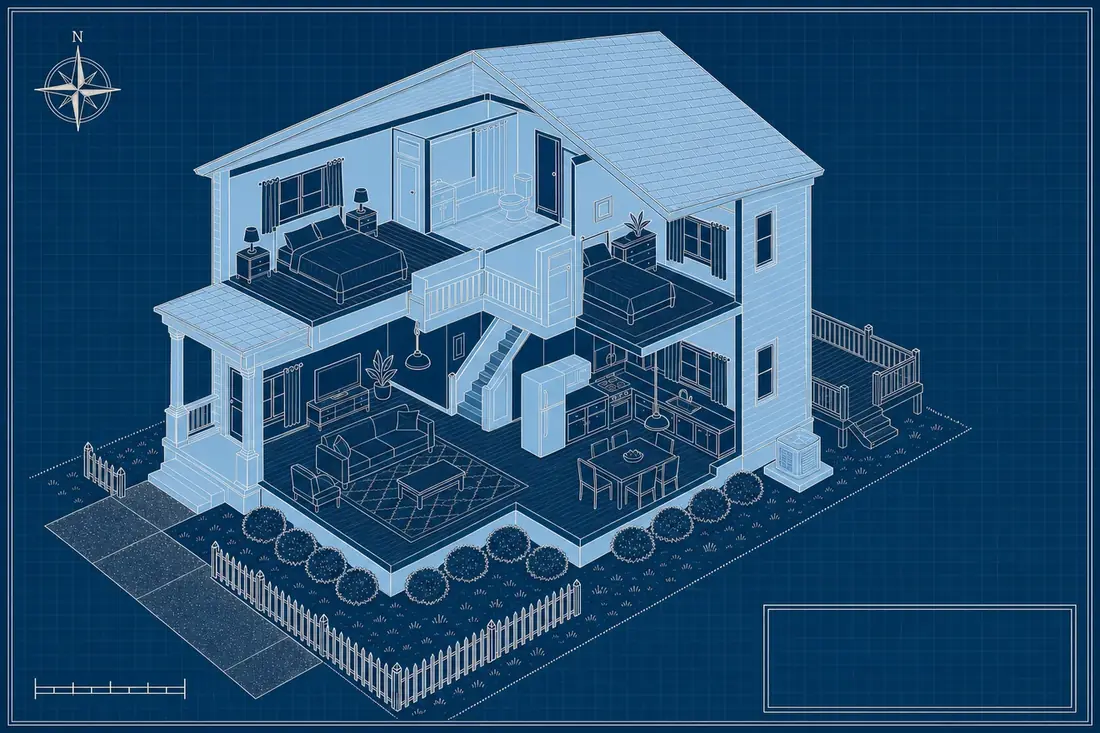
Watch a log cabin rental get built and classified A hypothetical $600,000 three-bedroom log cabin goes up floor by floor, from the gravel drive and foundation to the game loft and the hot tub on the deck. Every component lands on its depreciation schedule as it is installed, and the year-one depreciation adds up on screen. Watch the 90-second walkthrough »Two Separate Questions: Booking Length and Owner InvolvementThese are two different questions, and short-term rental content often runs them together. Whether a property qualifies for the passive-activity exception at all depends on the average-stay test: whether the property's average guest stay across the year runs 7 days or less, covered on the average-stay page. A property manager has nothing to do with that number. Guest stays are guest stays regardless of who manages the calendar. The second question, whether the owner's loss is non-passive once the property clears that gate, depends on material participation, covered in full on the material participation page. That is where a property manager matters, and it is the question this page focuses on. Both questions get decided fresh every tax year, off that year's actual bookings and actual hours. A property that cleared both gates last year does not automatically clear them again if the management setup or the booking pattern changes. See the full short-term rental overview for how these gates fit into the bigger picture. 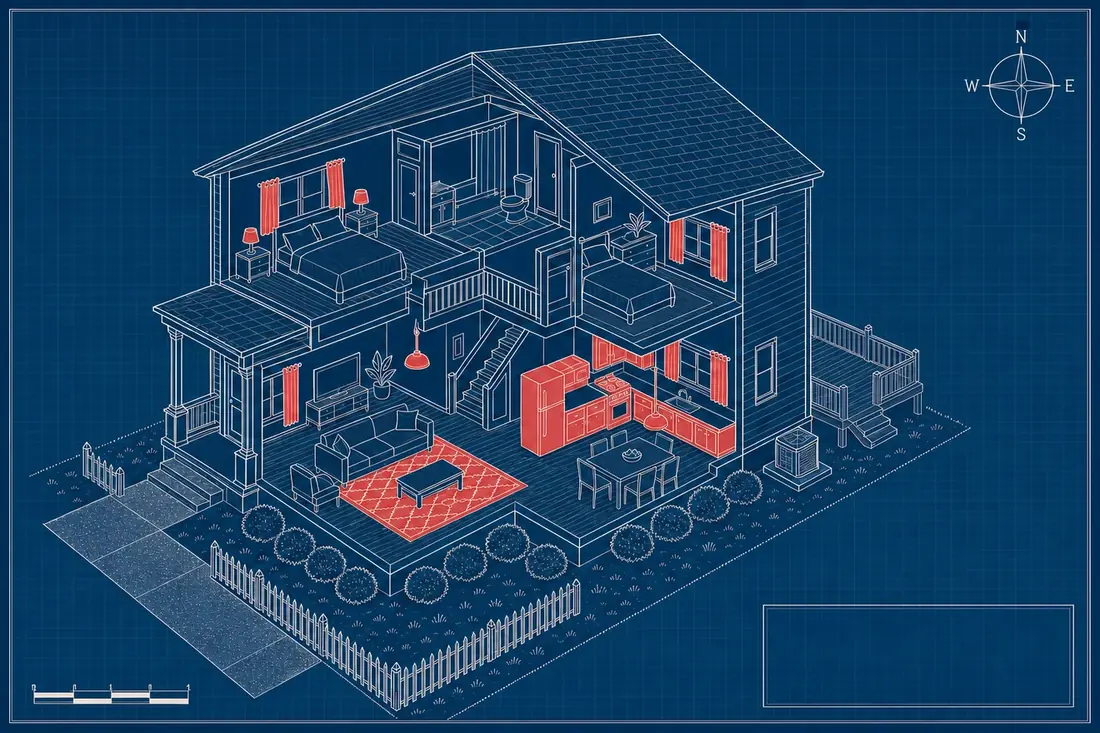
5-Year: carpet and flooring, cabinets, appliances, light fixtures, curtains 7-Year: furniture 15-Year: driveway, fencing, landscaping, deck 27.5/39-Year Shell: roof, load-bearing walls, foundation, central HVAC Get your free Preliminary Benefit Estimate Whatever the management setup, see the reclassification math on the property itself with a free Preliminary Benefit Estimate. Request Your Free Estimate »The 100-Hour Test, Read LiterallyOne common material participation test requires 100 or more hours in the year and more participation than any other individual involved in the activity, including individuals who are not compensated. Read literally, "any other individual" is not limited to other owners. It includes a property manager, a cleaning crew, a co-host, or a maintenance contractor who works on the property regularly. If the property manager's hours for the year exceed the owner's hours, the owner fails this specific test, even if the owner personally cleared 100 hours. The comparison is not against a general standard; it is against the actual highest hour total logged by any one other individual connected to that property that year. It is not against a rough sense of who works harder either. It is against actual logged hours for every individual connected to the property that year, which is exactly why casual assumptions about the manager barely doing anything, or the owner doing most of the work personally, tend to fall apart once someone actually adds up the calendar entries. What a Full-Service Manager Actually Does to the MathA full-service property manager typically handles guest messaging, booking coordination, pricing adjustments, cleaning scheduling, and the first call on maintenance issues. Add up scheduling calls, guest texts, listing updates, and coordinating turnovers across a busy calendar, and those hours accumulate fast, often faster than an owner checking in occasionally realizes. The manager doing the job well is exactly what makes the owner's own hours look small by comparison. This is not a reason to avoid full-service management. It is a reason to know, before assuming a loss will be non-passive, that the hours comparison is real and specific to that property's actual staffing. An owner who wants both the convenience of a manager and a shot at material participation needs to think about which test fits the actual division of labor, not just assume the 100-hour test will work out. The 60-Second Qualifier Four questions. Our engineering team's model shows the estimated first-year acceleration a study of your property would target, free, before you commit to anything. Take the Qualifier »The Two Tests That Do Not Depend on ComparisonThe 100-hour-and-comparison test is not the only route. Two other tests exist and do not depend on comparing hours to anyone else. The 500-hour test asks only whether the owner personally logged 500 or more hours in the year, regardless of what anyone else did. The substantially-all-participation test asks whether the owner's participation made up substantially all the participation in running the activity that year, by anyone. An owner working with a manager who still does 500-plus hours of their own work, sourcing furnishings, handling upgrades, managing the manager, can potentially clear material participation through that test instead, without needing to win a comparison against the manager's hours. Both of these tests still require real, documented time, not a rough guess at year-end. Neither test requires firing the manager. They require the owner's own time, spent on things like guest communication, pricing strategy, sourcing furnishings, or larger maintenance decisions, to independently clear 500 hours or to make up substantially all the participation, regardless of what the manager also does. Self-Managed, Light-Touch, and Full-Service: Three Common SetupsThree common setups look different under these tests. A fully self-managed property, where the owner personally handles bookings, guest communication, and turnovers, tends to generate the most owner hours and the fewest competing hours from anyone else. A light-touch setup, a local co-host or occasional cleaning help with the owner still handling guest communication and decisions, usually keeps the owner's hours ahead of any one helper's. A full-service management arrangement, where a company runs the calendar, the guest relationship, and maintenance dispatch end to end, is the setup most likely to put another individual's hours ahead of the owner's. None of these setups changes whether a cost segregation study applies, since the study runs on the building, not on who manages the calendar. What it changes is which material participation test, if any, the owner's actual year clears, a question that runs on real hour records, not on which setup sounds more hands-on. An owner weighing convenience against these tests is weighing a real, specific tradeoff, not a hypothetical one. Documenting Hours for Any of the Three TestsWhichever test an owner is aiming for, the hours need to be real and recorded, not reconstructed from memory in April. A simple log noting the date, the task, and the time spent, booking calendar management, guest messages answered, supply runs, coordinating a repair, builds the record a CPA needs to apply any of the three tests to that year's actual facts. The same log also makes it possible to see, partway through the year, whether the property is on track to clear 500 hours, or whether the manager's hours are outpacing the owner's well before December forces the question. A CPA reviewing the year's records at tax time works from whatever log exists; a thin or reconstructed log makes any of the three tests harder to support, regardless of which one actually fits the owner's real involvement. Frequently asked questionsDo cleaners count against me in the 100-hour material participation test? Yes, if they are regularly involved in running the property. The 100-hour test compares the owner's hours to the highest of any other individual involved, and a cleaning crew's hours count in that comparison the same as a property manager's would. Can I still materially participate if I use a co-host? Potentially, depending on the hours split. If the co-host's hours exceed the owner's, the 100-hour comparison test fails, but the owner may still clear material participation through the 500-hour test or the substantially-all-participation test instead. Does a property management company disqualify a short-term rental from cost segregation? No. A cost segregation study classifies the building's components and runs independently of who manages the property. Management setup only affects the separate material participation tests used for the passive-activity rules. What hours count toward the owner's material participation total? Time spent managing bookings, communicating with guests, coordinating maintenance and turnovers, sourcing furnishings, and making operating decisions generally counts. Records showing what was done and how much time it took support the total. Is there a way to keep a property manager and still materially participate? Yes, generally through the 500-hour test or the substantially-all-participation test, both of which do not depend on comparing hours to the manager. An owner who stays heavily involved in decisions and operations can potentially clear one of those tests. Keep readingGet your free Preliminary Benefit Estimate Send the address or the listing link. We model the number first; you decide with it in hand. Request Your Free Estimate »Educational information, not tax advice. This page describes how federal
depreciation rules and tests work in general. Whether any rule fits your facts is a determination for
you and your CPA. Our study gives your CPA the engineering and the numbers to make that call.
|