|
Cost Segregation for Commercial & Short-Term Rental Owners
|
Request a free estimate [email protected] |
Qualification
FREE Estimate Is there a first-year deduction sitting in your building? No cost, no obligation. Request Yours »Minimum ROIOur study identifies at least 20x its fee in first-year deductions on commercial property, or at least 30x on a short-term rental, or it is free. |
When Is Cost Segregation Not Worth It?Quick answer Cost segregation is not worth it when the same tests that make it valuable are missing. Ten situations show up often: no passive income to absorb a suspended loss, a sale inside two or three years with no 1031 plan, a basis too small to clear our 20x guarantee floor, a property that is mostly land, and facts that give a study no work to do this year. In each case the mechanics say wait or skip it, not that a study cannot exist. See this applied to your building. A few questions, 30 seconds. You see which tests matter and the first-year deduction range a study would look for. No email to see the range. Run the 30-second check »Key takeaways
Steven's Take I put ten reasons not to do this on the site because a study that cannot clear our own guarantee floor should never get sold, and I would rather lose the fee than earn a bad one. No passive income to absorb a loss, a sale in two or three years with no 1031 plan, a basis too small, mostly land, no work left for a study to do this year. Any one of those means wait or skip it, not that the mechanics stop existing. I built the guarantee around this list, not around getting to yes. Steven Ellis, Founder The Same Tests, Run in Both DirectionsA cost segregation study is a mechanical exercise: an engineer classifies what is already built into a property, land excluded first, into 5-year, 7-year, 15-year, and 39-year or 27.5-year schedules. Separately, section 469's passive activity rules and a handful of other mechanical tests decide when the resulting deduction can actually be used, and whether the fee is worth paying at all. The same tests that make a study valuable for one owner are why it does nothing for another, at least not this year. The 60-second qualifier at our estimate tool runs a version of these tests before an owner pays anything. Below are ten real situations where an honest specialist says wait, names a mechanic that limits the benefit, or where the answer is: we decline. Ordered by how often they actually come up. 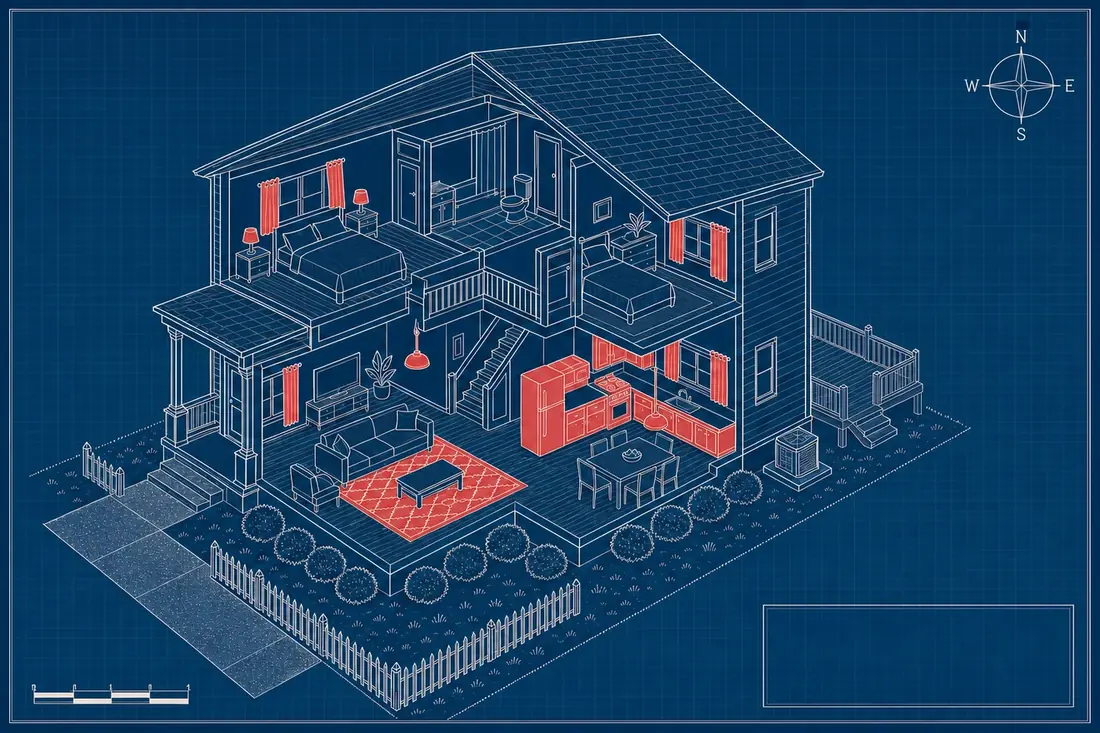
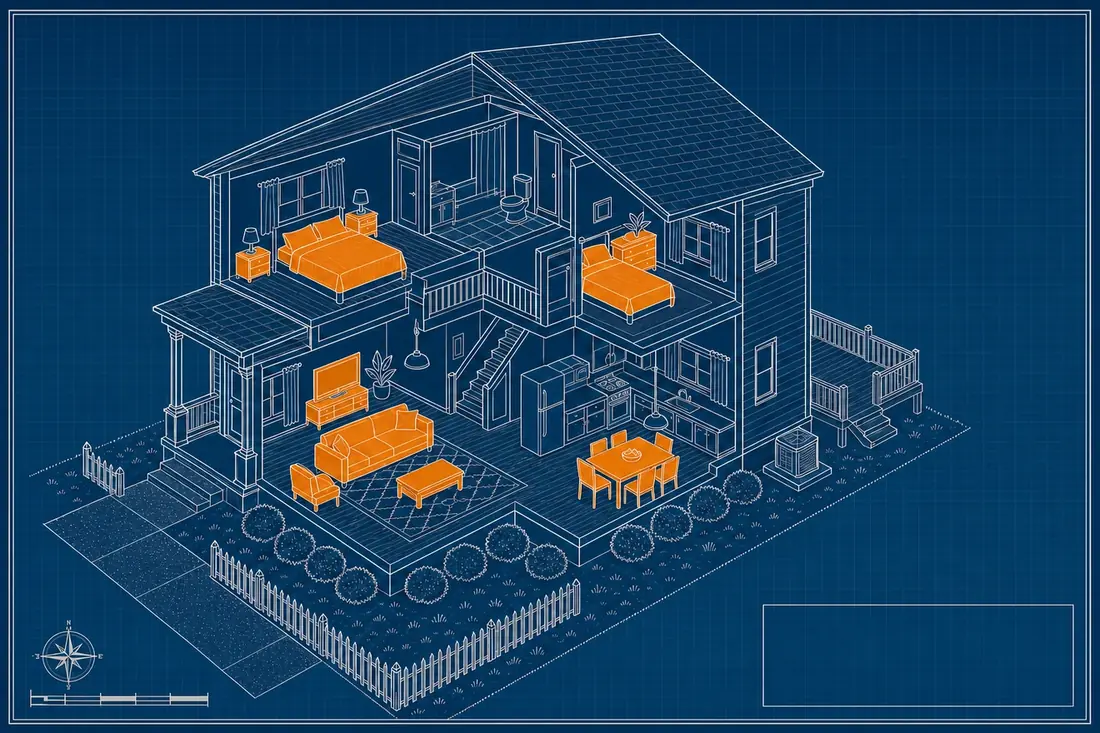
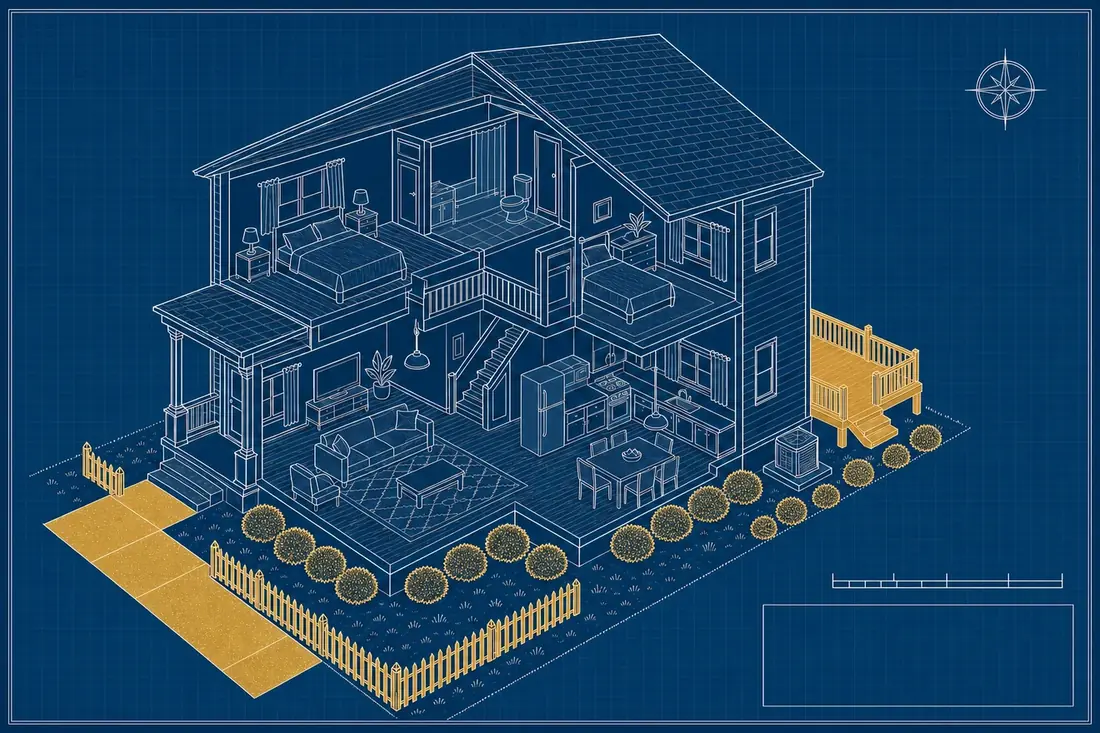
5-Year: carpet and flooring, cabinets, appliances, light fixtures, curtains 7-Year: furniture 15-Year: driveway, fencing, landscaping, deck 27.5/39-Year Shell: roof, load-bearing walls, foundation, central HVAC Get your free Preliminary Benefit Estimate See whether any of these ten cases fits this property before a fee ever changes hands. Request Your Free Estimate »When the Timing or the Math Says Wait1. A fully manager-run rental with no passive income and no real estate professional status. Rental losses are passive by default under section 469. Getting a loss to count against other income takes real estate professional status (750-plus hours in real property trades, more than half the owner's working time, plus material participation), the short-term rental exception (average stay of 7 days or less, plus material participation), or passive income elsewhere to absorb the loss. An owner with a full-time job outside real estate and a full-service property manager handling leasing and maintenance typically fails all three. The job rules out real estate professional status, and the manager's hours, which count against the owner under the common 100-hour test, usually rule out the short-term rental path too. The loss does not vanish. It suspends under section 469, carries forward, and generally releases when the property sells in a full taxable sale. 2. A sale planned inside two or three years with no 1031 exchange intent. A study's deductions and the recapture a sale eventually triggers land close together on a short hold. Gain on 5- and 7-year personal property recaptures at ordinary rates; straight-line depreciation on the real property is unrecaptured section 1250 gain, taxed at up to 25%. Most of a study's value on a longer hold comes from time value, a deduction now beating the same deduction in year fifteen, and a short window compresses that gap. The math on a short hold runs tightest for an owner who knows the sale date, expects a similar rate at sale, and has no 1031 exchange planned. Known exchange intent changes this, since a qualifying exchange defers the recapture a straight sale would trigger. 3. A basis too small for the fee to clear our own guarantee floor. Our study identifies at least 20 times its fee in first-year deductions on commercial property, or at least 30 times on a short-term rental, or it is free. Our four commercial benchmark runs came in at 24:1 to 67:1; the one delivered STR study ran 135:1. At a low enough building basis, an engineered analysis still carries a real cost that does not shrink to zero just because the building is small. When our own projection cannot clear the 20x or 30x floor, we decline rather than take a fee that cannot earn its keep. That is not a sales line. It is the guarantee working as designed. When the Property Itself Rules It Out4. A property that is mostly land value. Land never depreciates. Only the building and its improvements do, and land value is excluded first in every study, before any component gets classified into a faster schedule. A property where land makes up an unusually large share of the purchase price leaves a proportionally smaller building basis to work with, regardless of the price paid. See how land gets carved out from building basis and the underlying county-level land-to-improvement ratio data for how much that split moves the number on real parcels. 5. A 30-day mid-term rental with no other section 469 exit available. The short-term rental exception under Reg. 1.469-1T(e)(3)(ii) requires an average guest stay of 7 days or less. A mid-term rental built around 30-day stays, the travel-nurse and corporate-housing model, fails that average by a wide margin, which takes the exception off the table entirely. The property falls back to ordinary rental treatment under section 469, usable only through real estate professional status or passive income elsewhere. Without one of those two exits, the mechanics here run the same as case 1 above. 6. An owner about to move into the property as a primary residence. Depreciation, accelerated or not, applies only to property used in a rental or business. The moment a property converts to a personal residence, it stops generating the rental use a study's deductions depend on. An owner planning that move soon is paying for engineering work sized around years of business use that will not happen. Where meaningful rental use remains before the conversion date, that timing question is worth working through directly. The 60-Second Qualifier Four questions. Our engineering team's model shows the estimated first-year acceleration a study of your property would target, free, before you commit to anything. Take the Qualifier »When the Deduction Has Nowhere to Land This Year7. A syndication limited partner with no passive income to shelter. An LP has no operating role and will not clear material participation or real estate professional status on that investment. That is not a problem when the LP has passive income elsewhere, since a passive loss can offset passive income with no hours test at all. An LP with no other passive income anywhere on the return is in the same spot as case 1: the loss suspends and waits, for a future distribution, a new passive investment, or the eventual sale of the property. 8. A personal-use-heavy vacation home limited by section 280A. Section 280A limits deductions once personal use exceeds the greater of 14 days or 10% of the days rented at fair value. Past that threshold, deductible expenses are generally capped at the rental income the property produced, and the disallowed excess carries forward rather than creating a current loss. A property with heavy owner and family use sits closer to this cap than a purely rented one, which narrows how much of a study's deduction actually clears that year. 9. Current-year income that gives the deduction no work to do. A study does not invent new depreciation. It moves deductions that would otherwise trickle out over 39 or 27.5 years into the current year instead. An owner whose current-year income is already low, a slow year, or a year already offset by other deductions, has less for a large first-year acceleration to immediately do. Where the loss is passive, the unused portion suspends under section 469 the same as cases 1 and 7. Where the loss is already non-passive but exceeds the owner's other income for the year, the excess becomes part of a net operating loss, carried forward under its own separate rules. Either way, nothing is lost. It is just early for a year that cannot use all of it. When the Position Can't Be Backed Up10. An owner who wants the deduction but refuses documentation. Every path off the passive-loss default, real estate professional status, the short-term rental exception, material participation generally, is an hours-and-facts test, proven with records: calendars, booking logs, time logs, cleaner and manager schedules. Our audit defense covers the engineering behind the report, the classifications and the workpapers, not an hours claim nobody documented. An owner unwilling to keep the records a material participation position requires is asking for a position that cannot be substantiated under exam. We say so before the engagement starts, not after. Why We Say This PlainlyEvery one of these ten cases is a mechanical test, not a judgment call about any one owner. The same passive activity rules, average-stay math, land-value split, and guarantee floor that rule out a case above are what our 60-second qualifier checks before anyone pays a dollar. That is by design. An estimate that only ever says yes is not an estimate. It is a sales pitch wearing an estimate's clothes. The guarantee is easiest to verify: our study identifies at least 20 times its fee in first-year deductions on commercial property, or at least 30 times on a short-term rental, or it is free. We decline studies our own projection shows will not clear that floor, the same reason we say the other nine cases plainly instead of hoping they quietly resolve on their own. Whether any of the ten fits a specific property is worth checking before a fee changes hands. The qualifier takes 60 seconds and answers it either way. Frequently asked questionsDoes Basis ever decline to do a cost segregation study? Yes. The guarantee ties the fee directly to the result: at least 20 times the fee in first-year deductions on commercial property, or at least 30 times on a short-term rental, or it is free. When our own projection shows a property will not clear that floor, we decline rather than take a fee the numbers cannot support. The free estimate is what surfaces this before any commitment. Can a 30-day rental ever qualify for the short-term rental tax exception? Only if the average guest stay across the year is 7 days or less. A rental built around 30-day stays, common with travel-nurse and corporate housing, typically fails that average by a wide margin, which takes the short-term rental exception off the table. The property then falls back to ordinary passive rental rules, usable through real estate professional status or passive income elsewhere. Does moving into a rental property stop its depreciation? Depreciation applies to property used in a rental or business, not to a personal residence. Once a property converts to a primary residence, it stops generating the business use a study's deductions are built around going forward. An owner planning that move soon is paying for engineering sized around years of rental use that will not happen after the conversion. What documentation does material participation actually require? Records showing hours and who did the work: booking calendars, guest message logs, cleaning and maintenance schedules, time logs. The tests themselves, 500 hours, substantially all the participation, or 100 hours and more than anyone else involved, are hours-and-facts questions, and hours get proven with contemporaneous records, not a recollection at tax time. If a suspended loss never gets passive income to offset, is it gone? No. A suspended passive loss carries forward indefinitely under section 469 until passive income appears to absorb it, and it generally releases in full in the year the property is disposed of in a full taxable sale. Neither outcome requires the owner to do anything differently in the meantime; the mechanism runs on its own. Keep readingGet your free Preliminary Benefit Estimate Send the address or the listing link. We model the number first; you decide with it in hand. Request Your Free Estimate »Educational information, not tax advice. This page describes how federal
depreciation rules and tests work in general. Whether any rule fits your facts is a determination for
you and your CPA. Our study gives your CPA the engineering and the numbers to make that call.
|