|
Cost Segregation for Commercial & Short-Term Rental Owners
|
Request a free estimate [email protected] |
How It Works
FREE Estimate Is there a first-year deduction sitting in your building? No cost, no obligation. Request Yours »Minimum ROIOur study identifies at least 20x its fee in first-year deductions on commercial property, or at least 30x on a short-term rental, or it is free. |
Land Value vs. Building Basis: Why the Split Comes FirstQuick answer Land never depreciates. Only the building and its improvements do, so every cost segregation study starts by subtracting land value from the purchase price before anything gets classified. That split usually comes from the county assessor's land-to-improvement ratio, a formal appraisal, or an allocation written into the purchase agreement. A bigger land allocation shrinks the depreciable building basis, which shrinks the pool of costs a study has left to reclassify into faster schedules. See this applied to your building. A few questions, 30 seconds. You see which tests matter and the first-year deduction range a study would look for. No email to see the range. Run the 30-second check »Key takeaways
Why land gets carved out before anything else happensLand does not wear out. It is not consumed by use the way a roof, an HVAC system, or carpet is, so the tax code allows no depreciation deduction on it at all. Before a cost segregation study can classify anything into 5-, 7-, or 15-year buckets, it first has to know what the depreciable building basis actually is, meaning the purchase price minus whatever portion of that price paid for the dirt underneath the building. That subtraction happens first, and it happens outside the classification work itself. Everything downstream, the reclassification of components into what gets reclassified in a cost segregation study, the 5-, 7-, and 15-year buckets, the bonus-eligible share, all of it is a percentage of the building basis that is left after land comes out. Get the land number wrong and every number after it is wrong too. 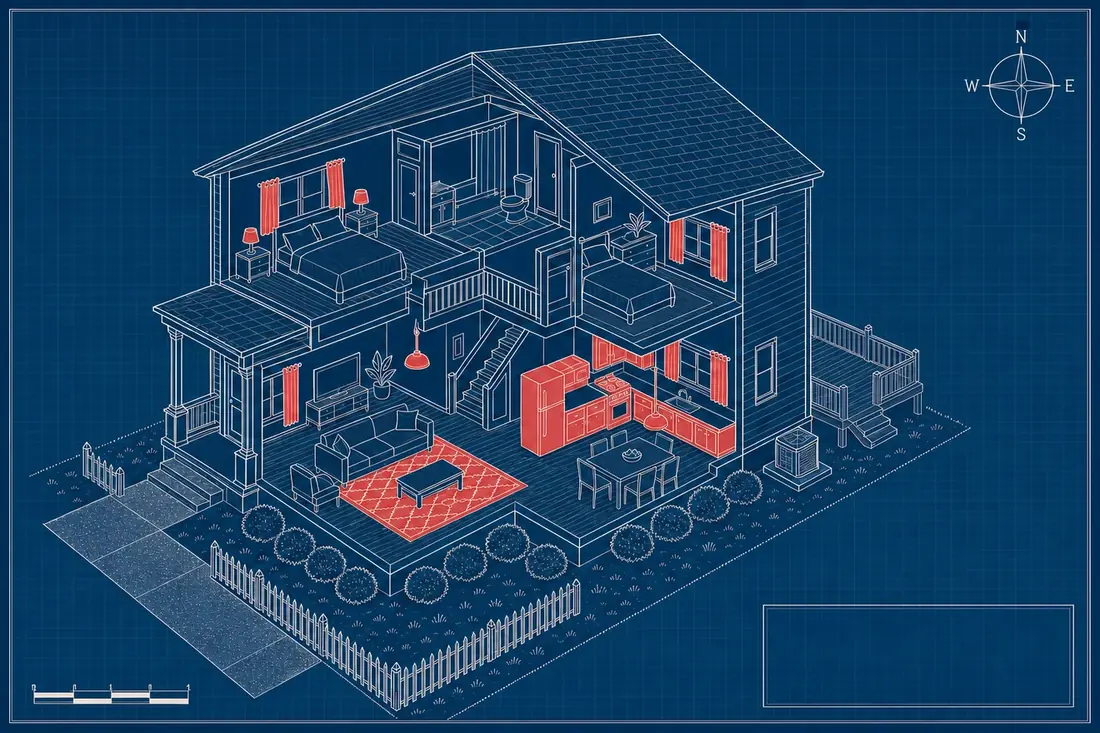
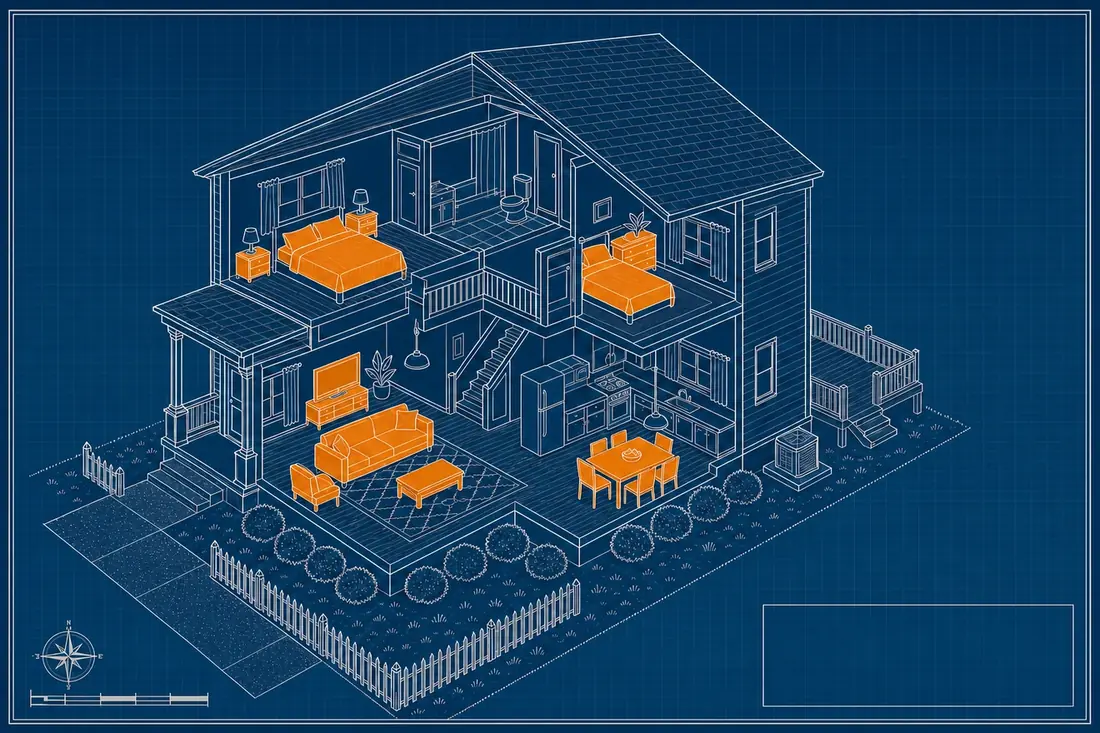
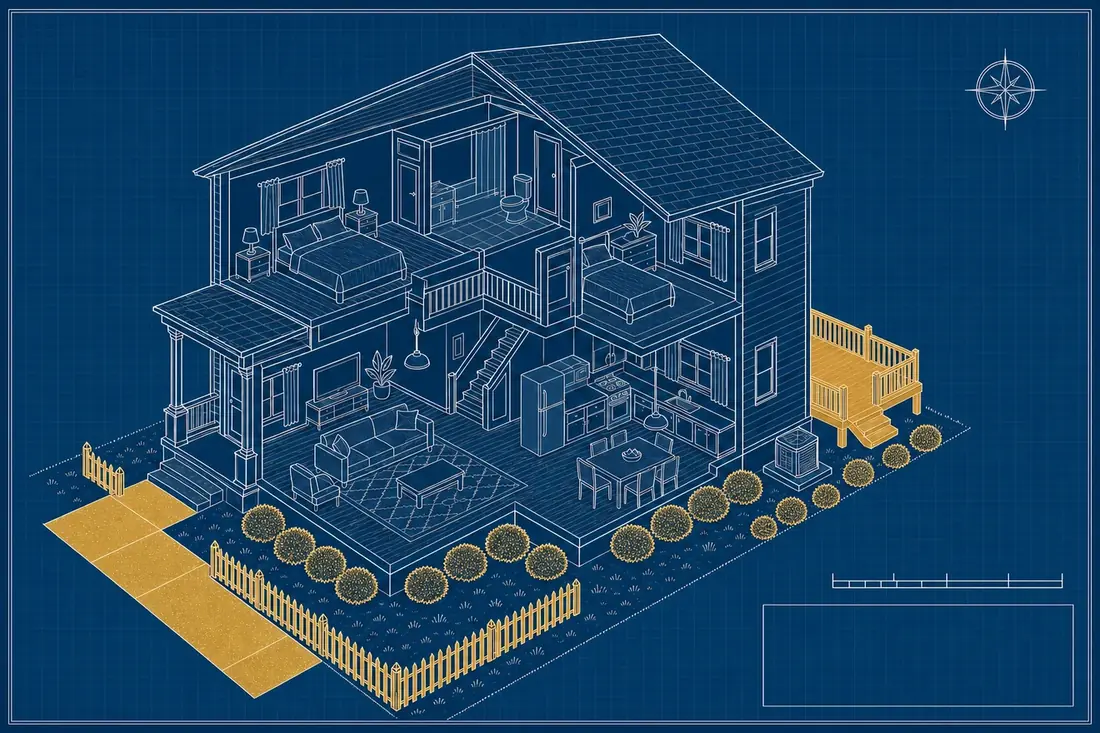
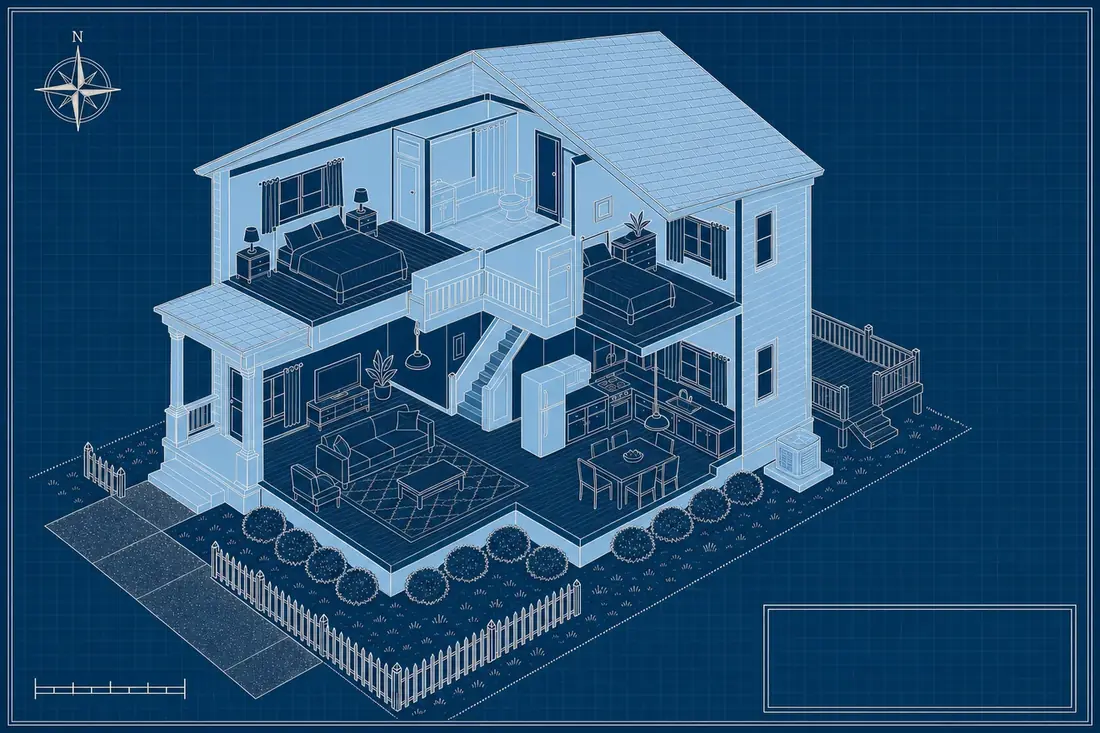
5-Year: carpet and flooring, cabinets, appliances, light fixtures, curtains 7-Year: furniture 15-Year: driveway, fencing, landscaping, deck 27.5/39-Year Shell: roof, load-bearing walls, foundation, central HVAC Get your free Preliminary Benefit Estimate Run the free 60-second qualifier at /qualify to see your building's likely first-year number, land value already netted out. Request Your Free Estimate »How the split actually gets madeThree sources typically set the land-to-building ratio on a given property. The most common is the county assessor's own split: property tax records usually carry a separate assessed value for land and for improvements, and that ratio (say, 20% land, 80% improvement) can be applied to the purchase price. The second is a formal real estate appraisal that states a specific land value as part of its valuation. The third is an allocation schedule attached to the purchase agreement itself, sometimes formalized on an asset acquisition statement when a business and its real estate change hands together. A cost segregation study does not perform an independent land appraisal. It inherits whichever land value the property already has, usually the assessor's ratio, and treats everything remaining as the depreciable basis subject to reclassification. Why the ratio you use changes every number downstreamConsider the free-standing restaurant benchmark run: a $2,804,440 building basis (land already excluded) that produced $599,678 in first-year deductions against a $9,000 fee, a 66.6-to-1 ratio. That entire chain starts from a building basis figure that already has land netted out. If the land allocation on that same purchase had been set 10 percentage points higher, the building basis, and every dollar figure that follows it, would have been smaller from the first step. The land split is not a footnote. It is the number every other number in the study is a percentage of. A study typically shifts about 15 to 35% of building basis into faster schedules, varying by property type, restaurants running at the high end and simple shells at the low end. That percentage applies to whatever building basis survives the land subtraction, so an inflated land value quietly caps the deduction before the engineering work even starts. The medical clinic benchmark run, with a $1,404,500 building basis, produced $241,839 in first-year deductions on a $10,000 fee, a 24.2-to-1 ratio. That building basis figure is smaller relative to the restaurant example above partly because clinics carry less 5- and 7-year equipment density, and partly because whatever land ratio applied to that specific parcel had already set the ceiling on what basis was available before classification started. Two buildings can sit on similar-priced land in similar markets and still end up with different depreciable bases if their land-to-improvement ratios were set differently at the outset. The 60-Second Qualifier Four questions. Our engineering team's model shows the estimated first-year acceleration a study of your property would target, free, before you commit to anything. Take the Qualifier »Assessed ratio vs. market ratio: a common mismatchCounty assessments do not always track current market conditions. In markets where land values have moved faster than a county's assessment cycle, the assessed land-to-improvement ratio can understate or overstate what a current appraisal would show. A property purchased well above its assessed value, common in appreciating markets, may need its land ratio checked against a current appraisal rather than an outdated tax record, since applying an old ratio to a new price can distort the split either direction. This is a question worth raising with the property's appraiser or the owner's CPA before a study locks in a basis, not something the engineering side of a study is positioned to resolve on its own. The study works from whatever land figure it is handed. What happens when there is no existing allocationNew construction, a raw land purchase with a building added later, or a deal that closed without a clean purchase-price allocation each present the same problem: there is no ready-made land ratio to inherit. In new construction, the land cost is usually documented separately from the hard construction costs on its own line, since the two are typically paid for and tracked through different channels from the start. Where an existing building changed hands with no allocation on record, the current county assessment ratio is the most common fallback, applied to the purchase price the same way it would be on any acquisition. What does not happen is a study inventing a land value from scratch based on the reclassification math it wants to produce. The land number has to come from an independent source, an assessment, an appraisal, or a documented allocation, before the classification work has anything to classify against. Where the split shows up in your estimateA free Preliminary Benefit Estimate models the likely first-year acceleration for a specific building before any commitment. When a closing statement or a current tax assessment already states a land value, the estimate can work from that ratio directly instead of estimating one. The 60-second qualifier at /qualify starts that process, and the same building-basis math that runs through the benchmark runs above runs through your estimate too, land value netted out first, reclassification percentage applied second. Whether a given land allocation is the right one for a specific return is a question for the property's CPA or appraiser. What the estimate shows is the number the mechanics produce once that allocation is set. Frequently asked questionsDoes a cost segregation study set the land value itself? No. A study inherits the land-to-building split that already exists on the property, usually from the county assessor's ratio, a formal appraisal, or the purchase agreement, and applies its classification work to whatever building basis is left after land comes out. What if the county's assessed land ratio looks outdated? That is a question for the property's appraiser or CPA, since assessed ratios do not always track current market conditions. A current appraisal can support a different split than an old tax assessment, and that decision sits outside the engineering work of the study itself. Does a bigger building always mean a smaller land percentage? Not necessarily. Land-to-building ratios vary by market and lot size, dense urban parcels often carry a higher land percentage than a large suburban site with the same building footprint, so there is no fixed rule tying building size to land share. If land doesn't depreciate, do things sitting on the land, like paving, still count? Yes. Land itself never depreciates, but land improvements sitting on it, paving, curbs, fencing, landscaping, exterior lighting, are a separate category that lands in the 15-year bucket. See site improvements and 15-year property for the full list. Where does the land split show up in a free estimate? The Preliminary Benefit Estimate at /qualify works from the building's depreciable basis, land already excluded, to model the likely first-year acceleration. If a closing statement or assessment already states a land ratio, the estimate can use it directly. Keep readingGet your free Preliminary Benefit Estimate Send the address or the listing link. We model the number first; you decide with it in hand. Request Your Free Estimate »Educational information, not tax advice. This page describes how federal
depreciation rules and tests work in general. Whether any rule fits your facts is a determination for
you and your CPA. Our study gives your CPA the engineering and the numbers to make that call.
|