|
Cost Segregation for Commercial & Short-Term Rental Owners
|
Request a free estimate [email protected] |
How It Works
FREE Estimate Is there a first-year deduction sitting in your building? No cost, no obligation. Request Yours »Minimum ROIOur study identifies at least 20x its fee in first-year deductions on commercial property, or at least 30x on a short-term rental, or it is free. |
Is a Roof 5-Year Property?Quick answer No. A structural roof is part of the building shell and depreciates on the 39-year schedule for commercial property or 27.5-year for residential rental, the same as the walls and foundation. A cost segregation study will not move it to 5-year property. Two real mechanics do apply to roofs: section 179 qualified real property lets a nonresidential owner expense a new roof, and a partial asset disposition lets an owner write off the old roof's remaining basis in the year it is torn off. See this applied to your building. A few questions, 30 seconds. You see which tests matter and the first-year deduction range a study would look for. No email to see the range. Run the 30-second check »Key takeaways
Why the misconception existsThe confusion is understandable. Cost segregation moves plenty of a building into faster classes, so it is a natural guess that something as expensive as a roof would be one of them. Some generic online calculators reinforce that guess by lumping components together loosely instead of applying the IRS's own classification framework component by component. A roof is also one of the most expensive single line items on most commercial buildings, which makes owners hope, understandably, that it lands somewhere faster than 39 years. 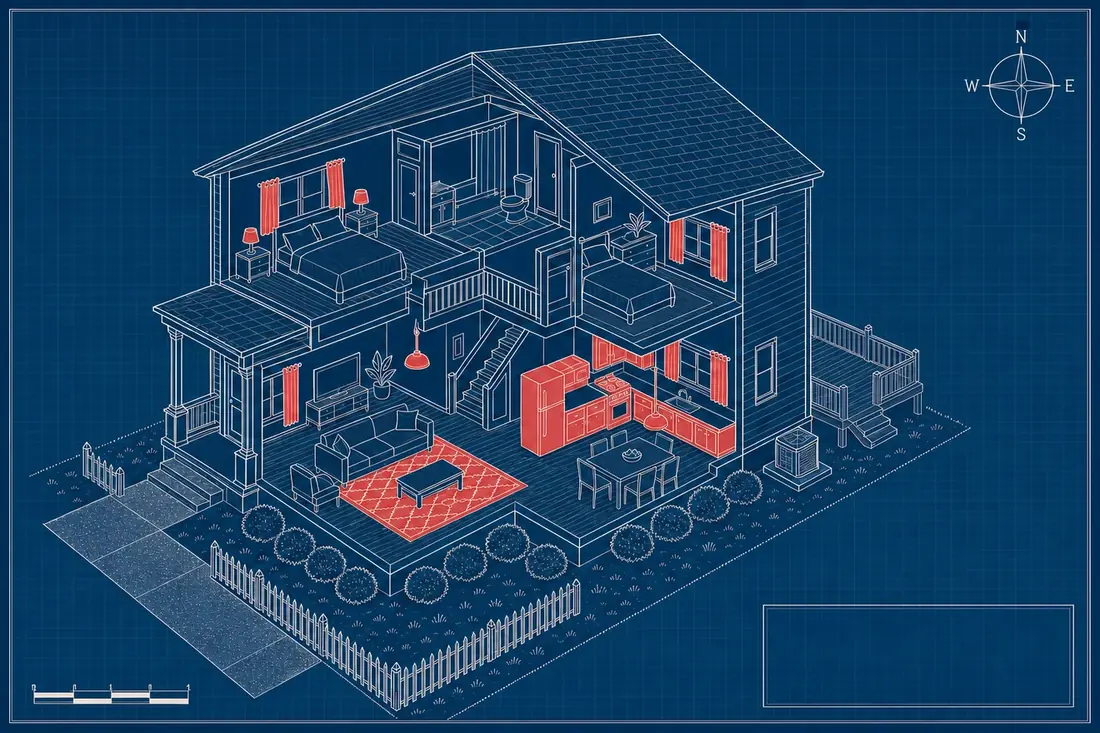
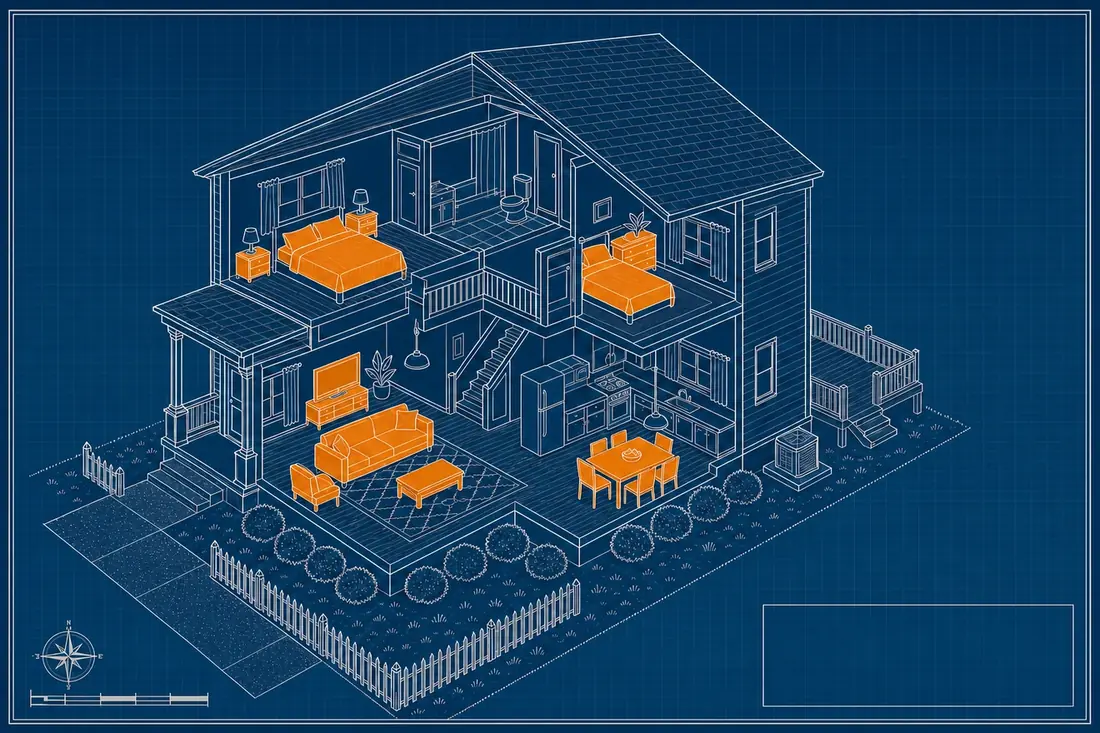
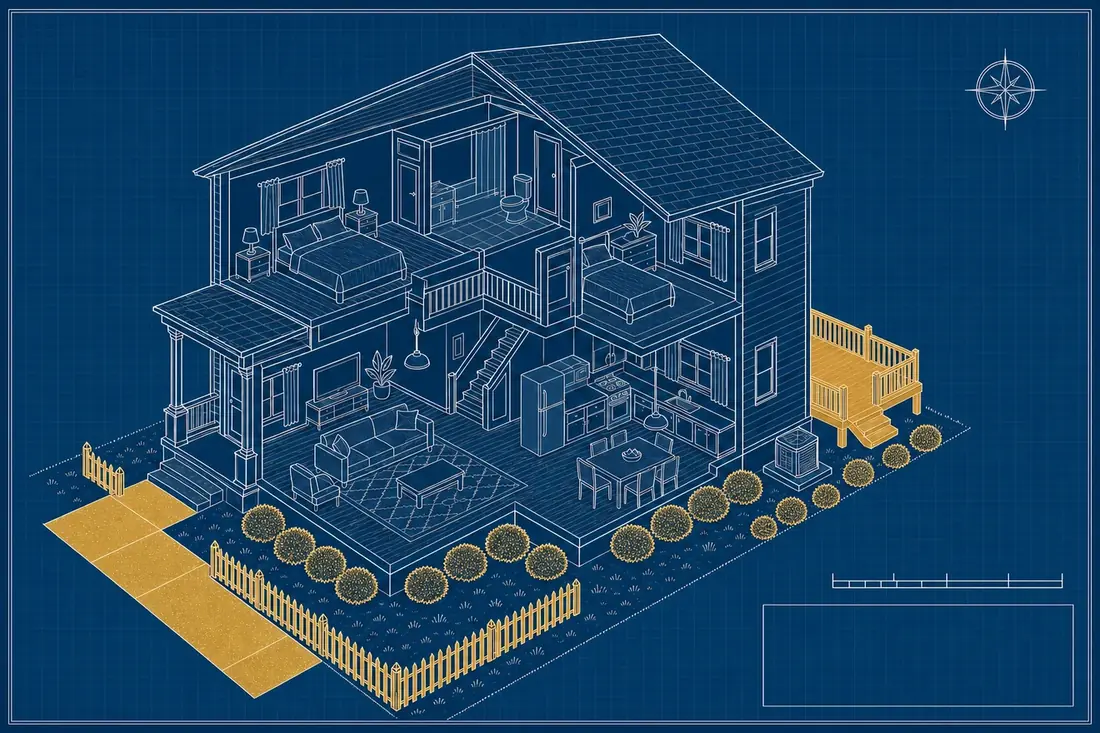
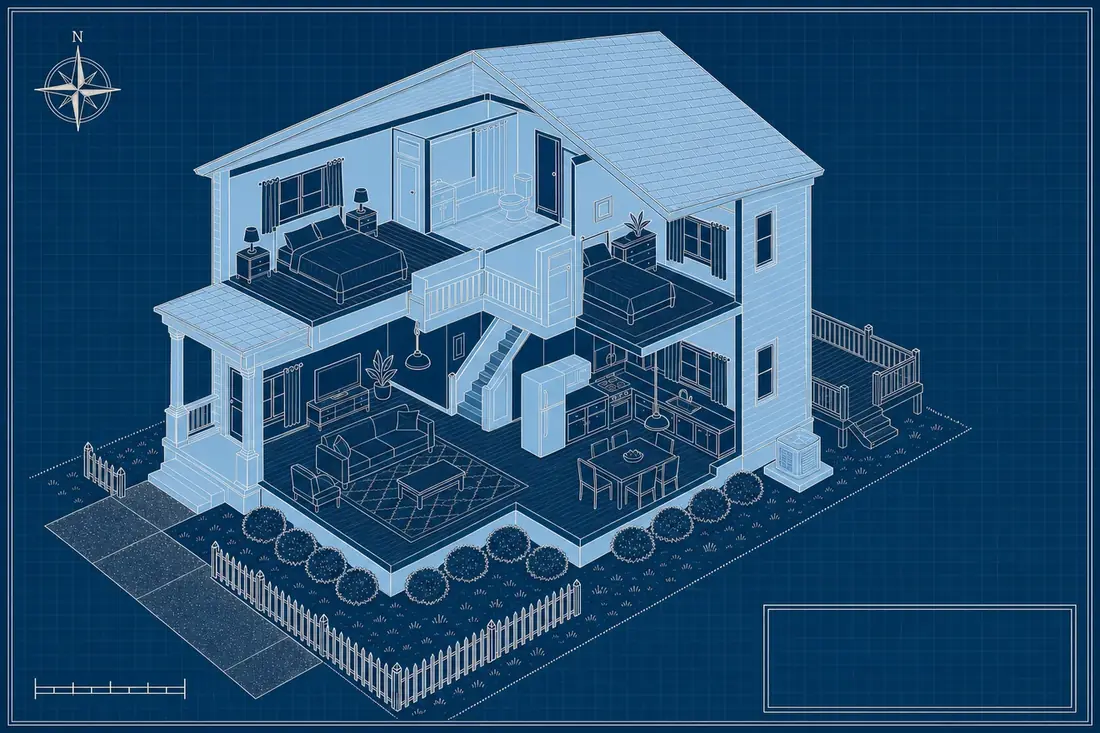
5-Year: carpet and flooring, cabinets, appliances, light fixtures, curtains 7-Year: furniture 15-Year: driveway, fencing, landscaping, deck 27.5/39-Year Shell: roof, load-bearing walls, foundation, central HVAC Get your free Preliminary Benefit Estimate Find out where your building's real 5, 7, and 15-year dollars sit with a free Preliminary Benefit Estimate. Request Your Free Estimate »What a structural roof actually isA structural roof, the deck, framing, and membrane that keep weather out of the building, is part of the building's structural shell. It depreciates on the 39-year schedule for commercial property or 27.5-year for a residential rental, exactly like the foundation and exterior walls. The government's own Audit Techniques Guide (Pub 5653) describes the roof as shell, not personal property. No engineering-based study, run correctly, reclassifies a structural roof into the 5-year class, regardless of the roofing material or how recently it was installed. The real route for a new roof: section 179 qualified real propertyOn nonresidential property, section 179 qualified real property lets an owner expense a roof, along with HVAC, fire protection and alarm systems, and security systems, placed in service after the building was first placed in service, subject to the annual section 179 dollar limits and to business income limits. This route does not apply to residential rental property. It is a separate mechanic from cost segregation entirely; it does not reclassify the roof into a shorter depreciation class, it lets an eligible nonresidential owner expense the qualifying cost directly under section 179 instead. See section 179 on roofs and HVAC for how the mechanics work. The real route for an old roof: partial asset dispositionUnder Treas. Reg. 1.168(i)-8, when a component like a roof is torn off and replaced, the remaining basis of the OLD roof can be written off. That election is available only in the tax year of the replacement. Miss that year and it is gone for good; the old roof's remaining basis stays buried in the building, depreciating for decades, while the new roof stacks on top of it as a fresh asset. See partial asset disposition and what you actually lose by waiting for the full mechanics of that deadline. Whether a specific roof replacement qualifies for either election is a question of the property's facts, and is a determination for the owner's CPA.
The 60-Second Qualifier Four questions. Our engineering team's model shows the estimated first-year acceleration a study of your property would target, free, before you commit to anything. Take the Qualifier »A new roof does not shut cost segregation outEven on a building with a brand-new roof, the rest of the property, flooring, cabinetry, decorative lighting, site paving, landscaping, still reclassifies normally under a cost segregation study. A new roof changes what happens to that one component; it does not change how the rest of the building is classified. Owners sometimes assume a recent roof replacement means there is little left for a study to find, when in practice the roof was never going to be part of the reclassified share to begin with. Why this distinction is where quality shows upClassifying a structural roof as 5-year property is one of the more common overreaches in low-quality cost segregation work. It inflates a study's headline numbers in year one and creates real exposure if an examiner ever reviews the classification against the IRS's own Audit Techniques Guide. A study built to that standard treats the roof as shell every time, and routes the actual roof-related deductions through section 179 and partial asset disposition instead, which is where the real, defensible mechanics live. Putting the two mechanics side by side
They are not competing options; they typically apply to the two different sides of the same roof replacement, the new cost going on under section 179 and the old component's remaining basis coming off through the disposition election, both in the same tax year. Where this fits into the rest of a cost segregation studyA roof replacement usually happens on a building that already has, or is about to get, a full cost segregation study covering everything else: flooring, cabinetry, decorative lighting, equipment-serving electrical and plumbing, and site improvements like paving and landscaping. The roof question is really just one line item inside that larger engagement, and it is worth asking about specifically because it is the one component most owners assume works differently than it actually does. Owners planning a roof replacement sometimes ask whether to time it around a broader study. The two decisions are related but separate: the partial asset disposition election has its own hard deadline tied to the replacement year, while a cost segregation study on the rest of the building can generally happen any time the property is owned. Coordinating both in the same tax year is usually the more efficient path, but the roof deadline is the one that cannot be pushed to a later year without losing the election entirely. Consider a hypothetical single-story retail building, built in the late 1980s, with a building basis around $1,500,000. The roof was replaced in 2026 at a cost of $180,000. Section 179 qualified real property lets the owner expense that new roof cost in the year it is placed in service, subject to the annual section 179 dollar limits and to business income limits, since the building is nonresidential. In the same tax year, a partial asset disposition lets the owner write off whatever remaining basis is still sitting on the old roof that was torn off, an amount an engineer works out from the property's original construction records. Meanwhile a full cost segregation study on the rest of the building, the flooring, cabinetry, decorative lighting, and site paving, still typically moves 15 to 35% of the building's basis into the 5, 7, and 15-year classes, entirely independent of what happened to the roof. Three separate mechanics, three separate calculations, all converging on the same tax year if the timing is coordinated correctly. Frequently asked questionsCan a roof ever be 5-year property? A structural roof, no. It stays on the 39-year (commercial) or 27.5-year (residential) schedule in every correctly run study, regardless of the roofing material or its age. The classification is about what the component is, not how it was installed. What happens to the old roof for tax purposes when I replace it? A partial asset disposition, under Treas. Reg. 1.168(i)-8, lets an owner write off the old roof's remaining basis, but only in the tax year the new roof is placed in service. Miss that year and the remaining basis stays on the books, depreciating slowly for decades. Does section 179 apply to a roof on a rental house? No. Section 179 qualified real property, which covers roofs on nonresidential buildings, does not apply to residential rental property. That route is reserved for commercial and other nonresidential owners, not residential landlords. Is a metal roof treated differently from a shingle roof for depreciation? No. Both are structural components of the building shell, so both depreciate on the 39-year (commercial) or 27.5-year (residential) schedule regardless of the roofing material used, and neither shifts to a shorter class. Can cost segregation still help on a building with a brand-new roof? Yes. The roof itself stays on the structural schedule either way, but the rest of the building's flooring, cabinetry, lighting, and site improvements still reclassify normally under a study, entirely unaffected by when the roof was replaced. Keep readingGet your free Preliminary Benefit Estimate Send the address or the listing link. We model the number first; you decide with it in hand. Request Your Free Estimate »Educational information, not tax advice. This page describes how federal
depreciation rules and tests work in general. Whether any rule fits your facts is a determination for
you and your CPA. Our study gives your CPA the engineering and the numbers to make that call.
|