|
Cost Segregation for Commercial & Short-Term Rental Owners
|
Request a free estimate [email protected] |
How It Works
FREE Estimate Is there a first-year deduction sitting in your building? No cost, no obligation. Request Yours »Minimum ROIOur study identifies at least 20x its fee in first-year deductions on commercial property, or at least 30x on a short-term rental, or it is free. |
How Bonus Depreciation and Cost Segregation Work TogetherQuick answer Cost segregation creates the bonus-eligible buckets, the 5, 7, and 15-year property a study identifies, and section 168(k) bonus depreciation lets an owner deduct that entire bucket in year one instead of over 5, 7, or 15 years. The two rules multiply each other. Without a study there is little beyond a small slice of a building to apply bonus to; without bonus, a study's faster classes would still take years to pay out in full. See this applied to your building. A few questions, 30 seconds. You see which tests matter and the first-year deduction range a study would look for. No email to see the range. Run the 30-second check »Key takeaways
What bonus depreciation actually doesSection 168(k) bonus depreciation lets an owner deduct the full cost of qualifying property in the year it is placed in service, instead of spreading that cost over the property's normal recovery period. For a piece of 5-year property, that is the difference between one deduction now and a small slice of the same deduction every year for five years. The rule applies to property with a recovery period of 20 years or less, which in a building means specifically the 5, 7, and 15-year classes a study identifies. 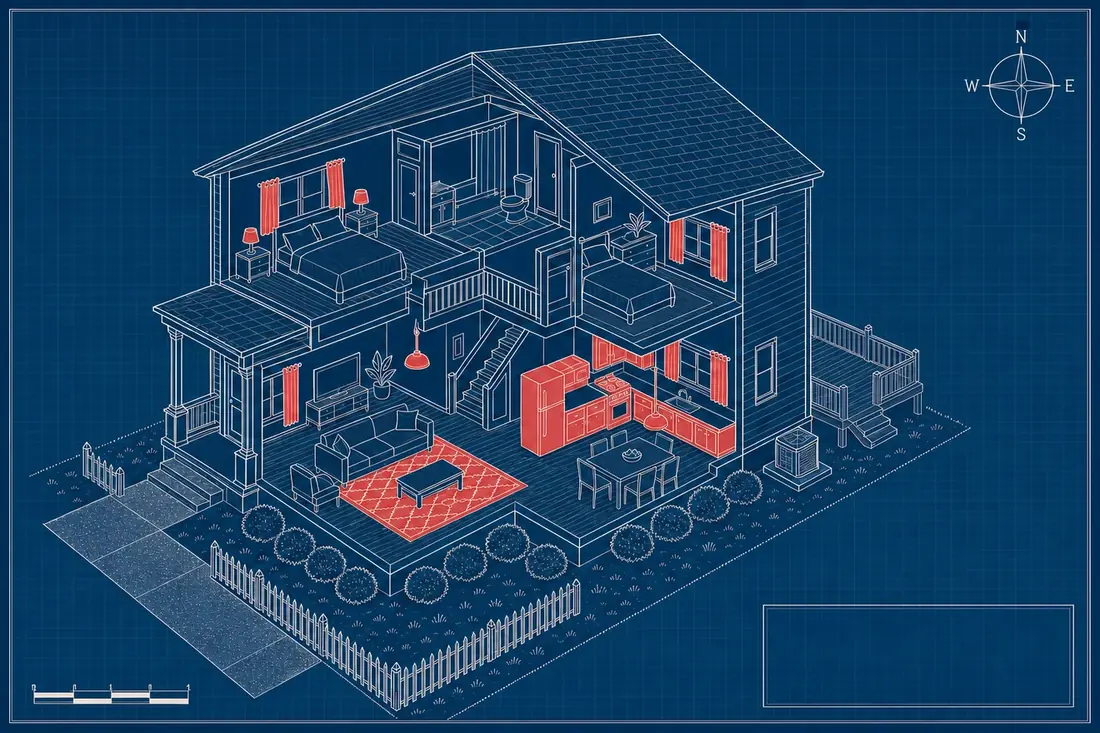
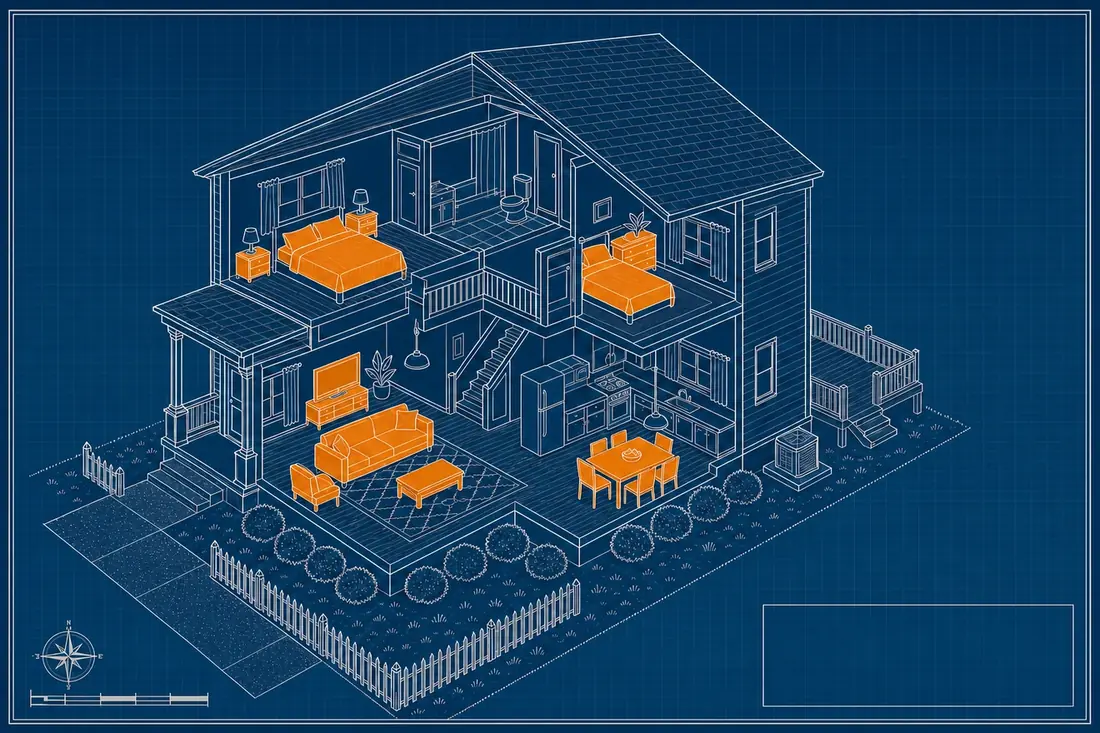
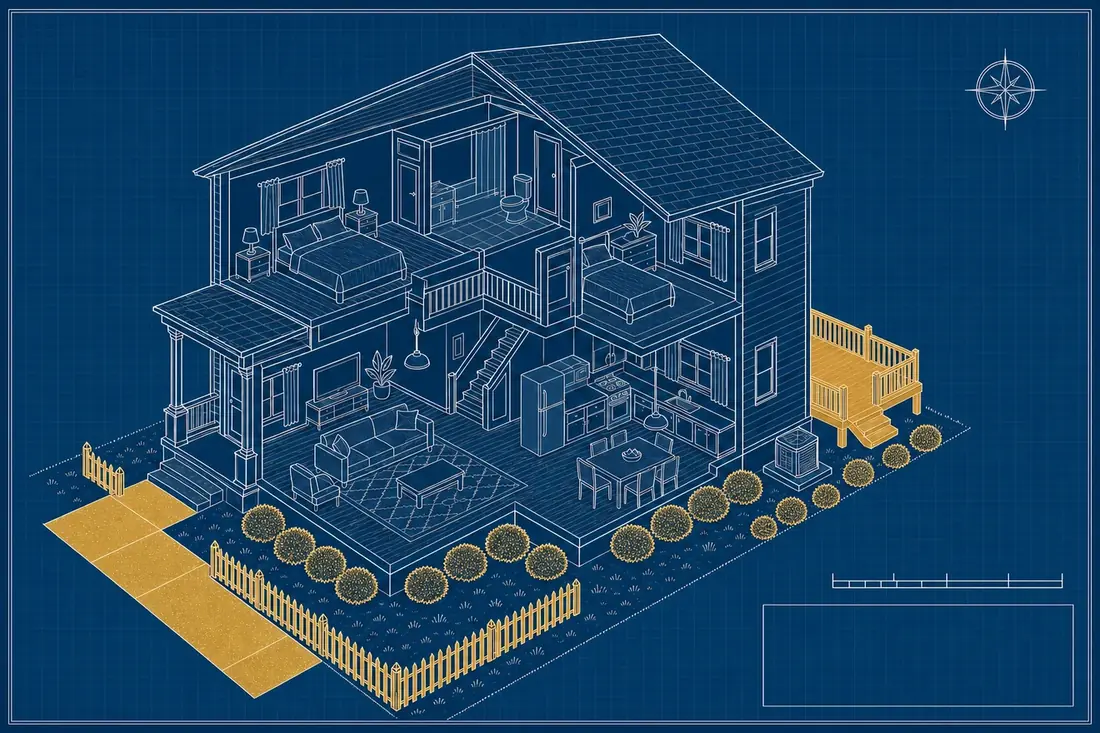
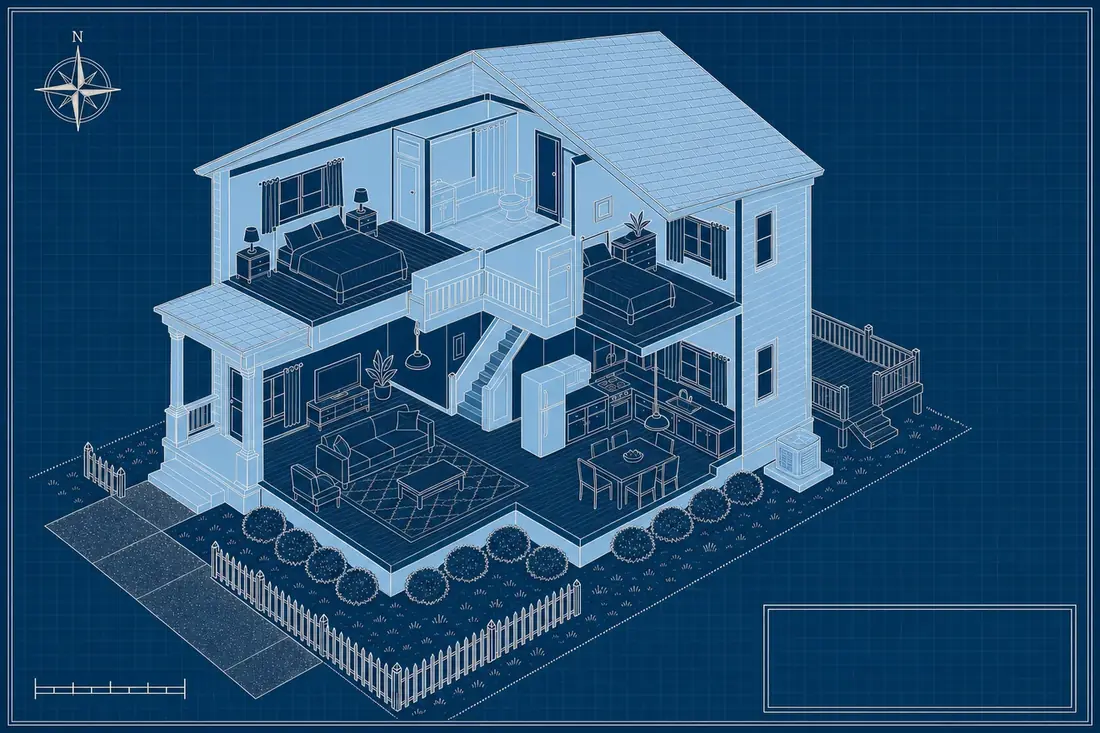
5-Year: carpet and flooring, cabinets, appliances, light fixtures, curtains 7-Year: furniture 15-Year: driveway, fencing, landscaping, deck 27.5/39-Year Shell: roof, load-bearing walls, foundation, central HVAC Get your free Preliminary Benefit Estimate See what the combination of classification and bonus depreciation would find on your building with a free Preliminary Benefit Estimate. Request Your Free Estimate »Why a study has to come firstWithout a cost segregation study, almost the entire cost of most buildings sits on the 39-year (commercial) or 27.5-year (residential) shell, which was never bonus-eligible to begin with. A study is what identifies which components actually belong in the shorter classes in the first place; bonus depreciation has nothing to apply to until that classification work happens. This is the multiplier effect described in the short answer above: a study without bonus still front-loads value through faster recovery periods, but bonus without a study has almost no eligible property to act on in most buildings. The acquisition-date eras
The bonus rate that applies is fixed by the original acquisition date, not by when a study is run. A property acquired years ago and studied today still uses the bonus rate that was in effect on its acquisition date, walking back through whichever era applies. Qualifying property acquired from 2023 through January 19, 2025 sits on the prior phase-down schedule, stepping down through 80%, 60%, and 40% depending on the acquisition year within that window. The 2025 OBBBA law restored 100% bonus depreciation, and made it permanent, for qualifying property acquired after January 19, 2025. Consider two hypothetical warehouse buildings, otherwise identical, each with a building basis of $2,000,000. A cost segregation study on either one typically moves 16 to 21% of that basis into the 5, 7, and 15-year classes, call it roughly $380,000 of reclassified basis for this illustration. The first building was acquired in November 2024, inside the phase-down window that runs from 2023 through January 19, 2025, so its reclassified basis is bonus-eligible only at whichever phase-down rate applied that acquisition year, not 100%. The second building was acquired in March 2026, after the OBBBA restoration, so the same $380,000 of reclassified basis is 100% bonus-eligible in year one. Both buildings sort into the same piles. Only the acquisition date decides how much of that first pile lands as a single deduction this year instead of trickling out over several. The example is a stand-in for the mechanic, not a specific building; the real percentage a given property reclassifies depends on its construction, and the real phase-down rate depends on the exact acquisition date within that window, not on a round number picked to make the math simple. Why the restaurant example shows the multiplier$2,804,440Free-standing restaurant, building basis $599,678First-year deductions identified 66.6:1Deductions to the $9,000 fee That 66.6:1 result is only possible because two things happened together: the engineering classification identified which components qualified for shorter classes, and 100% bonus depreciation expensed nearly all of that reclassified basis in year one instead of over 5, 7, and 15 years. Either mechanic alone produces a fraction of that number; the study without bonus would still front-load value, but far less of it would land in year one specifically. What doesn't get bonus, no matter the eraThe 39-year (commercial) or 27.5-year (residential) structural shell is never bonus-eligible under any acquisition-date era. Land value is not depreciated at all, under any circumstance; it is carved out of the basis before depreciation calculations start. See land value versus building basis for how that carve-out works. The 60-Second Qualifier Four questions. Our engineering team's model shows the estimated first-year acceleration a study of your property would target, free, before you commit to anything. Take the Qualifier »Bonus depreciation on a look-back studyThe same acquisition-date rule applies when a study is run years after the purchase through a look-back. The section 481(a) catch-up computation still applies whichever bonus rate was in effect on the original acquisition date, not the rate in effect the year the study is finally done. See how many years back you can do cost segregation for how that catch-up reaches back to the placed-in-service date. Why the acquisition date matters more than the study dateThis is the detail owners most often get backward. It is tempting to assume that a study run today locks in today's 100% bonus rate on everything it finds, but the rate rides with the property's own acquisition date, not the calendar date the engineering work happens. A building bought in 2024, studied for the first time in 2026, still applies the phase-down rate that was in effect in 2024 to its reclassified components, not the restored 100% rate now in effect for new acquisitions. Knowing which era a specific property falls into is part of what the engineering team works out as part of the study, and it is exactly the kind of detail a CPA reviewing the methodology will check. Why this makes timing decisions matterBecause the acquisition date locks the era, a purchase or construction project that is still in progress can matter more for its closing date than owners often expect. See should I do cost segregation the year I buy and do I lose the deduction if I wait for how that timing interacts with the rest of the depreciation picture. A quick way to think about the multiplierPicture the study as sorting a building into piles, and bonus depreciation as a rule that says one specific pile, the 5, 7, and 15-year pile, gets paid out in full right now instead of in installments over the years ahead. A study without that rule still sorts the piles correctly and still front-loads value through faster recovery periods on its own. The rule without a study has almost no pile to apply to. Together, they turn a modest structural building into a first-year deduction number that looks disproportionate to the purchase price, when it is really just the full value of an eligible pile landing all at once instead of trickling in over five, seven, or fifteen years. Frequently asked questionsIs bonus depreciation still 100% right now? For qualifying property acquired after January 19, 2025, yes, the 2025 OBBBA law restored 100% bonus depreciation and made it permanent. Property acquired earlier follows a different era depending on the acquisition date, not the date any study is performed. What happens to bonus depreciation if I bought before January 19, 2025? Property acquired from 2023 through January 19, 2025 sits on the prior phase-down schedule, stepping down through 80%, 60%, and 40% depending on the specific acquisition year within that window, rather than the restored 100% rate. Does bonus depreciation apply without a cost segregation study? Only to whatever small slice of a building was already separately classified as short-lived property when it was purchased or built. A study is what identifies the rest of the 5, 7, and 15-year property that bonus depreciation can then apply to. Is land eligible for bonus depreciation? No. Land never depreciates under any circumstance and is excluded from the calculation entirely before bonus depreciation or any other depreciation rule comes into play, on every property regardless of acquisition date. Does bonus depreciation apply to the 39-year shell? No. The structural shell, whether 39-year commercial or 27.5-year residential, does not qualify for bonus depreciation under any acquisition-date era, regardless of when the study identifying it was performed or when the property was acquired. Keep readingGet your free Preliminary Benefit Estimate Send the address or the listing link. We model the number first; you decide with it in hand. Request Your Free Estimate »Educational information, not tax advice. This page describes how federal
depreciation rules and tests work in general. Whether any rule fits your facts is a determination for
you and your CPA. Our study gives your CPA the engineering and the numbers to make that call.
|