|
Cost Segregation for Commercial & Short-Term Rental Owners
|
Request a free estimate [email protected] |
How It Works
FREE Estimate Is there a first-year deduction sitting in your building? No cost, no obligation. Request Yours »Minimum ROIOur study identifies at least 20x its fee in first-year deductions on commercial property, or at least 30x on a short-term rental, or it is free. |
How Much of a Building Can Cost Segregation Reclassify?Quick answer A cost segregation study typically moves about 15 to 35% of a building's depreciable basis into the faster 5, 7, and 15-year schedules, with the rest staying on the 39-year (commercial) or 27.5-year (residential) shell. Restaurants and hospitality properties run at the high end because of kitchen equipment and finishes; simple shells like warehouses run at the low end. The exact share is specific to each building's actual construction, not a fixed percentage anyone can promise in advance. See this applied to your building. A few questions, 30 seconds. You see which tests matter and the first-year deduction range a study would look for. No email to see the range. Run the 30-second check »Key takeaways
The typical range, and why it is a rangeCost segregation studies typically shift about 15 to 35% of building basis into the 5, 7, and 15-year classes, with the rest staying on the structural shell. That is a wide range on purpose. A building's actual construction, how much cabinetry, decorative lighting, and site paving it has versus how much is plain structural shell, drives the number, not a formula applied uniformly to every property. Separately, first-year deductions on commercial property typically run about 16 to 21% of building basis under current bonus rules, a related but distinct figure since it reflects what gets deducted in year one specifically, not the full share eventually reclassified. 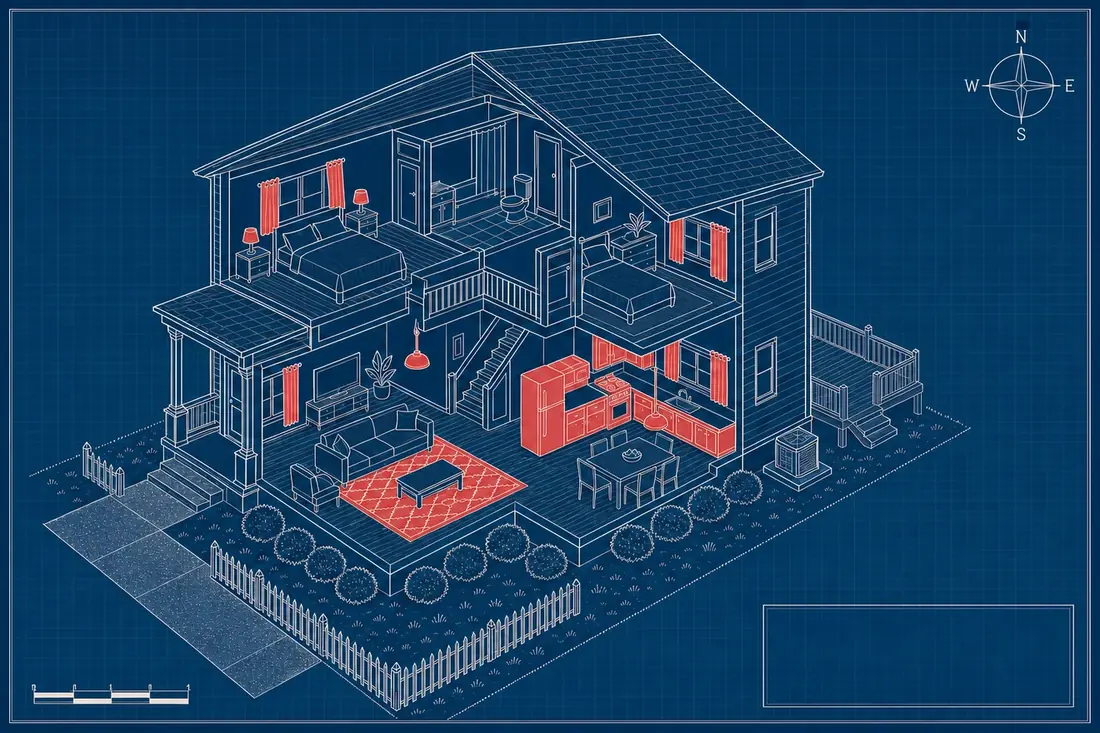
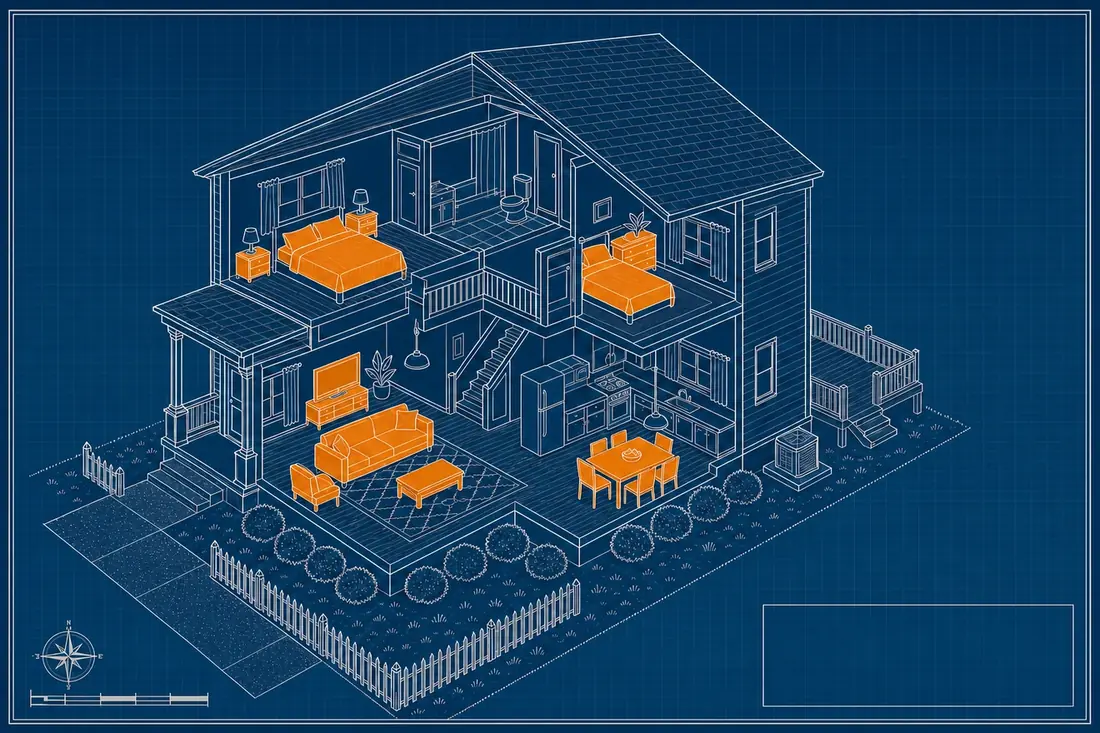
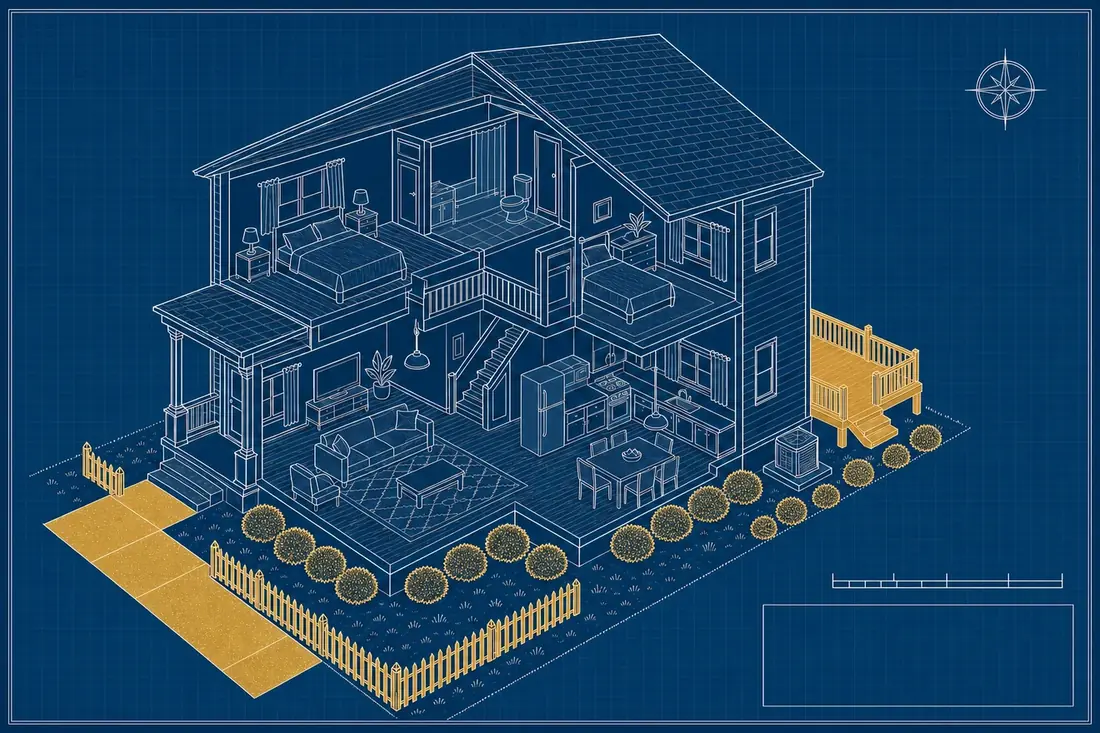
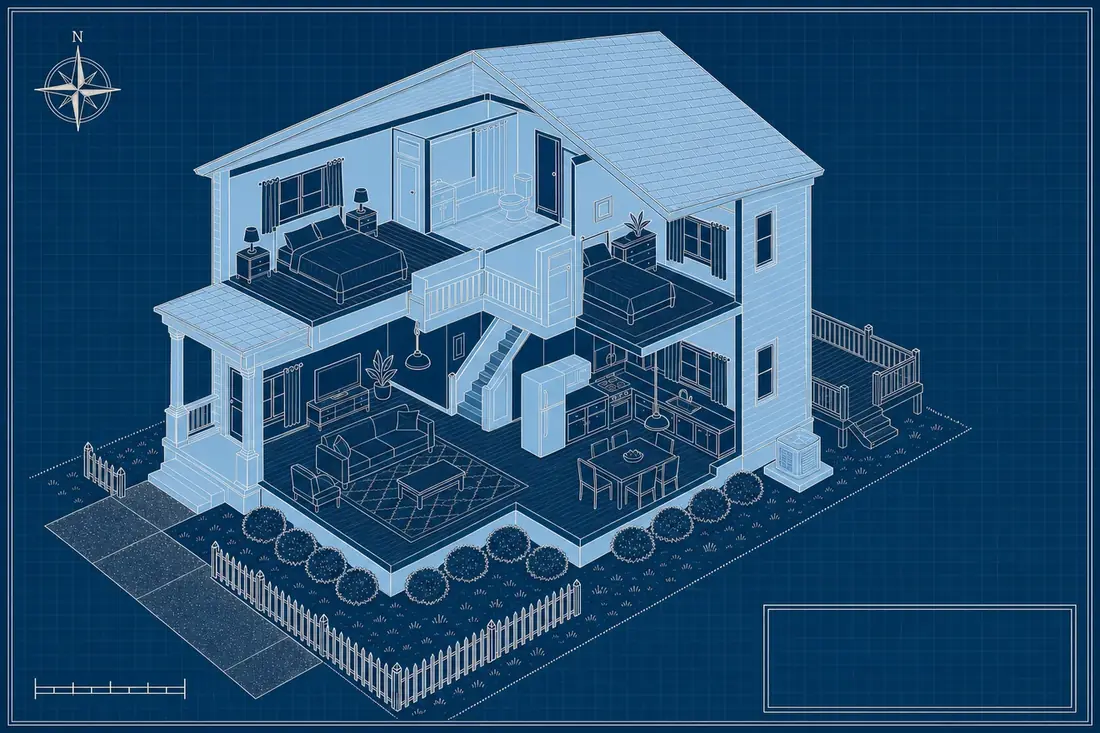
5-Year: carpet and flooring, cabinets, appliances, light fixtures, curtains 7-Year: furniture 15-Year: driveway, fencing, landscaping, deck 27.5/39-Year Shell: roof, load-bearing walls, foundation, central HVAC Get your free Preliminary Benefit Estimate Get a percentage grounded in your actual construction, not a formula, with a free Preliminary Benefit Estimate. Request Your Free Estimate »Where restaurants and hospitality landIn one benchmark run on a free-standing restaurant, first-year deductions totaled $599,678 against a $2,804,440 building basis, just over 21% of basis in year one alone. Restaurants carry a heavy kitchen equipment package, decorative interior finishes, and site work, all of which push them toward the high end of the reclass range described above. Where simple shells landA warehouse and office property in the same benchmark set still identified $330,674 in first-year deductions against a $1,911,675 basis, about 17%, without a kitchen or a heavy finish package behind it. A medical clinic benchmark came in close behind, $241,839 against $1,404,500 basis, about 17.2%. Even a plumbing- and steel-heavy building still finds real dollars; it simply lands lower in the range than a restaurant does. A mid-rise office benchmark landed at $479,220 against $2,971,345, about 16.1%, the low end of this particular sample set. Four benchmark runs at a glance
Same mechanics on every row. Different construction, different number.
Why this isn't a promiseThese four rows are benchmark runs, not a menu. Every study is custom-priced and custom-modeled to the specific building; the actual reclass percentage on a given property depends on its own construction, and a fixed percentage applied blindly would be a guess, not an engineering result. A free Preliminary Benefit Estimate exists precisely so an owner sees a number modeled on their own building before committing to anything. What drives the percentage up or down
None of these factors work in isolation; an engineering-based study weighs the actual construction as a whole rather than scoring each factor separately. The residential side of the rangeThe same range holds on the residential side, with its own texture. A delivered single-family rental study in Montgomery County, Pennsylvania, built 2013 and 4,946 square feet, identified $160,242 in accelerated basis against a $1,040,000 depreciable basis, 15.4% of basis, right at the low end of the typical range for a straightforward, well-built home with no unusual finish package. That property's first-year depreciation came to $174,905, 16.8% of basis, once 100% bonus was applied to the accelerated share along with the small first-year piece of the remaining shell depreciation. The 60-Second Qualifier Four questions. Our engineering team's model shows the estimated first-year acceleration a study of your property would target, free, before you commit to anything. Take the Qualifier »What to do with this rangeThe honest use of a range like 15 to 35% is as a sanity check, not a quote. If a proposal promises a fixed percentage before an engineer has looked at a specific building's construction, that promise is not coming from the classification work; it is coming from a sales script. The number that matters is the one modeled against the actual property. How this range compares across the benchmark setLay the four commercial benchmarks and the one residential benchmark side by side and a pattern emerges quickly: the properties with the most finish work and equipment, the restaurant and, in its own way, the medical clinic, sit above the properties with plainer construction, the warehouse and the mid-rise office shell. The residential example sits at the low end of the whole set, consistent with a straightforward single-family rental with no unusual build-out. These five are four benchmark runs and one delivered study, offered to illustrate the range described above, not as an average. Why the range narrows once bonus depreciation appliesBecause 100% bonus depreciation currently applies to the entire reclassified share of a qualifying property, the reclass percentage and the first-year deduction percentage tend to sit close together, though they are not defined the same way. See how bonus depreciation and cost segregation work together for the acquisition-date rule that determines which bonus rate applies to a specific property's reclassified share. Sanity-checking a quote against the range: a real exampleOn a BiggerPockets thread, Megan Tyberg described buying a four-unit building in Columbus, Ohio for $350,000 and collecting two quotes for the same building that came in nearly double one another: one firm estimated a $75,000 to $95,000 reduction in taxable income, the other $40,000 to $60,000. She couldn't tell whether the gap was honesty or salesmanship. A specialist replying in the thread ran the exact sanity check this range is built for. Back out roughly 20% for land and the building's depreciable basis lands near $280,000. A four-unit property carries kitchen, flooring, and fixture components multiplied across four separate units, which typically puts a fourplex's reclassified share at 28% to 38% of basis, toward the higher end of the range described above. That put the $75,000 to $95,000 quote inside the expected band and made the lower quote look conservative rather than more honest. He also flagged, unprompted, that neither quote appeared to include a partial asset disposition election for the roof she had just replaced, a second deduction the range check alone would not surface. (Paraphrased from a BiggerPockets forum post by Megan Tyberg.) The takeaway for an owner comparing propertiesAn owner deciding between two potential purchases, one a plain shell and one with heavier finishes, can use this range as a rough planning input, understanding that the plainer building will likely reclassify less. That difference does not make the plainer building a worse investment; it simply means the timing benefit from a study will look different on paper, which is worth knowing before either purchase closes rather than after. Frequently asked questionsIs 30% reclassified typical for cost segregation? 30% sits within the typical 15 to 35% range but toward the higher end. Where a specific building lands depends on its construction; a plain shell usually reclassifies less, a finish-heavy or hospitality property usually reclassifies more. Why do restaurants reclassify more than warehouses? Restaurants carry kitchen equipment, decorative finishes, and often heavier site work, all of which fall into the faster classes. A warehouse shell has comparatively little of that and more plain structural space that stays on the 39-year schedule. Does an older building reclassify a smaller share? Age itself is not the driver; construction is. What matters is how much of the building's actual cost is personal property and land improvements versus structural shell, which depends on the property type and build-out, not the calendar age of the building. How is the reclass percentage determined for a specific building? An engineering-based study reviews the actual construction, cost records where available, and classifies each component into its correct depreciation class. The resulting percentage is a byproduct of that classification, not a target set in advance of the review. Do land improvements count toward the 15 to 35% range? Yes. The 15-year land improvement class, paving, fencing, landscaping, and site utilities, is one of the three faster classes counted in that range, alongside 5-year and 7-year property found inside the building itself. Keep readingGet your free Preliminary Benefit Estimate Send the address or the listing link. We model the number first; you decide with it in hand. Request Your Free Estimate »Educational information, not tax advice. This page describes how federal
depreciation rules and tests work in general. Whether any rule fits your facts is a determination for
you and your CPA. Our study gives your CPA the engineering and the numbers to make that call.
|