|
Cost Segregation for Commercial & Short-Term Rental Owners
|
Request a free estimate [email protected] |
How It Works
FREE Estimate Is there a first-year deduction sitting in your building? No cost, no obligation. Request Yours »Minimum ROIOur study identifies at least 20x its fee in first-year deductions on commercial property, or at least 30x on a short-term rental, or it is free. |
Cost Segregation vs. Straight-Line Depreciation: What Actually ChangesQuick answer Straight-line depreciation spreads a building's full cost evenly over 39 years for commercial property or 27.5 years for residential rental, the same deduction every year. Cost segregation does not create new deductions; it re-times the same total by pulling 5, 7, and 15-year components out of that 39-year line and, combined with bonus depreciation, expensing them in year one. Total depreciation over the building's life is identical either way. The difference is when the deduction lands. See this applied to your building. A few questions, 30 seconds. You see which tests matter and the first-year deduction range a study would look for. No email to see the range. Run the 30-second check »Key takeaways
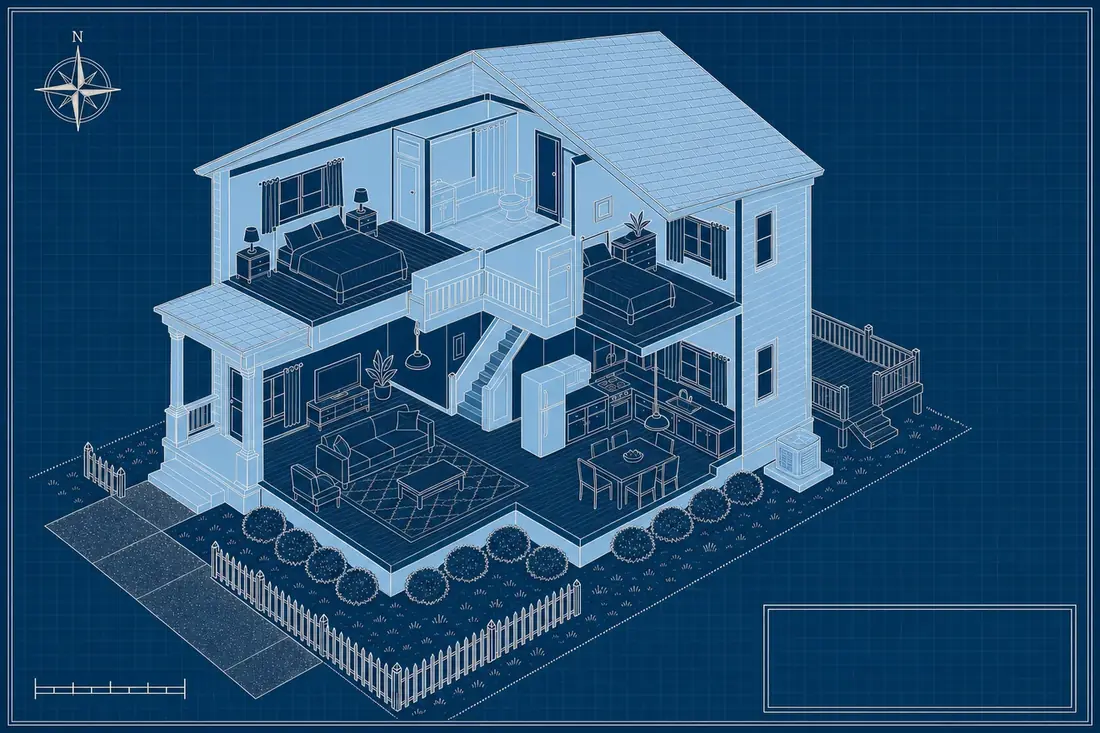
What straight-line depreciation does on its ownWithout a cost segregation study, a building's full depreciable basis, land already excluded, depreciates in equal annual amounts over 39 years for commercial property or 27.5 years for a residential rental. A $1,911,675 building basis on the straight-line schedule alone produces roughly $49,017 a year for 39 years, the same number whether the building is brand new or twenty years old, and the same number in year one as in year thirty. 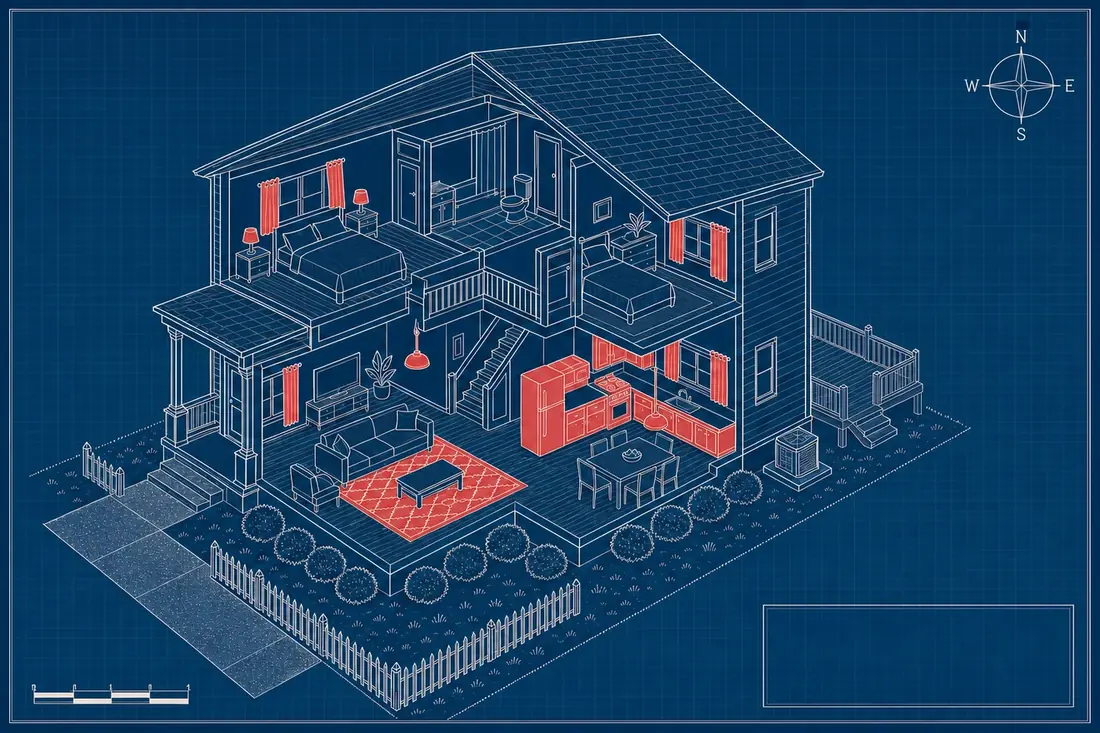
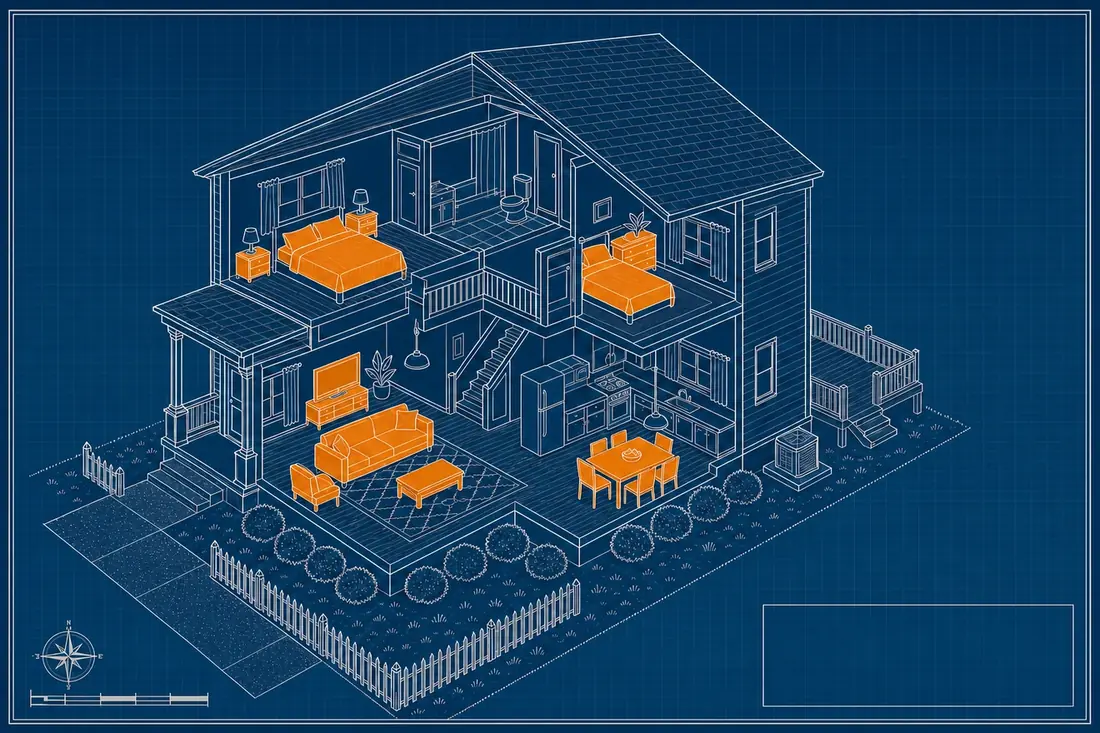
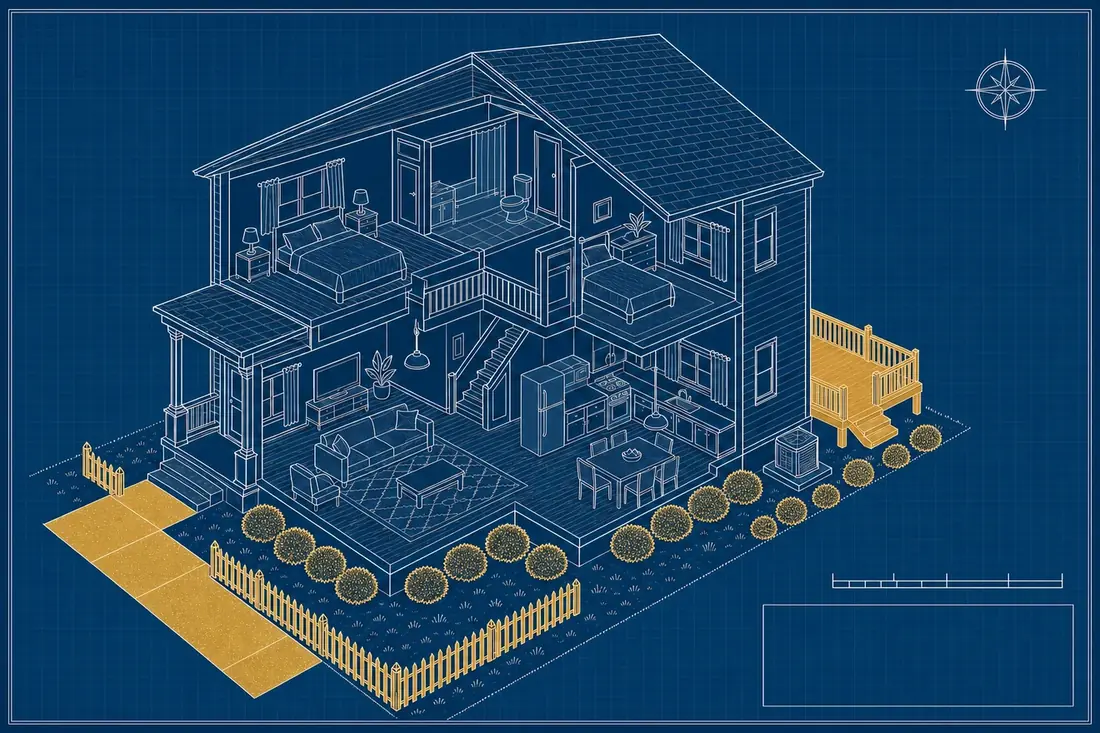
5-Year: carpet and flooring, cabinets, appliances, light fixtures, curtains 7-Year: furniture 15-Year: driveway, fencing, landscaping, deck 27.5/39-Year Shell: roof, load-bearing walls, foundation, central HVAC Get your free Preliminary Benefit Estimate See the year-one number a study would put against your building's straight-line baseline with a free Preliminary Benefit Estimate. Request Your Free Estimate »What a study changesA study pulls the 5, 7, and 15-year components, carpet, cabinetry, decorative lighting, site paving, and the rest, out of that single 39-year line. Combined with bonus depreciation under section 168(k), the entire reclassified share can be expensed in year one instead of over 5, 7, or 15 years. That $1,911,675 building, in the benchmark run behind this example, produced $330,674 in first-year deductions instead of the roughly $49,017 straight-line alone would have delivered in year one, a difference driven entirely by timing, not by a change in the building's total cost. The two schedules, side by side
Illustrative, based on the published benchmark run's basis and first-year figures. Real schedules apply IRS mid-month and half-year conventions to the placed-in-service date, which shift the exact early-year numbers.
The multiple is math, not magicThe 33.4:1 ratio in that benchmark compares first-year deductions to the $9,900 study fee, a separate comparison from the straight-line-versus-segregated timing shown above. Neither ratio changes the building's lifetime total. What both point to is the same underlying mechanic: a study re-times deductions that were always coming, it does not invent deductions that were never there. Same total. Different years. That difference has a value, and it is called time value.
Illustrative example: same total, different timelinePicture two identical hypothetical buildings, each with a $1,000,000 depreciable basis, purchased on the same day, a scenario built to show the mechanic and not an actual client's numbers. Owner A never orders a study and depreciates the full basis straight-line, about $25,641 a year for 39 years, the same figure every year regardless of when it lands. Owner B orders a study. The engineering team identifies a reclassified share in the typical 15 to 35% range for that property type, and combined with bonus depreciation, that share is expensed in year one instead of over 5, 7, or 15 years. Ten years out, Owner A has deducted a straight, predictable line of cumulative depreciation. Owner B took a large piece of the same $1,000,000 up front, then smaller annual deductions on the remaining structural shell for the years after. Neither owner ever deducts a dollar more than the other over the building's full life. Owner B simply had a much larger share of that fixed total available decades sooner than Owner A did. Whether the timing benefit is usable depends on the passive activity rulesRe-timed deductions only do their full job in the year they land if they are usable against income that year. Under section 469, rental losses are passive by default and only offset passive income, with two main exits: real estate professional status (750-plus hours and more than half of working time in real property trades, plus material participation in the rentals), or the short-term rental exception for a property whose average guest stay is 7 days or less, paired with material participation. Whether either exit applies to a specific owner's facts is a question for that owner's CPA; the mechanics above describe the test, not an outcome for any particular return. Recapture: the flip side of acceleratingOn a sale, gain attributable to depreciation on the 5/7-year personal property a study identified is recaptured at ordinary rates; straight-line depreciation on the real property portion is unrecaptured section 1250 gain, taxed up to 25%. See how depreciation recapture works. A 1031 exchange can defer both, including on a property with a prior cost segregation study, when the replacement property rules are met. The 60-Second Qualifier Four questions. Our engineering team's model shows the estimated first-year acceleration a study of your property would target, free, before you commit to anything. Take the Qualifier »When straight-line alone is closer to fineThe closer a sale is to the purchase, the smaller the time-value gap between the two schedules, since there are fewer years for the accelerated deduction to sit ahead of the straight-line alternative. See cost segregation before selling property for the honest treatment of that compressed-window case. Why owners still choose to segregate even though the total is the sameA dollar deducted today is deducted years before the straight-line schedule would have reached the same dollar. That reinvestment window is the entire case for cost segregation; it has nothing to do with paying less in total and everything to do with when the deduction becomes available to use. An owner weighing whether that timing benefit is worth the study's fee is really weighing the time value of money against the cost of the engineering work, not comparing two different total numbers. The same logic applies to a look-back studyA property owned for years and never studied has effectively been on straight-line the whole time. A look-back study through Form 3115 catches that timing up in the current year through a section 481(a) catch-up deduction, without amending a single prior return. See cost segregation on a property you already own for how that catch-up works on a property that has been depreciating straight-line all along. What to compare before decidingThe real comparison is never straight-line versus segregated in the abstract. It is the specific building's likely reclassified share, the acquisition-date bonus rate that applies, and how many years remain before a likely sale, weighed together. A free Preliminary Benefit Estimate puts real numbers behind that comparison for a specific property instead of a generic illustration like the one on this page. The one number that never changes in this comparisonWhatever a specific building's reclassified share turns out to be, the total depreciable basis it can ever deduct is fixed the moment the building is placed in service. Straight-line and cost segregation are two different paths to the same destination, not two different destinations. Once that is clear, the decision stops being about whether to take the deduction and becomes purely about when it makes the most sense to take it. That reframing is worth sitting with. Owners sometimes approach cost segregation expecting it to change the math on their return in some fundamental way, and are surprised to learn it does not. What it changes is the calendar the same math runs on, and for most owners, that calendar shift is the entire point. Frequently asked questionsDoes cost segregation increase total depreciation over time? No. Total depreciation over the building's useful life is the same whether it is taken straight-line or accelerated through a study. Cost segregation changes the timing of the deduction, not the total amount deducted. Is accelerated depreciation the same thing as more money? It is the same total deduction taken sooner, not a larger deduction. The benefit is time value, a dollar deducted now is worth more than the same dollar deducted years from now, not an increase in the lifetime total deducted. What happens to accelerated deductions when the property sells? Gain attributable to depreciation on the 5/7-year personal property is recaptured at ordinary rates on sale; the straight-line real property portion is unrecaptured section 1250 gain, taxed up to 25%. A 1031 exchange can defer both when the replacement rules are met. Is straight-line ever the simpler choice? For a property about to be sold very soon after purchase, the time-value gap between straight-line and an accelerated schedule shrinks, since there is less time for the earlier deduction to outrun the alternative before the sale. Does cost segregation change how recapture works? It changes which components are subject to which recapture rule, ordinary rates on the 5/7-year personal property versus unrecaptured section 1250 treatment on the real property, but it does not change the total gain subject to recapture on sale. Keep readingGet your free Preliminary Benefit Estimate Send the address or the listing link. We model the number first; you decide with it in hand. Request Your Free Estimate »Educational information, not tax advice. This page describes how federal
depreciation rules and tests work in general. Whether any rule fits your facts is a determination for
you and your CPA. Our study gives your CPA the engineering and the numbers to make that call.
|