|
Cost Segregation for Commercial & Short-Term Rental Owners
|
Request a free estimate [email protected] |
How It Works
FREE Estimate Is there a first-year deduction sitting in your building? No cost, no obligation. Request Yours »Minimum ROIOur study identifies at least 20x its fee in first-year deductions on commercial property, or at least 30x on a short-term rental, or it is free. |
What Actually Gets Reclassified in a Cost Segregation Study?Quick answer A cost segregation study sorts a building's cost into four buckets: 5-year property such as carpet, cabinetry, decorative lighting, and appliances; 7-year property such as certain fixtures and furniture; 15-year land improvements such as paving, fencing, and landscaping; and the 39-year (commercial) or 27.5-year (residential) structural shell, which includes the roof, framing, and central HVAC and never moves. Only the first three buckets qualify for bonus depreciation. See this applied to your building. A few questions, 30 seconds. You see which tests matter and the first-year deduction range a study would look for. No email to see the range. Run the 30-second check »Key takeaways
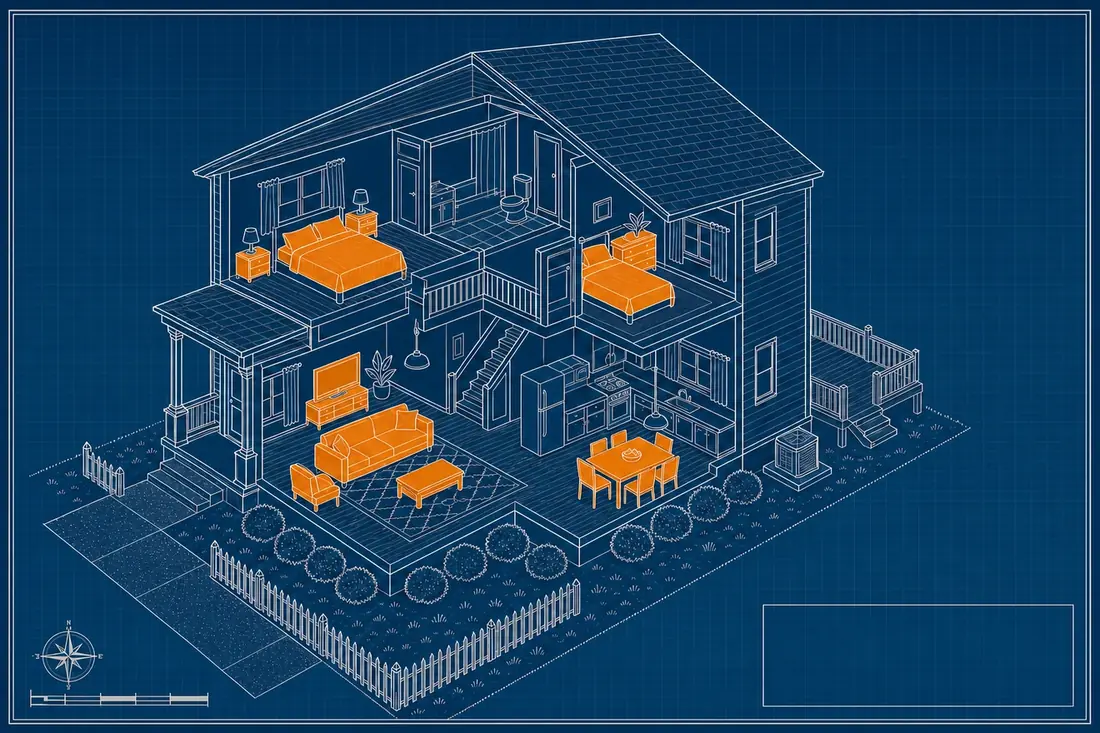
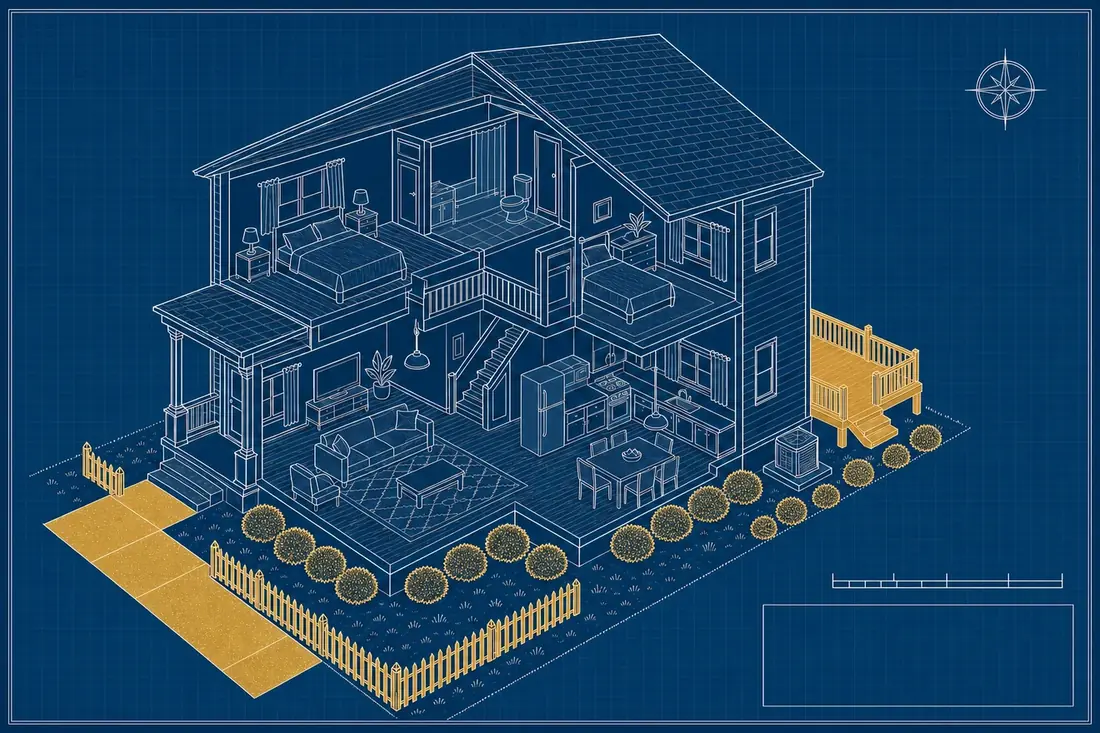
The four buckets, in plain termsEvery dollar of a building's depreciable cost lands in one of four places. 5-year property covers items like carpet and most flooring, decorative lighting, cabinetry, appliances, window treatments, and certain electrical or plumbing that serves specific equipment rather than the building as a whole. 7-year property covers certain fixtures and furniture. 15-year land improvement property covers everything outside the building's walls: paving, fencing, landscaping, site utilities, outdoor lighting, pools, and patios. Everything left over, the structural shell, stays on the 39-year schedule for commercial property or 27.5-year for residential rental. An engineering-based study exists to sort real cost data into these four buckets accurately, following the same framework the IRS lays out in its own Audit Techniques Guide (Pub 5653). That guide followed the government's loss in Hospital Corporation of America v. Commissioner (109 T.C. 21, 1997); a study follows the IRS's own playbook, and the guide is the government's own written description of how to sort a building's cost. 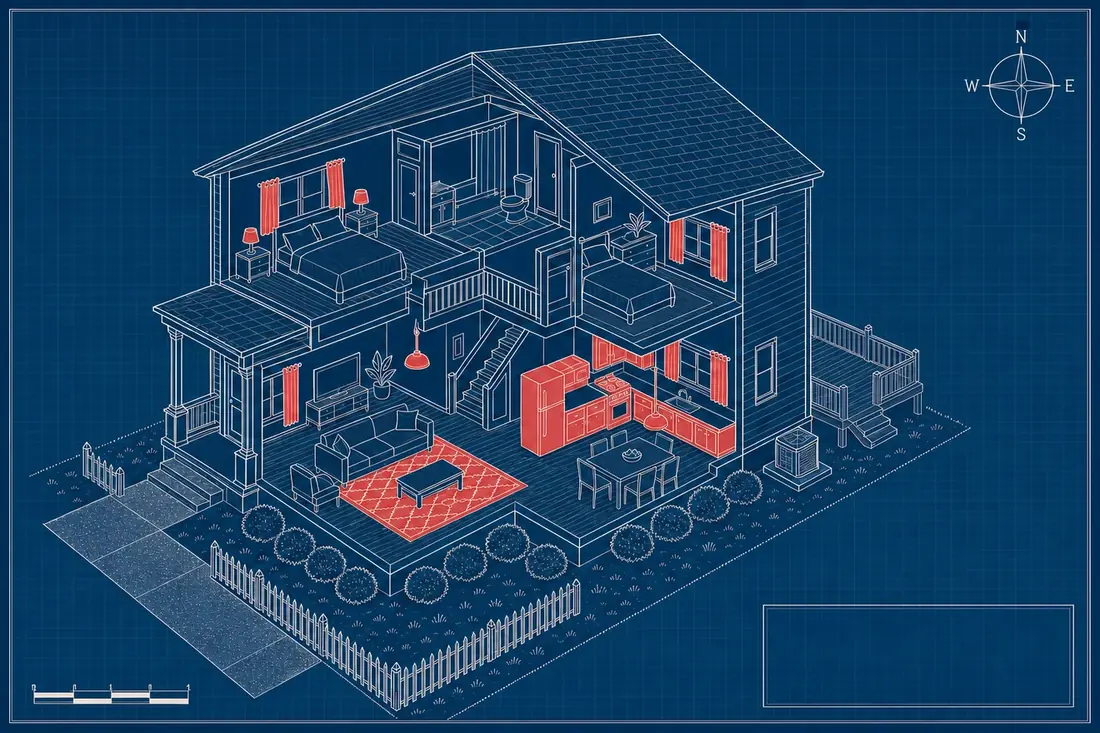
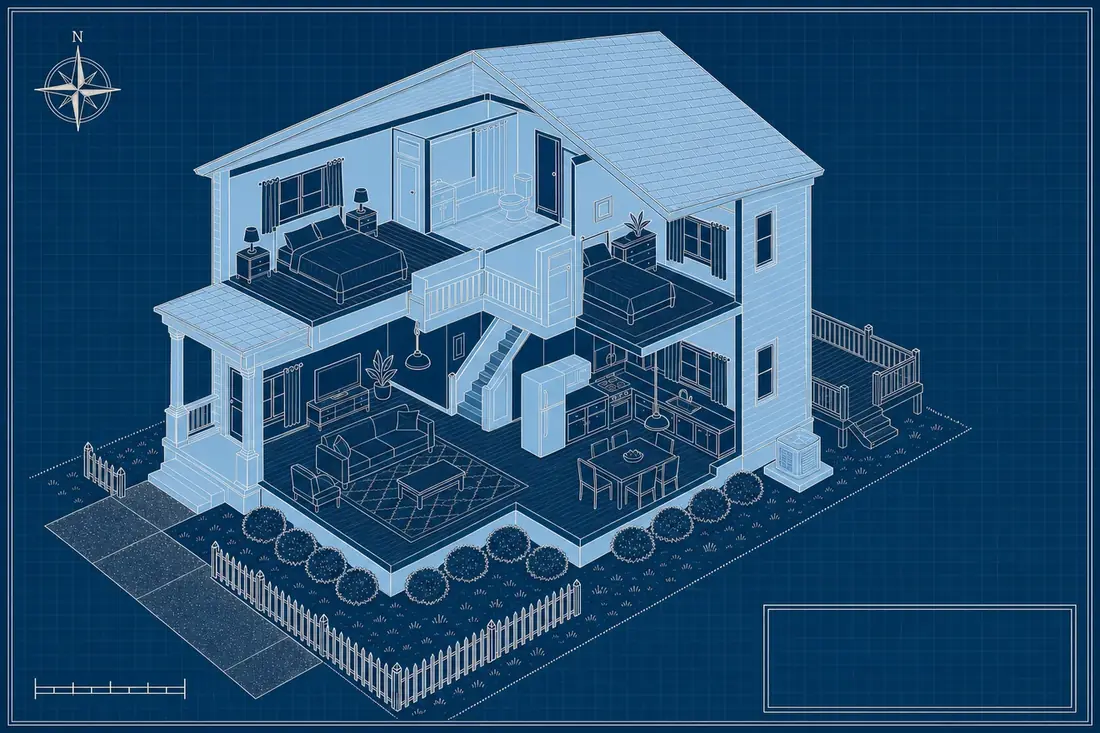
5-Year: carpet and flooring, cabinets, appliances, light fixtures, curtains 7-Year: furniture 15-Year: driveway, fencing, landscaping, deck 27.5/39-Year Shell: roof, load-bearing walls, foundation, central HVAC Get your free Preliminary Benefit Estimate See which of these buckets show up in your building with a free Preliminary Benefit Estimate. Request Your Free Estimate »Walking the outside of the building
All of it lands in the 15-year land improvement class. On a retail pad or an industrial site with a large lot, this category alone can be one of the largest reclassified buckets on the whole property, since parking and landscaping are frequently a bigger line item than most owners expect when they picture where the reclassified dollars actually come from. See the full site improvements page for more. Walking the inside, room by room
These are 5-year property. Certain fixtures and furniture, depending on how they are installed and what they serve, fall into the 7-year class instead. A study checks each component against the actual construction rather than assuming a category applies just because it sounds like it should; that room-by-room check is what separates an engineering-based study from a rough percentage estimate. The mix changes with the property. A multifamily unit with new flooring and cabinetry throughout carries a heavier 5-year share than a plain office suite with painted drywall and commercial-grade carpet tile alone. Neither is wrong; they simply reflect what was actually built. What never moves, no matter how the study is runThe structural shell stays exactly where it has always been: foundation, framing, exterior walls, windows, the roof structure, core plumbing and electrical that serve the whole building, and central HVAC. A structural roof and a building's central heating and cooling system are not 5-year property under any correctly run study; they are part of the 39-year (or 27.5-year residential) shell. That is a common misconception, and it is worth stating directly since it is where sloppier studies overreach. See what stays on the 39-year schedule for the full shell inventory, and see the dedicated pages on whether a roof is 5-year property and whether HVAC is 5-year property for the mechanics that do apply to those two components. The 60-Second Qualifier Four questions. Our engineering team's model shows the estimated first-year acceleration a study of your property would target, free, before you commit to anything. Take the Qualifier »Why the split mattersThe 5, 7, and 15-year buckets qualify for bonus depreciation under section 168(k); the 39/27.5-year shell never does. That is the entire reason the reclassification exercise exists. Getting the split right also matters on the other end, at sale, since the shorter-lived personal property a study identifies is treated differently for recapture than the real property portion. See how bonus depreciation and cost segregation work together for how that plays out in year one. How an engineer decides where a component landsThe classification is not a visual guess. An engineer looks at what a component is, how it is installed, and what it serves, and checks that against the framework in the IRS's own Audit Techniques Guide. Two identical-looking light fixtures can land in different classes depending on whether one is decorative and the other is part of the building's required life-safety lighting, for instance. That level of detail is what separates a defensible, engineering-based study from a rough percentage applied to every building the same way. Costing follows the same discipline. Once a component is classified, the engineering team assigns it an actual dollar value, using invoices and cost records when they exist or accepted engineering cost estimation techniques when the original cost detail is gone. See how a cost segregation study is actually done for the full process. A concrete example from a delivered study$1,404,500Medical clinic building basis $241,839First-year deductions identified 24.2:1Deductions to the $10,000 fee That clinic's reclassified dollars came from cabinetry, decorative lighting, flooring, and electrical and plumbing serving specific exam-room and clinical equipment, exactly the kind of component-level detail this page walks through, not from the roof or the central HVAC serving the building as a whole. A different property type produces a different mix from the same four buckets. A retail buildout leans harder on decorative lighting and millwork; an industrial shell leans harder on site paving and yard lighting outside the building; a restaurant leans on both the kitchen-adjacent electrical and plumbing and the dining room finishes at once. The buckets never change. What lands in each one does. Illustrative example: a furnished short-term rentalThis example is illustrative, a hypothetical listing built to show how the four buckets apply to a furnished rental, not an actual delivered study. Picture a 3-bedroom short-term rental with a fully furnished interior, the kind of unit pictured in its own Airbnb listing photos. The couches, beds, dressers, and area rugs land in the 5-year personal property class, alongside the kitchen appliances, decorative lighting fixtures, and window treatments staged for the listing photos. The back patio, the fire pit, and the driveway paving land in the 15-year land improvement bucket. The framing, roof, exterior walls, and the home's central HVAC stay on the 27.5-year residential schedule, exactly as they would in an unfurnished long-term rental next door. What shifts the mix here is not a different tax rule; it is how much of the interior is furnished, exactly the kind of detail a set of listing photos alone can capture for a short-term rental study. Frequently asked questionsIs a parking lot reclassified in cost segregation? Yes. Paving, curbs, and the lot's own lighting are 15-year land improvement property, separate from the building's structural shell. This is usually one of the larger reclassified categories on properties with sizable parking areas, and owners are often surprised it counts at all. Does cost segregation reclassify the roof? No. A structural roof is part of the building shell and stays on the 39-year (commercial) or 27.5-year (residential) schedule. It is a common misconception that roofs shift to 5-year property; they do not, in any correctly run study. What counts as 5-year property in a building? Items like carpet and most flooring, decorative lighting, cabinetry, appliances, window treatments, and certain electrical or plumbing that serves specific equipment rather than the whole building. An engineering-based study confirms which items in a specific building actually qualify rather than assuming by category. Can cabinets and countertops be reclassified? Cabinetry generally falls into the 5-year class. Whether a specific countertop or built-in qualifies depends on how it is installed and what it serves, which is exactly what an engineer checks component by component instead of assuming every finish in a building qualifies the same way. Does every building have all four classes present? Most do to some degree, but the mix varies widely. A plain warehouse shell might have very little 5-year or 7-year property and modest site improvements, while a restaurant or retail buildout has much more in the shorter classes because of finishes and equipment. Keep readingGet your free Preliminary Benefit Estimate Send the address or the listing link. We model the number first; you decide with it in hand. Request Your Free Estimate »Educational information, not tax advice. This page describes how federal
depreciation rules and tests work in general. Whether any rule fits your facts is a determination for
you and your CPA. Our study gives your CPA the engineering and the numbers to make that call.
|