|
Cost Segregation for Commercial & Short-Term Rental Owners
|
Request a free estimate [email protected] |
How It Works
FREE Estimate Is there a first-year deduction sitting in your building? No cost, no obligation. Request Yours »Minimum ROIOur study identifies at least 20x its fee in first-year deductions on commercial property, or at least 30x on a short-term rental, or it is free. |
Is HVAC 5-Year Property?Quick answer Central HVAC that heats and cools the whole building is structural and depreciates on the 39-year (commercial) or 27.5-year (residential) schedule, not 5-year. The exception is equipment-serving HVAC, a system dedicated to a specific piece of equipment or process, like server-room cooling or process ventilation, which can shift to a shorter class. On nonresidential property, section 179 qualified real property offers a separate route to expense HVAC placed in service after the building. See this applied to your building. A few questions, 30 seconds. You see which tests matter and the first-year deduction range a study would look for. No email to see the range. Run the 30-second check »Key takeaways
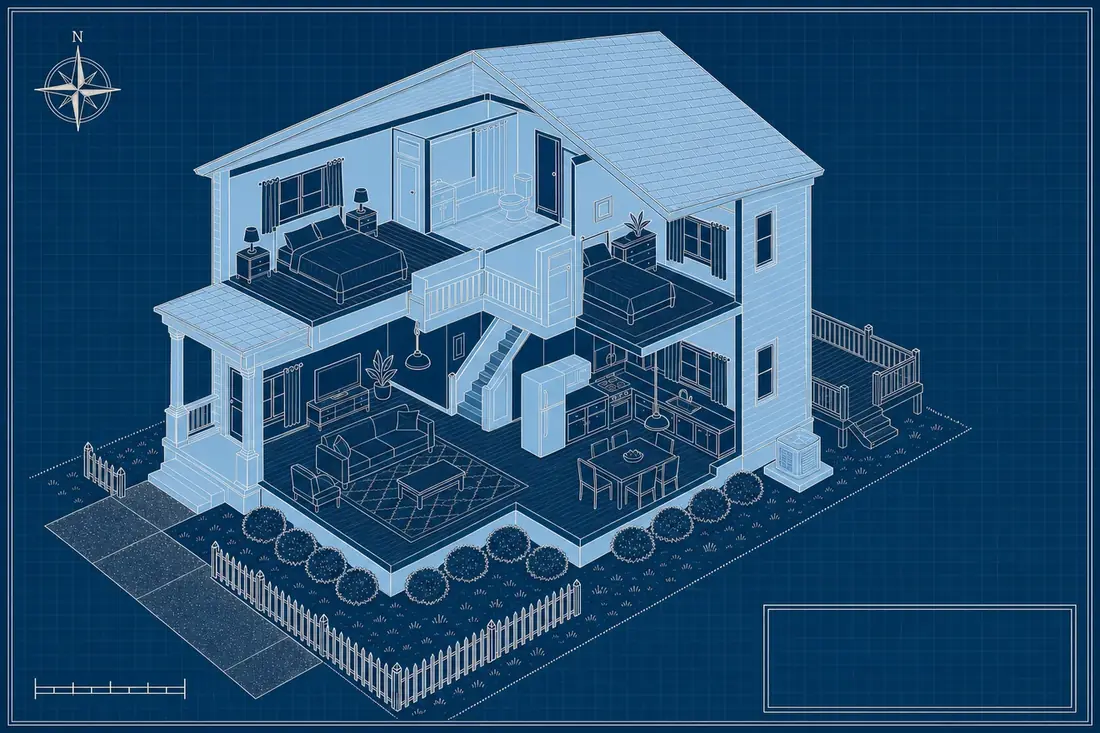
The general rule: central HVAC is structuralA system that heats and cools the building as a whole, the rooftop units, the ductwork feeding occupied space, the controls running the building's comfort systems, is part of the structural shell. It depreciates on the 39-year schedule for commercial property or 27.5-year for a residential rental, the same as the walls and roof. The government's own Audit Techniques Guide (Pub 5653) treats whole-building HVAC as shell, not personal property, in the vast majority of buildings a study will ever see. 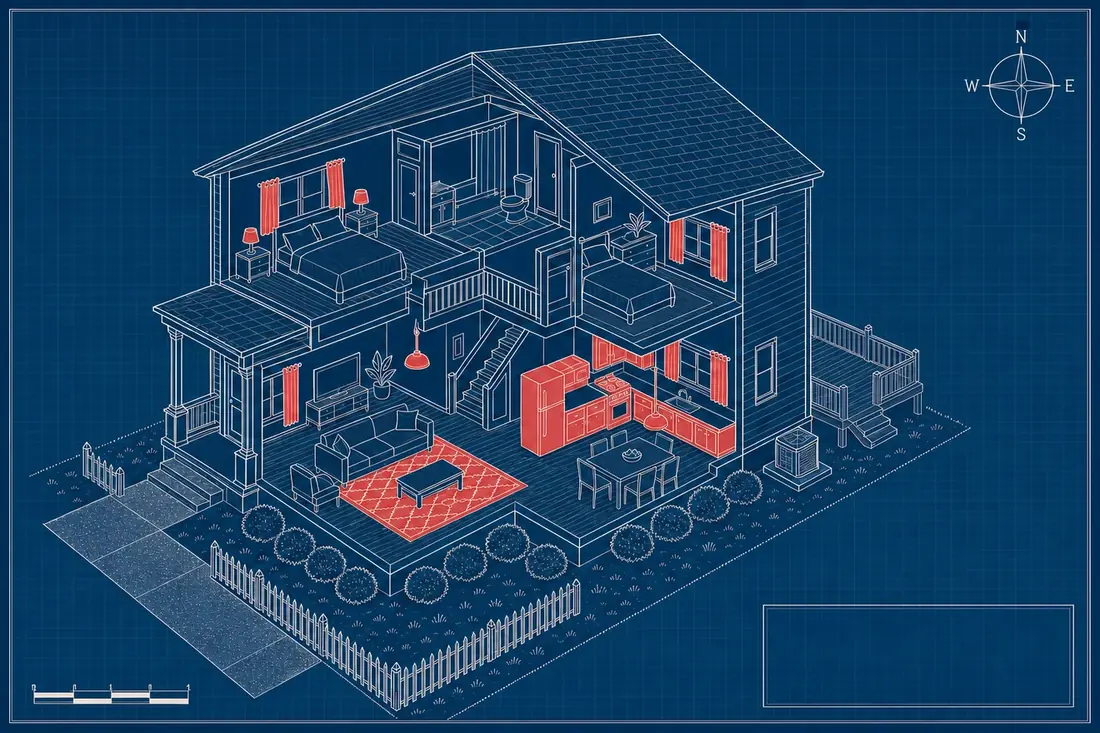
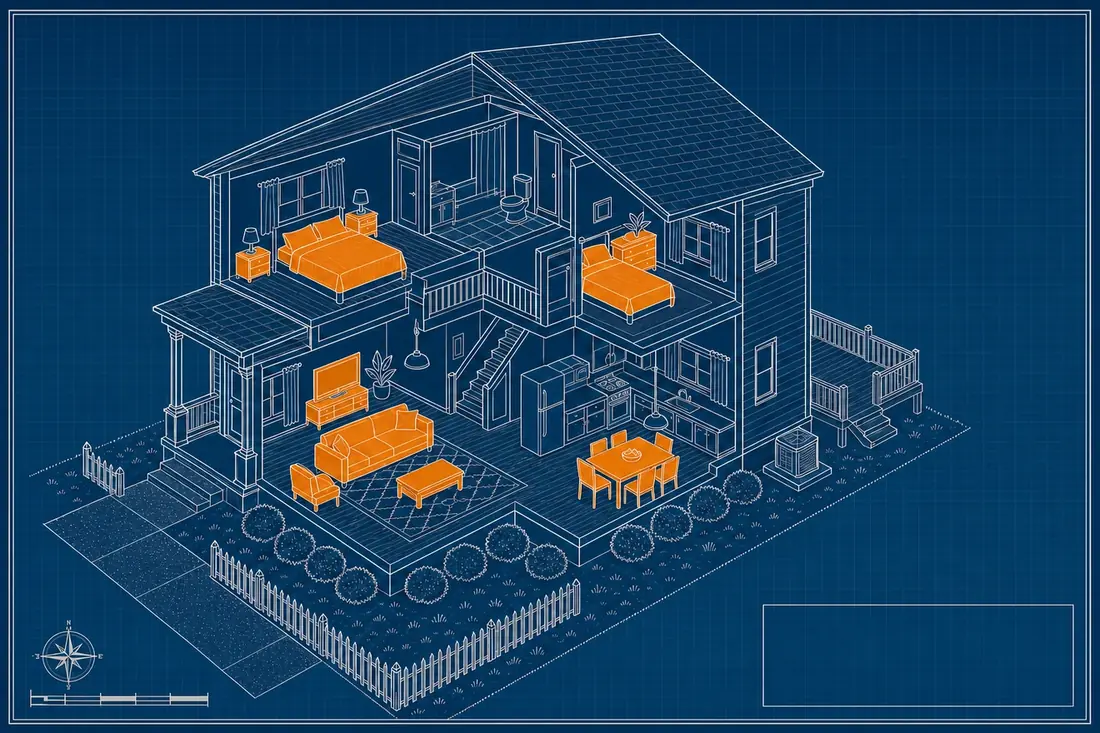
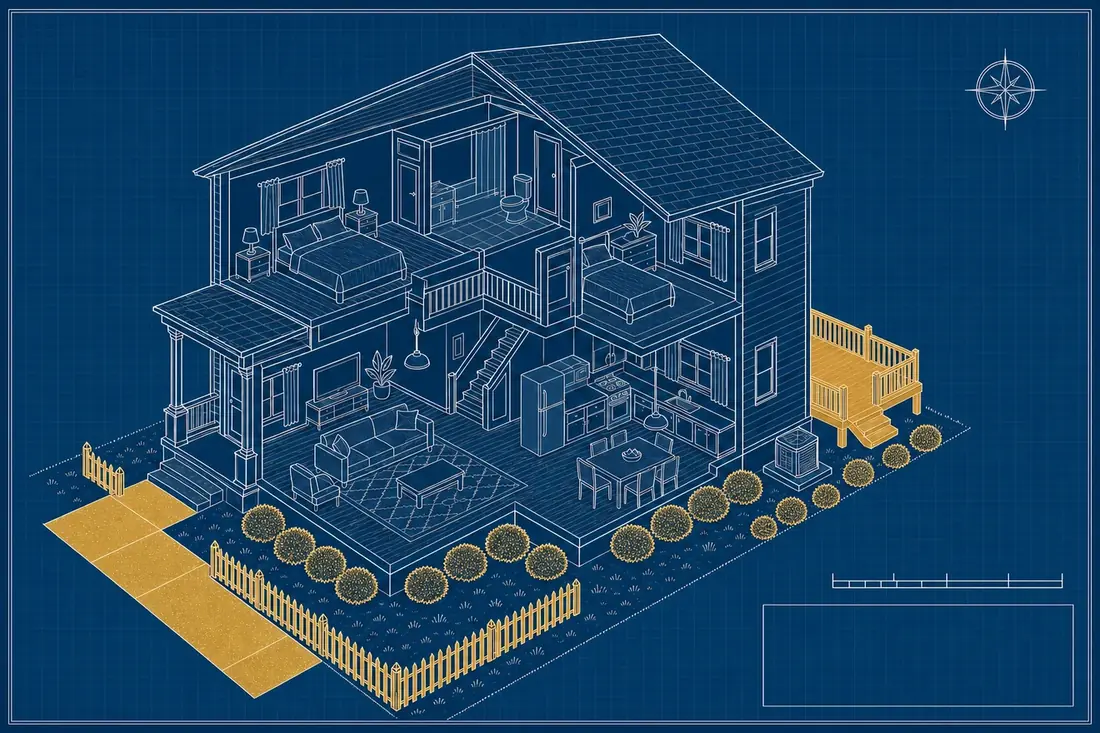
5-Year: carpet and flooring, cabinets, appliances, light fixtures, curtains 7-Year: furniture 15-Year: driveway, fencing, landscaping, deck 27.5/39-Year Shell: roof, load-bearing walls, foundation, central HVAC Get your free Preliminary Benefit Estimate Find out whether your building's HVAC has any equipment-serving component with a free Preliminary Benefit Estimate. Request Your Free Estimate »The exception: equipment-serving HVACThe exception is HVAC dedicated to a specific piece of equipment or an industrial process rather than to occupant comfort generally, systems like server-room cooling or process ventilation built to keep a machine or a room within a required temperature or air-quality range. This is a narrower fact pattern than most buildings have, and it is exactly where an engineering-based study earns its keep: distinguishing a comfort system that serves the whole building from a process system that serves one piece of equipment or one specific space. The test is what the system serves, not how it looks or where it sits. A rooftop unit feeding general office space is structural no matter how large or expensive it is. A dedicated cooling system built specifically to keep server racks within a required temperature range is a different fact pattern, and an engineer evaluates it on that basis rather than assuming every mechanical system is automatically structural. Section 179 qualified real property on HVACOn nonresidential property, section 179 qualified real property lets an owner expense HVAC, along with roofs, fire protection and alarm systems, and security systems, placed in service after the building was first placed in service, subject to the annual section 179 dollar limits and to business income limits. This route does not apply to residential rental property. It works alongside cost segregation rather than replacing it; a study still classifies the rest of the building normally, while section 179 offers a separate expensing route specifically for these four categories. See section 179 on roofs and HVAC. Partial asset disposition when HVAC is replacedUnder Treas. Reg. 1.168(i)-8, replacing a central HVAC system lets an owner write off the remaining basis of the OLD system, but only in the tax year of the replacement. Miss that year and the election is gone; the old system's remaining basis keeps depreciating for decades while the new system stacks on top as a fresh asset. See partial asset disposition for the mechanics of that same-year deadline. Why this is where competitors get it wrongClassifying whole-building HVAC as 5-year property is one of the more common overreaches in low-quality cost segregation work. It inflates a study's headline numbers in year one and creates exposure if an examiner ever reviews the classification against the IRS's own Audit Techniques Guide. A study built to that standard classifies HVAC on what it actually serves, not on what produces the biggest number, which is precisely the discipline an engineering-based methodology is supposed to bring to the exercise. Whether a specific HVAC system qualifies as equipment-serving is a question of the property's facts, and is a determination for the owner's CPA.
The 60-Second Qualifier Four questions. Our engineering team's model shows the estimated first-year acceleration a study of your property would target, free, before you commit to anything. Take the Qualifier »What a study finds on an HVAC-heavy building insteadOn most commercial properties, HVAC itself is not where the reclassified dollars come from. The reclassified share tends to show up in flooring, cabinetry, decorative lighting, equipment-serving electrical and plumbing, and site improvements, the categories that are genuinely built as personal property or land improvements from the start, rather than the whole-building comfort system. How this plays out on a real building$2,971,345Mid-rise office building basis, benchmark run $479,220First-year deductions identified 39.9:1Deductions to the $12,000 fee A mid-rise office is exactly the kind of property where whole-building HVAC dominates the mechanical budget, and it is exactly the kind of property where a careless study is most tempted to reclassify that HVAC into 5-year property to inflate the number. In a correctly run study of a mid-rise office, the reclassified dollars come from flooring, decorative lighting, cabinetry, and site improvements instead, with the central HVAC system staying on the 39-year schedule where it belongs. What to ask before trusting a study's HVAC classificationAn owner reviewing a proposed study does not need an engineering background to sanity-check this one item. It is fair to ask directly whether the whole-building HVAC system was classified as structural or as personal property, and if the answer is personal property, to ask what specific equipment or process it was built to serve. A study that cannot answer that question clearly is the study most likely to have overreached. How HVAC interacts with a replacement down the roadCentral HVAC equipment eventually wears out and gets replaced like any other building system. When that happens, the same partial asset disposition mechanic that applies to a roof replacement applies here: the remaining basis of the OLD system can be written off, but only in the tax year the new system is placed in service. Planning for that replacement year in advance, rather than discovering the deadline after it has passed, is the difference between capturing that write-off and losing it for good. Consider a hypothetical big-box retail building with two mechanical systems installed side by side. The first is a set of rooftop units feeding conditioned air to the sales floor and the fitting rooms, serving the building's general occupied space. The second is a dedicated cooling system built specifically to hold a small server closet at a required temperature, installed only to protect that equipment and nothing else. An engineer walks the building and classifies the two differently: the rooftop units feeding general occupied space are structural, staying on the 39-year schedule regardless of their size or cost, while the dedicated server-room system is evaluated against what it actually serves, and can shift to a shorter class if it meets that test. Two systems, same roof, same building, two different answers, because the classification follows what each system serves rather than what it looks like or how much it cost to install. Frequently asked questionsCan any part of an HVAC system be 5-year property? Yes, but only the narrow slice built to serve specific equipment or a process rather than the whole building's comfort, like server-room cooling or process ventilation. Whole-building comfort HVAC stays structural regardless of its cost or how recently it was installed. Does section 179 apply to HVAC in an apartment building? No. Section 179 qualified real property applies to nonresidential buildings. It does not apply to residential rental property, including apartment buildings, regardless of how the HVAC system inside it is configured or installed. What happens to old HVAC equipment when it is replaced? A partial asset disposition, under Treas. Reg. 1.168(i)-8, lets an owner write off the old system's remaining basis, but only in the tax year the replacement is placed in service. Missing that year forfeits the election permanently. Why do some cost segregation calculators classify HVAC as 5-year? Generic calculators often apply broad assumptions instead of checking what a specific HVAC system actually serves. Whole-building comfort systems are structural; only equipment-serving systems can shift class, and that distinction requires looking at the actual property, not a category label. Is rooftop HVAC equipment automatically 5-year property? No. What matters is what the system serves, not where it sits. Rooftop units feeding the building's general occupied space are structural regardless of their physical location on the roof. Keep readingGet your free Preliminary Benefit Estimate Send the address or the listing link. We model the number first; you decide with it in hand. Request Your Free Estimate »Educational information, not tax advice. This page describes how federal
depreciation rules and tests work in general. Whether any rule fits your facts is a determination for
you and your CPA. Our study gives your CPA the engineering and the numbers to make that call.
|