|
Cost Segregation for Commercial & Short-Term Rental Owners
|
Request a free estimate [email protected] |
Property Types
FREE Estimate Is there a first-year deduction sitting in your building? No cost, no obligation. Request Yours »Minimum ROIOur study identifies at least 20x its fee in first-year deductions on commercial property, or at least 30x on a short-term rental, or it is free. |
How Does Cost Segregation Work for a Hotel or Motel?Quick answer A hospitality property carries an unusually dense layer of furniture, fixtures, and equipment (FF&E), guest room casegoods and decorative lighting, plus commercial kitchen and laundry equipment and pool systems, all separate from the 39-year structural shell. That FF&E density typically pushes hotels toward a strong reclassification result. Owner-operators who materially participate in day-to-day operations face a different passive activity analysis than a passive investor in a branded, third-party-managed property, since nightly stays do not qualify for the short-term rental exception the way weekly or shorter rentals do. See this applied to your building. A few questions, 30 seconds. You see which tests matter and the first-year deduction range a study would look for. No email to see the range. Run the 30-second check »Key takeaways
Watch a motel get built and classified A hypothetical $4.8 million, 24-room courtyard motel goes up piece by piece, from the parking and the foundations to the guest rooms, the laundry and the pool. Every component lands on its depreciation schedule as it is installed, and the year-one depreciation adds up on screen. Watch the 90-second walkthrough »The First-Year Numbers on a Hospitality PropertyA study typically shifts 15 to 35% of a building's basis into faster schedules, and hospitality properties, dense with FF&E and equipment-serving systems, tend to land toward the higher end of that range compared to a simple commercial shell. First-year deductions on commercial property broadly run 16 to 21% of building basis under current bonus rules, and a hotel or motel's mix of guest room FF&E, kitchen equipment, and site work often pushes above that general benchmark once fully classified. The exact figure on a specific property depends on room count, kitchen and laundry scope, and site size, which is what an engineering-based study, not a rule of thumb, determines. 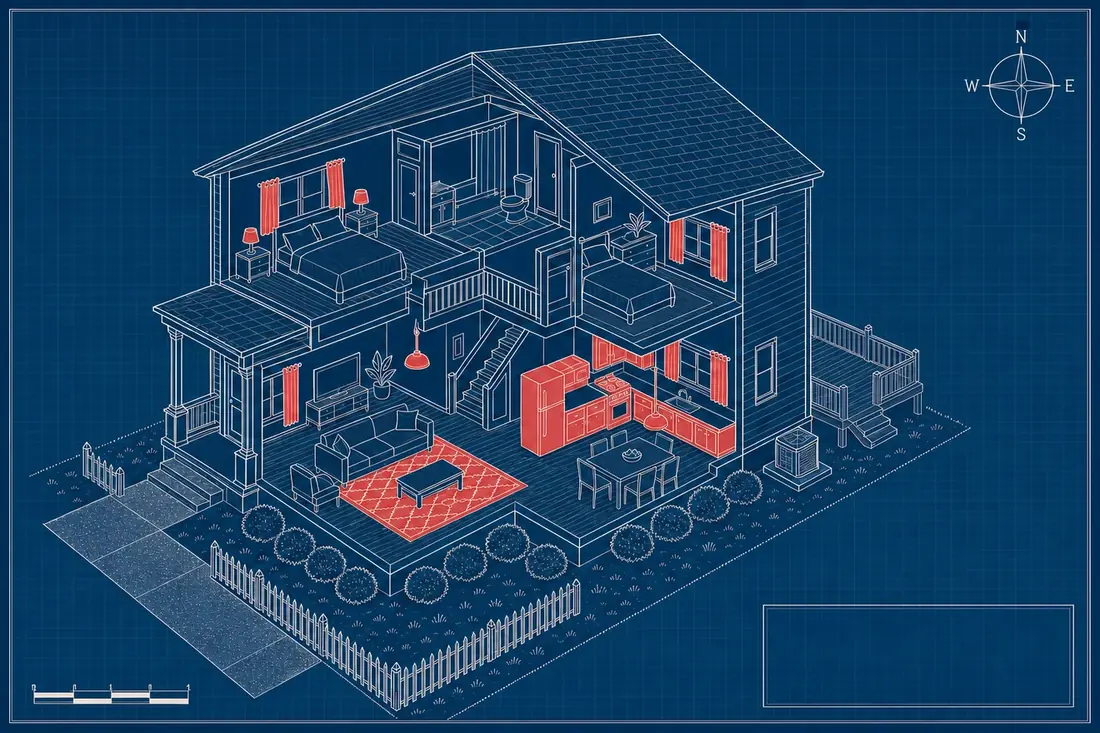
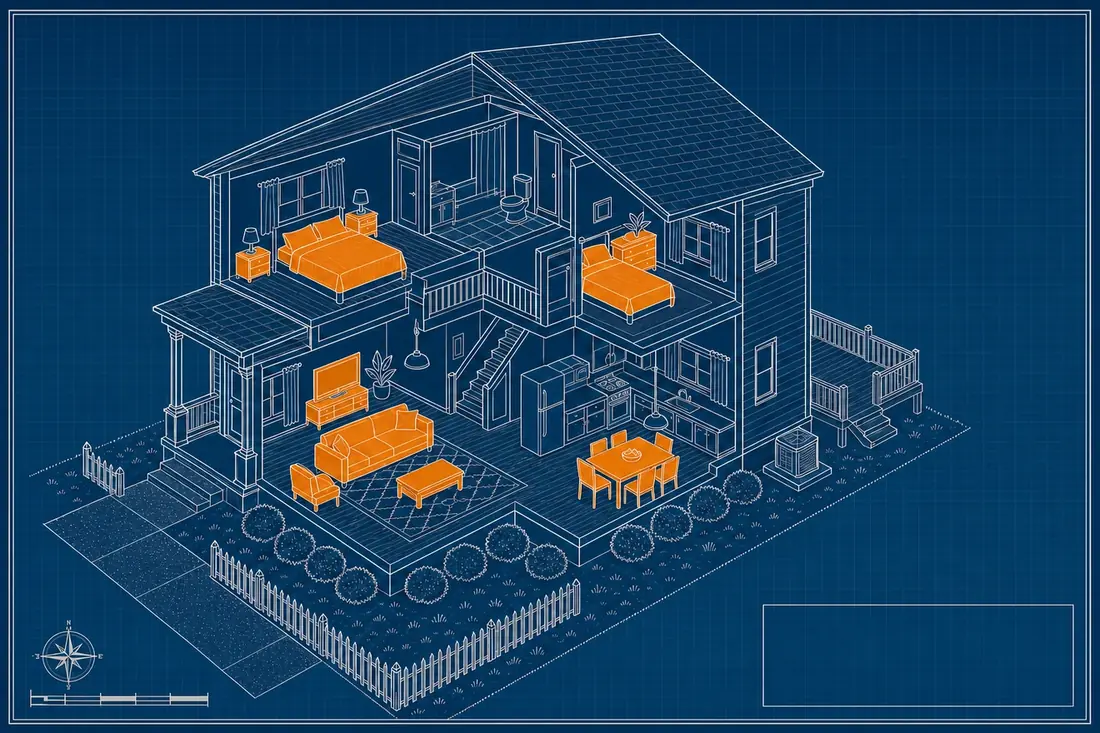
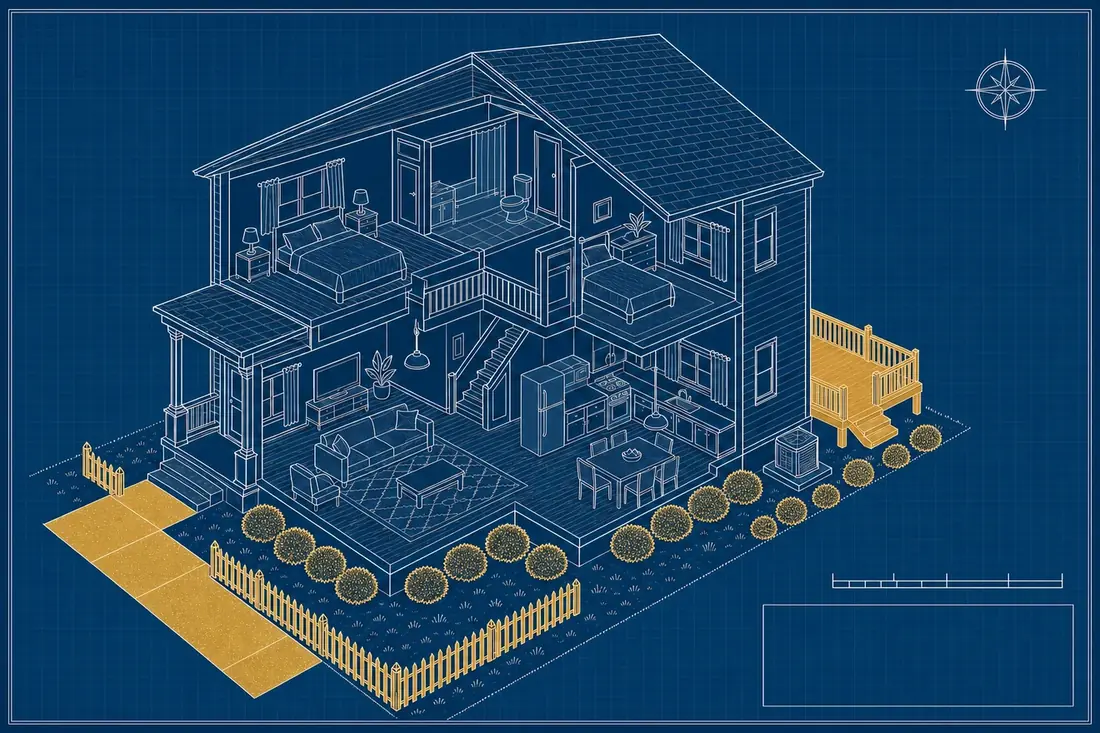
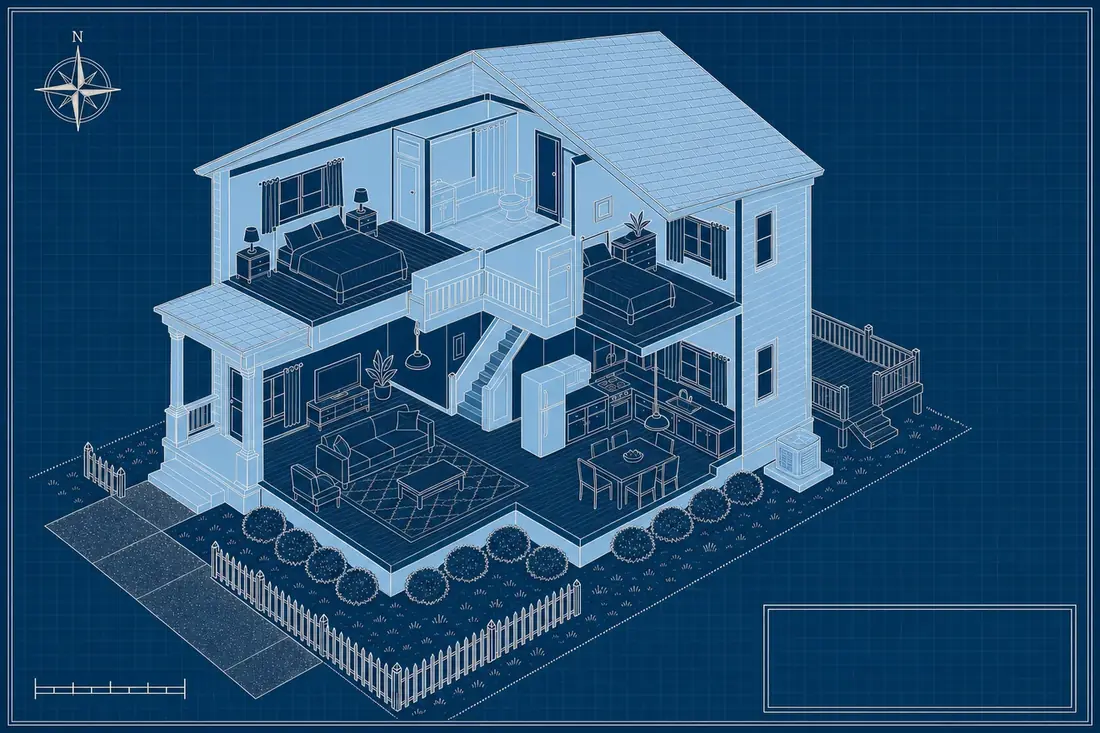
5-Year: carpet and flooring, cabinets, appliances, light fixtures, curtains 7-Year: furniture 15-Year: driveway, fencing, landscaping, deck 27.5/39-Year Shell: roof, load-bearing walls, foundation, central HVAC Get your free Preliminary Benefit Estimate Get a free preliminary benefit estimate on your hotel or motel property before committing to a study. Request Your Free Estimate »FF&E: A Hotel's Densest LayerA hotel or motel carries more furniture, fixtures, and equipment per square foot than almost any other commercial property type. Guest room casegoods, desks, dressers, headboards, decorative lighting, artwork, and drapery repeat across every room, the same way unit finishes repeat in an apartment building. Lobby furniture, front desk millwork, meeting-room furniture, and public-space fixtures add another layer, and a property with a fitness center or business center carries its own dedicated equipment on top of that. Most of this FF&E sits on 5 or 7-year schedules, well outside the 39-year shell that covers the building's walls, roof, and structural systems. The IRS lost the argument that a building is one undifferentiated asset in Hospital Corporation of America v. Commissioner (109 T.C. 21, 1997), and its own Cost Segregation Audit Techniques Guide (Publication 5653) describes how a proper study separates FF&E from structure. Because most hotel FF&E qualifies as 5 or 7-year property, it is also eligible for bonus depreciation under section 168(k), currently restored to 100% and made permanent for qualified property placed in service after January 19, 2025. Kitchens, Laundry, and PoolsA property's commercial kitchen, whether it serves a full restaurant or a limited breakfast bar, carries equipment-serving electrical, gas, and plumbing connections separate from the building's core systems. The same is true of an on-site laundry facility, washers, dryers, and the utility connections that feed them, whether the property runs its own laundry in-house or maintains a smaller linen-processing setup alongside an outside service. A pool and its surrounding decking, along with the pool's mechanical equipment, is typically classified as a 15-year land improvement combined with shorter-life mechanical components. A hotel with a full-service restaurant carries a much larger kitchen equipment package, hoods, walk-in coolers, and dedicated ventilation, than a limited-service property whose kitchen exists just to serve a continental breakfast, and the depth of that equipment package is one of the bigger swing factors in how much a hospitality study finds. The 60-Second Qualifier Four questions. Our engineering team's model shows the estimated first-year acceleration a study of your property would target, free, before you commit to anything. Take the Qualifier »Site Work and ParkingParking, drive approaches, exterior lighting, and landscaped grounds around a hotel property are 15-year land improvements, the same category that applies to most other commercial property types. On a property with a large surface lot serving a high room count, this can be a meaningful share of total basis. A roadside motel built around exterior corridors and a shared surface lot typically carries proportionally more of this site-work category than a mid-rise interior-corridor hotel with structured parking, where more of that value sits inside the 39-year shell instead. Owner-Operators vs. the Branded, Managed WorldHow a hotel owner participates changes the passive activity analysis, not the depreciation mechanics. Depreciation reclassification works the same on every hotel regardless of who runs it. What changes is whether the resulting losses can offset other income. Rental losses are passive by default under section 469 and generally only offset passive income, with two main exits: real estate professional status (750 or more hours and more than half of an individual's working time in real property trades, plus material participation), or the short-term rental exception. That exception, under Reg. 1.469-1T(e)(3)(ii), applies when a property's average guest stay is 7 days or less. Most hotel and motel stays are nightly and do not meet that average, which puts most hospitality properties outside that particular exception; an owner-operator who materially participates in daily operations sits in a different position for the general material-participation rules than a passive investor in a branded, third-party-managed property. Whether either path fits a specific owner's facts is a question for that owner's CPA. This passive-loss question sits entirely apart from the depreciation reclassification itself, which happens the same way on every hotel or motel regardless of who owns or operates it. A New Build, a Recent Purchase, or a Property Renovated Mid-OwnershipThe depreciation mechanics work the same whether a hotel was built new, purchased last year, or has been operating under the same owner for a decade. A property owned for years and never studied becomes a look-back study, claimed through Form 3115 with a section 481(a) catch-up deduction taken in the current tax year rather than through amended returns. A guest room renovation, new casegoods and carpet across every floor, for example, also creates a partial asset disposition opportunity on whatever old FF&E gets torn out, in the year the renovation happens, whether that renovation touches every room at once or rolls out floor by floor over several years. Turnaround on a hospitality study typically runs 4 to 6 weeks during tax season and 2 to 3 weeks in January and February, and every study is custom priced to the property's room count, equipment, and site complexity rather than sold off a flat rate card. A free preliminary benefit estimate is available before any commitment, whether the property is a single roadside motel or a larger flagged hotel. Frequently asked questionsDo nightly hotel stays qualify for the short-term rental tax exception? The short-term rental exception under section 469 applies to a property whose average guest stay is 7 days or less. Nightly hotel and motel stays generally fall outside that average, which is different from a vacation rental with weekly turnover. Whether a specific property's stay pattern fits the exception is a question for that owner's CPA. Is FF&E in a hotel bonus-depreciation eligible? Furniture, fixtures, and equipment classified to 5, 7, or 15-year schedules by a cost segregation study are bonus-eligible under current law, restored to 100% and made permanent for qualified property placed in service after January 19, 2025. The 39-year structural shell is never bonus-eligible, no matter how new it is. Does a franchised or branded hotel study differently than an independent one? The depreciation mechanics are identical regardless of flag or management structure. What can differ is the passive-loss analysis, since an owner-operator who materially participates faces a different test than a passive investor relying on a third-party management company. How does a hotel's pool get classified? A pool and its surrounding decking are typically treated as a 15-year land improvement, with the pool's mechanical and filtration equipment classified on its own shorter schedule as equipment-serving systems. Keep readingGet your free Preliminary Benefit Estimate Send the address or the listing link. We model the number first; you decide with it in hand. Request Your Free Estimate »Educational information, not tax advice. This page describes how federal
depreciation rules and tests work in general. Whether any rule fits your facts is a determination for
you and your CPA. Our study gives your CPA the engineering and the numbers to make that call.
|