|
Cost Segregation for Commercial & Short-Term Rental Owners
|
Request a free estimate [email protected] |
Property Types
FREE Estimate Is there a first-year deduction sitting in your building? No cost, no obligation. Request Yours »Minimum ROIOur study identifies at least 20x its fee in first-year deductions on commercial property, or at least 30x on a short-term rental, or it is free. |
What Does Cost Segregation Find in an Auto Repair Shop?Quick answer An auto repair shop's electrical and plumbing systems are built to serve specific equipment, dedicated circuits for vehicle lifts, compressed air lines feeding pneumatic tools, and floor drains tied to service bays, which puts them in a different depreciation class than the building's general power and plumbing. Bay doors and their operators, along with the paved yard and customer parking, add further faster-life components. A cost segregation study separates all of this from the 39-year structural shell that holds the building together. See this applied to your building. A few questions, 30 seconds. You see which tests matter and the first-year deduction range a study would look for. No email to see the range. Run the 30-second check »Key takeaways
Watch a restaurant get built and classified A hypothetical $5 million drive-thru goes up piece by piece. Every component lands on its depreciation schedule as it is installed, and the year-one depreciation adds up on screen. Watch the 3-minute walkthrough »A Property Built Around Bays, Not Square FootageAn auto repair shop's value has less to do with finished square footage than most commercial buildings and more to do with how many service bays it runs and how those bays are equipped. Two shops the same size can carry very different amounts of equipment-serving infrastructure depending on whether they run two lifts or eight, one compressor or a shop-wide compressed air loop, and a simple oil-change counter or a full diagnostic and alignment operation. That variation is exactly why an engineering-based study, not a generic percentage, is what determines the actual reclassification on a specific shop. 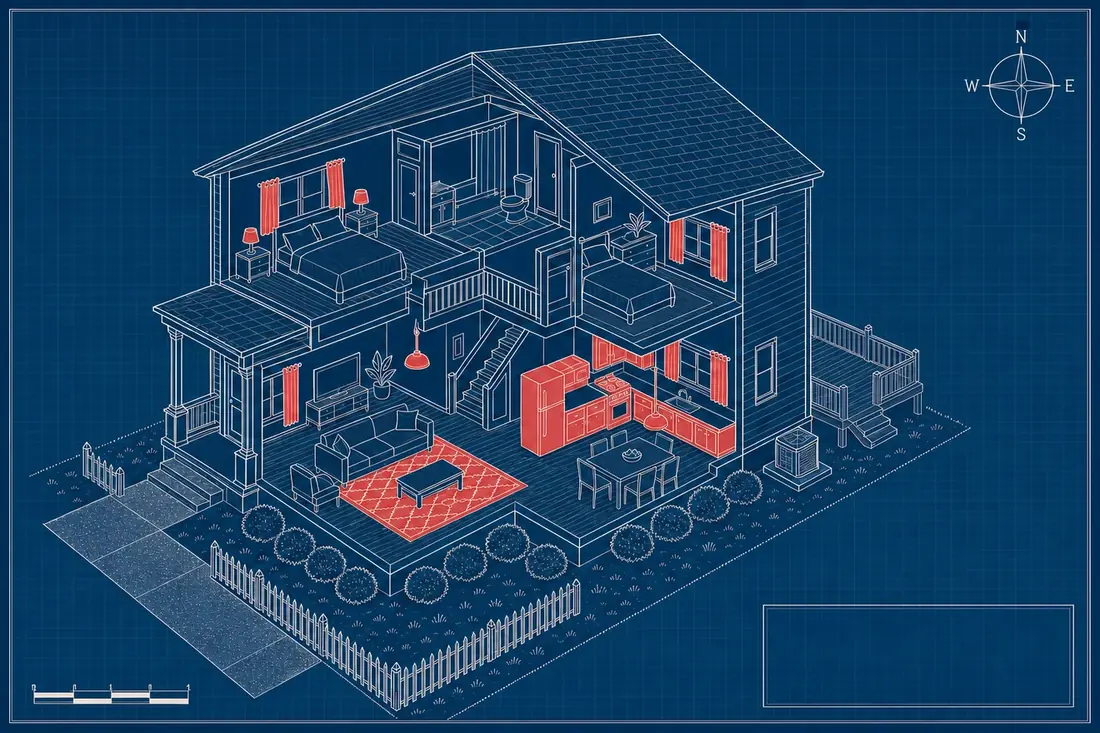
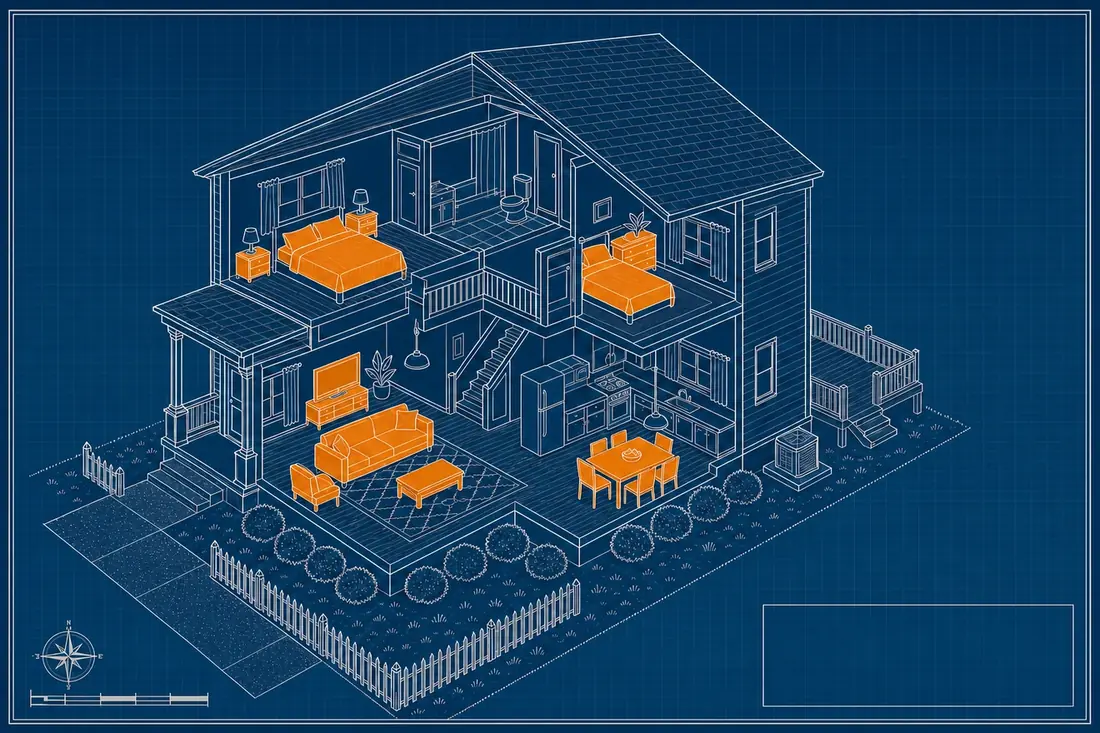
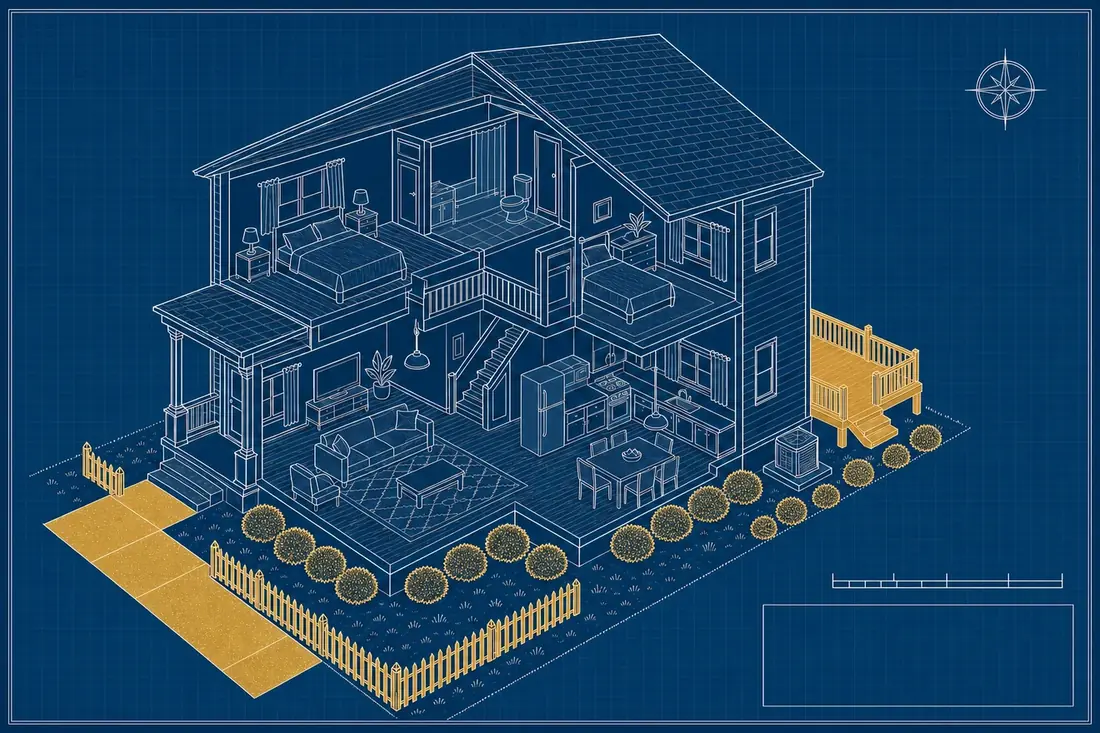
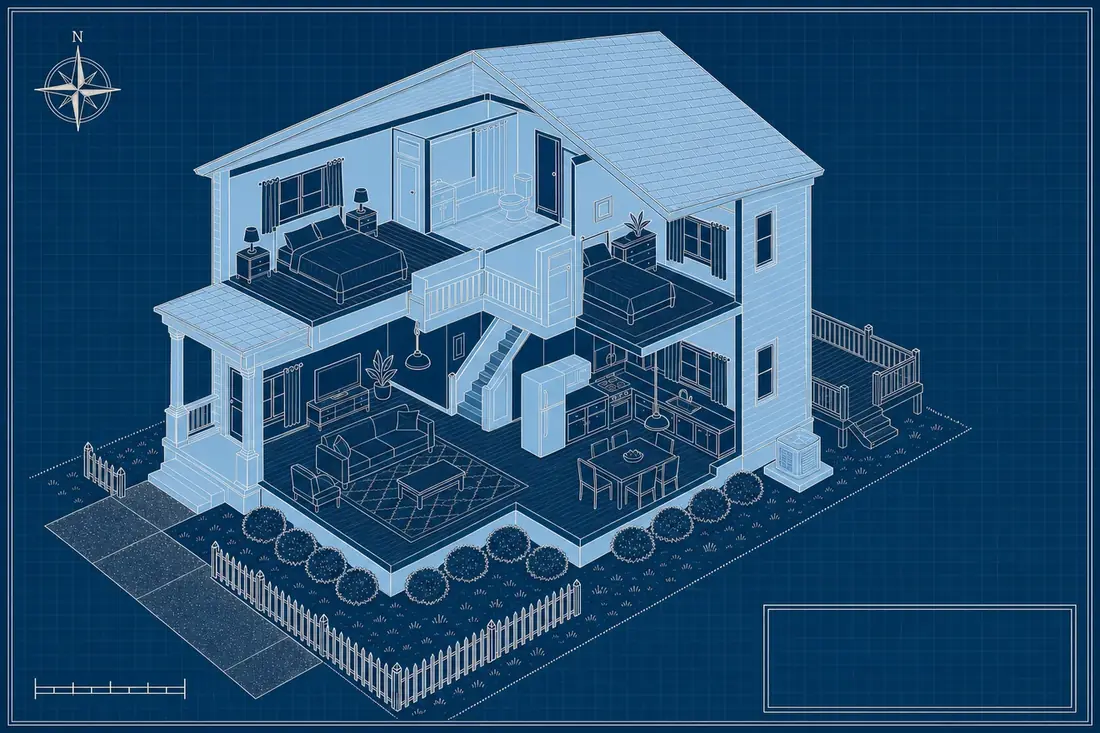
5-Year: carpet and flooring, cabinets, appliances, light fixtures, curtains 7-Year: furniture 15-Year: driveway, fencing, landscaping, deck 27.5/39-Year Shell: roof, load-bearing walls, foundation, central HVAC Get your free Preliminary Benefit Estimate See what your shop's equipment-heavy bays are likely to produce with a free preliminary benefit estimate. Request Your Free Estimate »Lifts and Compressed Air: The Shop's Core EquipmentA repair shop's value sits in its equipment-serving infrastructure as much as its structure. Vehicle lifts need dedicated electrical circuits sized for their motors, and most shops run a compressed air system, a compressor, air lines, and drops at each bay, feeding pneumatic wrenches, lifts, tire changers, and torque tools. These are electrical and plumbing runs serving specific equipment, which is exactly the distinction that separates 5-year property from the building's core 39-year systems. The IRS lost the argument that a building is one undifferentiated asset in Hospital Corporation of America v. Commissioner (109 T.C. 21, 1997), and now publishes its own Cost Segregation Audit Techniques Guide (Publication 5653), describing how a proper study separates equipment-serving systems from structure. Because these components qualify as 5-year property, they are also eligible for bonus depreciation under section 168(k), currently restored to 100% and made permanent for qualified property placed in service after January 19, 2025. Floor Drains and Bay DoorsFloor drains built into service bays, along with any oil-water separator or reclaim system tied to them, serve the shop's specific use rather than general building plumbing. Bay doors, the large overhead doors vehicles drive through, and their motorized operators, are commonly reviewed as separate components from the wall structure they are mounted in. A shop with a paint booth or an alignment bay carries additional dedicated systems, ventilation and filtration for the booth, or specialized flooring and equipment anchors for the alignment rack, each reviewed the same way as the rest of the bay's equipment-serving infrastructure.
Yard Paving and ParkingThe yard, the paved area where vehicles wait for service or pickup, along with customer parking, is a 15-year land improvement, the same category that covers paving on nearly every commercial property type. Shops with a larger vehicle storage yard tend to have more paving relative to building size than a typical retail or office property, particularly a shop that holds vehicles overnight for parts or insurance work rather than same-day service. Site lighting over the yard and any perimeter fencing around a vehicle storage area travel with the paving as 15-year property. The 60-Second Qualifier Four questions. Our engineering team's model shows the estimated first-year acceleration a study of your property would target, free, before you commit to anything. Take the Qualifier »Office and Waiting AreaThe customer-facing office and waiting area gets the same review a small retail space would: carpet or flooring, counters, and decorative lighting move to 5-year property, while the office structure itself stays on the 39-year schedule alongside the shop bays. This portion is usually the smallest share of the total study on a typical repair shop, since most of the building's footprint and most of its cost sits in the service bays and their equipment. A quick-lube or tire shop with a larger retail counter and waiting area has proportionally more of this category than a general repair shop built mostly around bays, since retail-facing space is where most of a shop's decorative finish and customer-facing millwork tends to concentrate, rather than in the bays themselves where function drives every material choice. Where a Repair Shop Lands on the Reclass RangeA study typically shifts 15 to 35% of a building's basis into faster schedules, and a repair shop's mix of equipment-serving electrical and plumbing, bay doors, and yard paving tends to land it above a simple office shell, closer to the middle or upper part of that range depending on how many bays and how much specialty equipment infrastructure the shop carries. First-year deductions on commercial property broadly run 16 to 21% of basis under current bonus rules, and the exact figure for a given shop depends on its bay count, equipment mix, and yard size, which is what an engineering-based study determines rather than a rule of thumb. A dealership service center or a large multi-bay chain location, with more lifts, more compressed air infrastructure, and a bigger paved yard, generally has more to classify than a small independent two-bay garage, even when the two properties sit at a similar price per square foot. New Build, Recent Purchase, or a Shop You Have Run for YearsThe mechanics work the same whether the shop was built new last year or has been operating under the same owner for a decade. On a shop owned for years and never studied, the review becomes a look-back study, claimed through Form 3115 with a section 481(a) catch-up deduction taken in the current tax year, no amended returns required. Turnaround typically runs 4 to 6 weeks during tax season and 2 to 3 weeks in January and February, and every study is custom priced to the shop's bay count, equipment, and site complexity rather than sold off a flat rate card. A free preliminary benefit estimate, modeling the likely first-year result before any commitment, is available regardless of whether the shop is a single independent location or one of several under common ownership. Frequently asked questionsAre vehicle lifts themselves classified in a cost segregation study? The lift equipment itself is typically business personal property outside the building's cost basis. What a study classifies is the building-side infrastructure that serves the lifts, the dedicated electrical circuits and floor systems built to support them. Do floor drains count as 5-year property? Floor drains and any associated oil-water separator or reclaim system built to serve specific service bays are generally treated as equipment-serving plumbing, separate from the building's general plumbing system, which puts them in a faster class than the 39-year shell. Is the vehicle yard paving worth including in a study? Yes. Paved yard space and customer parking are 15-year land improvements, and a repair shop with a larger paved yard relative to its building size often has meaningfully more of this component than a typical retail building the same size. How does an auto repair shop's study get priced? Every study is custom priced to the property's basis and equipment; there is no flat rate card. A free preliminary benefit estimate, modeling the likely first-year result based on the shop's bay count and equipment, is available before any commitment. Keep readingGet your free Preliminary Benefit Estimate Send the address or the listing link. We model the number first; you decide with it in hand. Request Your Free Estimate »Educational information, not tax advice. This page describes how federal
depreciation rules and tests work in general. Whether any rule fits your facts is a determination for
you and your CPA. Our study gives your CPA the engineering and the numbers to make that call.
|