|
Cost Segregation for Commercial & Short-Term Rental Owners
|
Request a free estimate [email protected] |
Property Types
FREE Estimate Is there a first-year deduction sitting in your building? No cost, no obligation. Request Yours »Minimum ROIOur study identifies at least 20x its fee in first-year deductions on commercial property, or at least 30x on a short-term rental, or it is free. |
What Does Cost Segregation Find in a Daycare Center?Quick answer Cost segregation for a daycare center starts with the outdoor playground: the equipment and the impact-absorbing surfacing beneath it is a site improvement separate from the building's 39-year shell, generally landing on the 15-year schedule. Inside, a daycare's commercial kitchen, child-scale fixtures, sinks, cabinetry, and cubbies sized for toddlers, and safety-driven finishes move to 5-year property, and perimeter fencing required for licensing is a further land improvement. This is a genuinely underserved property type for cost segregation content, but the mechanics are the same reclassification applied anywhere else. See this applied to your building. A few questions, 30 seconds. You see which tests matter and the first-year deduction range a study would look for. No email to see the range. Run the 30-second check »Key takeaways
Watch a restaurant get built and classified A hypothetical $5 million drive-thru goes up piece by piece. Every component lands on its depreciation schedule as it is installed, and the year-one depreciation adds up on screen. Watch the 3-minute walkthrough »A Property Shaped by Licensing RequirementsA licensed childcare facility is built around state licensing rules more than almost any other commercial property type, and those rules touch nearly every component a cost segregation study reviews: required playground surfacing, secured fencing, child-scale fixtures, and specific kitchen and bathroom configurations. Because so many of these components are mandated rather than optional, a study on a daycare center tends to find a fairly consistent set of components across facilities, even though the exact classification and dollar amounts still depend on the specific building's construction, square footage, and how recently the facility was built or renovated to meet current standards, since older facilities sometimes carry a mix of original construction and retrofit components installed to satisfy updated rules. 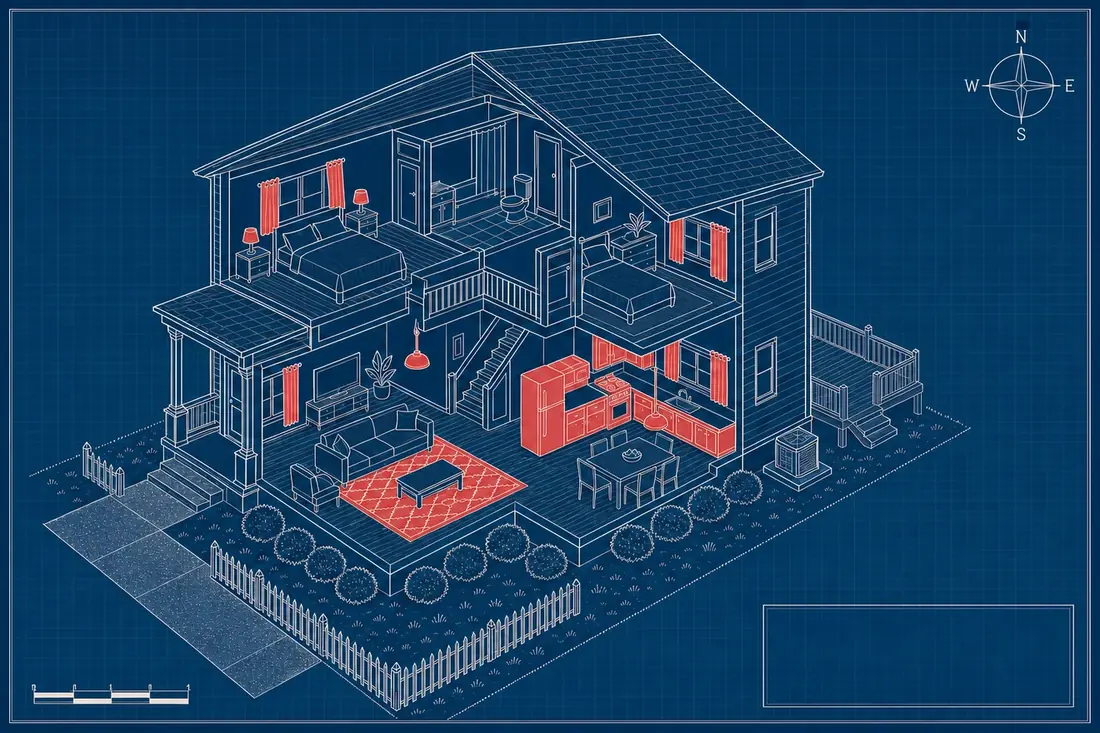
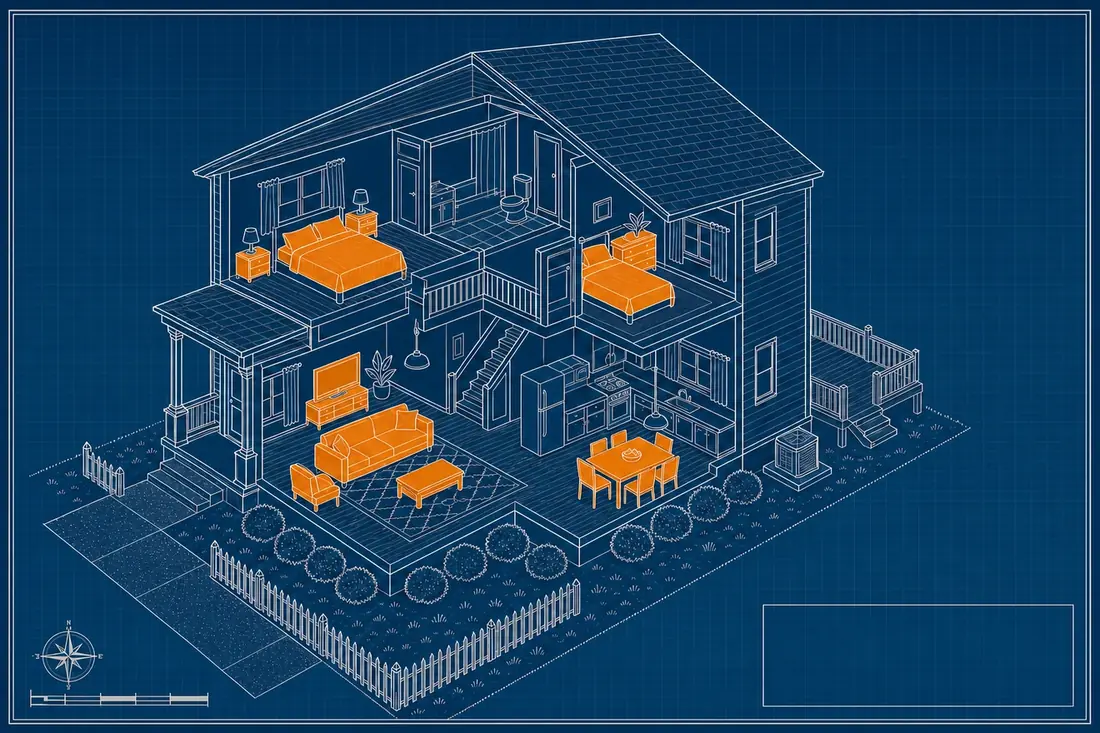
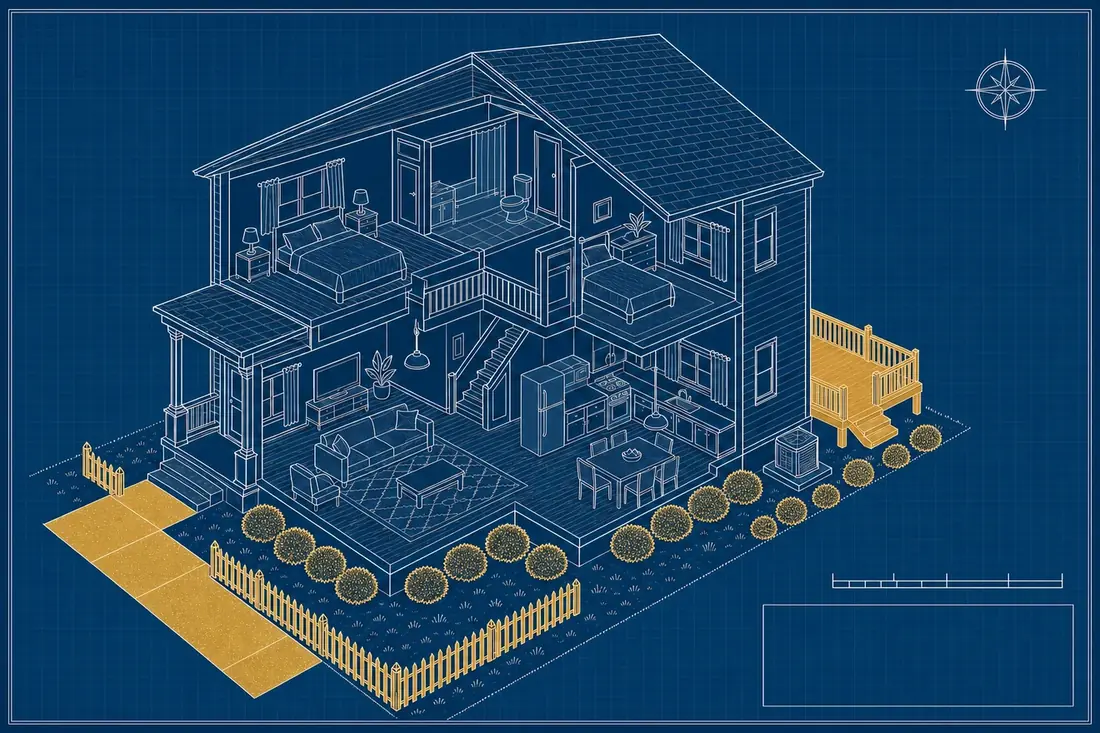
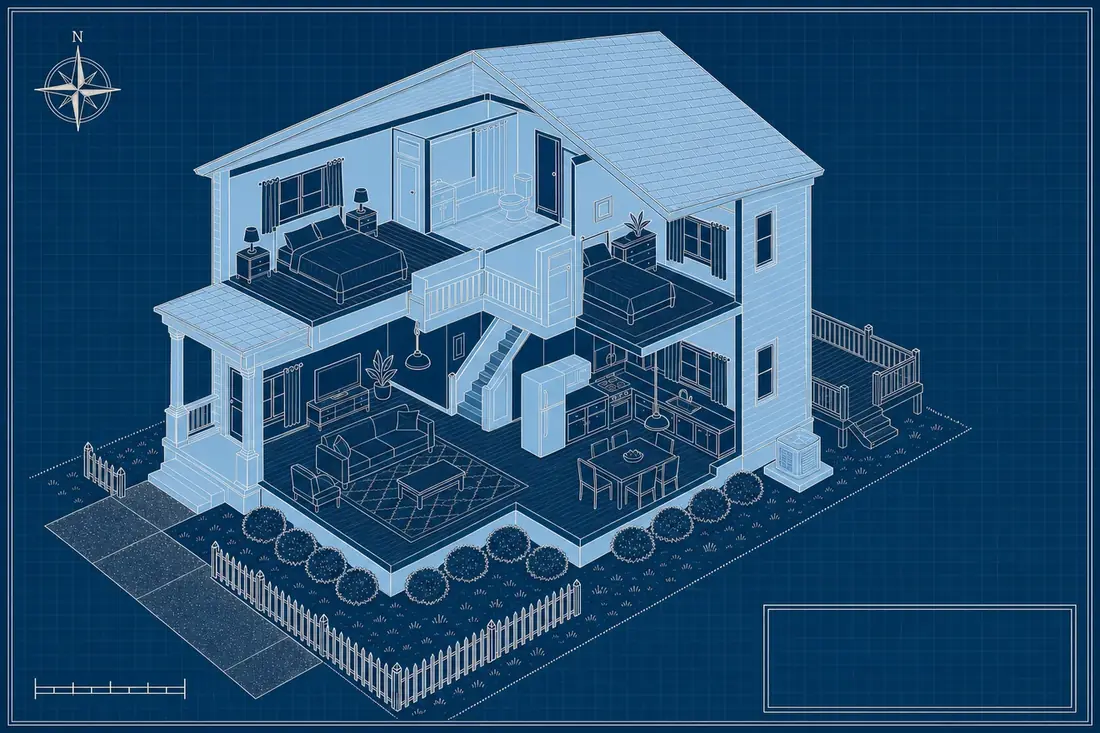
5-Year: carpet and flooring, cabinets, appliances, light fixtures, curtains 7-Year: furniture 15-Year: driveway, fencing, landscaping, deck 27.5/39-Year Shell: roof, load-bearing walls, foundation, central HVAC Get your free Preliminary Benefit Estimate Find out what your daycare facility is likely to produce with a free preliminary benefit estimate. Request Your Free Estimate »The Playground: A Daycare's Distinct Site ComponentA licensed daycare center's outdoor play area is unlike the site work on almost any other commercial property. The playground equipment itself, along with the impact-absorbing surfacing installed beneath and around it, poured rubber, engineered wood fiber, or rubber tile, depending on the facility, is a land improvement, generally 15-year property, separate from the building's own structural shell. This surfacing is frequently required by state licensing standards, which makes it a near-universal component on any daycare property, not an optional upgrade some facilities skip. The IRS lost the argument that a building is one undifferentiated asset in Hospital Corporation of America v. Commissioner (109 T.C. 21, 1997), and its own Cost Segregation Audit Techniques Guide (Publication 5653) describes how a proper study separates land improvements and equipment from structure, the same approach that applies here. Because playground surfacing and equipment qualify as 15-year property, they are also eligible for bonus depreciation under section 168(k), currently restored to 100% and made permanent for qualified property placed in service after January 19, 2025. Kitchens and Child-Scale FixturesInside, a daycare's kitchen, whether it prepares full meals or just snacks, carries the same equipment-serving electrical and plumbing that any commercial food-service space would, separately classified from the building's core systems. Many state licensing standards require a kitchen meeting specific food-service code even at a facility that only serves snacks, which means the equipment-serving infrastructure here is often more extensive than the facility's food program alone would suggest. Child-scale fixtures throughout the facility, low sinks and toilets sized for toddlers, low cabinetry and shelving, cubby systems for each child's belongings, and safety-driven flooring and wall finishes, move to 5-year property the same way comparable finishes would in any other building. A facility split into separate infant, toddler, and pre-K rooms often repeats a similar fixture package across each age group's space, which makes classifying one representative room's finishes an efficient way to extend the same logic across the rest of the building. The 60-Second Qualifier Four questions. Our engineering team's model shows the estimated first-year acceleration a study of your property would target, free, before you commit to anything. Take the Qualifier »Fencing and Licensing RequirementsMost state licensing requirements mandate a fully enclosed, secured outdoor play area, separate from any general parking or drive area on the site, which means perimeter fencing on a daycare property is rarely optional. That fencing, along with any gate or access-control hardware controlling entry to the play area, is a land improvement, reviewed the same way fencing would be on any other property type. Many licensing standards also require a specific type and height of fencing, self-latching gates, no gaps a small child could slip through, which means the fencing on a licensed facility is rarely a minimal or decorative installation. Why This Property Type Gets OverlookedDaycare centers are a genuinely underserved query in cost segregation content, not because the property type doesn't qualify, but because it gets less attention than restaurants, medical offices, or warehouses. The mechanics are identical: separate what depreciates fast, playground surfacing, kitchen equipment, child-scale fixtures, fencing, from the 39-year shell that holds the building together. An owner of a daycare property that has never had a study run is often sitting on the same reclassification opportunity a restaurant or medical office owner would have, just without the same volume of information available about it. A daycare franchisee operating several locations, common in this industry, often has the same opportunity across every site, and reviewing them together as a portfolio can be more efficient than treating each location as a one-off engagement, since the same playground surfacing and kitchen equipment categories tend to repeat across a chain's locations. Compare against medical and dental offices, another service-heavy property type with its own dense equipment layer. New Build, Recent Purchase, or a Facility You Have Run for YearsThe mechanics work the same whether a daycare center was built new, purchased recently, or has been operating under the same owner for a decade. On a facility owned for years and never studied, the review becomes a look-back study, claimed through Form 3115 with a section 481(a) catch-up deduction taken in the current tax year, no amended returns required. A study typically shifts 15 to 35% of a building's basis into faster schedules, and a daycare's mix of playground surfacing, kitchen equipment, and child-scale fixtures generally lands it in the middle of that range, similar to other service-oriented commercial properties. Turnaround typically runs 4 to 6 weeks during tax season and 2 to 3 weeks in January and February, and every study is custom priced to the facility's square footage, playground size, and kitchen scope rather than sold off a flat rate card. A free preliminary benefit estimate, modeling the likely first-year result before any commitment, is available whether the facility is a single center or one of several locations under common ownership, and it works from the same purchase price or basis information an owner would already have on hand. Frequently asked questionsIs playground surfacing depreciated as part of the building? No. Playground equipment and its surfacing are treated as land improvements, separate from the 39-year building shell, generally on a 15-year schedule. That includes both the play structures themselves and whatever impact-absorbing material, poured rubber, engineered wood fiber, or rubber tile, is installed beneath and around them. Does a daycare need a commercial kitchen to benefit from cost segregation? No. Even a facility with just a small snack-prep area has equipment-serving electrical and plumbing separate from the building's core systems. A full commercial kitchen with hoods, walk-in coolers, and dedicated ventilation simply adds more of that same category. Why don't more daycare owners know about cost segregation? The property type gets less content and less attention than higher-volume categories like restaurants or medical offices, not because it qualifies any differently. The same reclassification mechanics, separating fast-depreciating components from the 39-year shell, apply to a daycare exactly the way they apply to any other commercial building. Is required playground fencing treated differently than decorative fencing? Fencing is generally classified as a land improvement regardless of why it was installed. Licensing-required fencing around a play area follows the same 15-year treatment as fencing installed for any other purpose. Keep readingGet your free Preliminary Benefit Estimate Send the address or the listing link. We model the number first; you decide with it in hand. Request Your Free Estimate »Educational information, not tax advice. This page describes how federal
depreciation rules and tests work in general. Whether any rule fits your facts is a determination for
you and your CPA. Our study gives your CPA the engineering and the numbers to make that call.
|