|
Cost Segregation for Commercial & Short-Term Rental Owners
|
Request a free estimate [email protected] |
Property Types
FREE Estimate Is there a first-year deduction sitting in your building? No cost, no obligation. Request Yours »Minimum ROIOur study identifies at least 20x its fee in first-year deductions on commercial property, or at least 30x on a short-term rental, or it is free. |
How Does Cost Segregation Work on a Retail Strip Center?Quick answer A cost segregation study on a retail strip center separates fast-depreciating components, storefront systems, signage, decorative lighting, certain electrical runs, from the 39-year structural shell. The parking field, the surface lot serving the whole center, is usually the single largest 15-year land improvement on the property. Multi-tenant retail buildings typically shift 15 to 35% of building basis into faster schedules, and each tenant turnover creates a new opportunity to catch a partial asset disposition on the space being demolished. See this applied to your building. A few questions, 30 seconds. You see which tests matter and the first-year deduction range a study would look for. No email to see the range. Run the 30-second check »Key takeaways
Watch a restaurant get built and classified A hypothetical $5 million drive-thru goes up piece by piece. Every component lands on its depreciation schedule as it is installed, and the year-one depreciation adds up on screen. Watch the 3-minute walkthrough »What a Strip Center Study Looks ForA retail strip center is built for turnover. Tenants come and go, storefronts get rebuilt, and every layer of finish sits on top of whatever the last retailer left behind. A cost segregation study, an engineering review that separates a building's cost into its true depreciation classes, looks for the parts that don't belong on the standard 39-year commercial schedule.
The building's structural shell, load-bearing walls, roof, the parking structure if there is one, stays on the 39-year schedule regardless of how many tenants occupy the space. The IRS lost the argument that a building must be treated as one undifferentiated asset back in Hospital Corporation of America v. Commissioner (109 T.C. 21, 1997), and the agency now publishes its own Cost Segregation Audit Techniques Guide (Publication 5653) describing how a proper study separates components. A retail study follows that same published approach. 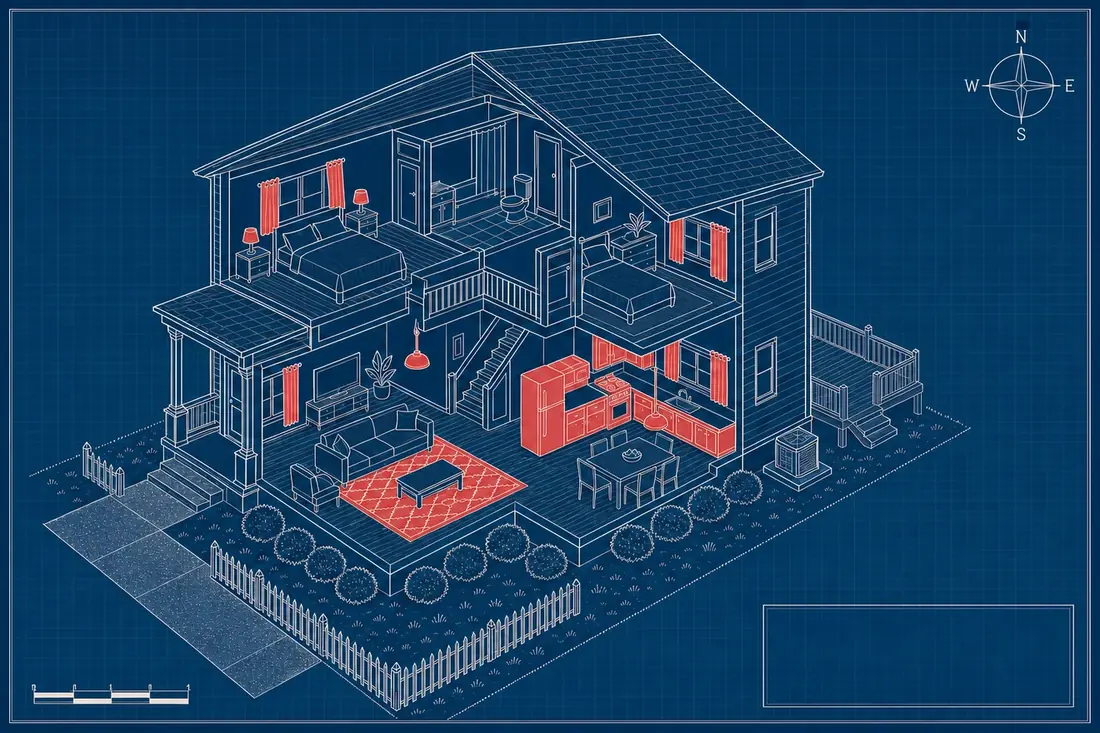
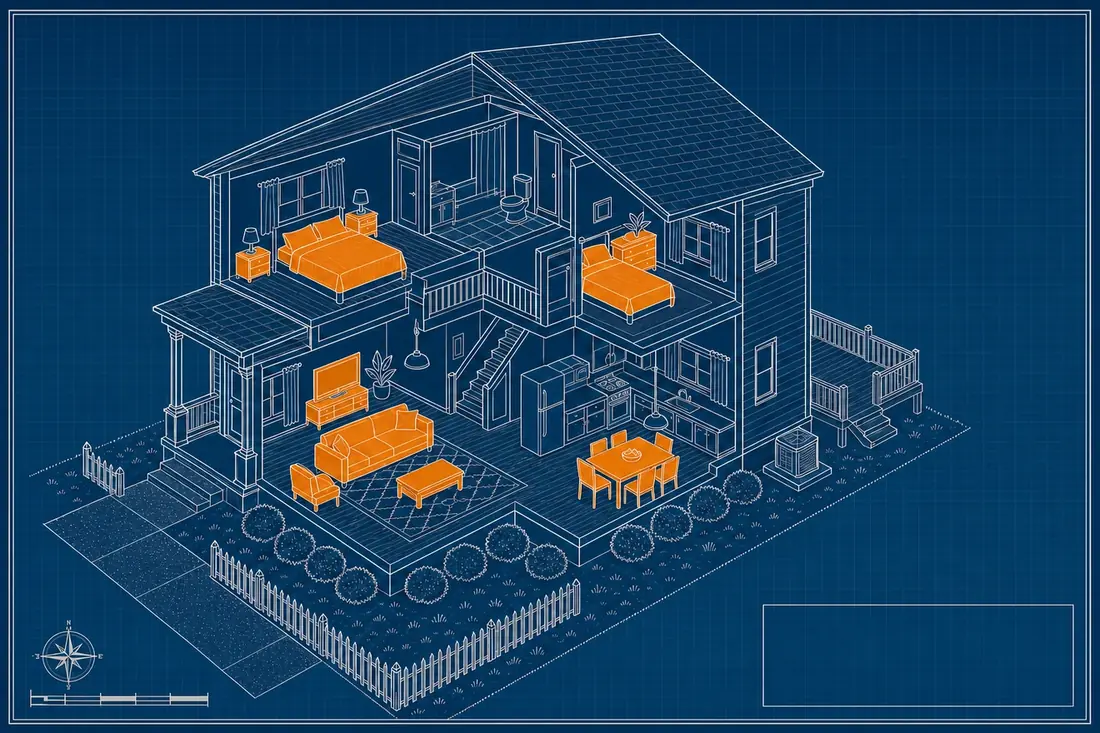
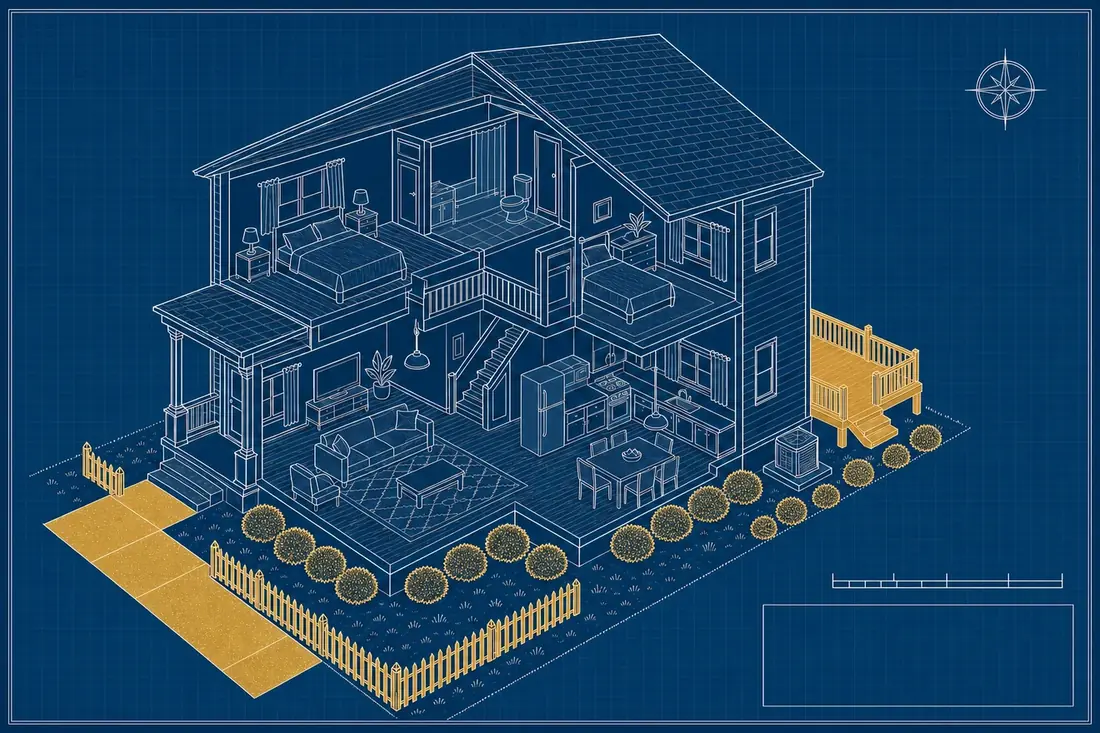
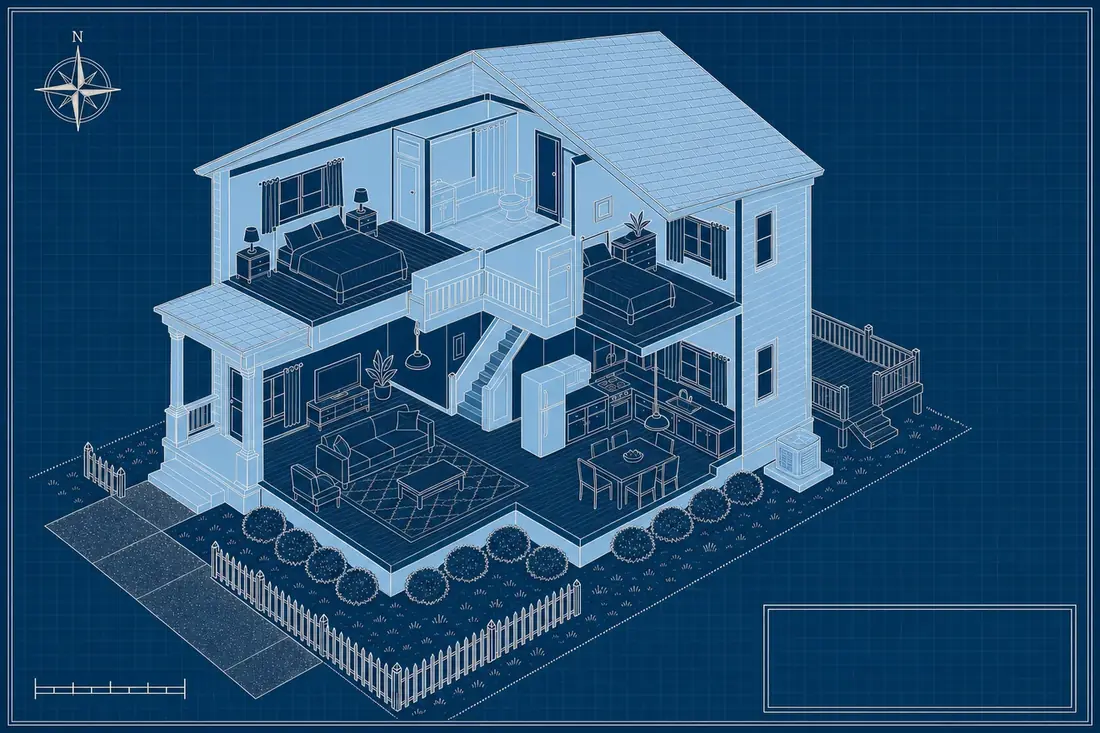
5-Year: carpet and flooring, cabinets, appliances, light fixtures, curtains 7-Year: furniture 15-Year: driveway, fencing, landscaping, deck 27.5/39-Year Shell: roof, load-bearing walls, foundation, central HVAC Get your free Preliminary Benefit Estimate Get a free preliminary benefit estimate on your strip center before committing to a study. Request Your Free Estimate »Storefront Systems and SignageStorefront systems, the glass, frames, and entry doors that make up a retail unit's public face, are usually installed and paid for as part of a tenant's buildout rather than the building's original shell. Signage works the same way: a tenant's building-mounted sign and the center's shared pylon sign at the road are separately identifiable components, not part of the structure they are attached to. Both get reviewed and classified on their own schedule rather than absorbed into the 39-year shell by default. Because these components qualify as 5 or 7-year property, they become eligible for bonus depreciation under section 168(k). Current law restores 100% bonus depreciation, made permanent under the 2025 tax law, for qualified property placed in service after January 19, 2025, with a phase-down schedule (80%, 60%, 40%) applying to property acquired between 2023 and that date. The 39-year shell itself never qualifies for bonus depreciation; only the components pulled out of it do. The Parking Field: A Retail Property's Site-Improvement EngineFor most retail strip centers, the parking field, paving, curbs, striping, site lighting, and the landscaping around it, is the single largest 15-year land improvement on the property. A center with a large surface lot and shared drive aisles has substantially more site work to classify than a small single-tenant building on a tight urban lot. This is one reason multi-tenant retail buildings often land toward the higher end of the 15 to 35% range for building basis shifted into faster schedules. A center anchored by a grocery store or a big-box tenant typically needs more parking capacity, and more paved area, than a small strip of boutique storefronts on a tight lot, which widens the gap between the two even when their building square footage is similar. The parking field is usually where a retail study finds its biggest single line item.
The 60-Second Qualifier Four questions. Our engineering team's model shows the estimated first-year acceleration a study of your property would target, free, before you commit to anything. Take the Qualifier »Tenant Turnover and Partial Asset DispositionEvery time a retailer moves out and a new one moves in, the old buildout gets demolished, and that demolition is a tax event. The remaining depreciable basis of the removed storefront, the old counters, the old lighting, can be written off under partial asset disposition, but only in the tax year the replacement happens. A center with regular tenant turnover has regular opportunities to catch this election, and regular opportunities to miss it if nobody is tracking which components came out and when. A retail owner who has never run a study, even on a center that has gone through several tenant cycles, can still have that building's current, un-reclassified basis reviewed as a look-back study, claimed through Form 3115 with a section 481(a) catch-up deduction in the current year. Single Out-Parcel vs. Full Anchored CenterThe same mechanics apply whether the property is a single fast-casual out-parcel on an outlot or a full anchored center with a dozen tenants. A smaller out-parcel has less to review but a simpler building to model. A full center has more tenant layers, more signage, and usually a bigger parking field, which tends to produce a larger dollar result even though the percentage of basis shifted stays in a similar range. Turnaround on either type of property typically runs 4 to 6 weeks during tax season and 2 to 3 weeks in January and February, and every study is custom priced to the property's basis and complexity rather than sold off a rate card. Compare this against a small multifamily property, where the building itself sits on the 27.5-year residential schedule instead of 39-year commercial, or a mid-rise office building, where tenant improvements follow a similar cycle but without the parking-field scale a retail center carries. Common Area Systems and Repaving CyclesA strip center's common areas carry their own equipment and site systems beyond the tenant spaces themselves: exterior common-area lighting on timers, sidewalk and walkway paving connecting units, dumpster enclosures, and shared irrigation for the landscaping around the property. These are reviewed the same way the parking field is, as 15-year land improvements distinct from the 39-year shell. Parking lots also get repaved or resurfaced on their own cycle, separate from any tenant turnover. When an old parking surface is torn out and repaved, the remaining basis in the old paving can potentially be written off under partial asset disposition in the year of the repaving, the same mechanic that applies to a torn-out storefront, just triggered by site maintenance rather than a lease change. Frequently asked questionsDoes the parking lot count toward cost segregation on a retail property? Yes. A surface parking lot, including paving, curbs, striping, and site lighting in the lot, is a 15-year land improvement, separate from the 39-year building shell. On many retail strip centers it is the single largest component identified in the study. What happens to old signage when a tenant changes? The remaining depreciable basis of a removed sign or storefront can be written off under a partial asset disposition election, but only in the tax year the old component comes out. If that year passes without the election, the old basis stays on the books alongside the new buildout. Does a single-tenant retail building qualify for cost segregation? Yes. The mechanics do not require multiple tenants. A single-tenant building has fewer buildout layers to review but still separates its 5, 7, and 15-year components, including signage and the parking field, from the 39-year shell the same way a multi-tenant center does. How is a retail center's cost segregation study priced? Every study is custom priced per property; there is no flat fee or rate card. Our commercial benchmark runs used fees in the 9,000 to 12,000 dollar range. A free preliminary benefit estimate models the likely result before any commitment. Keep readingGet your free Preliminary Benefit Estimate Send the address or the listing link. We model the number first; you decide with it in hand. Request Your Free Estimate »Educational information, not tax advice. This page describes how federal
depreciation rules and tests work in general. Whether any rule fits your facts is a determination for
you and your CPA. Our study gives your CPA the engineering and the numbers to make that call.
|