|
Cost Segregation for Commercial & Short-Term Rental Owners
|
Request a free estimate [email protected] |
Property Types
FREE Estimate Is there a first-year deduction sitting in your building? No cost, no obligation. Request Yours »Minimum ROIOur study identifies at least 20x its fee in first-year deductions on commercial property, or at least 30x on a short-term rental, or it is free. |
Why Is Cost Segregation Different for a Mobile Home Park?Quick answer A mobile home park is unusual among commercial property types because most of its physical asset is land improvements rather than building structure: concrete pads, the utility distribution network feeding each site (water, sewer, electric), interior roads, and site lighting. Those components are 15-year property, not 39-year, which means a mobile home park's basis leans structurally toward the faster side of a study's typical 15 to 35% reclassification range before any building on site is even reviewed. See this applied to your building. A few questions, 30 seconds. You see which tests matter and the first-year deduction range a study would look for. No email to see the range. Run the 30-second check »Key takeaways
Watch a restaurant get built and classified A hypothetical $5 million drive-thru goes up piece by piece. Every component lands on its depreciation schedule as it is installed, and the year-one depreciation adds up on screen. Watch the 3-minute walkthrough »An Asset Built From Land ImprovementsMost commercial properties are a building first, with land improvements as a supporting layer around it. A mobile home park runs the opposite way. The park's own infrastructure, pads, roads, and the utility network, makes up the majority of what the park owns and depreciates, since individual homes are frequently owned by the residents who live in them, not the park itself. That flips the usual proportion: a mobile home park's basis is weighted toward 15-year land improvements from the start, before an engineering team even gets to whatever structures the park itself owns. The IRS lost the argument that a property is one undifferentiated asset in Hospital Corporation of America v. Commissioner (109 T.C. 21, 1997), and its own Cost Segregation Audit Techniques Guide (Publication 5653) describes how a proper study separates land improvements from structure on any property type, mobile home parks included. 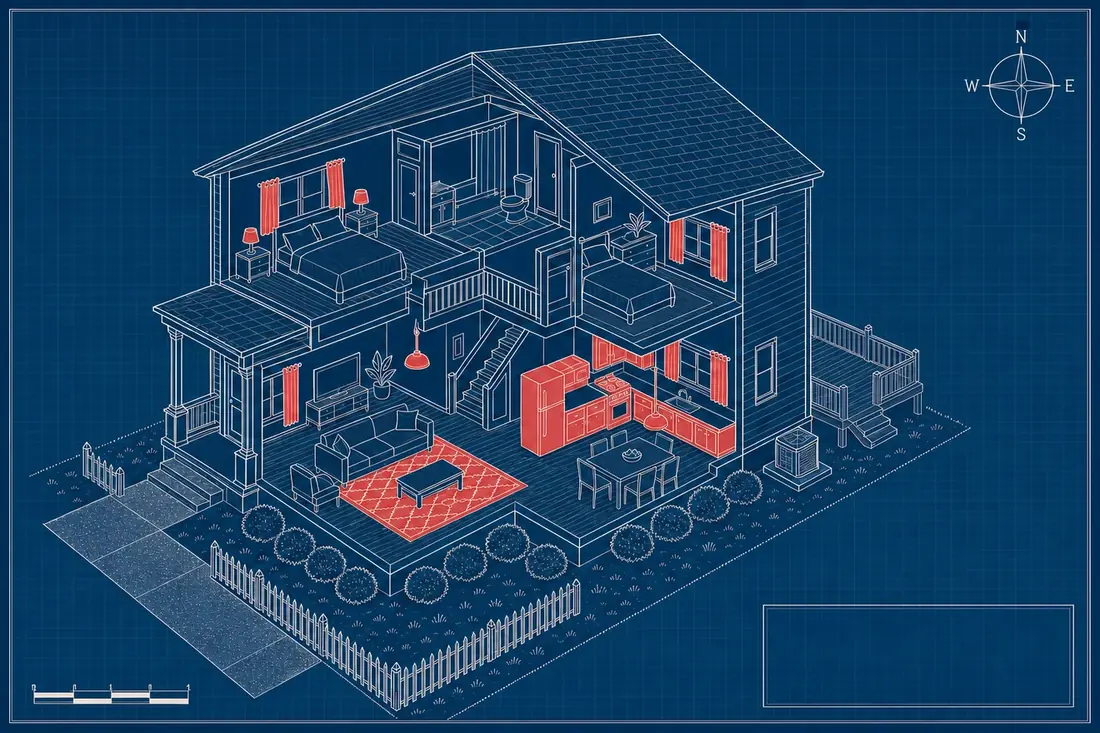
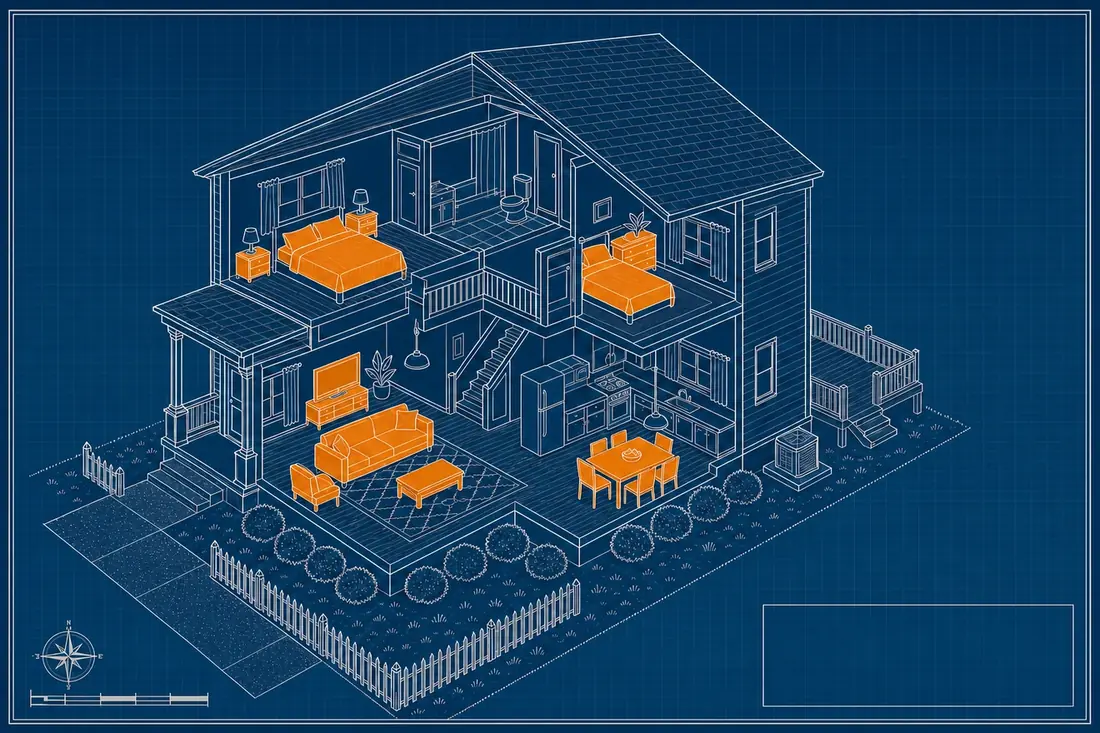
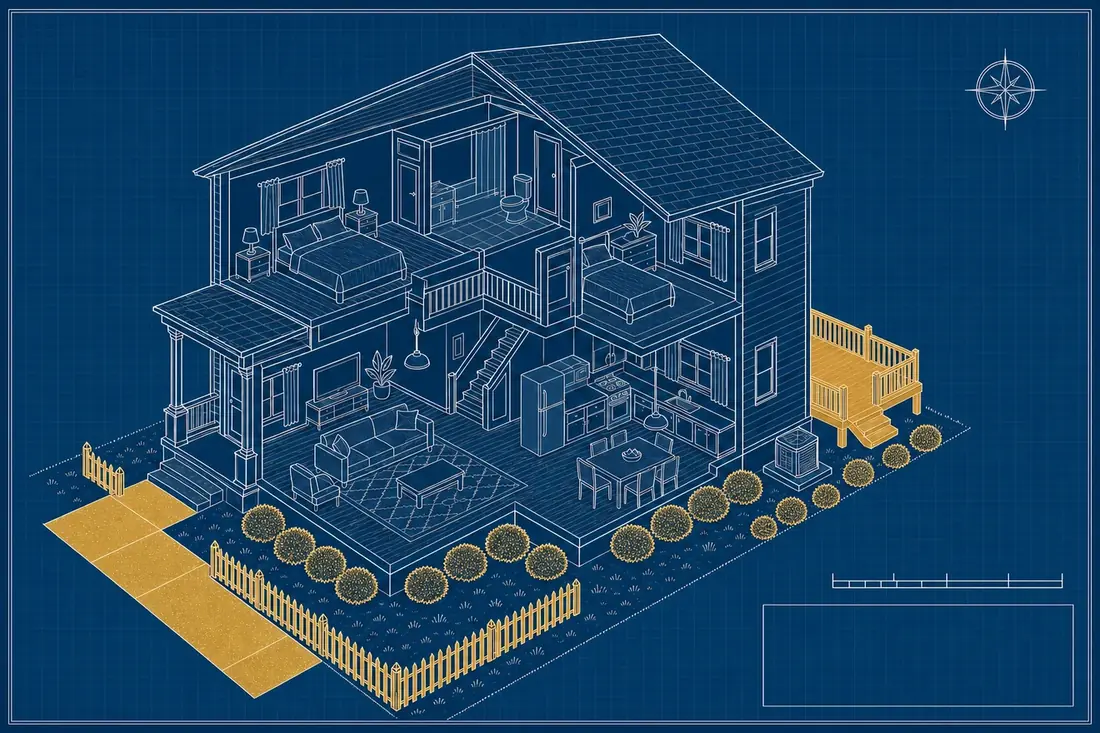
5-Year: carpet and flooring, cabinets, appliances, light fixtures, curtains 7-Year: furniture 15-Year: driveway, fencing, landscaping, deck 27.5/39-Year Shell: roof, load-bearing walls, foundation, central HVAC Get your free Preliminary Benefit Estimate Find out what your park's land-improvement-heavy structure is likely to produce with a free preliminary benefit estimate. Request Your Free Estimate »The First-Year Numbers on a Land-Improvement-Heavy AssetA study typically shifts 15 to 35% of a property's basis into faster schedules across commercial property types generally, and a mobile home park often lands toward the top of that range, not because the park's own construction is unusually dense, but because so much of what it owns was 15-year land improvement to begin with. First-year deductions on commercial property broadly run 16 to 21% of basis under current bonus rules, and a park with an extensive utility network and multiple phases of pad development can push meaningfully past that general benchmark once the site infrastructure is fully classified. The exact figure on a specific park depends on pad count, utility scope, and road mileage, which is what an engineering-based study determines rather than a rule of thumb. Pads, Roads, and Utility DistributionThe concrete or paved pads each home sits on, the interior roads connecting the sites, and the underground utility distribution network, water lines, sewer laterals, and electrical runs feeding each pad, are all 15-year land improvements. So is site lighting, entrance signage, and any perimeter fencing around the property. Together, these components, pads, roads, and the water, sewer, and electrical distribution feeding every site, typically represent a larger share of a mobile home park's total basis than the equivalent site work does on almost any other commercial property type, precisely because the park's core business is the land infrastructure itself. Because these components qualify as 15-year property, they are also eligible for bonus depreciation under section 168(k), currently restored to 100% and made permanent for qualified property placed in service after January 19, 2025. A study typically shifts 15 to 35% of a property's basis into faster schedules across property types generally, and a mobile home park's structural mix, so much of its basis starting out as land improvement rather than 39-year structure, tends to land toward the higher end of that range before any building on site is even reviewed. The 60-Second Qualifier Four questions. Our engineering team's model shows the estimated first-year acceleration a study of your property would target, free, before you commit to anything. Take the Qualifier »The Community Building, If There Is OneMany parks include a community building, an office, a laundry facility, a clubhouse, or a maintenance shed. That structure gets the same review any small commercial building would: interior finishes and equipment-serving systems separate into 5 and 7-year property, while the structure itself sits on the 39-year commercial schedule. It is usually a small piece of the total study compared to the site infrastructure surrounding it, and a park with no shared amenities at all, just pads, roads, and utilities, still has a full study's worth of 15-year property to classify without a single building on site. Tenant-Owned Homes vs. Park-Owned InfrastructureA key distinction for mobile home parks is what the park actually owns. In a resident-owned-home community, the park's revenue comes from lot rent and the park depreciates the land improvements and any shared buildings, not the homes themselves. In a park that owns and rents out the homes directly, those homes are additional depreciable property with their own classification, generally following residential rules similar to the ones described on the residential rental property hub, on the 27.5-year schedule rather than the park infrastructure's mix of 15 and 39-year property. Many parks operate a mix of both, some pads rented to homeowners who own their units, others filled with park-owned rental homes, which means a single engagement can end up classifying both categories side by side. Compare a self-storage facility, cost segregation for self storage facilities, another site-heavy property type, though one where the buildings, not the land improvements, still make up the bulk of the depreciable asset. New Purchase, New Development, or a Park You Have Owned for YearsThe mechanics work the same whether a mobile home park was purchased last year, expanded with new pads recently, or has been operating under the same owner for a decade. A park owned for years and never studied becomes a look-back study, claimed through Form 3115 with a section 481(a) catch-up deduction taken in the current tax year rather than through amended returns. Adding a new phase of pads and utility runs to an existing park is itself a new round of 15-year property to classify, on top of whatever the original phase already identified, with its own placed-in-service date separate from the park's original construction and its own bonus depreciation eligibility under current law. Turnaround typically runs 4 to 6 weeks during tax season and 2 to 3 weeks in January and February, and every study is custom priced to the park's pad count, utility infrastructure, and site complexity rather than sold off a flat rate card, whether the park has 40 pads or 400. Frequently asked questionsDoes a mobile home park depreciate the homes if residents own them? No. When residents own their own homes and pay lot rent, the park depreciates its own infrastructure, pads, roads, utility distribution, and any shared buildings, not homes it does not own. Why do mobile home parks tend to reclassify more basis than other property types? Because so much of what a park owns is land improvements to begin with, pads, roads, utility runs, rather than 39-year building structure. That structural mix means a larger share of total basis starts out closer to the 15-year class before a study even begins classifying individual buildings. What happens if the park itself owns and rents the homes? Park-owned homes are additional depreciable property, generally following the same residential rules as any other rental home, on the 27.5-year schedule, separate from the park's own land improvements and shared structures, which get reviewed on their own as part of the same engagement. Does a mobile home park need a site visit for a study? Commercial properties, including mobile home parks, are generally reviewed with a site visit as part of an engineered study, unlike short-term rental studies which work from listing photos alone. A free preliminary benefit estimate is available before any site visit is scheduled, modeling the likely first-year result based on the park's pad count and utility scope. Keep readingGet your free Preliminary Benefit Estimate Send the address or the listing link. We model the number first; you decide with it in hand. Request Your Free Estimate »Educational information, not tax advice. This page describes how federal
depreciation rules and tests work in general. Whether any rule fits your facts is a determination for
you and your CPA. Our study gives your CPA the engineering and the numbers to make that call.
|