|
Cost Segregation for Commercial & Short-Term Rental Owners
|
Request a free estimate [email protected] |
Property Types
FREE Estimate Is there a first-year deduction sitting in your building? No cost, no obligation. Request Yours »Minimum ROIOur study identifies at least 20x its fee in first-year deductions on commercial property, or at least 30x on a short-term rental, or it is free. |
How Does Cost Segregation Apply to a Car Wash?Quick answer The IRS depreciation table (Publication 946, Table B-2) lists asset class 57.1 with a 15-year recovery period, and its text includes car wash buildings and related land improvements. On that listing, the wash building in a stand-alone car wash is 15-year property, not 39-year. The class is applied building by building, by primary use, so space that is not wash building is a separate question of fact. A study separates land, the wash building, equipment (generally 5-year) and site work (15-year land improvements). See this applied to your building. A few questions, 30 seconds. You see which tests matter and the first-year deduction range a study would look for. No email to see the range. Run the 30-second check »Key takeaways
Watch a car wash get built and classified A hypothetical $3.2 million express car wash goes up piece by piece, from the queue lanes and the wash tunnel to the conveyor, the brushes and the vacuum canopies. Every component lands on its depreciation schedule as it is installed, and the year-one depreciation adds up on screen. Watch the 90-second walkthrough »A Building Built Around EquipmentMost commercial buildings are structure first and equipment second. A car wash flips that. The wash tunnel itself, the conveyor, brushes, dryers, and the arches that house them, sits inside a relatively small structural footprint, often a simple pre-engineered metal building rather than an elaborate structure. A car wash property carries a lot of equipment and site work and relatively little finished interior space. A cost segregation study on a car wash spends most of its time on mechanical and electrical systems that serve that equipment: dedicated power runs, compressed air lines, and the plumbing that feeds and drains the wash process. The IRS lost the argument that a building is one undifferentiated asset in Hospital Corporation of America v. Commissioner (109 T.C. 21, 1997), and now publishes its own Cost Segregation Audit Techniques Guide (Publication 5653) describing how a proper study separates equipment-serving systems from structure. A car wash study follows that same published approach.
On a car wash, a study also separates land, the wash building, equipment and site work, and in a business purchase it works from the purchase price allocation, where intangibles are carried separately. It documents the building's primary use and any space that is not wash building, and it supports the state returns in states that do not follow federal bonus depreciation. 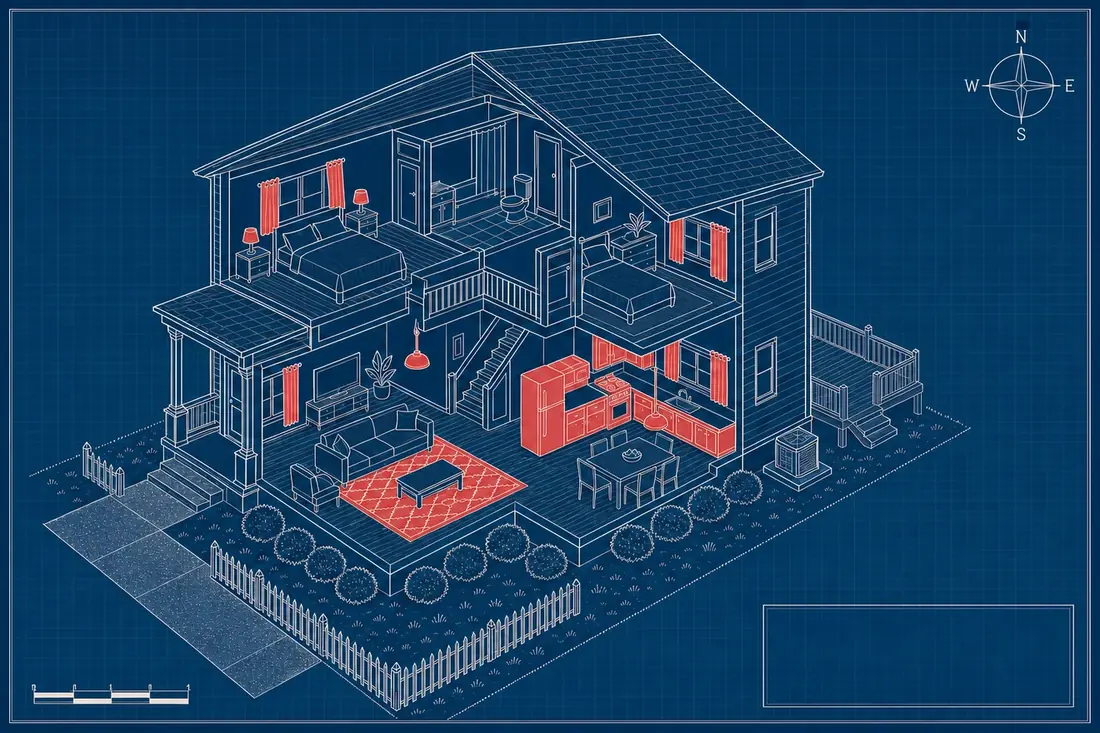
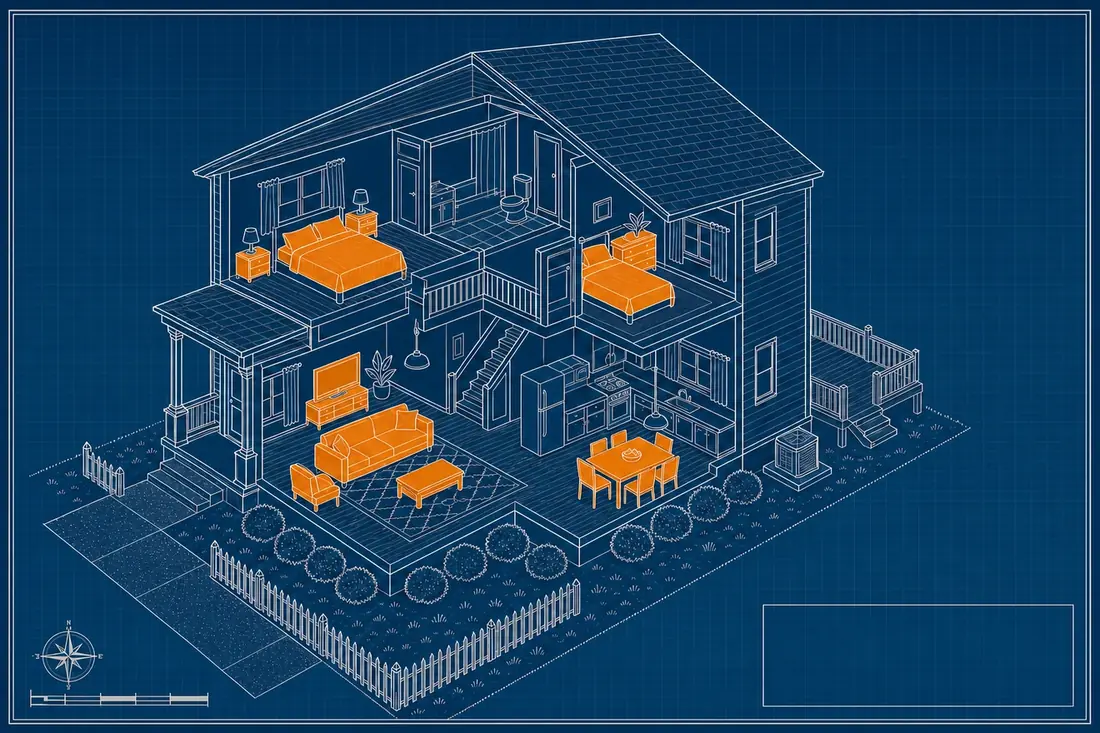
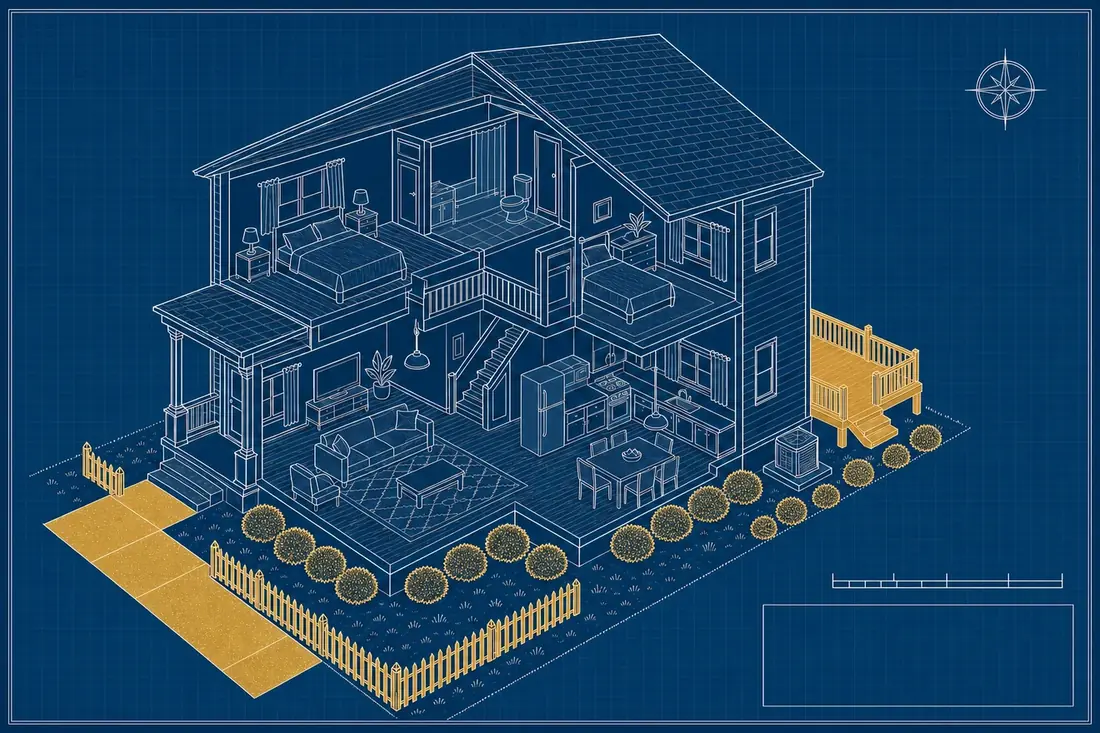
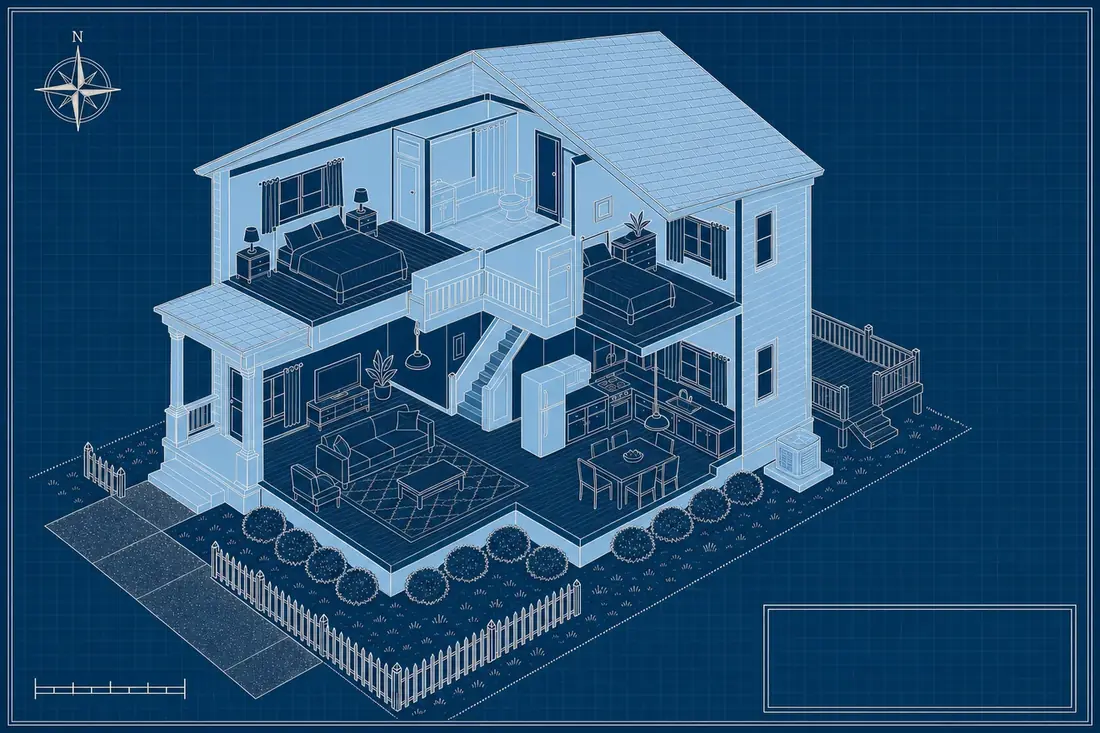
5-Year: carpet and flooring, cabinets, appliances, light fixtures, curtains 7-Year: furniture 15-Year: driveway, fencing, landscaping, deck 27.5/39-Year Shell: roof, load-bearing walls, foundation, central HVAC Get your free Preliminary Benefit Estimate See how a study would model your car wash's building, equipment and site work with a free preliminary benefit estimate. Request Your Free Estimate »Water Reclaim and Treatment SystemsWater reclaim and treatment systems, the pumps, filtration, and holding tanks that let a wash recycle water, are equipment-serving systems separate from the building's core structure. So is the process plumbing traced to the wash equipment, as distinct from general building plumbing. These systems are specific to the wash operation, not general building infrastructure, which is exactly the distinction a study is built to draw. Reclaim and treatment equipment is generally 5-year property, and property with a recovery period of 20 years or less is eligible for bonus depreciation under section 168(k), subject to that section's other tests. The 100% rate applies to qualified property acquired and placed in service after January 19, 2025. A full-service wash with an undercarriage rinse or a tire shine application adds further dedicated plumbing runs beyond a basic exterior-only tunnel, each reviewed the same way, and a facility that also reclaims and treats water for reuse in its boiler or heating system carries an additional layer of equipment tied to that recycling loop. Vacuum Stations and Queuing LanesSelf-serve vacuum stations, along with their dedicated electrical hookups, are separately identifiable equipment on their own schedule. The paved queuing lanes where cars line up before entering the tunnel, along with the drive lanes around the site, are 15-year land improvements. On many car wash properties, the combined paving for queuing, vacuum stalls, and site circulation covers more square footage than the wash building itself. Site lighting over the vacuum area and any canopy structure covering the vacuum stalls are reviewed alongside the paving, since a freestanding canopy is generally a separate structure from the main wash building, and one treated as a land improvement is 15-year property. The 60-Second Qualifier Four questions. Our engineering team's model shows the estimated first-year acceleration a study of your property would target, free, before you commit to anything. Take the Qualifier »Signage, Payment Kiosks, and Loyalty SystemsEntry signage, price boards, and any automated payment kiosk at the tunnel entrance are separately identifiable items tied to specific electrical runs, not part of the wash building. Sign structures are generally 15-year land improvements, and pay stations are generally 5-year equipment. Membership and loyalty program hardware, license plate readers, RFID tag readers mounted at the tunnel entrance, and the gate arms some subscription-model washes use to control entry, follow the same logic: equipment that serves a specific business function, reviewed on its own schedule rather than folded into the wash building's schedule. A subscription-model wash with automated entry technology often has more of this category to review than an older cash or token-operated site, since every reader, arm, and controller carries its own dedicated wiring back to the site's electrical service. Why a Car Wash Building Is Different15 yearsrecovery period the IRS depreciation table lists for car wash buildings 39 yearsthe schedule for most other commercial buildings On most commercial buildings, a study typically shifts about 15 to 35% of a building's basis into faster schedules, and first-year deductions broadly run 16 to 21% of building basis under current bonus rules. A car wash is different because the building itself is listed in a 15-year class: the IRS depreciation table (Publication 946, Table B-2) lists asset class 57.1 with a 15-year recovery period, and its text includes car wash buildings and related land improvements. The class is applied building by building, by primary use, so a convenience store, lube bays or a detached office is a separate question of fact, and the table's own text excludes other buildings. A wash building in the 15-year class is tested for bonus depreciation the same way as equipment: the recovery period must be 20 years or less, and the other tests in section 168(k) apply. Land is not depreciable, and in a business purchase goodwill, the membership base and the trade name are section 197 intangibles, amortized straight-line over 15 years with no bonus. Many states do not follow federal bonus depreciation. Whether an owner can use a deduction in a given year depends on that owner's facts under the passive activity, at-risk and excess business loss rules, and depreciation taken is subject to recapture when the property is sold. New Build, Recent Purchase, or a Wash You Have Run for YearsThe mechanics work the same whether the car wash was built new last year or has been running for a decade. What changes is the bonus rate, which follows the acquisition date: property acquired on or before January 19, 2025 is under the earlier phase-down (40% for property placed in service in 2025). On a wash owned for years and never studied, the review becomes a look-back study, claimed through Form 3115 with a section 481(a) catch-up deduction taken in the current tax year, no amended returns required. Turnaround typically runs 4 to 6 weeks during tax season and 2 to 3 weeks in January and February, and every study is custom priced to the property's equipment and site complexity rather than sold off a flat rate card. A free preliminary benefit estimate, modeling the likely first-year result before any commitment, is the fastest way for a wash owner to see how a study would treat a specific property, whether the site is a single express tunnel or a small chain of self-serve locations. Frequently asked questionsHow does a car wash differ from a typical retail building for depreciation? The IRS depreciation table lists car wash buildings in a 15-year class (asset class 57.1), applied building by building, by primary use. A typical retail building is on the 39-year schedule. The wash equipment is generally 5-year property, and the paving and site work are 15-year land improvements. Is the wash tunnel structure itself 5-year property? No. The IRS depreciation table lists car wash buildings in a 15-year class, applied by the building's primary use. The equipment inside, the conveyor, brushes, dryers and their dedicated power and plumbing, is generally 5-year property, along with the water reclaim and treatment systems. Does an express or tunnel-style car wash study differently than a self-serve bay wash? The underlying approach is the same: separate land, the wash building, the equipment-serving systems and the site work, and document the building's primary use. A tunnel-style wash generally has more automated equipment to classify, while a self-serve bay wash leans more on individual bay plumbing and vacuum stations, but both follow the same mechanics. How is a car wash's study priced? Every study is custom priced to the property's basis, equipment, and complexity; there is no flat fee. A free preliminary benefit estimate models the likely first-year result before any commitment. Keep readingGet your free Preliminary Benefit Estimate Send the address or the listing link. We model the number first; you decide with it in hand. Request Your Free Estimate »Educational information, not tax advice. This page describes how federal
depreciation rules and tests work in general. Whether any rule fits your facts is a determination for
you and your CPA. Our study gives your CPA the engineering and the numbers to make that call.
|