|
Cost Segregation for Commercial & Short-Term Rental Owners
|
Request a free estimate [email protected] |
How It Works
FREE Estimate Is there a first-year deduction sitting in your building? No cost, no obligation. Request Yours »Minimum ROIOur study identifies at least 20x its fee in first-year deductions on commercial property, or at least 30x on a short-term rental, or it is free. |
5-Year, 7-Year, and 15-Year Property: Full Example ListQuick answer 5-year property includes carpet, most flooring, decorative lighting, cabinetry, appliances, window treatments, and certain electrical or plumbing serving specific equipment. 7-year property includes certain fixtures and furniture. 15-year land improvements include paving, fencing, landscaping, site utilities, outdoor lighting, and pools or patios. Everything else, the structural shell, stays on the 39-year (commercial) or 27.5-year (residential) schedule. There is no 9-year property class. See this applied to your building. A few questions, 30 seconds. You see which tests matter and the first-year deduction range a study would look for. No email to see the range. Run the 30-second check »Key takeaways
The three reclassified classes at a glance
There is no 9-year property class in cost segregation. If a tool or calculator quotes one, that is not how the IRS's own component classification framework, described in its Audit Techniques Guide (Pub 5653), is built. The four rows above are the whole list. 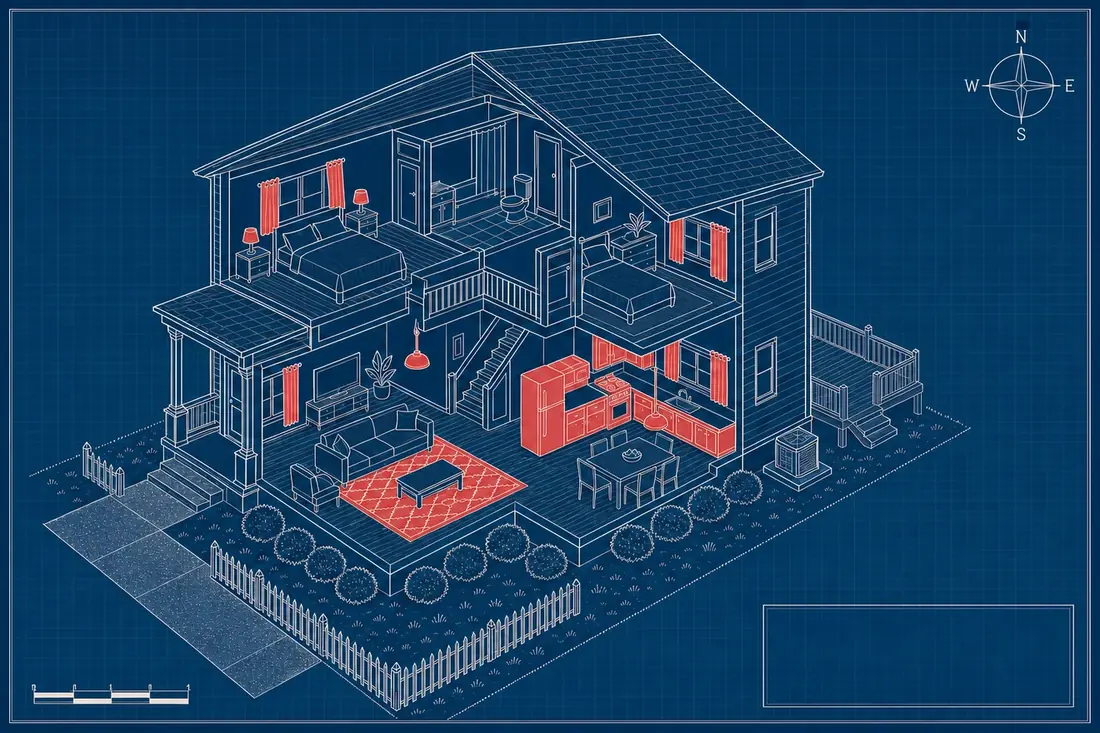
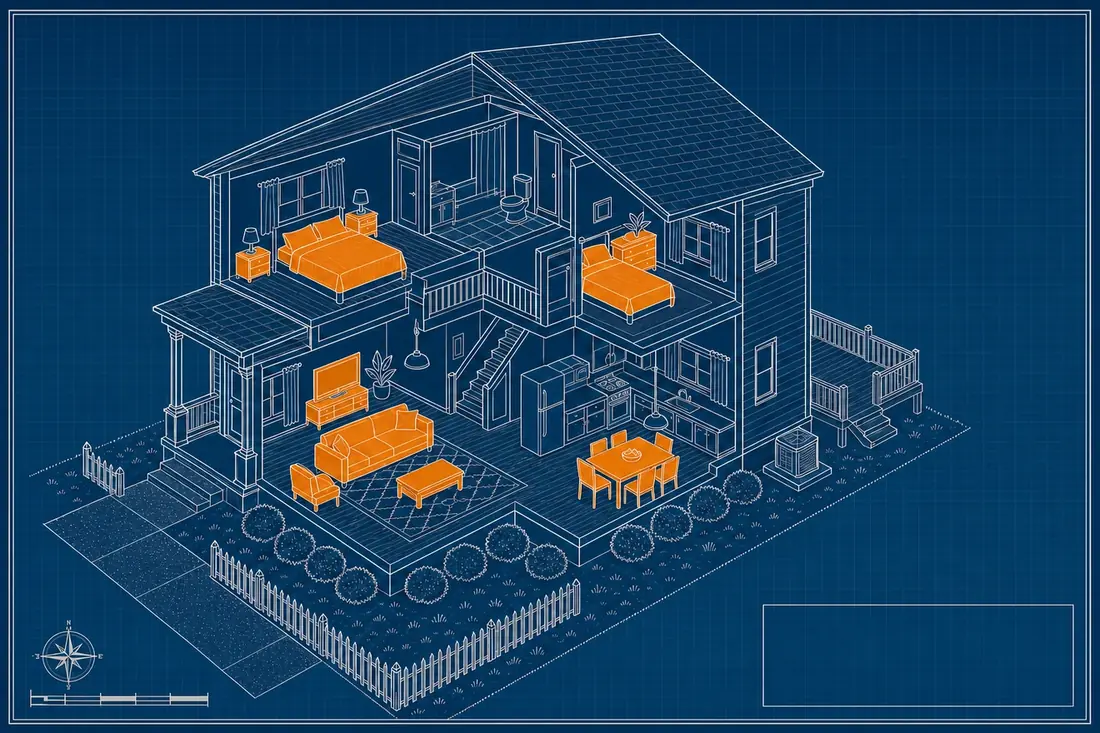
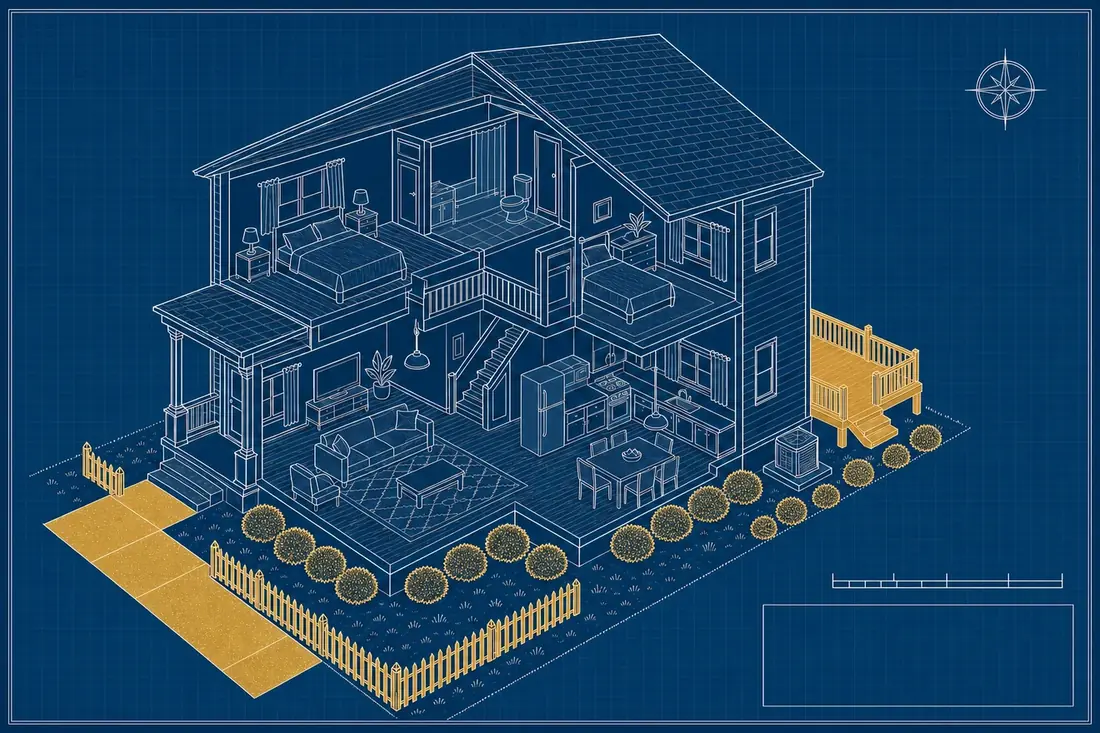
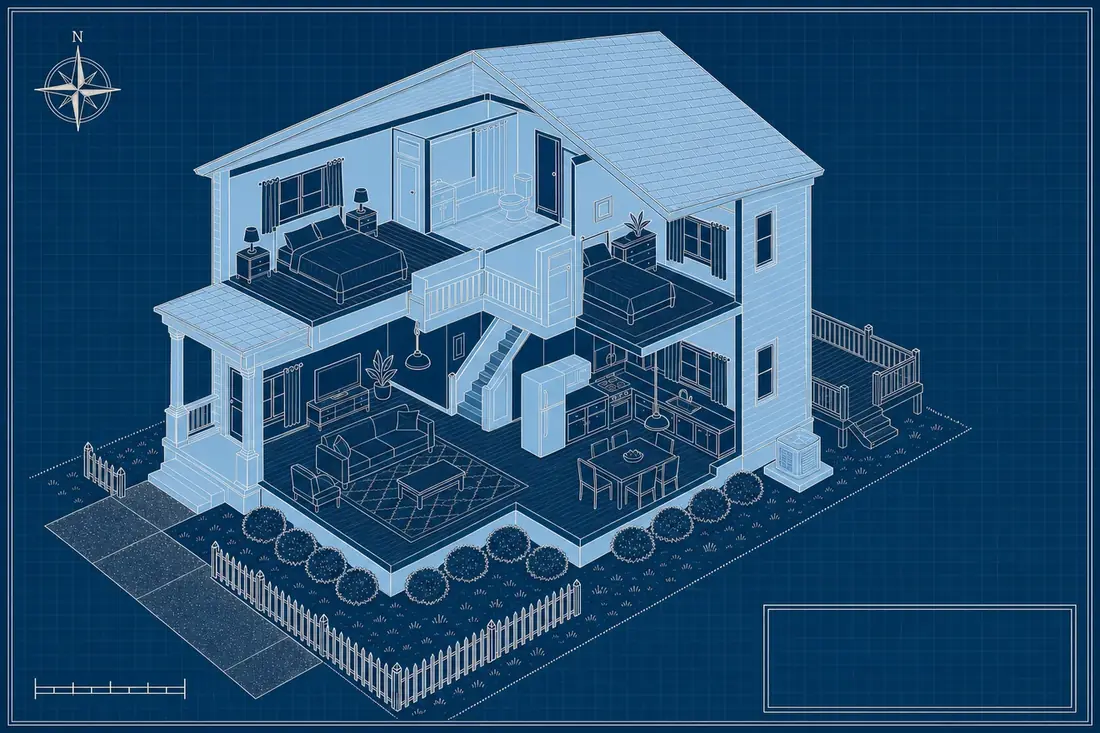
5-Year: carpet and flooring, cabinets, appliances, light fixtures, curtains 7-Year: furniture 15-Year: driveway, fencing, landscaping, deck 27.5/39-Year Shell: roof, load-bearing walls, foundation, central HVAC Get your free Preliminary Benefit Estimate See how these classes map onto your specific building with a free Preliminary Benefit Estimate. Request Your Free Estimate »5-year property, the full example list
This is usually the largest reclassified bucket by dollar volume on interior-heavy properties like restaurants, medical offices, and multifamily. A medical clinic benchmark run identified $241,839 in first-year deductions against a $1,404,500 building basis, a large share of it driven by finishes, cabinetry, and equipment-serving electrical and plumbing typical of clinical space. See what gets reclassified in a cost segregation study for the room-by-room walk. 7-year property, the full example list
This class is narrower than 5-year and 15-year in most commercial buildings; an engineer confirms which fixtures and furniture actually qualify in a given property rather than assuming a blanket rule applies. It shows up most often in properties with built-in seating, millwork, or furniture systems installed as part of the original construction rather than brought in later by a tenant. 15-year land improvements, the full example list
See the full site improvements page for how this category performs on retail and industrial sites with large lots, where it is frequently one of the biggest single reclassified categories on the whole property. What stays on the 39-year (or 27.5-year) scheduleFoundation, framing, exterior walls, windows, the roof structure, core plumbing and electrical serving the whole building, and central HVAC. None of it is a 5-year, 7-year, or 15-year class; it is what remains after the other three classes are pulled out. A structural roof and a building's central HVAC are the two components most often assumed to be 5-year property; they are not. See what stays on the 39-year schedule for the complete inventory, and the dedicated pages on roofs and HVAC for the mechanics that do apply to each. The 60-Second Qualifier Four questions. Our engineering team's model shows the estimated first-year acceleration a study of your property would target, free, before you commit to anything. Take the Qualifier »How the mix shifts by property typeA cost segregation study typically moves about 15 to 35% of building basis into the three faster classes, and where a specific property lands in that range depends on construction, not on a fixed formula. Restaurants and hospitality-heavy buildings run at the high end because of kitchen equipment, finishes, and decorative elements. Plain shells like warehouses run at the low end. In one restaurant benchmark run, first-year deductions came to $599,678 against a $2,804,440 building basis, just over 21% of basis in year one, consistent with the high end of that range. A warehouse and office building in the same benchmark set identified $330,674 in first-year deductions on a $1,911,675 basis, about 17%, without a kitchen or heavy finish package behind it. See how much of a building can be reclassified for the full property-type breakdown. The classes are the same on every building. The mix is not.
How to use this list on your own buildingThis page is meant to be a checklist, not a promise. Walk your own building against the three lists above: what flooring, cabinetry, and lighting is actually installed, what fixtures and furniture were built in rather than brought by a tenant, and what paving, fencing, and landscaping sits on the site. That walk gives a rough sense of where a building is likely to land, but only an engineering-based study, checking each component against actual construction and cost records, produces a number that would hold up if an examiner ever asked to see the work behind it. Two properties with the same square footage and the same use can land in very different places on these lists depending on how they were built out. A ground-floor retail space with a full kitchen build-out reclassifies differently than an identical footprint used as plain office storage, even though the shell, foundation, framing, roof, and central HVAC, looks the same on paper for both. Why bookmark this pageOwners, CPAs, and bookkeepers use a page like this one as a quick reference when a new invoice or a renovation line item comes in and the question is simply which class it belongs to. It is not a substitute for the engineering work behind an actual study, but it answers the everyday version of the question fast: is this thing 5-year, 7-year, 15-year, or shell. A BiggerPockets poster named Giuseppe Cavucci described a use for his cost segregation study that nobody had sold him on. A study's job is classification, sorting a building's components into the right depreciation class for the return. But the same line-item breakdown, each component listed separately with its own value, turned out to double as a rough map for planning maintenance reserves, years after the study was delivered and long after the depreciation question was settled. That is not what an engineered study is built to do. It is a byproduct of doing the classification work carefully enough that each component stands on its own in the report, exactly the kind of page an owner or a bookkeeper keeps open for reference rather than filing away. A study's numbers are not a maintenance forecast and were never priced or delivered as one, but a report that lists carpet, cabinetry, and paving as separate line items, each with its own installed cost, happens to answer the maintenance-reserve question almost by accident. The two components that trip up quick answersTwo items get guessed wrong more than any others on a page like this: the roof and the central HVAC system. Both look expensive enough to belong in a faster class, and both are structural in every correctly run study. See is a roof 5-year property and is HVAC 5-year property for the full explanation of why, and for the section 179 and partial asset disposition mechanics that actually do apply to each of them. Frequently asked questionsIs flooring always 5-year property? Most flooring is, but the actual construction still matters; an engineer confirms the specific material and installation rather than assuming every floor in every building qualifies the same way, and rare exceptions do exist depending on how a floor is finished or installed. What is an example of 7-year property in a commercial building? Certain fixtures and furniture, a narrower category than 5-year or 15-year in most buildings. Which specific items qualify depends on the property and how they are installed, which is why this class is confirmed component by component rather than assumed. Is a parking lot 15-year or 39-year property? 15-year. Paving, curbs, and the lot's own lighting are land improvement property, separate from the 39-year (or 27.5-year residential) structural shell that houses the building itself. On a large retail or industrial lot, this single category can add up to real dollars. Is there really no 9-year property class in cost segregation? Correct, there is no 9-year class. The recognized classes are 5-year, 7-year, 15-year land improvements, and the 39-year or 27.5-year structural shell. Any tool suggesting a 9-year bucket is not following the IRS's own classification framework. Does the mix of classes change by property type? Yes. Restaurants and hospitality properties typically reclassify a larger share of basis because of kitchen equipment and decorative finishes; simple shells like warehouses reclassify a smaller share because there is simply less personal property and fewer land improvements present. Keep readingGet your free Preliminary Benefit Estimate Send the address or the listing link. We model the number first; you decide with it in hand. Request Your Free Estimate »Educational information, not tax advice. This page describes how federal
depreciation rules and tests work in general. Whether any rule fits your facts is a determination for
you and your CPA. Our study gives your CPA the engineering and the numbers to make that call.
|