|
Cost Segregation for Commercial & Short-Term Rental Owners
|
Request a free estimate [email protected] |
How It Works
FREE Estimate Is there a first-year deduction sitting in your building? No cost, no obligation. Request Yours »Minimum ROIOur study identifies at least 20x its fee in first-year deductions on commercial property, or at least 30x on a short-term rental, or it is free. |
Site Improvements and the 15-Year Property BucketQuick answer Site improvements are the assets sitting on the land but outside the building's four walls: parking lots and driveways, curbs and sidewalks, fencing, landscaping, exterior and site lighting, and site utilities like storm drainage. A cost segregation study classifies these as 15-year property, separate from the 39-year (commercial) or 27.5-year (residential rental) shell and separate from land itself, which never depreciates. The 15-year bucket is bonus-eligible, so a study that finds it accelerates those costs into year one instead of spreading them over a decade and a half. See this applied to your building. A few questions, 30 seconds. You see which tests matter and the first-year deduction range a study would look for. No email to see the range. Run the 30-second check »Key takeaways
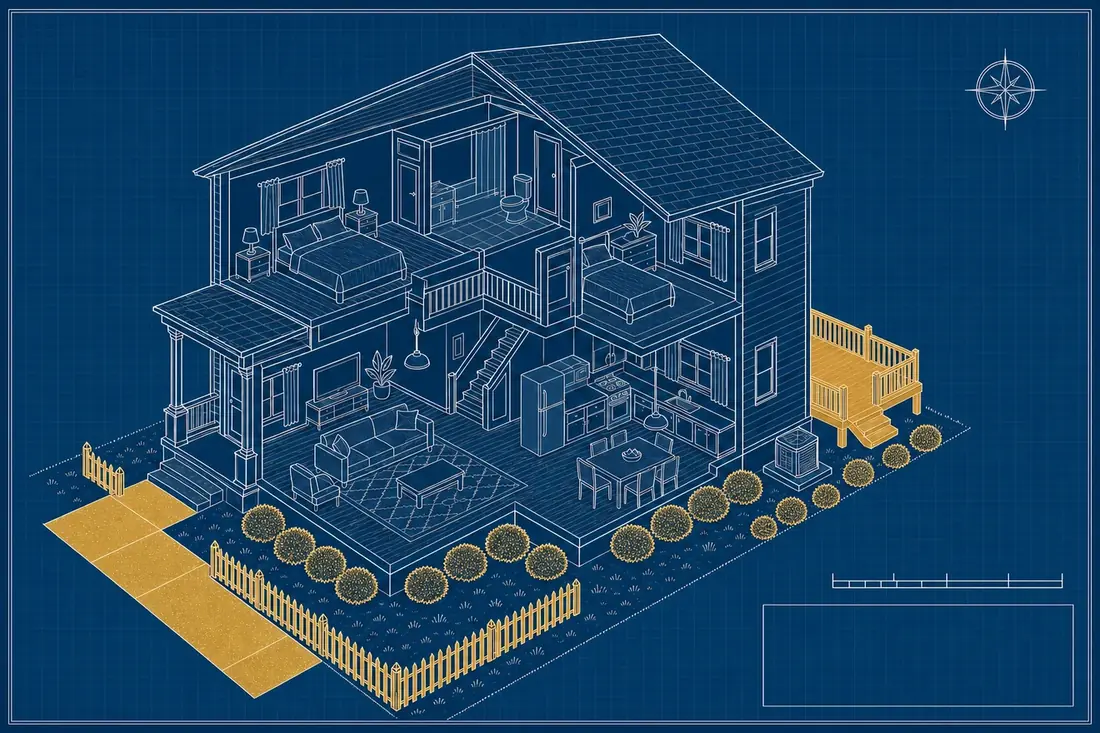
What actually counts as a site improvementA site improvement is anything built on the land, outside the building's structural shell, that supports the property. The common list: asphalt or concrete paving for parking lots and drive lanes, curbs and exterior sidewalks, fencing and site gates, landscaping including retaining walls tied to the grounds, exterior and site lighting (parking lot poles, building-mounted site fixtures), and site utilities such as storm drainage and water or sewer lines serving the site rather than the building's internal systems. These are separate from two other categories a study also has to sort out. They are not land, which never depreciates at all, see land value vs. building basis for how that split gets made. And they are not part of what stays on the 39-year schedule, the foundation, framing, roof structure, and core building systems that remain structural regardless of what a study finds outside. 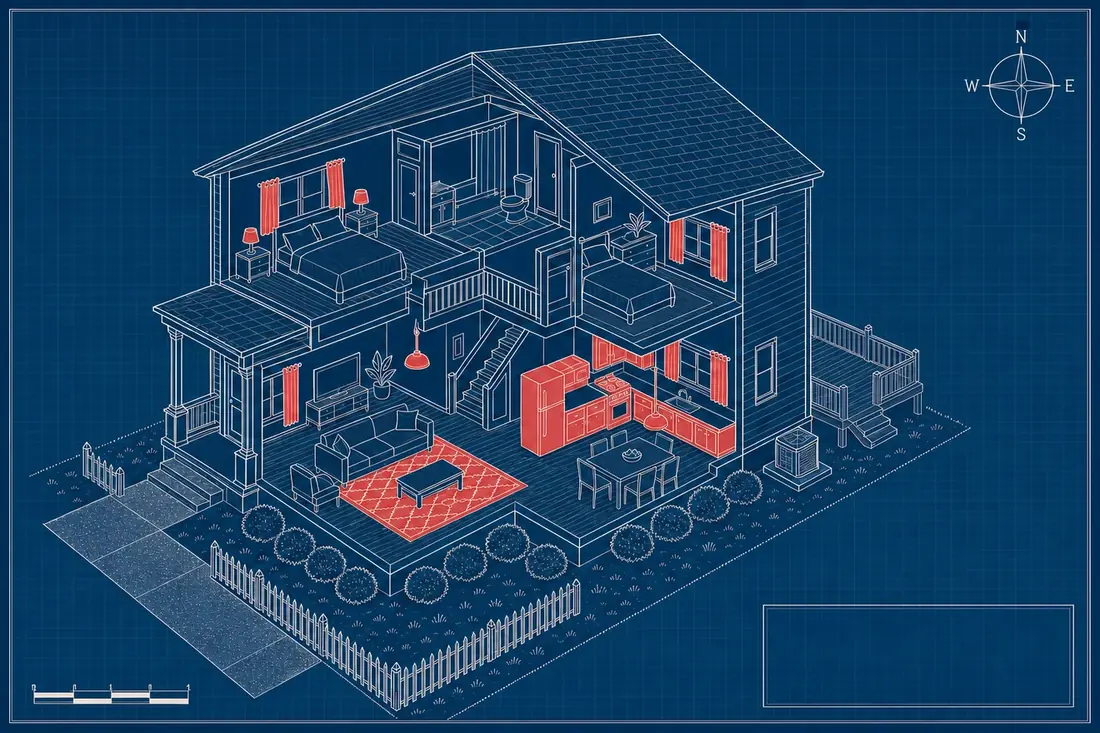
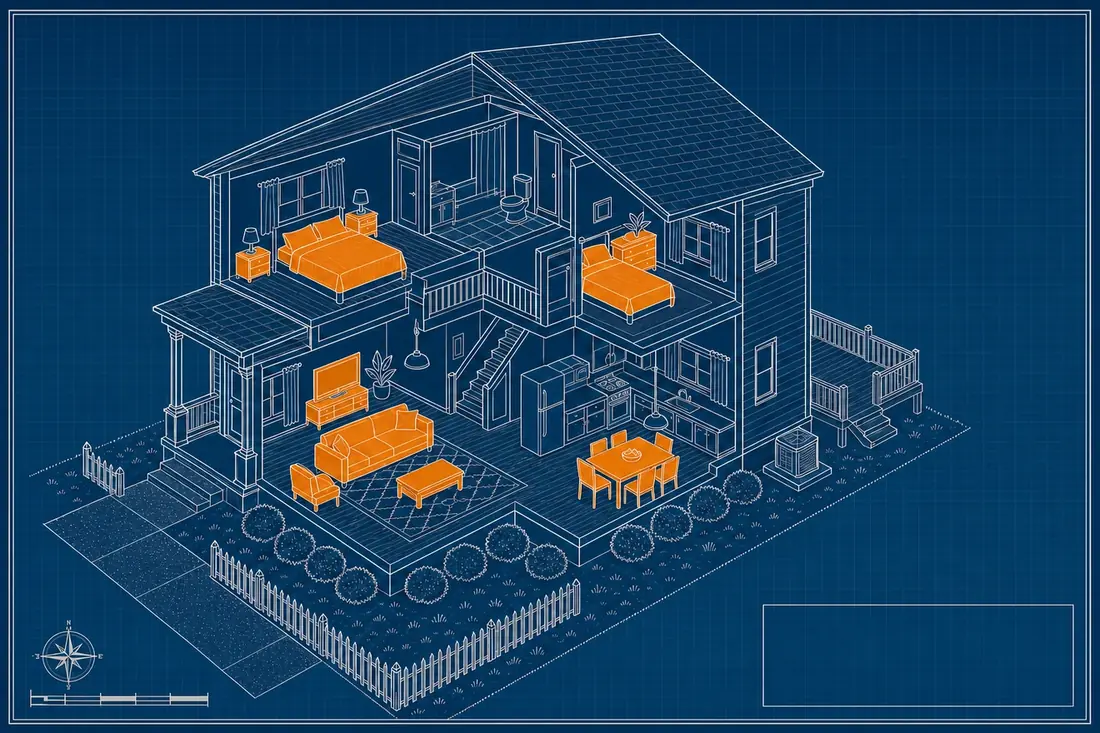
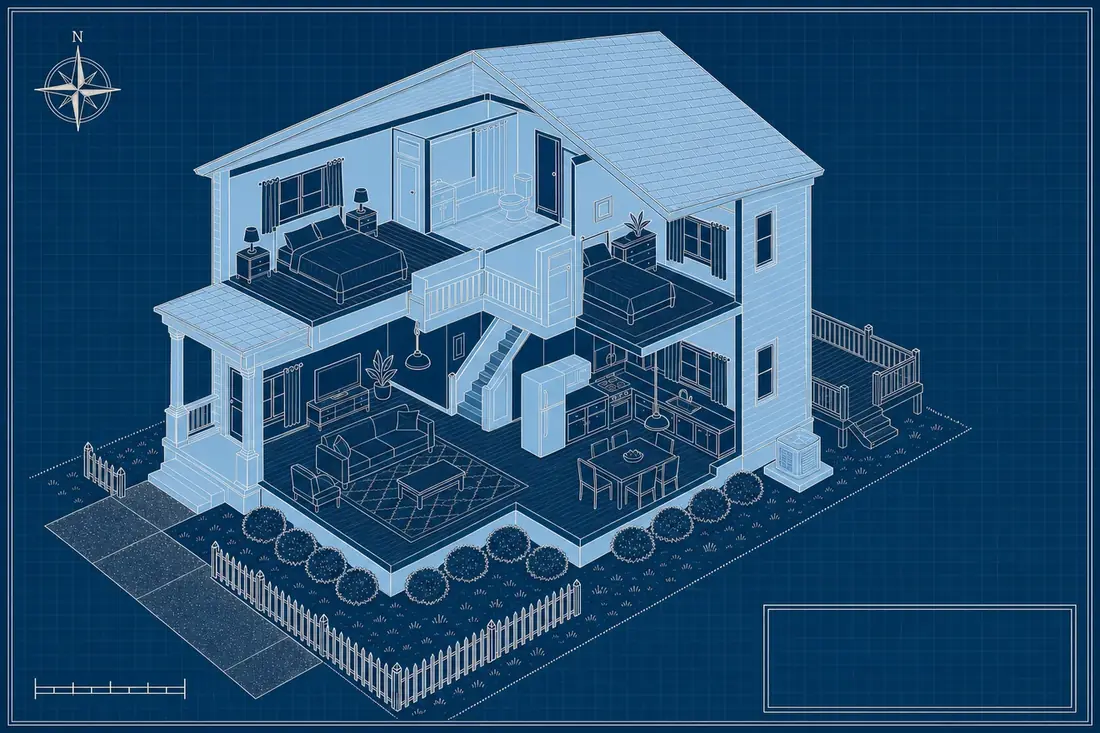
5-Year: carpet and flooring, cabinets, appliances, light fixtures, curtains 7-Year: furniture 15-Year: driveway, fencing, landscaping, deck 27.5/39-Year Shell: roof, load-bearing walls, foundation, central HVAC Get your free Preliminary Benefit Estimate See what your parking lot, fencing, and site lighting are worth in year one with the free estimate at /qualify. Request Your Free Estimate »Why the 15-year class matters more than the number soundsFifteen years sounds like a long recovery period next to the 5- and 7-year buckets a study also identifies. What matters is that 15-year property is bonus-eligible under section 168(k), the same as 5- and 7-year property. Once a study classifies a parking lot or a fence as 15-year property instead of leaving it buried inside a 39-year building basis, the acquisition-date bonus rules can pull its entire cost into year one instead of spreading it in even slices across a decade and a half. See 5-, 7-, and 15-year property examples for how this bucket sits alongside the shorter-lived personal property categories a study also pulls out. Where site improvements carry the most weightProperty type drives how much site improvement value a study finds. A retail strip center or a big-box store with a large surface parking lot, extensive site lighting, and long drive lanes carries meaningfully more 15-year value than a small office building on a tight urban lot. Industrial and distribution properties often carry heavy site improvement value too, loading dock aprons, extended truck courts, and perimeter fencing for security, all sitting outside the building shell and inside the 15-year class. A hotel or multifamily property sits somewhere between the two, shared parking, pool decks, and common-area landscaping adding to the site improvement total without the scale of a big-box lot. 15-35%of building basis a study typically shifts into faster schedules 39.9 : 1deductions-to-fee on a mid-rise office benchmark run A mid-rise office property with a $2,971,345 building basis produced $479,220 in first-year deductions against a $12,000 fee, a 39.9-to-1 ratio, on a benchmark run that classified site improvements alongside its interior components. The exact share any single property owes to site improvements versus interior 5- and 7-year assets depends on the building, which is why how much of a building can be reclassified walks through the range by property type. The 60-Second Qualifier Four questions. Our engineering team's model shows the estimated first-year acceleration a study of your property would target, free, before you commit to anything. Take the Qualifier »Site utilities: the piece most owners overlookWhen owners picture site improvements, they usually picture the parking lot and maybe the landscaping. The utilities running underneath the site get missed more often: storm drainage systems, catch basins, and the water or sewer lines that serve the site itself rather than feeding directly into the building's own plumbing. These sit in the same 15-year bucket as paving and fencing, and on a property with significant grading, retention ponds, or extended utility runs to reach the building from the street, they can represent real basis that a less thorough review simply folds into the 39-year shell by default. The distinction that matters here is functional, not visual. A pipe carrying storm water off a parking lot toward a retention area is a site utility. A pipe carrying water into the building's own restrooms is part of the building's internal systems and stays on the structural schedule. An engineered review traces where each system actually starts and ends rather than assuming everything underground belongs to the site. Improvements added after purchase, and what happens when one gets replacedSite improvements are not limited to what existed at closing. A parking lot expansion, new site lighting, or added fencing installed after purchase can be classified the same way a look-back study handles the original components. And when a site improvement gets replaced outright, an old parking lot torn out and repaved, a fence line rebuilt, the remaining basis of the component being removed is a separate question from the new one going in. That is the territory covered by partial asset disposition, and it only applies in the year the old component actually comes out. Owners who resurface a lot or replace a fence without checking this timing miss the write-off entirely. The old paving's remaining basis does not disappear, it stays buried inside the property's depreciation schedule for whatever years are left on its recovery period, running alongside the new surface on top of it, unless the disposition election is made in the same year the old surface actually comes out. Getting the site improvement share of your building modeledA free Preliminary Benefit Estimate models the likely first-year acceleration for a specific property, site improvements included, before any commitment. The 60-second qualifier at /qualify starts it, and the estimate reflects the property type in front of it: a retail site with a large lot and heavy site lighting will typically show a different profile than a tight urban office building, even at similar total basis. Having site plans, a survey, or even recent photos of the parking lot, fencing, and landscaping on hand speeds up how precisely that estimate can reflect the actual site, though none of it is required to get a first number. What matters most going in is simply knowing the property type and its rough footprint, since that alone shapes the range a study is likely to find before any detailed engineering review begins. Frequently asked questionsIs a parking lot 5-year or 15-year property? Parking lot paving is 15-year property, along with curbs, fencing, landscaping, and exterior site lighting. The 5- and 7-year buckets cover interior personal property like carpet, cabinetry, and decorative lighting, a different category entirely. Do site improvements qualify for bonus depreciation? Yes. Fifteen-year property is bonus-eligible under section 168(k), the same as 5- and 7-year property, once a study identifies it. The building's 39-year or 27.5-year structural shell is not bonus-eligible. Does landscaping count even though it changes over time? Yes, landscaping installed as part of the site (grading, plantings tied to the grounds, retaining walls) is a 15-year land improvement. Ongoing lawn maintenance is a different, non-capital expense and is not part of a cost segregation study. What happens to an old parking lot when it gets repaved? The remaining basis of the old paving can potentially be written off through a partial asset disposition, but only in the tax year the old surface is actually torn out and replaced. Missing that year means the old basis stays buried while the new paving depreciates separately. Do residential rental properties have site improvements too? Yes, a single-family or small multifamily rental can have driveway paving, fencing, and exterior lighting classified the same way, though the scale is smaller than a commercial site with a large parking lot or loading area. Keep readingGet your free Preliminary Benefit Estimate Send the address or the listing link. We model the number first; you decide with it in hand. Request Your Free Estimate »Educational information, not tax advice. This page describes how federal
depreciation rules and tests work in general. Whether any rule fits your facts is a determination for
you and your CPA. Our study gives your CPA the engineering and the numbers to make that call.
|