|
Cost Segregation for Commercial & Short-Term Rental Owners
|
Request a free estimate [email protected] |
How It Works
FREE Estimate Is there a first-year deduction sitting in your building? No cost, no obligation. Request Yours »Minimum ROIOur study identifies at least 20x its fee in first-year deductions on commercial property, or at least 30x on a short-term rental, or it is free. |
What Stays on the 39-Year Schedule After a Cost Segregation Study?Quick answer The structural shell always stays on the 39-year schedule for commercial property or 27.5-year for residential rental: the foundation, the framing, the roof structure, exterior walls, windows, the core plumbing and electrical that serve the whole building, and central HVAC. A cost segregation study reclassifies everything else it can support, typically 15 to 35% of building basis, and leaves this shell exactly where it has always been. See this applied to your building. A few questions, 30 seconds. You see which tests matter and the first-year deduction range a study would look for. No email to see the range. Run the 30-second check »Key takeaways
Watch a restaurant get built and classified A hypothetical $5 million drive-thru goes up piece by piece. Every component lands on its depreciation schedule as it is installed, and the year-one depreciation adds up on screen. Watch the 3-minute walkthrough »The shell, item by item
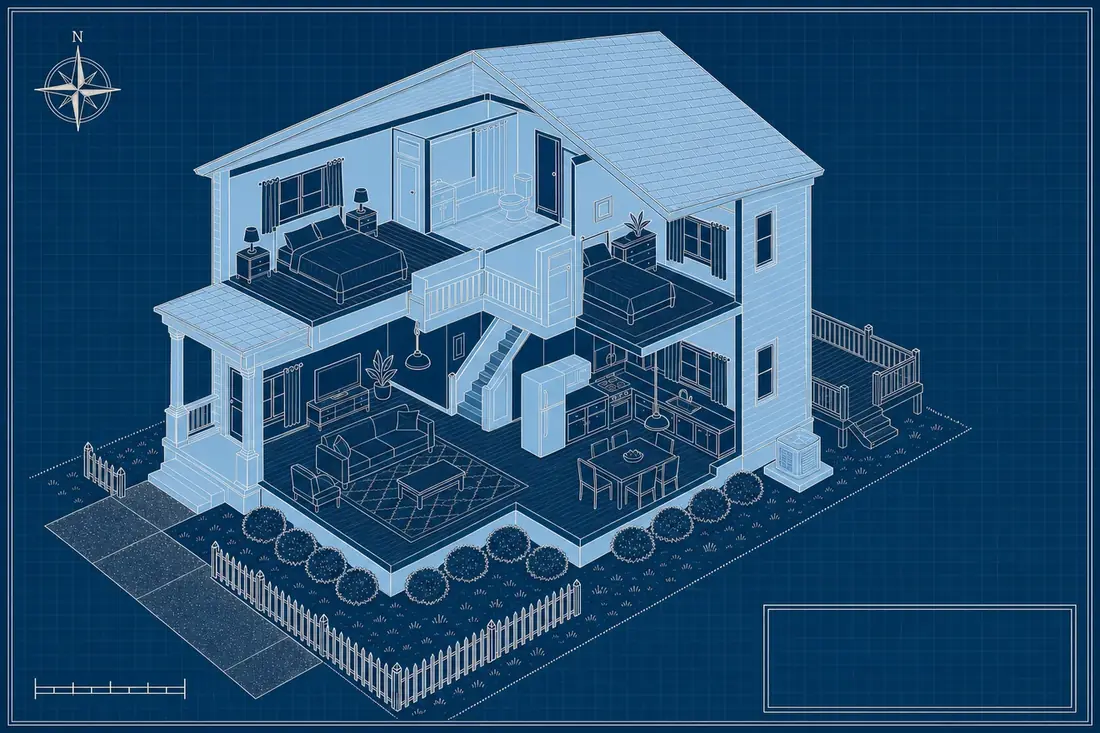
None of this is a 5-year, 7-year, or 15-year class. It is the structural shell a building is built around, and it depreciates on the 39-year schedule for commercial property or 27.5-year for a residential rental. 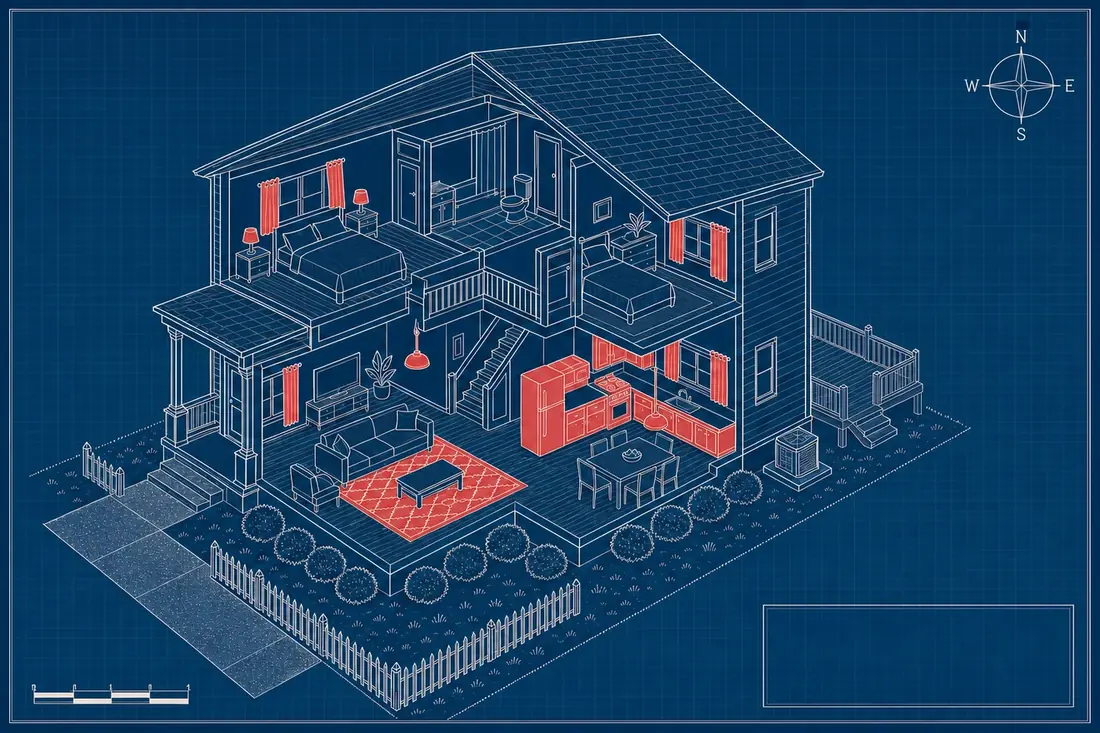
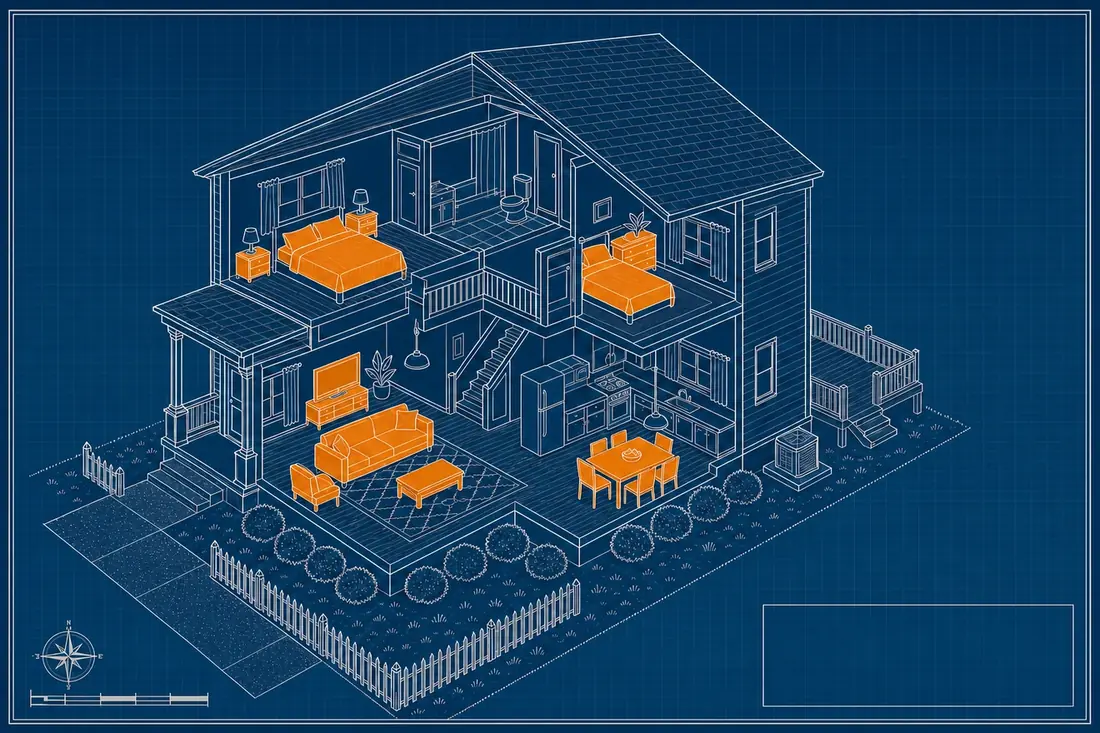
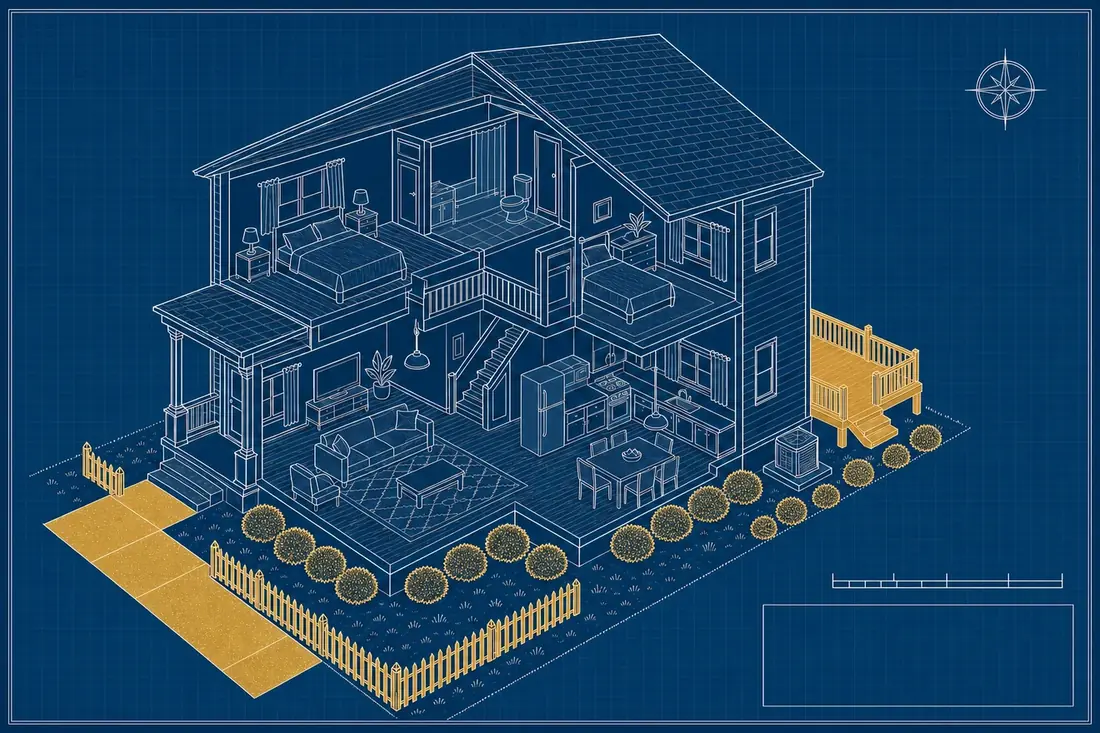
5-Year: carpet and flooring, cabinets, appliances, light fixtures, curtains 7-Year: furniture 15-Year: driveway, fencing, landscaping, deck 27.5/39-Year Shell: roof, load-bearing walls, foundation, central HVAC Get your free Preliminary Benefit Estimate See the likely shell-versus-reclassified split for your specific building with a free Preliminary Benefit Estimate. Request Your Free Estimate »Why the shell can't moveThe classification framework a cost segregation study follows comes from the IRS's own Audit Techniques Guide (Pub 5653), which followed the government's loss in Hospital Corporation of America v. Commissioner (109 T.C. 21, 1997). That framework draws a clear line between personal property and land improvements, which can shift to faster classes, and a building's core structural components, which cannot. A structural roof and a building's central HVAC are the two most commonly misunderstood items on this list; both are shell, not 5-year property, and treating them otherwise is exactly the kind of overreach that draws examiner attention. See is a roof 5-year property and is HVAC 5-year property for the mechanics that do apply to each instead. What this means for your reclass percentageA cost segregation study typically moves about 15 to 35% of building basis into the faster classes, with property type driving where a specific building lands in that range. Restaurants run at the high end because of kitchen equipment and finishes; simple shells run at the low end. In one delivered residential study, a single-family rental in Montgomery County, Pennsylvania, built 2013, 4,946 square feet, the accelerated basis identified came to $160,242 against a $1,040,000 depreciable basis, 15.4%, right at the low end of the typical range for a straightforward property. See how much of a building can be reclassified for the full picture across property types. Commercial vs residential shellThe mechanics are the same either way; only the recovery period differs. Commercial property depreciates its shell over 39 years, residential rental property over 27.5 years. The 5, 7, and 15-year buckets a study identifies work the same in both cases, and the same shell items, foundation, framing, roof, walls, core systems, and central HVAC, apply regardless of whether the building is a commercial building or a residential rental. Setting honest expectations before the estimateKnowing what never moves is what makes the reclassified share credible. It is easy for a sales pitch to promise a large percentage without accounting for how much of any real building is unavoidably structural. A free Preliminary Benefit Estimate models the likely split for a specific building before any commitment, so the shell and the reclassified share are both grounded in the actual construction rather than a number chosen to sound impressive. The 60-Second Qualifier Four questions. Our engineering team's model shows the estimated first-year acceleration a study of your property would target, free, before you commit to anything. Take the Qualifier »The two components owners assume wronglyAsk most owners which parts of a building a cost segregation study reclassifies, and the roof and the HVAC system are usually the first two guesses, simply because they are the two most expensive line items most owners can name off the top of their head. Both stay on the shell. See is a roof 5-year property and is HVAC 5-year property for what actually happens to each one, and for the section 179 and partial asset disposition mechanics that do apply to them when they are replaced. What a study finds insteadThe dollars that do move come from a different part of the building entirely: carpet and flooring, cabinetry, decorative lighting, appliances, window treatments, certain equipment-serving electrical and plumbing, and the site work outside the walls, paving, fencing, landscaping, and exterior lighting. None of that is glamorous, but it adds up to the 15 to 35% of basis a study typically finds, without ever touching the roof, the framing, or the central HVAC that keeps the building standing and comfortable. The shell is not a loss, it is the baselineIt helps to think of the shell as the starting point rather than a disappointment. Every building's basis begins entirely on the 39-year (or 27.5-year) schedule before a study touches it. The study's job is to find the legitimate exceptions to that default, not to eliminate the default itself. A building that reclassifies 20% of its basis still keeps 80% on the shell, and that 80% was always going to be there regardless of who performs the study or how thoroughly it is done. How to read a proposed study against this listBefore agreeing to a study, an owner can hold the proposal against the shell inventory above. If a roof or a whole-building HVAC system shows up reclassified into 5-year property, that is worth asking about directly, since it is the single most common overreach in a study that has not been built to the IRS's own standard. A study that keeps this list exactly where it belongs is the one whose reclassified numbers are actually defensible if an examiner ever asks to see the work behind them. The same list holds true whether the property is a small single-family rental or a large commercial building. Scale changes the dollar amounts involved; it does not change which components are structural and which are not. Consider a hypothetical two-story suburban office building built in the 1990s, with a building basis around $1,800,000. Walk the shell inventory against that building: the foundation, the framing, the exterior walls and windows, the roof structure, the core plumbing and electrical serving every floor, and the central HVAC system feeding the open office space, all of it stays on the 39-year schedule, exactly as it would on any commercial property. What a study on that same building typically finds instead is carpet and flooring in the office suites, decorative lighting in the lobby, cabinetry in the break rooms, and the parking lot, curbs, and landscaping outside. A study on a building like this typically moves somewhere in the 15 to 35% range of basis into the faster classes, with the rest, the shell described above, staying exactly where it started. Frequently asked questionsDoes the shell ever get any bonus depreciation? No. Bonus depreciation under section 168(k) applies to the 5, 7, and 15-year property a study identifies. The 39-year (commercial) or 27.5-year (residential) shell is never bonus-eligible, with or without a study, regardless of the acquisition date. Why doesn't a study move the whole building into faster classes? Because the classification follows the IRS's own framework for what qualifies as personal property or land improvements versus what is structural. The shell, foundation, framing, roof, walls, and central HVAC, does not meet that test regardless of how the study is run or who runs it. Is the shell percentage the same for every property type? No. It varies with construction. Interior-heavy, finish-heavy properties like restaurants leave a smaller share on the shell; plain warehouse shells leave a larger share, because there is simply less personal property and fewer land improvements to reclassify. What is the difference between 39-year and 27.5-year property? 39 years is the recovery period for the structural shell of commercial and other nonresidential real property; 27.5 years is the recovery period for residential rental property's structural shell. The reclassified 5, 7, and 15-year buckets work the same way under both. Does a bigger building automatically reclassify a bigger share? Not automatically. Property type and construction detail drive the reclass share more than size alone; a large plain shell can reclassify a smaller percentage than a small building with a heavy finish package or extensive site improvements. Keep readingGet your free Preliminary Benefit Estimate Send the address or the listing link. We model the number first; you decide with it in hand. Request Your Free Estimate »Educational information, not tax advice. This page describes how federal
depreciation rules and tests work in general. Whether any rule fits your facts is a determination for
you and your CPA. Our study gives your CPA the engineering and the numbers to make that call.
|