|
Cost Segregation for Commercial & Short-Term Rental Owners
|
Request a free estimate [email protected] |
Qualification
FREE Estimate Is there a first-year deduction sitting in your building? No cost, no obligation. Request Yours »Minimum ROIOur study identifies at least 20x its fee in first-year deductions on commercial property, or at least 30x on a short-term rental, or it is free. |
Can a Cost Segregation Study Offset W-2 Wages?Quick answer A cost segregation study does not touch W-2 wages directly. It reclassifies building components into faster depreciation schedules, creating a large deduction in the first year. Whether that deduction can offset W-2 wages depends on section 469: the rental has to escape passive treatment through real estate professional status or the short-term rental exception, and the owner has to clear a material participation test. Only non-passive losses reach W-2 income. That is one of the tests. The check asks the rest. What you own, who runs it, average guest stay, when you bought. Four questions, 30 seconds, and you see the first-year deduction range a study would look for on your rental. No email to see the range. Run the 30-second check »Key takeaways
The Three-Link Chain Between a Study and a PaycheckA cost segregation study is a mechanical reclassification. Engineers review the building (or on a short-term rental, the listing photos) and sort components into IRS depreciation classes: 5-year, 7-year, 15-year land improvements, and the 39-year (commercial) or 27.5-year (residential) structural shell. That reclassification produces a bigger deduction in year one than straight-line depreciation would give the same building. That deduction is a paper loss sitting on the property. Whether it can reach a W-2 paycheck runs through three separate gates, each one a test the loss has to clear before it lands on the 1040 next to wage income.
Clear all three and the loss is not fenced off from other income. Miss one and the loss is still real, it is just parked until it clears. 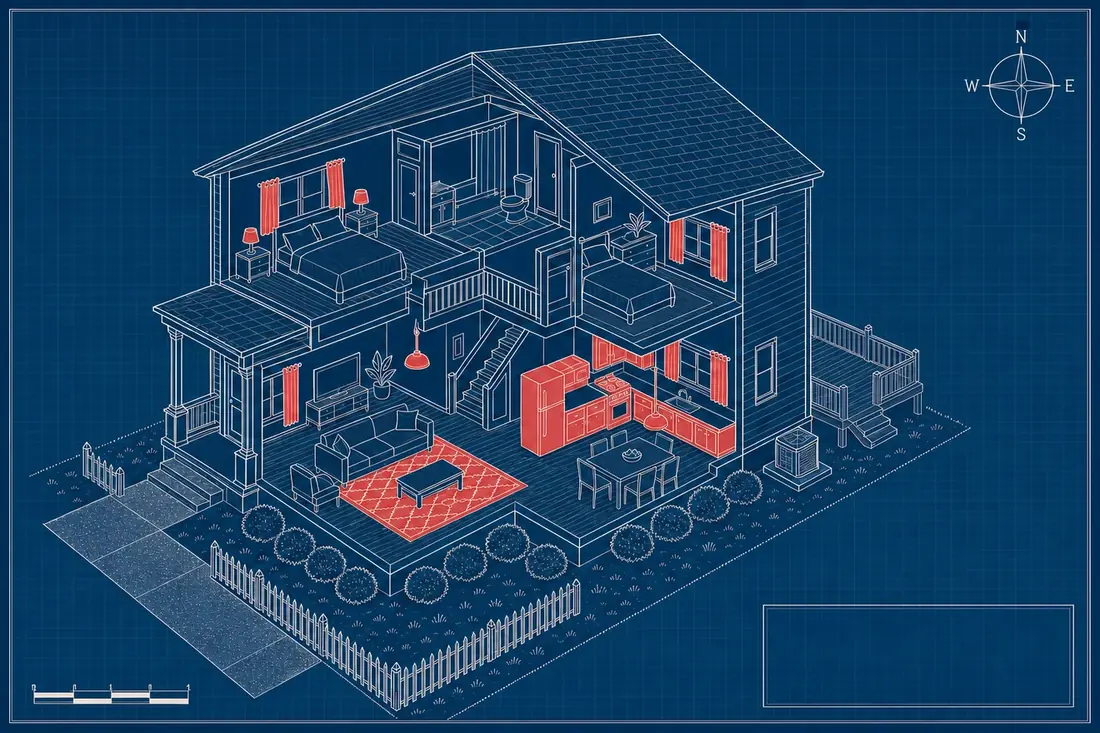
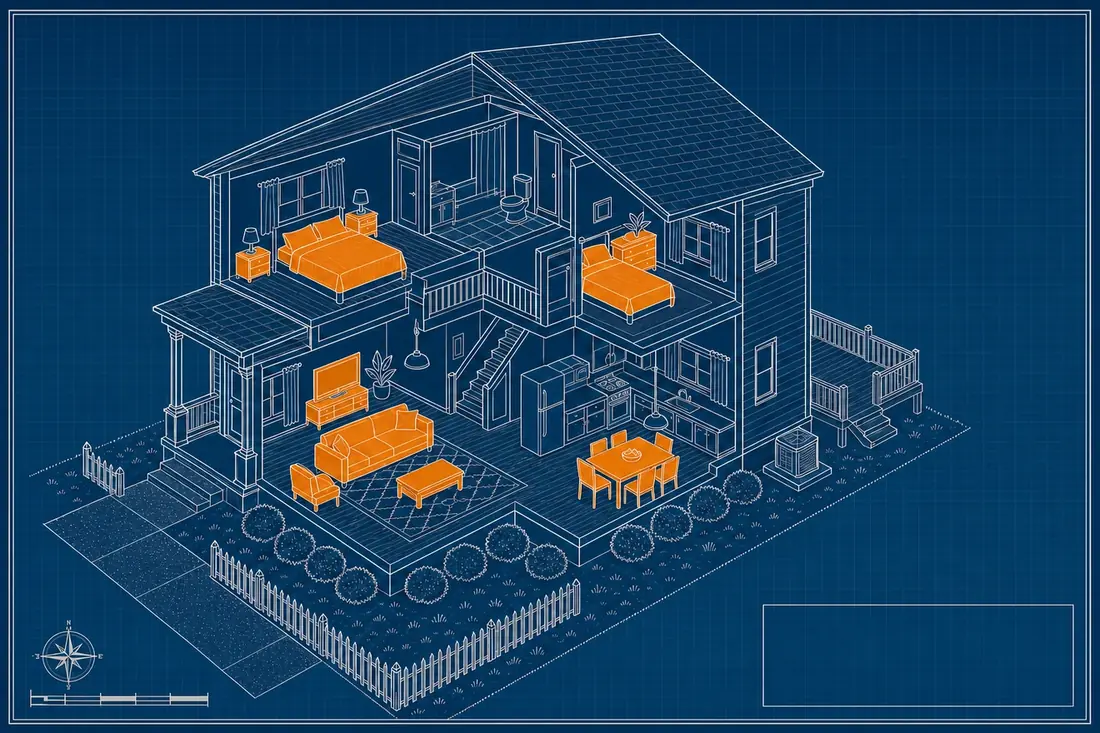
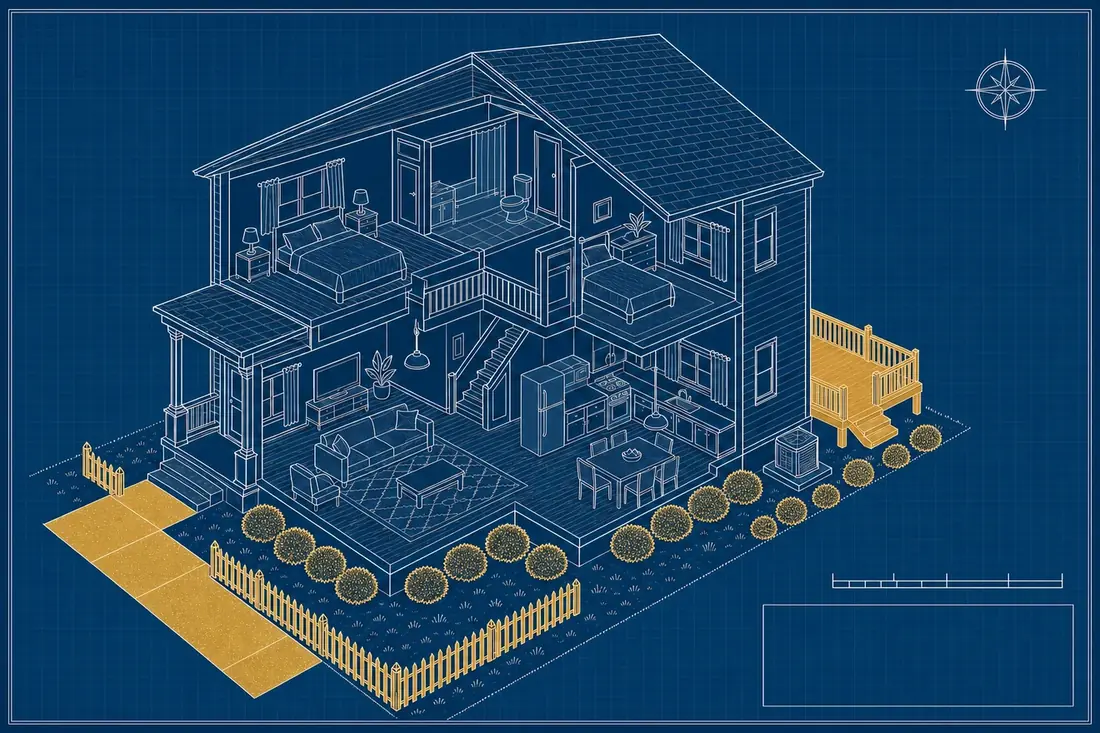
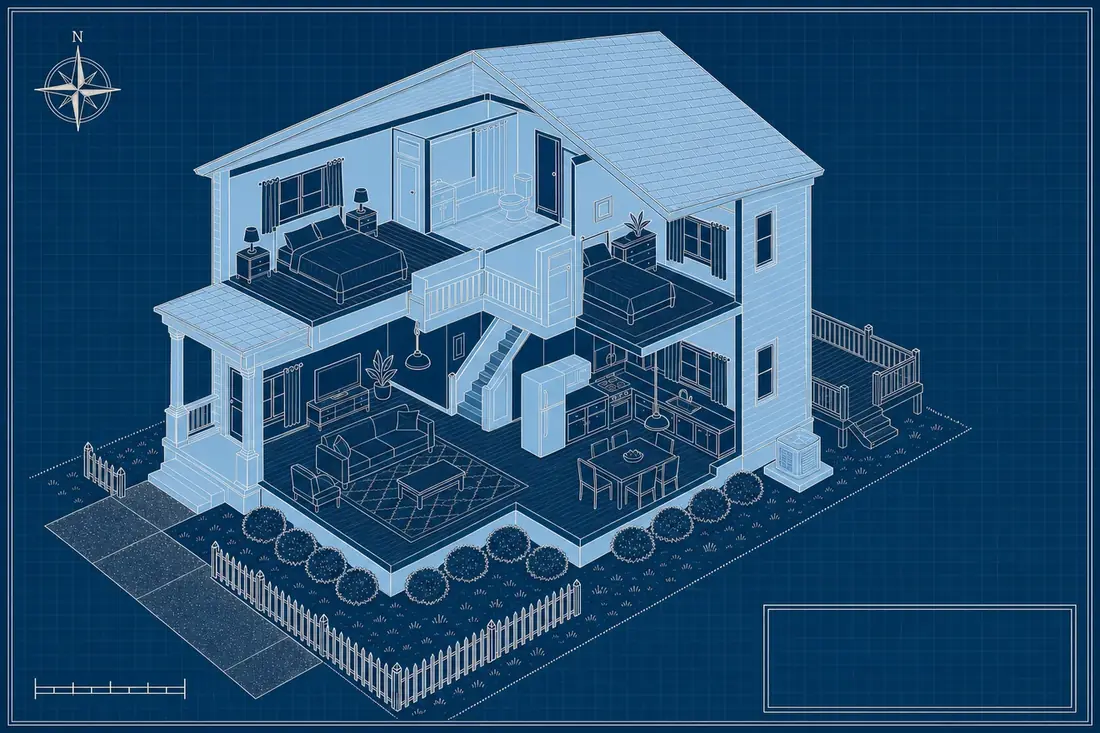
5-Year: carpet and flooring, cabinets, appliances, light fixtures, curtains 7-Year: furniture 15-Year: driveway, fencing, landscaping, deck 27.5/39-Year Shell: roof, load-bearing walls, foundation, central HVAC Get your free Preliminary Benefit Estimate See the deduction size a study would put on this specific building before the passive activity math ever enters the picture. Request Your Free Estimate »Real Estate Professional Status: The Traditional GateSection 469 treats rental activity as passive by default, meaning its losses can only offset passive income, not wages, unless an exception applies. Real estate professional status (REPS) is one way out. The test has two parts: more than 750 hours in real property trades or businesses during the year, and more than half of the owner's total working time across all trades that year spent in real property. REPS clears the activity-level hurdle. It does not, by itself, make a specific rental's losses non-passive. The owner still needs material participation, regular, continuous, and substantial involvement, in that specific property for its losses to escape passive treatment. A demanding W-2 job makes the more-than-half test hard to clear for the working spouse. Plenty of households route REPS through a non-W-2 spouse instead, which is a facts-and-hours question for a CPA, not something a website can resolve in the abstract. The Short-Term Rental Exception: The Faster GateA second path skips REPS entirely. Under Reg. 1.469-1T(e)(3)(ii), a property whose average guest stay is 7 days or less is not a rental activity for section 469 purposes at all. That single average-stay test moves the whole activity out of the passive-by-default bucket. Clearing that test still leaves material participation to satisfy for the specific property. The three common tests: 500-plus hours in the activity; substantially all the work done by the owner; or 100-plus hours and more participation than any other individual, including cleaners, co-hosts, and property managers. A full-service property manager usually breaks the 100-hour test, since their hours typically exceed the owner's. See how a property manager changes the math. This is why short-term rentals come up so often in W-2 conversations: the average-stay test is frequently easier to document than REPS hours, especially for an owner who still works a full-time job. REPS vs. the Short-Term Rental Exception, Side by Side
Both paths end at the same place: material participation in the specific property. They differ in how an owner gets there, and the short-term rental exception is often the shorter walk for someone still drawing a W-2 paycheck. The 60-Second Qualifier Four questions. Our engineering team's model shows the estimated first-year acceleration a study of your property would target, free, before you commit to anything. Take the Qualifier »What the Study Actually ContributesNone of the section 469 machinery requires a cost segregation study. An owner can clear real estate professional status or the short-term rental exception using plain straight-line depreciation and no study at all. The study's job is different: it makes the loss bigger in year one, so clearing the passive-activity gates is worth more when it happens. $330,674first-year deductions, office/warehouse $1,911,675building basis (less land) $9,900study fee 33.4:1deductions to fee That is a benchmark run on an office/warehouse property: a first-year increased deduction of $330,674 against a $9,900 fee, a building basis of $1,911,675 after land was excluded, a 33.4:1 ratio of deductions to fee. The size of a deduction like that is exactly what section 469 decides where to send: parked against passive income, or, for an owner who clears REPS or the short-term rental exception with material participation, against W-2 wages too. What Happens If the Losses Stay PassiveAn owner who does not clear a 469 gate still gets the deduction. It just suspends. Suspended passive losses carry forward year after year, available to offset passive income (other rentals, certain K-1 income) whenever that income shows up. Suspended losses are generally released in full when the activity is disposed of in a full taxable sale. An owner who is years from selling, with no passive income on hand to absorb the loss, is banking a deduction for later rather than losing it. See using a study as a passive-income shield for that path in detail. Building the Case Before the Study, Not AfterOrder matters here. A cost segregation study is fast to commission and does not require the passive-activity question to be answered first, the deduction exists regardless of how it is ultimately used. But an owner deciding whether to pursue a study now, versus banking a deduction for a later sale, benefits from knowing which 469 gate applies before the study is ordered, not after. A free Preliminary Benefit Estimate models the likely first-year acceleration on a specific building before any commitment, so the size of the number sits next to the passive-activity question instead of arriving after it. See how the mechanics work overall at do I qualify for cost segregation. Frequently asked questionsDoes cost segregation change how much is withheld from my paycheck? No. Withholding is set by the employer based on W-4 elections and has nothing to do with a rental property's depreciation. Any effect on total tax owed shows up when the return is filed, not in withholding, and depends on whether the property's losses clear the passive activity tests described above. Can one spouse's W-2 job block real estate professional status for the household? The more-than-half-of-working-time test is measured person by person, not household by household. A spouse without an unrelated full-time job can often qualify for real estate professional status even if the other spouse works full time elsewhere, subject to the hours and material participation tests. Does a single short-term rental qualify for the average stay exception? The average stay is measured using actual guest bookings for the year at the property or activity level. A single short-term rental with an average stay of 7 days or less can clear that test on its own. Grouping multiple properties is a separate election question best worked out with a CPA. What if the rental has no losses to offset wages this year? A cost segregation study still books its deduction in the year it is placed on the return; there is nothing to carry if there is no loss. Whether a property produces a loss at all depends on rental income, other expenses, and the size of the deduction the study identifies. Keep readingGet your free Preliminary Benefit Estimate Send the address or the listing link. We model the number first; you decide with it in hand. Request Your Free Estimate »Educational information, not tax advice. This page describes how federal
depreciation rules and tests work in general. Whether any rule fits your facts is a determination for
you and your CPA. Our study gives your CPA the engineering and the numbers to make that call.
|