|
Cost Segregation for Commercial & Short-Term Rental Owners
|
Request a free estimate [email protected] |
Qualification
FREE Estimate Is there a first-year deduction sitting in your building? No cost, no obligation. Request Yours »Minimum ROIOur study identifies at least 20x its fee in first-year deductions on commercial property, or at least 30x on a short-term rental, or it is free. |
Is There a Minimum Property Value for Cost Segregation?Quick answer There is no legal minimum property value for a cost segregation study. Economics decide instead: the deduction a study finds has to be worth meaningfully more than its fee. A delivered single-family rental study on a $1,040,000 basis produced $174,905 in first-year depreciation for a $1,295 fee, roughly 135:1. Below a certain basis the ratio still works, the fee is just proportionally larger relative to the building, which is why every study is custom-priced rather than sold off a rate card. See this applied to your building. A few questions, 30 seconds. You see which tests matter and the first-year deduction range a study would look for. No email to see the range. Run the 30-second check »Key takeaways
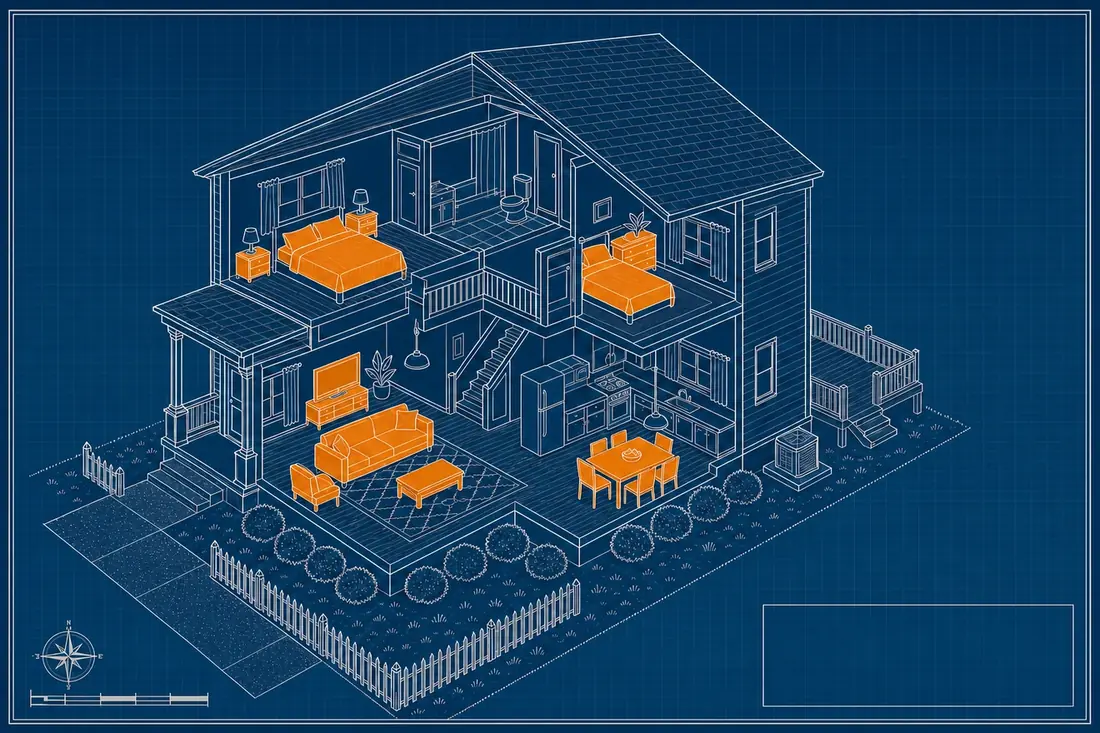
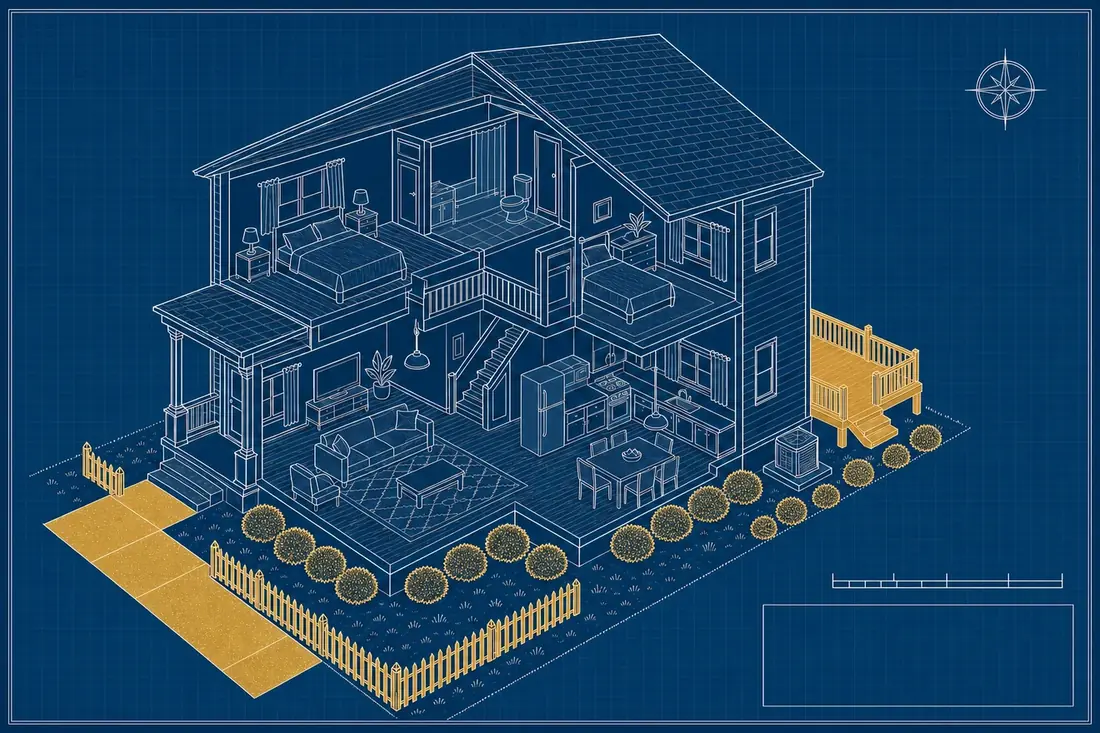
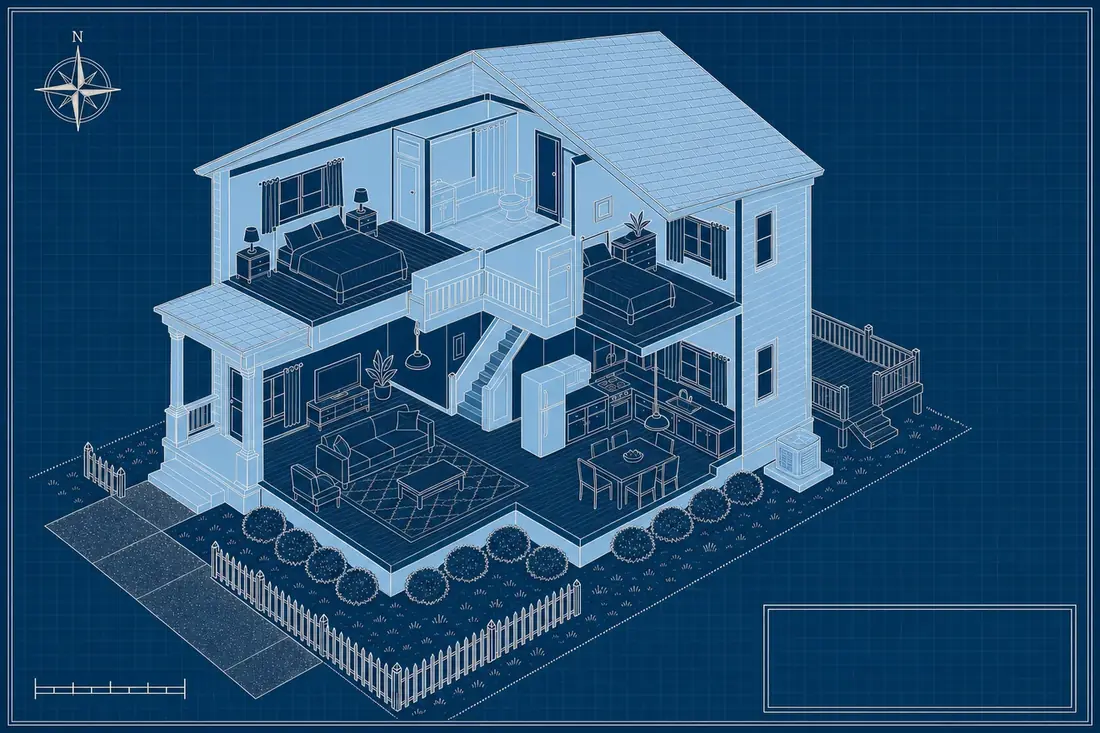
No IRS Minimum, Just EconomicsThere is no dollar threshold in the tax code that says a property has to be worth a certain amount before cost segregation applies. Cost segregation is a method of depreciation, sorting building components into 5-year, 7-year, 15-year land improvement, and 39-year or 27.5-year structural classes, and that method works on any depreciable building or rental. The actual limit isn't legal, it's arithmetic: does the deduction the study finds clear the fee by enough to be worth ordering? This applies whether the property is a commercial building, a long-term residential rental, or a short-term rental. The mechanics, land excluded first, then the remaining basis sorted into faster and slower schedules, are identical across property types; only the object being reclassified changes. That is also why every study at Basis is custom-priced per property rather than sold off a flat rate card. A property's basis, complexity, and property type all move the fee, and they move the likely deduction right along with it. 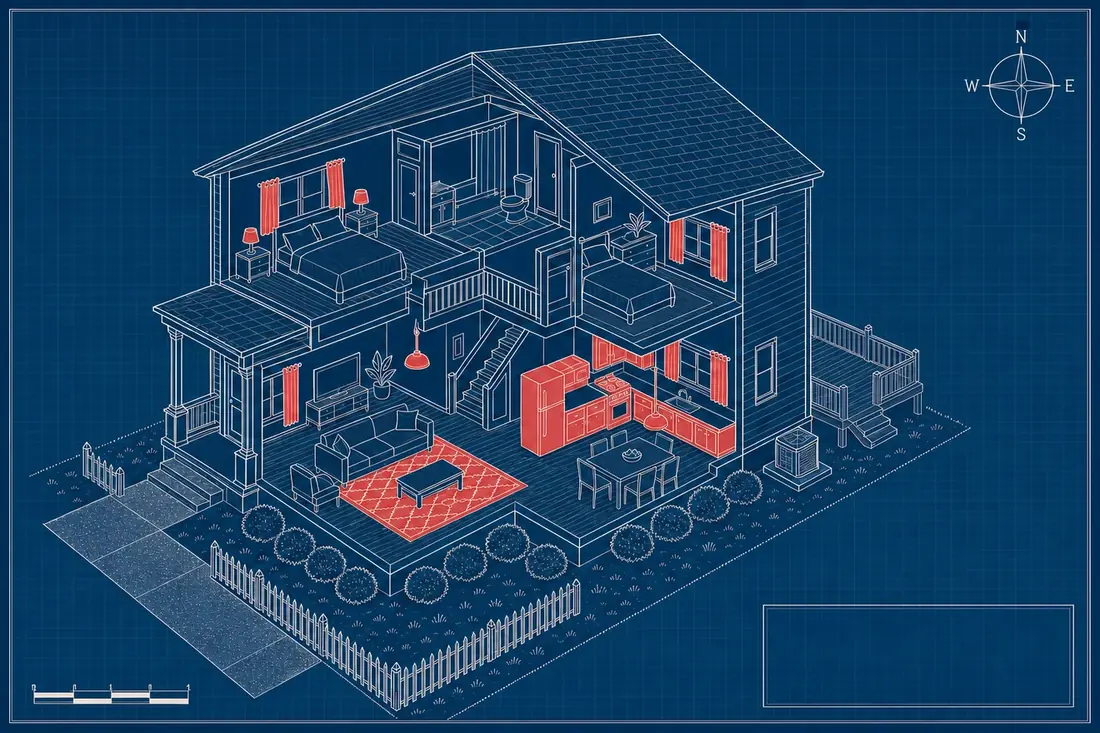
5-Year: carpet and flooring, cabinets, appliances, light fixtures, curtains 7-Year: furniture 15-Year: driveway, fencing, landscaping, deck 27.5/39-Year Shell: roof, load-bearing walls, foundation, central HVAC Get your free Preliminary Benefit Estimate Get a free Preliminary Benefit Estimate on this specific building and see the ratio before wondering whether it clears any minimum. Request Your Free Estimate »The Real Question: What Ratio Does the Basis SupportDeductions-to-fee ratio is the number that actually decides whether a small property is worth a study, not the property's raw value. A larger commercial building spreads a bigger fee across a much larger deduction; a smaller residential property carries a lower fee against a smaller deduction, but the ratio can still run high because the fee itself scales down with it. $1,040,000depreciable basis, single-family rental $174,905first-year depreciation $1,295study fee 135:1deductions to fee That is a real delivered study: a single-family rental in Montgomery County, Pennsylvania, built in 2013 at 4,946 square feet, with a $1,040,000 depreciable basis. The study identified $160,242 of that basis, 15.4%, for faster schedules, and produced an estimated $174,905 in first-year depreciation (16.8% of basis, including 100% bonus) against a $1,295 fee. That works out to roughly 135:1. Where the Ratio Gets TightAt a small enough basis, the ratio compresses. A property with a low depreciable basis and few reclassifiable components, a simple, recently built structure with little site work, gives an engineer less to reallocate, and the fee for the analysis does not shrink to zero even when the building is small. A newly built structure with minimal finish-out, a plain warehouse shell with no paving, landscaping, or interior buildout, sits at the low end of what a study can reclassify, sometimes closer to 15% of basis rather than the 30%-plus a restaurant or hospitality property can reach. This is the honest version of "is my property too small": not a legal cutoff, but a case-by-case math problem. A property with a large parking lot, extensive site landscaping, or a lot of finished interior (cabinetry, flooring, decorative lighting) tends to support a stronger ratio than a bare, small structure, regardless of the property's market price. The same logic applies at the top end. A large, expensive building with a plain, unadorned interior and minimal site work can produce a weaker ratio than a much smaller property packed with finish detail. Size on the deed is a poor stand-in for what an engineer actually finds inside the walls and across the lot. A Smaller Commercial Basis, Still a Strong Ratio$241,839first-year deductions, medical clinic $1,404,500building basis (less land) $10,000study fee 24.2:1deductions to fee A benchmark run on a medical clinic, at a $1,404,500 building basis, smaller than many commercial buildings, still produced $241,839 in first-year deductions against a $10,000 fee, a 24.2:1 ratio. The basis was comparatively modest; the ratio still cleared the commercial guarantee comfortably. Composition and property type carry weight alongside raw size. An owner comparing a small clinic against a much larger warehouse should expect the clinic's specialized plumbing, electrical, and finish-out to push its ratio closer to the larger building's than the basis gap alone would suggest. The 60-Second Qualifier Four questions. Our engineering team's model shows the estimated first-year acceleration a study of your property would target, free, before you commit to anything. Take the Qualifier »How the Guarantee Removes the GuessingRather than publish a minimum value and turn away properties near the line, the guarantee ties the fee directly to the result: our study identifies at least 20x its fee in first-year deductions on commercial property, or at least 30x on a short-term rental, or it is free. That guarantee only works because pricing is set per property in the first place; a flat rate card could not make the same promise across a mid-rise office and a single-family rental. That structure protects the owner on the downside of a small or marginal property. If the deduction does not clear the multiple, there is no fee at all, which removes the need to guess where a minimum sits. The guarantee is fee-agnostic. It ties the promise to a multiple of whatever the fee turns out to be, not to a dollar figure set in advance.
What the Free Estimate Answers Before Anyone CommitsA free Preliminary Benefit Estimate models a specific building's likely first-year acceleration before any fee is quoted, which answers the minimum-value question directly for that property instead of in the abstract. That number, not a published threshold, is what actually answers whether a specific building clears the bar. See what a cost segregation study costs on a single-family rental for how the fee itself gets set, and how pricing typically works across the industry for the alternative models other providers use. Property Type Changes the Math More Than Value DoesA $300,000 single-family rental and a $300,000 sliver of a much larger commercial building do not carry the same reclassification potential. Property type, restaurants and hospitality run at the high end of reclassifiable basis, simple office shells at the low end, moves the ratio more than the raw dollar value on the deed does. See is cost segregation worth it on a $300k property for that math worked through in detail. Frequently asked questionsIs there a minimum square footage for a cost segregation study? No. Square footage alone does not determine value the same way basis and composition do. A large but simple structure can produce a lower ratio than a smaller property with more finished interior and site improvements. A building's actual depreciable basis and its mix of components matter more than square footage on its own. Does a $1,295 fee apply to every small residential rental? No. That figure describes one real delivered study, not a fixed price. Every study is custom-priced based on the specific building's size, complexity, and location, so a comparable property could quote higher or lower depending on what an engineer finds during classification. What happens if a property is too small to clear the guarantee? The guarantee itself is the answer: our study identifies at least 20x its fee in first-year deductions on commercial property, or 30x on a short-term rental, or it is free. A property that cannot clear that multiple costs nothing, which removes the need to guess at a minimum in advance. Does land value count toward the minimum property value question? No. Land is excluded first in every study, before any reclassification happens; only the building and its improvements depreciate. A property with a high land value and a modest building basis will produce a smaller deduction than the sale price alone would suggest. Keep readingGet your free Preliminary Benefit Estimate Send the address or the listing link. We model the number first; you decide with it in hand. Request Your Free Estimate »Educational information, not tax advice. This page describes how federal
depreciation rules and tests work in general. Whether any rule fits your facts is a determination for
you and your CPA. Our study gives your CPA the engineering and the numbers to make that call.
|