|
Cost Segregation for Commercial & Short-Term Rental Owners
|
Request a free estimate [email protected] |
Qualification
FREE Estimate Is there a first-year deduction sitting in your building? No cost, no obligation. Request Yours »Minimum ROIOur study identifies at least 20x its fee in first-year deductions on commercial property, or at least 30x on a short-term rental, or it is free. |
Can Cost Segregation Losses Offset Other Passive Income?Quick answer Yes. Even without real estate professional status or the short-term rental exception, a cost segregation study's losses remain useful as passive losses under section 469: they can offset passive income from other rental properties or from syndication and limited-partner K-1s. This path does not require material participation or any hours test; it only requires that both the loss and the income sit in the passive bucket, and that the loss is properly reported on the return. See this applied to your building. A few questions, 30 seconds. You see which tests matter and the first-year deduction range a study would look for. No email to see the range. Run the 30-second check »Key takeaways
The Third Path: No Hours Test RequiredMost cost segregation conversations focus on getting losses to offset wages, which requires clearing real estate professional status or the short-term rental exception, plus material participation. There is a third path that skips the hours question entirely: using the loss to offset other passive income instead of wages. Section 469 does not require an owner to prove any hours at all to use a passive loss against passive income. It only requires that the loss and the income both fall on the passive side of the ledger in the same tax year, or that a suspended loss carries forward to a year when passive income is available. That distinction matters most for an owner who is not close to clearing 750 hours in real property trades and does not want to build a short-term rental hours case just to use a deduction. 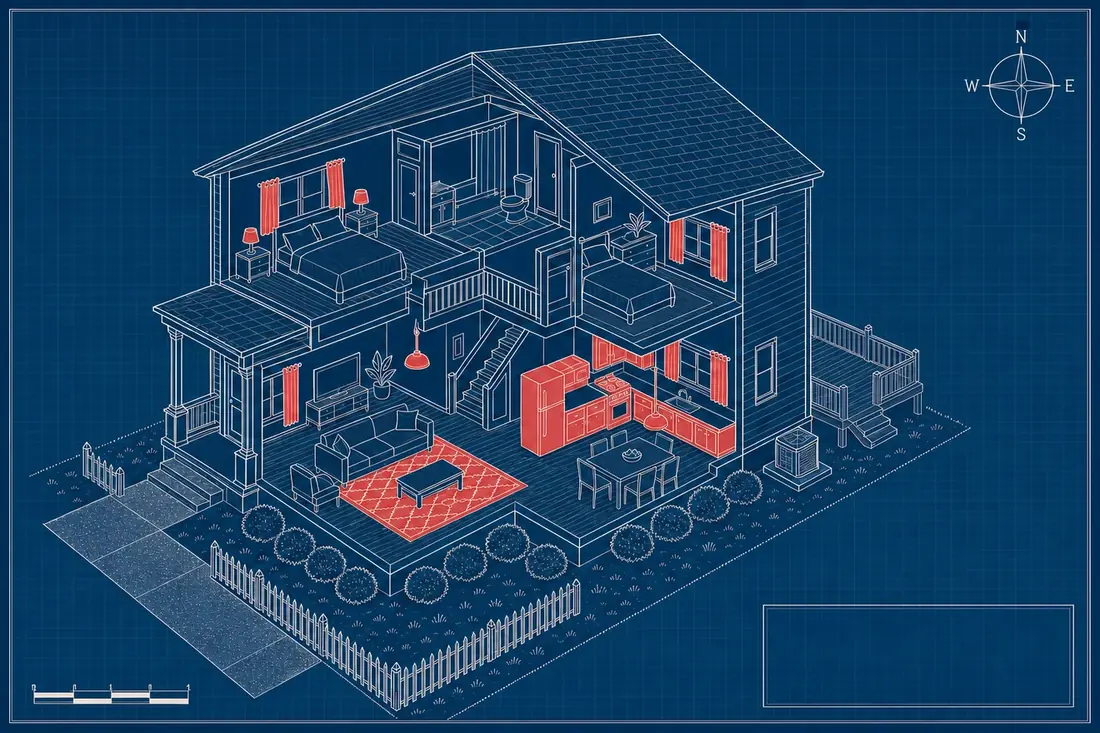
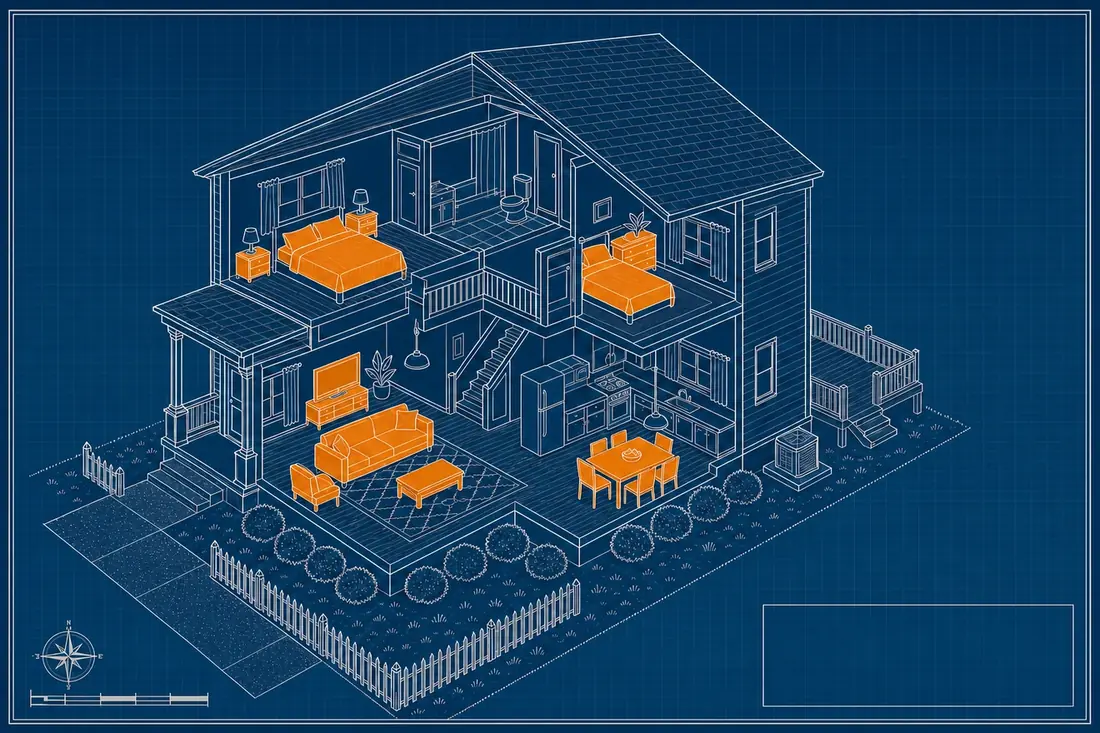
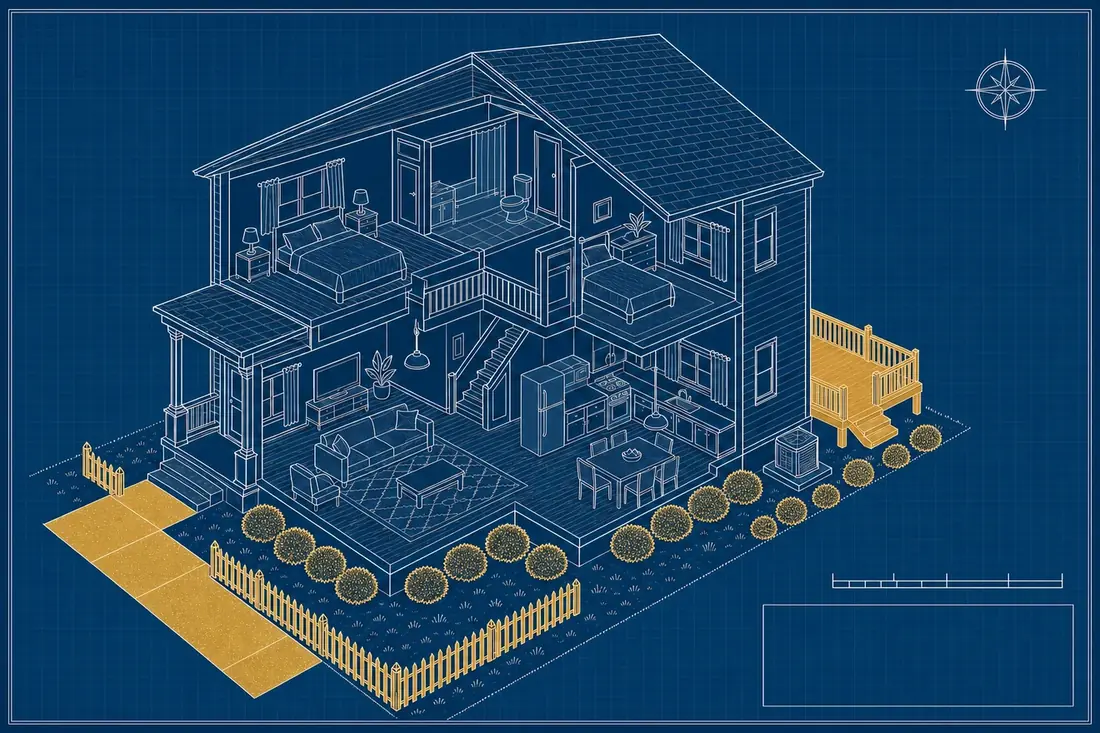
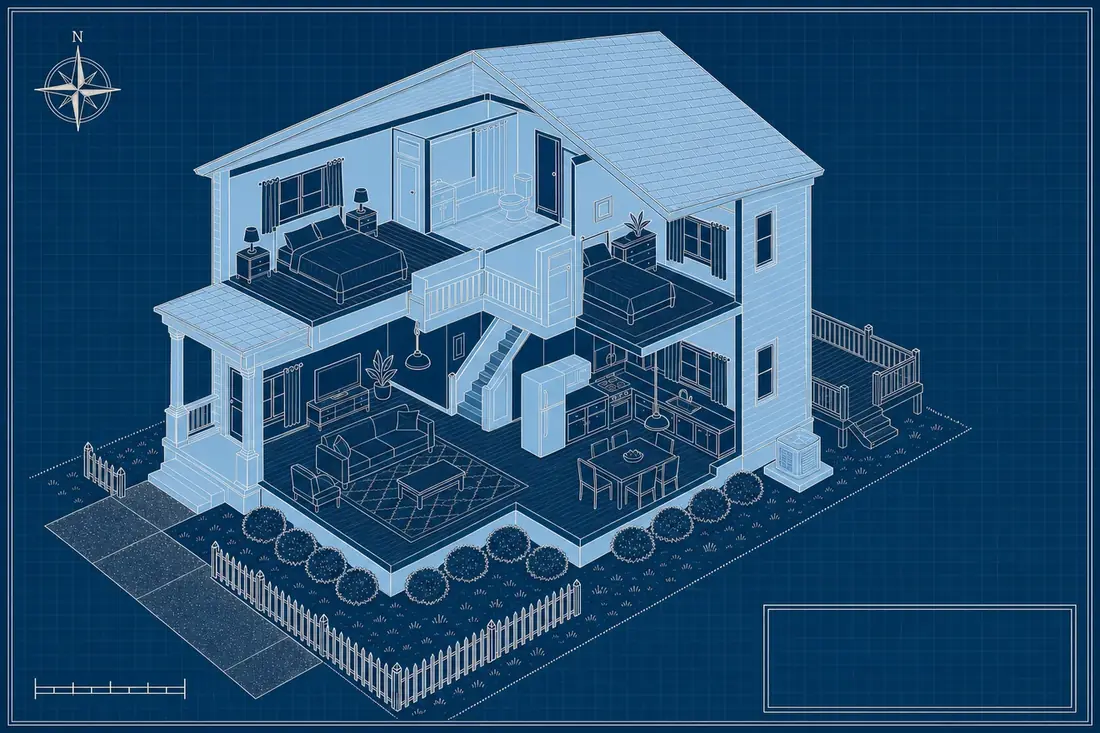
5-Year: carpet and flooring, cabinets, appliances, light fixtures, curtains 7-Year: furniture 15-Year: driveway, fencing, landscaping, deck 27.5/39-Year Shell: roof, load-bearing walls, foundation, central HVAC Get your free Preliminary Benefit Estimate Passive-activity rules decide this one, not the 7-day rule or the 100-hour test. The 60-second quiz checks which path fits your property. Request Your Free Estimate »What Counts as Passive Income to Offset AgainstSection 469 defines passive activity broadly: any trade or business in which the owner does not materially participate, plus, by default, all rental activity regardless of participation, except where the short-term rental exception applies.
Wages, self-employment income, portfolio income like interest and dividends, and most capital gains do not count as passive income for this purpose. That is the line that separates this path from the W-2-offset path: the destination has to be passive income, not any income. Grouping elections can also matter here. An owner with several rental properties may be able to treat them as a single combined activity for section 469 purposes, which changes how income and losses net out across the group before any suspension question arises, a decision worth making with a CPA rather than after the fact. Why an Owner With Several Properties Is a Natural FitAn owner who holds multiple rental properties, or who is a limited partner in one or more syndications, often already has passive income flowing in most years. A cost segregation study on one property in that portfolio can generate a large first-year loss that offsets passive income from the others, without needing to touch the real estate professional or short-term rental tests at all. This is common with a newly acquired property added to an existing portfolio: the new property's study produces the loss, and the rest of the portfolio supplies the passive income it offsets. It also fits an owner transitioning out of active involvement, someone who used to materially participate but has stepped back, since income from a property no longer actively run typically reverts to passive treatment going forward. A Worked Example$599,678first-year deductions, free-standing restaurant $2,804,440building basis (less land) $9,000study fee 66.6:1deductions to fee A benchmark run on a free-standing restaurant produced $599,678 in first-year deductions against a $9,000 fee, a 66.6:1 ratio. A limited partner holding an interest in that property alongside passive income from other syndications could use that deduction, in proportion to their ownership share, against that other passive income, without any material participation question entering the picture. Limited partners in syndications frequently see this exact scenario: the general partner commissions a study on the underlying property, and each limited partner's share of the resulting loss lands on their own K-1 as passive. The 60-Second Qualifier Four questions. Our engineering team's model shows the estimated first-year acceleration a study of your property would target, free, before you commit to anything. Take the Qualifier »What Happens When There Isn't Enough Passive IncomeA loss that exceeds the passive income available in a given year does not disappear. It suspends under section 469 and carries forward to future years, available whenever passive income shows up, whether from the same properties, a new syndication, or elsewhere. Suspended losses are generally released in full when the owner disposes of the activity that generated them in a full taxable sale, at which point they can offset the gain on that sale and other income in that same year. An owner who tracks suspended losses carefully, rather than assuming they evaporate, is often sitting on a meaningful deduction bank by the time a sale happens, especially after several properties' studies have layered suspended losses over multiple years. Why This Path Gets OverlookedMost cost segregation marketing focuses on the bigger prize, offsetting W-2 wages, because it makes a more dramatic pitch. The passive-income path gets less attention, but it requires none of the hours documentation that REPS or the short-term rental exception demand, which makes it the simplest path for an owner who already has passive income and does not want to build a participation case. That simplicity is also the case's biggest limitation: it only works when passive income actually exists somewhere in the picture. An owner with no other rentals and no K-1 income has nothing for the loss to offset until a sale happens. See can cost segregation offset W-2 income for the harder path, and what is material participation for the hours tests this path skips entirely. Sizing the Loss Before Counting on ItWhether a specific property's study will produce enough of a loss to meaningfully offset a portfolio's passive income depends on that property's basis and composition, not on the passive-income strategy itself. A free Preliminary Benefit Estimate models the likely first-year acceleration on a specific building, which gives an owner a real number before deciding how much of their portfolio's passive income it is worth pursuing against. Sizing the number first also clarifies whether a study on a smaller property is worth ordering purely for its passive-income-shielding value, separate from any question about wages. Frequently asked questionsDoes K-1 income from a syndication always count as passive? Limited partner K-1 income is generally passive by default, since limited partners typically do not materially participate in the underlying activity. General partner K-1 income can be treated differently depending on the general partner's actual involvement, which is a facts-and-hours question for a CPA. Can a cost segregation loss on one property offset income from an unrelated business? No, not directly. Passive losses can only offset passive income, and most active trades or businesses generate non-passive income. The loss would need to clear a different path, real estate professional status or the short-term rental exception, to reach non-passive business income. Do suspended passive losses expire after a certain number of years? No. Suspended passive losses carry forward indefinitely under section 469 until there is enough passive income to absorb them or until the activity is disposed of in a full taxable sale, whichever comes first. Is the passive-income path available to an owner with real estate professional status? An owner with real estate professional status who also materially participates in a property generally has non-passive losses from that property already, so the passive-income path is mainly relevant to properties or years where material participation is not established. Keep readingGet your free Preliminary Benefit Estimate Send the address or the listing link. We model the number first; you decide with it in hand. Request Your Free Estimate »Educational information, not tax advice. This page describes how federal
depreciation rules and tests work in general. Whether any rule fits your facts is a determination for
you and your CPA. Our study gives your CPA the engineering and the numbers to make that call.
|