|
Cost Segregation for Commercial & Short-Term Rental Owners
|
Request a free estimate [email protected] |
Qualification
FREE Estimate Is there a first-year deduction sitting in your building? No cost, no obligation. Request Yours »Minimum ROIOur study identifies at least 20x its fee in first-year deductions on commercial property, or at least 30x on a short-term rental, or it is free. |
Does Cost Segregation Still Work With a Property Manager?Quick answer Yes, the study itself works the same way regardless of who manages the property. What changes is whether the deduction it creates can offset other income right away. A full-service property manager's hours usually exceed the owner's, which breaks the 100-hour material participation test most owners rely on. The loss still exists; it typically suspends as a passive loss, carries forward, and generally releases in full when the property is sold in a full taxable sale. That is one of the tests. The check asks the rest. What you own, who runs it, average guest stay, when you bought. Four questions, 30 seconds, and you see the first-year deduction range a study would look for on your rental. No email to see the range. Run the 30-second check »Key takeaways
The Study Doesn't Know Who Manages the PropertyA cost segregation study reclassifies building components, carpet, cabinetry, parking lot paving, certain electrical and plumbing serving equipment, into faster depreciation schedules instead of leaving everything on the standard 39-year (commercial) or 27.5-year (residential) shell. On a short-term rental, that classification typically runs off listing photos rather than a site visit; on a long-term rental or commercial building, an engineer walks the property. Either way, the work happens at the building level, before anyone asks who runs the day-to-day operations. Whether the owner self-manages, uses a co-host, or hires a full-service property management company, none of that changes the deduction the study identifies. What a property manager changes is a separate question: whether that deduction can offset the owner's other income this year, or whether it has to wait. 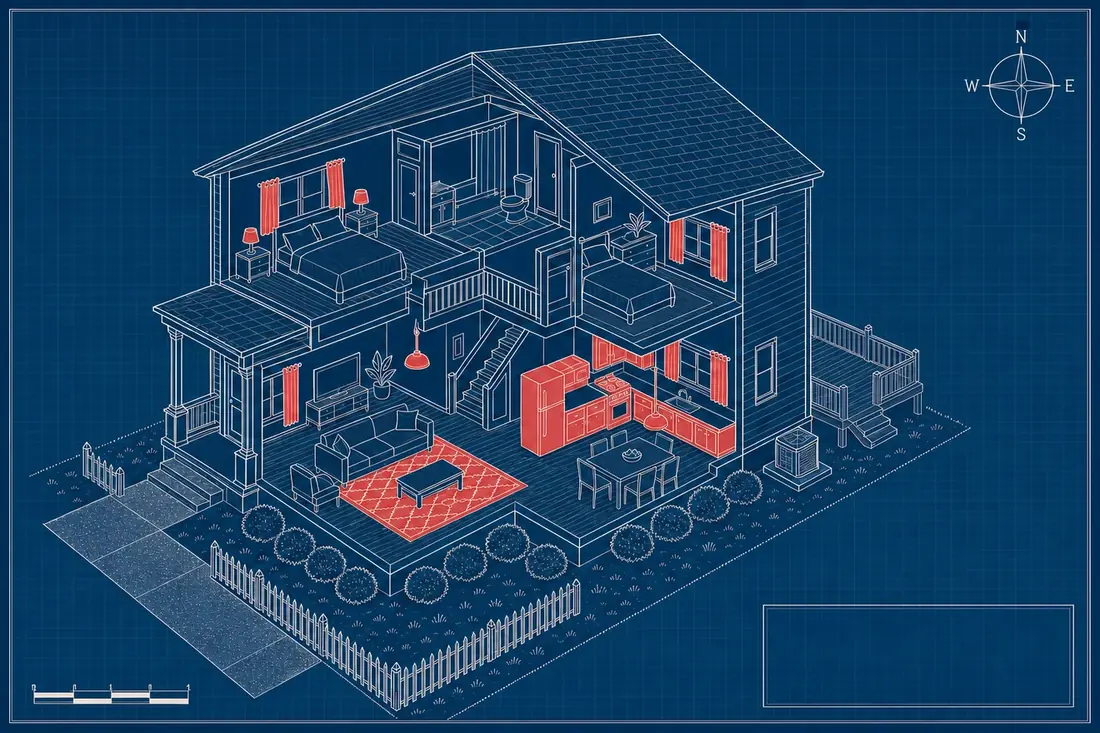
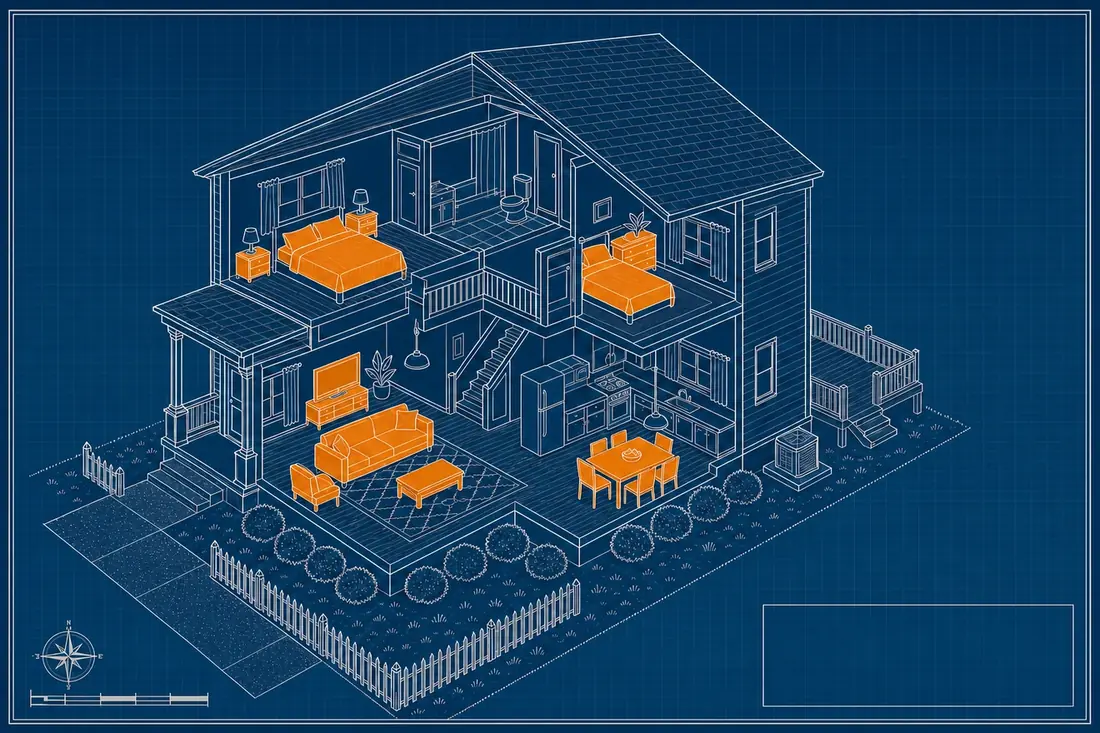
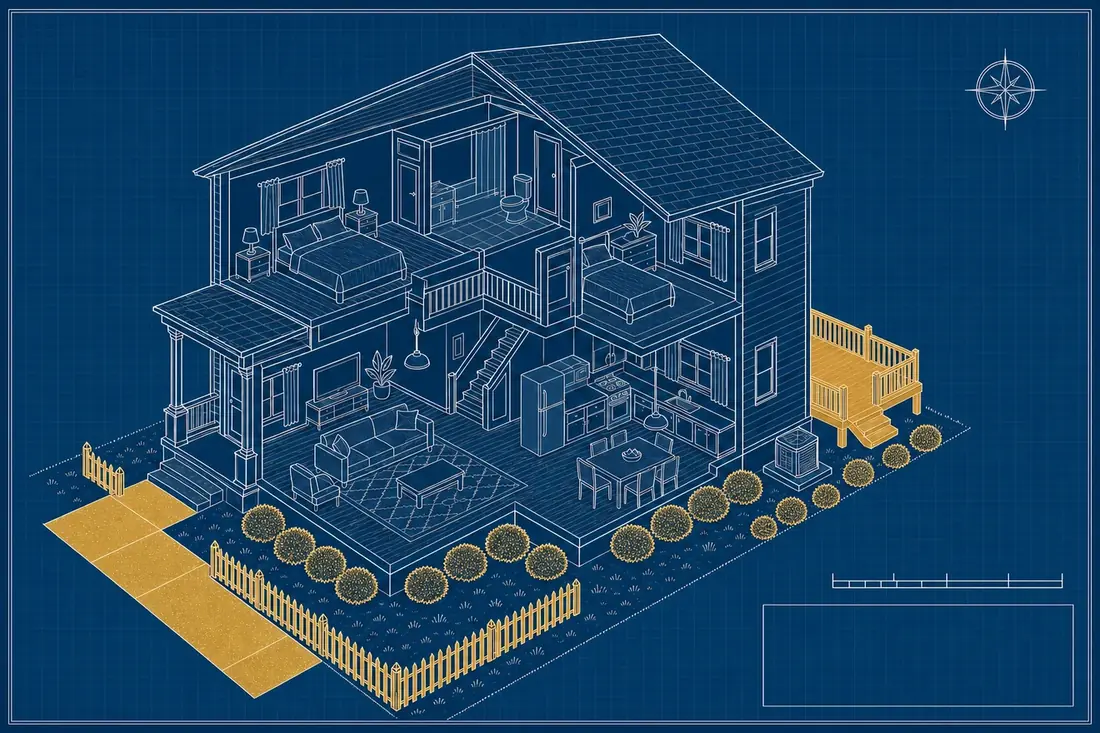
5-Year: carpet and flooring, cabinets, appliances, light fixtures, curtains 7-Year: furniture 15-Year: driveway, fencing, landscaping, deck 27.5/39-Year Shell: roof, load-bearing walls, foundation, central HVAC Get your free Preliminary Benefit Estimate See the deduction size a study would produce on this property, with or without a manager in the picture, before the timing question gets worked out. Request Your Free Estimate »Where the Property Manager Enters the Picture: Material ParticipationRental losses are passive by default under section 469, meaning they can only offset passive income unless the owner clears a material participation test, regular, continuous, and substantial involvement in the operation, for that specific property. For most owners without real estate professional status, the relevant test on a short-term rental is 100-plus hours and more participation than any other individual involved in the activity. "Any other individual" includes the property manager, cleaners, and co-hosts. A full-service manager's hours, booking, guest communication, turnover coordination, maintenance calls, routinely exceed an owner's, even an engaged one. That is what breaks the 100-hour test for a lot of owners who hire full management. Booking calendars, guest message logs, and cleaning schedules are the records that typically settle whose hours actually led for a given year, which is why keeping a log matters more than intent does. Short-Term vs. Long-Term Rentals: Same Gate, Different TestsOn a long-term rental with a property manager, the relevant test is usually real estate professional status (750-plus hours and more than half of the owner's total working time across all trades spent in real property) plus material participation in that specific property. A hands-off owner who hires full property management for a long-term rental faces the same passive-loss default as the short-term case, just measured against a different activity-level test.
What Happens to the Deduction When It SuspendsA deduction that cannot clear the passive activity gates this year is not gone. It does not expire and it is not forfeited. It suspends under section 469 and carries forward year after year, available the moment the owner has passive income to absorb it: income from other rental properties, certain limited partner and syndication K-1 income, or income from a different activity the owner does not materially participate in. Suspended losses are generally released in full when the owner disposes of the activity in a full taxable sale, which is why owners planning to sell within a defined window often treat a study as banking a deduction for the exit rather than for this year's return. Tracking suspended losses year over year matters here. An owner with several managed properties, each contributing its own suspended loss, can accumulate a meaningful total by the time any one of them sells, even though none of those losses did anything for the owner's taxes in the years they were generated. The 60-Second Qualifier Four questions. Our engineering team's model shows the estimated first-year acceleration a study of your property would target, free, before you commit to anything. Take the Qualifier »When a Study Still Makes Sense With a Manager in PlaceA property manager handling day-to-day operations does not make a study a bad idea. It changes which of these situations has to be true for the deduction to be worth pursuing now instead of banking it for later. A property manager's presence is a fact to plan around, not a reason to skip the study altogether.
None of these change the mechanics. They change the timing of when the deduction becomes useful. A Worked Example: What a Manager Doesn't Change$599,678first-year deductions, free-standing restaurant $2,804,440building basis (less land) $9,000study fee 66.6:1deductions to fee That is a benchmark run on a free-standing restaurant building: $599,678 in first-year increased deductions against a $9,000 fee, a building basis of $2,804,440 after land was excluded, a 66.6:1 ratio of deductions to fee. An owner who leases that building to an operator and never touches day-to-day management still gets that same deduction size. Section 469 decides only where it can go this year, not how large it is. The manager changes the timing question. It never changes the number the study produces.
Getting the Number Before the Participation QuestionBecause the deduction size and the participation question are separate, an owner does not need to resolve material participation before finding out what a study would identify. A free Preliminary Benefit Estimate models the likely first-year acceleration on the specific building first, so the timing conversation, with a CPA, happens with a real number in hand rather than a guess. Owners weighing whether losses will offset wages at all, manager or no manager, should also see can cost segregation offset W-2 income, and owners banking on passive income to absorb a suspended loss should see using a study as a passive-income shield. Frequently asked questionsDoes hiring a property manager retroactively hurt a study already completed? No. The study's deduction is fixed once the report is finished; hiring a manager afterward does not shrink it or reopen the classification work. What can change year to year is whether that year's losses clear the material participation test, which is a separate question evaluated annually, not something baked into the report itself. Can a part-time property manager still allow the owner to clear the 100-hour test? It depends on the manager's actual hours that year, not their title. A part-time manager handling limited tasks may still leave the owner with more hours and more participation than any other individual, which is what the 100-hour test actually measures. Detailed logs on both sides are what settle the question. Do co-hosts count the same as a traditional property management company? For material participation purposes, yes. The test looks at hours and participation by any individual involved in the activity, regardless of whether that person is a co-host, a management company employee, or a contractor. Their function matters less than the hours they actually logged. If losses suspend this year, does the owner lose the audit defense on the study? No. Audit defense covers the engineering report itself, defense of the study's methodology and classifications by the team that produced it, regardless of whether that year's losses were passive or non-passive. The client's CPA still represents the client on the return. Keep readingGet your free Preliminary Benefit Estimate Send the address or the listing link. We model the number first; you decide with it in hand. Request Your Free Estimate »Educational information, not tax advice. This page describes how federal
depreciation rules and tests work in general. Whether any rule fits your facts is a determination for
you and your CPA. Our study gives your CPA the engineering and the numbers to make that call.
|