|
Cost Segregation for Commercial & Short-Term Rental Owners
|
Request a free estimate [email protected] |
STR Guides
Free Listing SEO Audit Paste your Airbnb or VRBO listing. Get a scored audit in 90 seconds. Audit My Listing »FREE Estimate Is there a first-year deduction sitting in your building? No cost, no obligation. Request Yours »Minimum ROIOur study identifies at least 20x its fee in first-year deductions on commercial property, or at least 30x on a short-term rental, or it is free. |
The Short-Term Rental "Tax Loophole," ExplainedQuick answer What gets called the short-term rental tax loophole is a defined exception in Treas. Reg. 1.469-1T(e)(3)(ii): a rental property whose average guest stay is 7 days or less is not a "rental activity" under section 469, the passive activity rules. Clearing that gate does not finish the job. The owner still needs material participation, meaning real and regular involvement running the property, before the resulting loss can offset income outside the rental, including wages. That is one of the tests. The check asks the rest. What you own, who runs it, average guest stay, when you bought. Four questions, 30 seconds, and you see the first-year deduction range a study would look for on your rental. No email to see the range. Run the 30-second check »Key takeaways
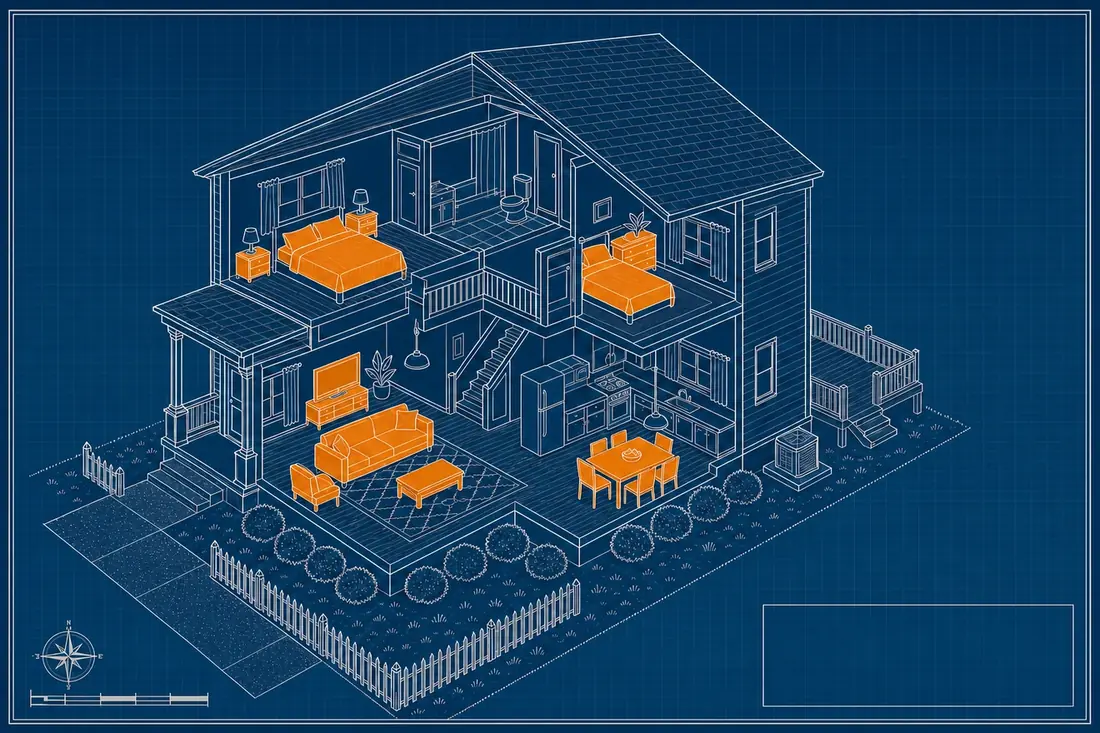
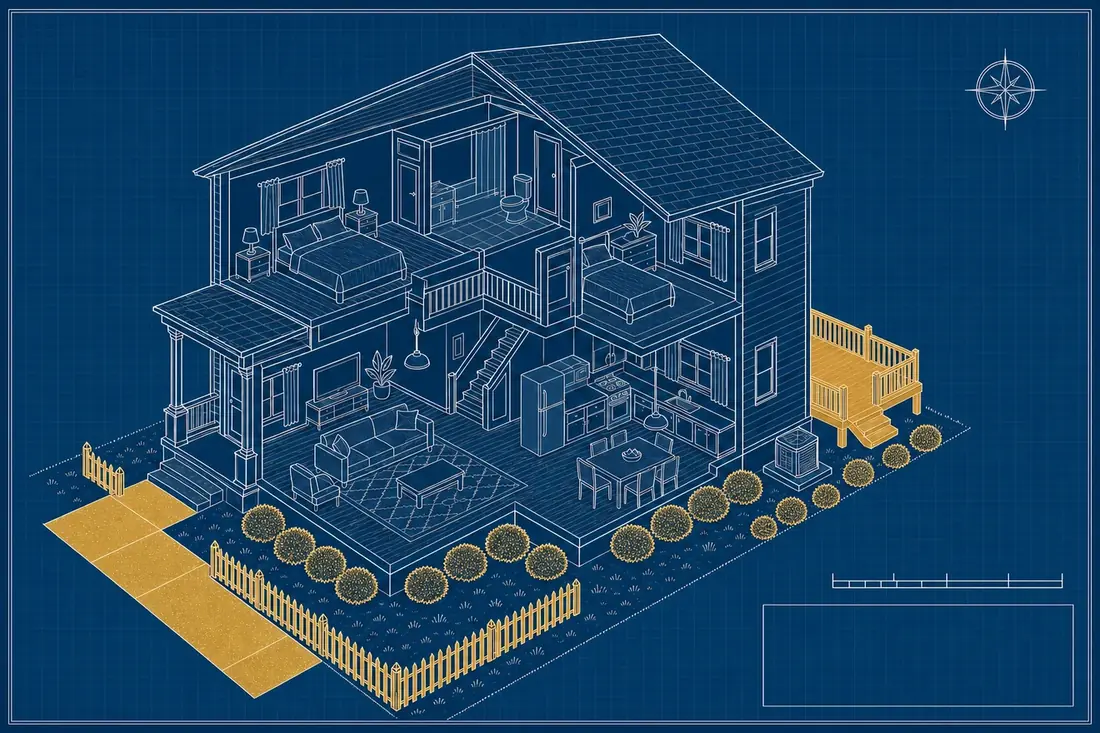
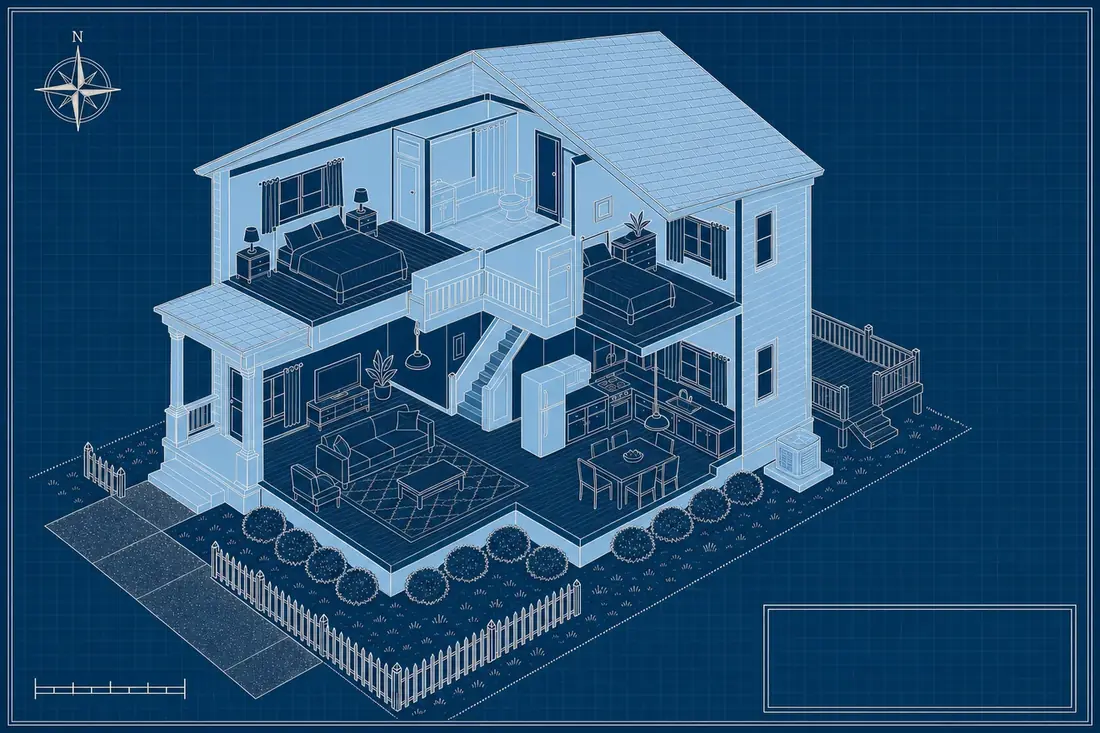
Steven's Take People search for it as a loophole, and I built this page to show what the regulation says. It is a defined exception, average stay of 7 days or less, in Treas. Reg. 1.469-1T(e)(3)(ii). Clearing that gate is step one, not the finish line. You still need material participation before a loss can touch income outside the rental, and skipping that second test is where I have watched people get themselves in trouble. Steven Ellis, Founder Watch a log cabin rental get built and classified A hypothetical $600,000 three-bedroom log cabin goes up floor by floor, from the gravel drive and foundation to the game loft and the hot tub on the deck. Every component lands on its depreciation schedule as it is installed, and the year-one depreciation adds up on screen. Watch the 90-second walkthrough »What the Rule SaysTreas. Reg. 1.469-1T(e)(3)(ii) is a specific, published regulation under section 469, the passive activity rules, written by the IRS itself. For cost segregation, the IRS lost Hospital Corporation of America v. Commissioner (109 T.C. 21, 1997) on depreciating a building's components separately, and it now publishes its own Audit Techniques Guide (Publication 5653) describing how a proper study is done. The Audit Techniques Guide itself is a public document, not an internal enforcement secret; any owner or CPA can read exactly what an examiner is trained to check. The two rules that make up what gets called the "loophole", the average-stay test and material participation, have existed for decades. Neither one was written for short-term rentals specifically; they are general passive-activity provisions that a short-term rental happens to be well positioned to clear, given how those properties actually operate. 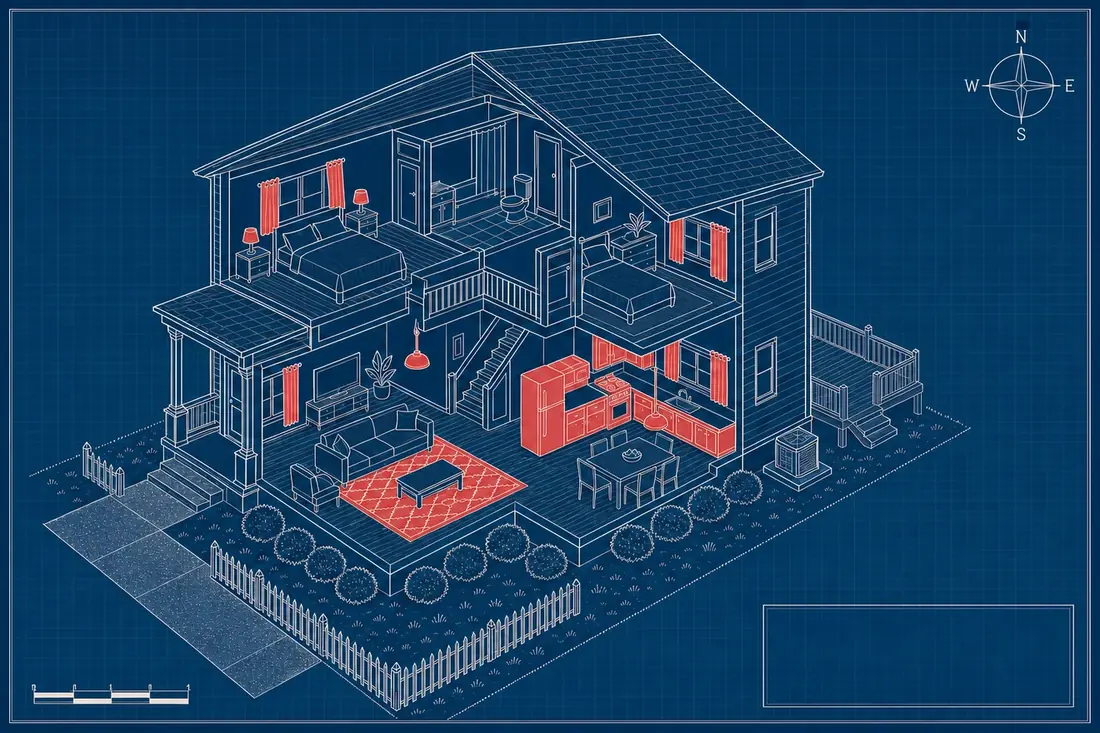
5-Year: carpet and flooring, cabinets, appliances, light fixtures, curtains 7-Year: furniture 15-Year: driveway, fencing, landscaping, deck 27.5/39-Year Shell: roof, load-bearing walls, foundation, central HVAC Get your free Preliminary Benefit Estimate See what the reclassification math produces on a specific short-term rental before testing it against these gates, with a free Preliminary Benefit Estimate. Request Your Free Estimate »Gate One: The Average Stay TestThe first gate is the average-stay test. Under Treas. Reg. 1.469-1T(e)(3)(ii), a rental property whose average guest stay across the year runs 7 days or less is not treated as a "rental activity" for section 469 purposes at all. Once a property is out of that bucket, the blanket rule that treats rental losses as automatically passive no longer applies to it. The average runs on the full year's actual bookings, not any single stay. A property with a hundred nightly Airbnb bookings and a handful of week-long stays mixed in still averages across all of them; a single long stay does not, by itself, disqualify a property that otherwise books short. We walk through how the calculation works, including what a mix of weekend and week-long bookings does to the number, on the average-stay test page. Owners sometimes assume a single long-term tenant mixed into an otherwise short-term calendar disqualifies the property outright. It does not automatically; the test runs on the average across all stays for the year, so one longer booking shifts the average without necessarily pushing it over 7 days, depending on how many total bookings and nights are in the mix that year. Gate Two: Material ParticipationClearing gate one does not automatically make the loss non-passive. The owner also needs material participation, meaning real, regular, and substantial involvement in operating the property, under the general material participation tests that apply across all activities. The most commonly used tests here are 500 or more hours in the year, substantially all the participation in running the activity, or 100 or more hours combined with more participation than any other individual involved. We cover all three tests and how to document hours on the material participation page. The Detail Most Guides Skip: Whose Hours CountThe 100-hour test has a detail most short-term rental content leaves out: it does not just count the owner's hours. It counts everyone's, including cleaners, co-hosts, and any property manager, and compares the owner's hours to the highest of any other individual involved. A full-service property manager usually breaks the 100-hour test before the owner gets close to it. That makes the choice between self-managing and hiring full-service help a real fork in the road for material participation, not just an operating decision. We break down the actual hour math on the property manager page. The 60-Second Qualifier Four questions. Our engineering team's model shows the estimated first-year acceleration a study of your property would target, free, before you commit to anything. Take the Qualifier »Real Estate Professional Status Is a Different PathReal estate professional status is a separate exit from the passive activity rules entirely, requiring 750 or more hours and more than half of the owner's working time in real property trades, plus material participation in the rentals. It is not required for the short-term rental exception. An owner can clear the average-stay and material participation gates without ever qualifying as a real estate professional. We untangle the two paths on the real estate professional status page. An owner who already qualifies as a real estate professional through other real estate activity, a rental portfolio, a brokerage business, does not need to separately clear the short-term rental exception on a specific property; either exit is sufficient on its own. Why the Deduction Is Usually Cost SegregationNone of this matters much without a large enough deduction to test for. That is where cost segregation does its work: reclassifying flooring, cabinetry, appliances, and site improvements into 5, 7, and 15-year schedules, all bonus-depreciation eligible at 100%, creates the first-year number that is worth running through the passive activity tests in the first place. The one delivered residential study we publish, at a modest fee, identified deductions 135 times its fee, a different scale than our commercial benchmark runs, which came in at 24:1 to 67:1 on a larger fee against a larger building. We cover what that offset can mean for W-2 income specifically on the W-2 employee page. 135:1deductions to fee, the one delivered STR study 24:1 to 67:1deductions to fee, four commercial benchmark runs 16 to 21%first-year deductions as % of basis The Same Two Gates, Any Property TypeThese two gates apply the same way regardless of what kind of short-term rental is involved: a single Airbnb condo, a cabin with a well and septic system, see the cabin page, a lake house with a dock and bulkhead, see the lake house page, or a VRBO property booked mostly by the week, see the VRBO page. The average-stay calculation and the material participation tests run on the property's actual facts, not on which platform or property type is involved. A property manager, discussed in depth on the property manager page, changes the material participation math without touching the average-stay side of things at all. Frequently asked questionsIs the short-term rental tax loophole legal? The rule is a published IRS regulation, Treas. Reg. 1.469-1T(e)(3)(ii), that defines when a rental property is not treated as a passive rental activity. It has existed for decades and is a normal part of applying the passive activity rules. Does the short-term rental rule only work if I quit my job? No. It does not require real estate professional status, which is the rule that requires more than half of an owner's working time in real property trades. The short-term rental exception runs on average stay length and material participation instead, independent of any other job. Does the 7-day average stay rule apply per booking or for the whole year? It runs on the whole year. The test looks at the property's average guest stay across all of that year's actual bookings, not any single reservation, so a mix of short and long stays is averaged together. Do I need to materially participate in a short-term rental every year? The material participation tests are evaluated for each tax year based on that year's actual hours and involvement. A year that clears the tests does not guarantee the next year clears them; each year stands on its own facts. Is a cost segregation study required to use the short-term rental rule? No. The passive-activity exception and a cost segregation study are independent of each other. In practice, a study is what usually creates a first-year deduction large enough to make testing for non-passive treatment worthwhile. Keep readingGet your free Preliminary Benefit Estimate Send the address or the listing link. We model the number first; you decide with it in hand. Request Your Free Estimate »Educational information, not tax advice. This page describes how federal
depreciation rules and tests work in general. Whether any rule fits your facts is a determination for
you and your CPA. Our study gives your CPA the engineering and the numbers to make that call.
|