|
Cost Segregation for Commercial & Short-Term Rental Owners
|
Request a free estimate [email protected] |
STR Guides
Free Listing SEO Audit Paste your Airbnb or VRBO listing. Get a scored audit in 90 seconds. Audit My Listing »FREE Estimate Is there a first-year deduction sitting in your building? No cost, no obligation. Request Yours »Minimum ROIOur study identifies at least 20x its fee in first-year deductions on commercial property, or at least 30x on a short-term rental, or it is free. |
Can You Do Cost Segregation on a Condotel Unit?Quick answer Yes, a condotel unit (a condo individually owned but operated inside a hotel-style rental program) can be studied like any depreciable property. Nightly stays typically clear the 7-day average easily. The harder question is material participation: mandatory rental programs and front-desk management common in condotels often mean the on-site staff logs more hours than the owner, which can break the 100-hour-and-more test even on a property that passes the average-stay gate cleanly. See this applied to your building. A few questions, 30 seconds. You see which tests matter and the first-year deduction range a study would look for. No email to see the range. Run the 30-second check »Key takeaways
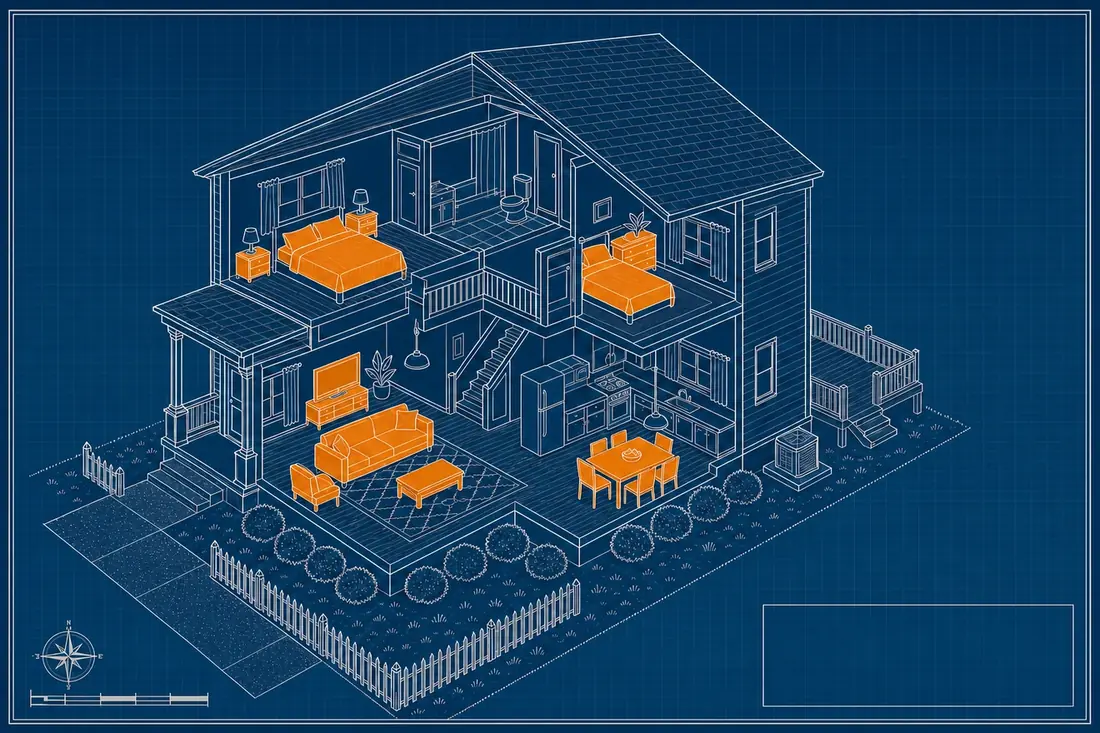
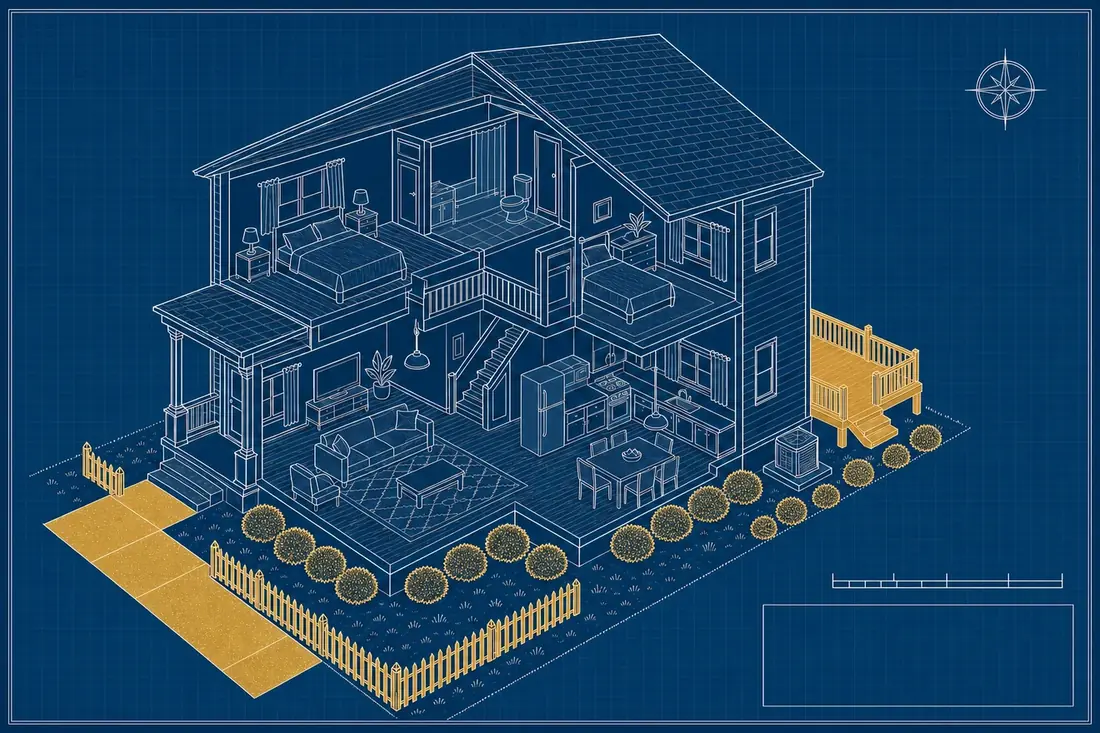
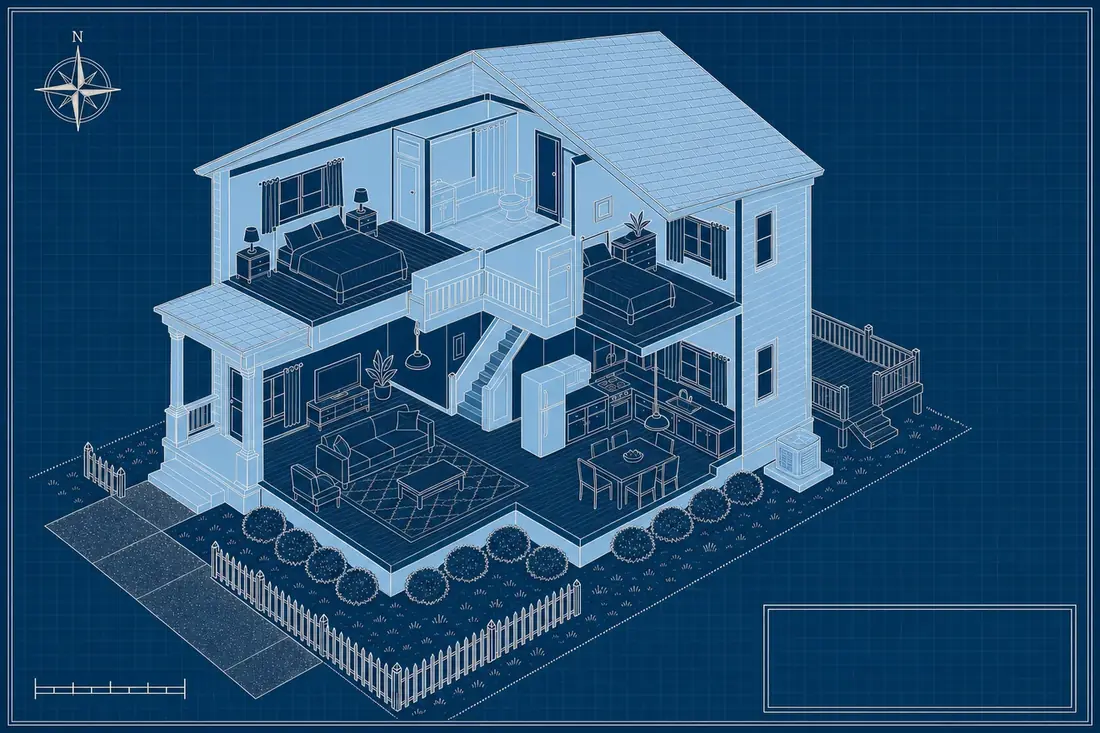
Watch a log cabin rental get built and classified A hypothetical $600,000 three-bedroom log cabin goes up floor by floor, from the gravel drive and foundation to the game loft and the hot tub on the deck. Every component lands on its depreciation schedule as it is installed, and the year-one depreciation adds up on screen. Watch the 90-second walkthrough »What a condotel actually isA condotel is a condominium unit inside a building operated like a hotel: individually owned, but almost always required (or strongly steered) into the building's central rental program, with front-desk check-in, housekeeping, and booking handled by on-site staff rather than the owner directly. Units book nightly, often through the same channel as the rest of the property, sometimes blended with Airbnb or VRBO listings the program manages on the owner's behalf. For depreciation purposes, the unit is a depreciable rental property like any condo. Land is not separately owned (it sits with the building and HOA), and the owner's basis is the unit interior plus a share of any building-wide improvements attributed to the unit under the condo declaration. Condotels are common in destination markets where a hotel brand or independent operator built the property to sell individual units while keeping a single rental program running the whole building. That structure is what makes the units attractive to buy (real hotel-grade amenities, a built-in booking engine) and is also exactly what complicates the tax side, since the same program that makes the unit easy to own also does most of the operating work an owner would otherwise do. 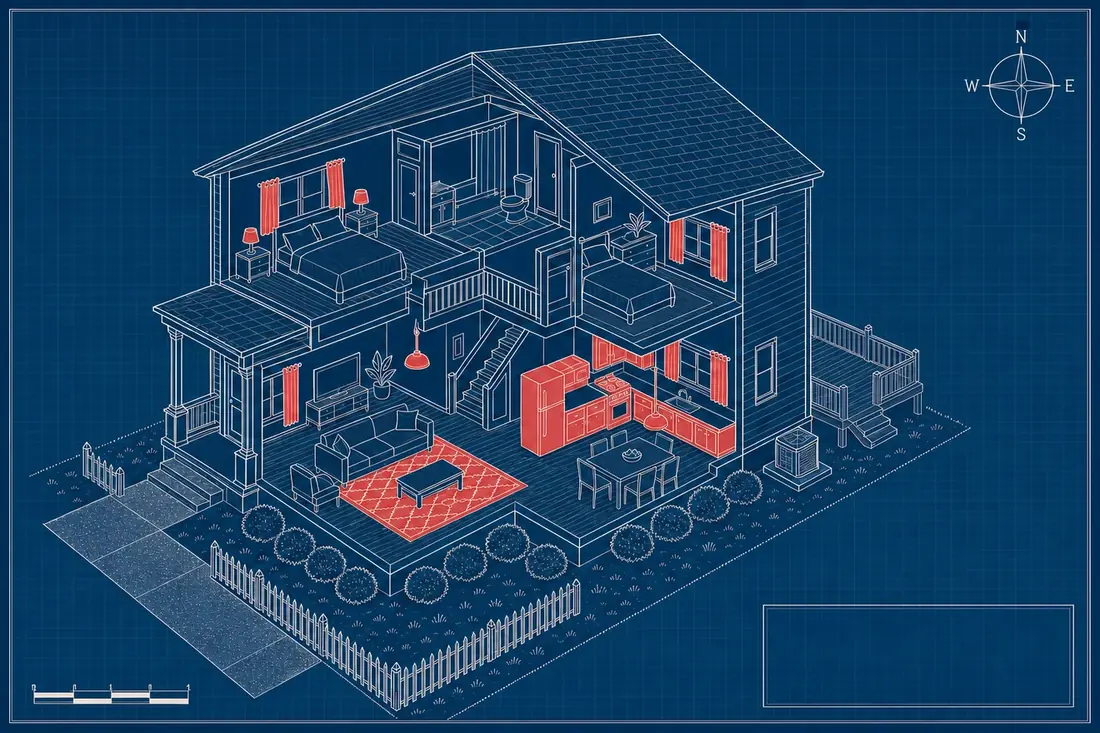
5-Year: carpet and flooring, cabinets, appliances, light fixtures, curtains 7-Year: furniture 15-Year: driveway, fencing, landscaping, deck 27.5/39-Year Shell: roof, load-bearing walls, foundation, central HVAC Get your free Preliminary Benefit Estimate Get the free estimate for your condotel unit, then talk through the material participation angle with your CPA against how your building's program actually runs. Request Your Free Estimate »The average-stay test: usually the easy partCondotels are built around nightly stays, the same guest pattern as a hotel room. That reservation pattern almost always produces an average period of customer use well under 7 days for the year, clearing the short-term rental exception's first gate under Reg. 1.469-1T(e)(3)(ii) without much analysis needed. See the average-stay math for how the calculation works if a unit's booking pattern is mixed with longer stays. The rare exception is a condotel in a market with an unusually high share of extended-stay guests, corporate housing arrangements, or an owner who blocks the unit for personal use so much of the year that the remaining reservations skew longer. Even then, running the actual reservation report for the year is the only way to know for certain rather than assuming the hotel-style pattern automatically clears the test. Illustrative example (a math walkthrough, not an actual booking calendar): a smaller boutique condotel running 25 program reservations a year at an average of 3 nights each produces 75 guest-nights, a yearly average of 3 days, comfortably under the 7-day line. Add a single 60-night corporate housing block to that same small building (one contractor crew renting the unit for two months during an off-season lull), and the count shifts to 135 guest-nights over 26 reservations, an average near 5.2 days, still under 7 but noticeably closer. Add a second block of similar length in the same year and the average can cross the line entirely. A large building running hundreds of nightly reservations barely feels one long corporate stay; a smaller unit with a thin reservation count can have its whole year moved by a single extended booking, which is why a full reservation report, not the building's hotel-style reputation, is what actually answers the question. Material participation: where condotels get strainedThe second gate is the real question for most condotel owners. The building's on-site staff, the front desk, housekeeping, and any concierge or maintenance team, typically logs substantial hours on each unit across the year. Under the 100-hour-and-more test, every one of those staff hours counts against the owner in the comparison, the same way a full-service property manager's hours do on a standalone Airbnb (see how a property manager affects that test). The 500-hour test and the substantially-all test face the same problem from a different angle: an owner who lives states away from a condotel and checks in through an app rarely logs anywhere near 500 hours personally, and certainly is not doing "substantially all" of the work when a full staff runs the building day to day. Some owners assume that paying a program fee is the same as paying a property manager, and that either way the tax result is the same. It is not quite that simple: the specific hours the program's staff logs on the unit, not the fee arrangement, are what count against the owner in the 100-hour comparison. A program that bills a flat percentage but logs relatively few unit-specific hours (rare, but it happens with smaller boutique buildings) is a different fact pattern from a large resort's full front-desk-and-housekeeping staff. The 60-Second Qualifier Four questions. Our engineering team's model shows the estimated first-year acceleration a study of your property would target, free, before you commit to anything. Take the Qualifier »What is actually owned, and what a study can reclassifyCondo ownership typically means the interior finish and fixtures within the unit's walls, while structural elements and common areas (lobby, pool, elevators, exterior) sit with the HOA or building entity. A study on a condotel unit generally works with what is owned: flooring, cabinetry, appliances, window treatments, and unit-specific electrical and plumbing fixtures, the same 5- and 7-year categories that apply in any residential condo. Building-wide improvements allocated to the unit under the condo declaration, if the declaration assigns a share of common-area capital costs to each unit's basis, can also factor in, though the allocation mechanics depend on the specific condo documents and are worth reviewing with whoever prepares the study. Furnishings are often where a condotel unit's reclass share concentrates, since these units are typically sold fully furnished to a hospitality standard: beds, casegoods, soft goods, televisions, and small appliances that a study classifies as 5-year property. A well-furnished condotel unit can carry a meaningfully higher share of 5-year components relative to its basis than a comparably sized unfurnished long-term rental condo. What this means for an owner deciding whether to buy or holdA condotel is a straightforward property to study for the deduction itself. What it usually is not is a property where an owner should count on non-passive treatment through material participation, given how central the rental program's staff is to the model. Real estate professional status or offsetting passive income from elsewhere become the more realistic paths for most condotel owners, the same paths described in what a managed property's losses usually do. Every condo declaration and rental program agreement is different; whether a specific program's structure changes the material participation analysis is a question for a CPA reviewing the actual documents. None of this changes the underlying economics of the deduction. A condotel purchase, whether or not this year's loss is usable against wages, still generates a real first-year deduction the moment a study identifies it, and that deduction still accelerates against the building's actual basis regardless of which section 469 path the owner ultimately takes. Frequently asked questionsDoes a mandatory rental program disqualify a condotel from a cost segregation study? No. The study itself depends on the building's depreciable components, not on who manages the bookings. A mandatory rental program changes the material participation analysis under section 469, which decides when the resulting loss can offset other income, but it does not affect whether the unit can be studied or what the study finds. Can I count the hours I spend approving the rental program's decisions? Generally, reviewing reports or approving a manager's recommendations counts for far less than performing the work directly. The material participation tests look for the owner actually doing operational tasks, not overseeing someone else who is doing them, which is exactly the gap a full-service rental program creates. Is a condotel treated differently from a regular condo for depreciation? Not mechanically. Both depreciate the owned interior and any unit-allocated share of improvements over 27.5 years for residential use, with a study identifying 5- and 7-year components inside that basis the same way. The difference between a condotel and a standard rental condo is almost entirely in how it is operated, not in how it depreciates. If my condotel's loss is passive, is doing a study still worth it? Often yes, since a suspended passive loss is not wasted. It carries forward and offsets passive income (other rentals, K-1 income) in later years, or releases in full at a taxable sale. The study's dollar value and timing exist independent of whether this year's loss can offset wages. Keep readingGet your free Preliminary Benefit Estimate Send the address or the listing link. We model the number first; you decide with it in hand. Request Your Free Estimate »Educational information, not tax advice. This page describes how federal
depreciation rules and tests work in general. Whether any rule fits your facts is a determination for
you and your CPA. Our study gives your CPA the engineering and the numbers to make that call.
|