|
Cost Segregation for Commercial & Short-Term Rental Owners
|
Request a free estimate [email protected] |
Vacation Markets
Free Listing SEO Audit Paste your Airbnb or VRBO listing. Get a scored audit in 90 seconds. Audit My Listing »FREE Estimate Is there a first-year deduction sitting in your building? No cost, no obligation. Request Yours »Minimum ROIOur study identifies at least 20x its fee in first-year deductions on commercial property, or at least 30x on a short-term rental, or it is free. |
Cost Segregation for a Destin or 30A Rental: Condo or HouseQuick answer Cost segregation works on both a Destin condo and a 30A beach house, in Okaloosa and Walton counties, Florida, but the scope of the study is different for each. A single-family house's study reaches the whole lot: the pool, the driveway, the landscaping. A condo unit's study generally reaches only what the owner individually owns, the interior finishes and unit-specific systems, since the building shell, common areas, and site itself usually belong to the condo association. Own a Destin or 30A rental? See the first-year deduction range a study would look for. 30 seconds, no email to see the range. Start the check ↓Key takeaways
Watch a beach house rental get built and classified A hypothetical $1.4 million four-bedroom oceanfront house goes up on timber pilings, from the shell driveway and the parking level to the living floor, the porches and the terrace. Every component lands on its depreciation schedule as it is installed, and the year-one depreciation adds up on screen. Watch the 90-second walkthrough »One coastline, two counties, two property typesDestin sits in Okaloosa County, Florida. The 30A corridor's string of small beach towns, Seaside, Rosemary Beach, WaterColor, Watersound, sits just east in Walton County. Both markets rent on the same seasonal shape, a strong summer peak with a quieter shoulder season, but the property stock is split between two very different structures: single-family beach houses, common along 30A, and condominium towers and mid-rises, common in Destin proper. Cost segregation applies to both, but the study's scope is not the same for each. That split matters more here than in a lot of other beach markets, because the two property types are genuinely both common along this stretch of coast, rather than one dominating the way condos dominate Panama City Beach or houses dominate a market like Broken Bow. Whether the structure itself sits on 27.5 or 39 years turns on the 80% dwelling-unit test, and a short-term rental averaging stays of 7 days or less generally lands on 39 (see the 27.5 or 39 years guide). 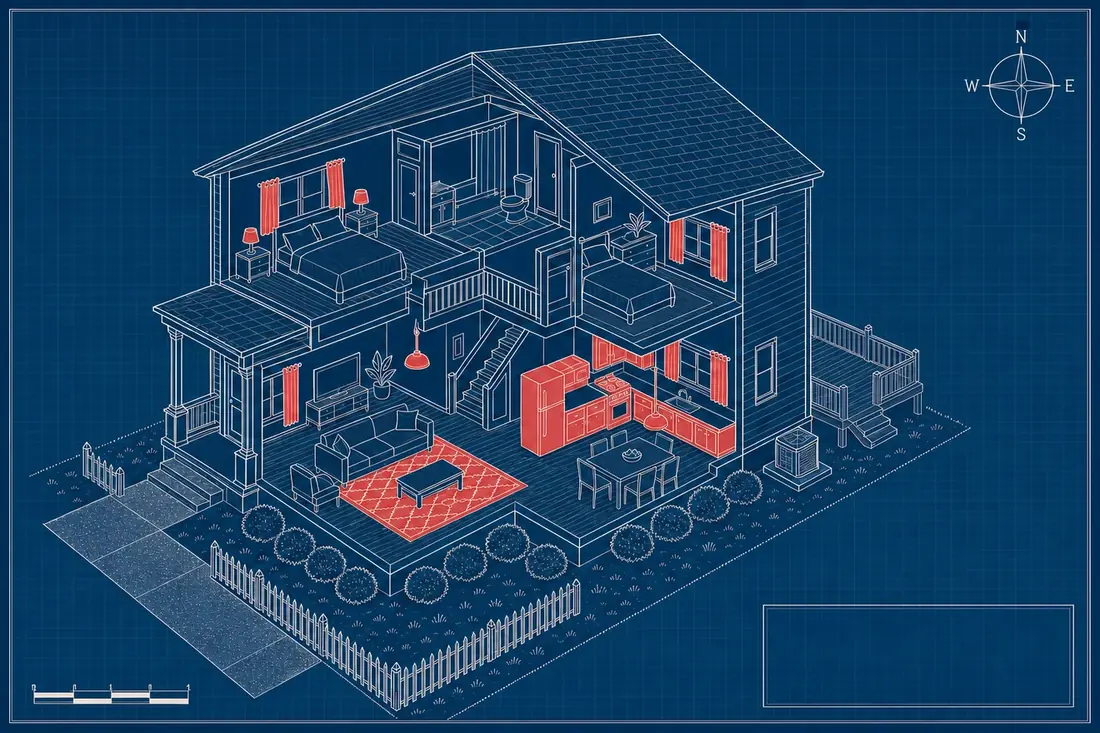
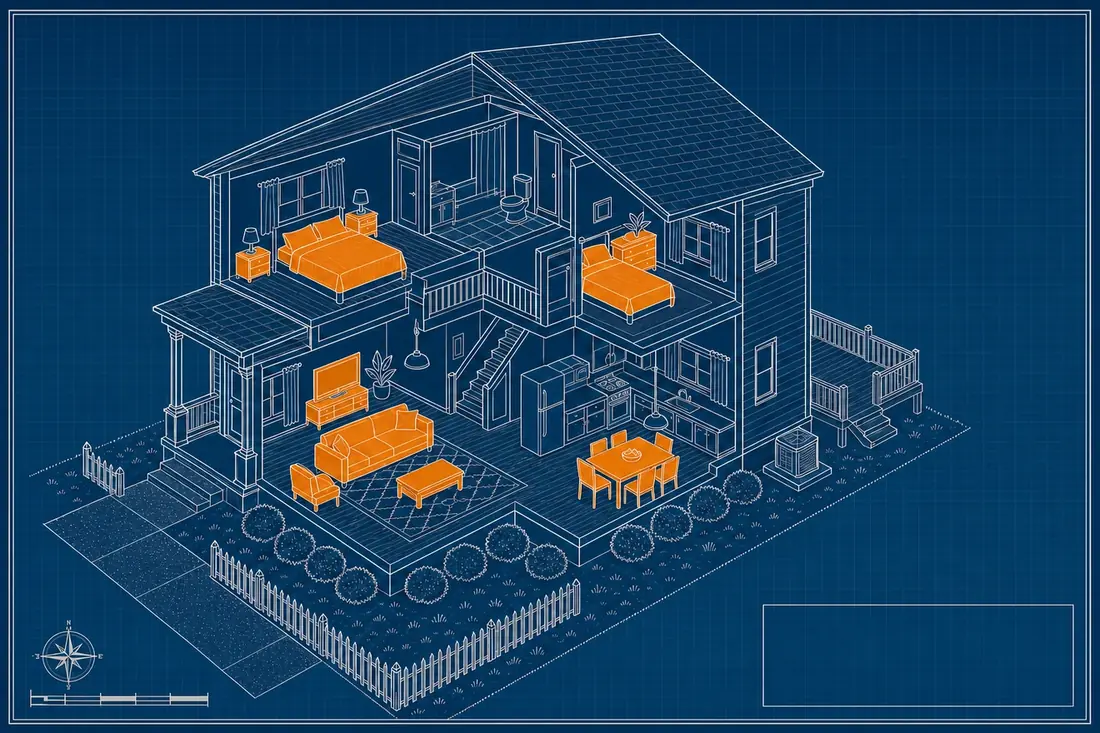
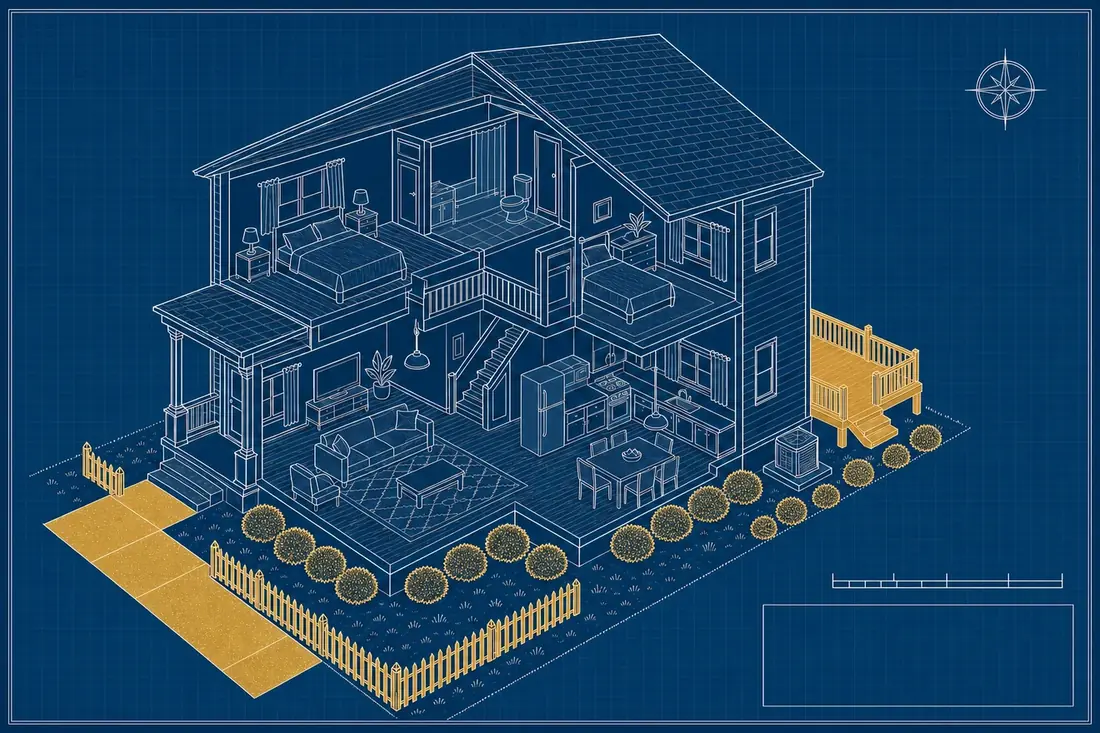
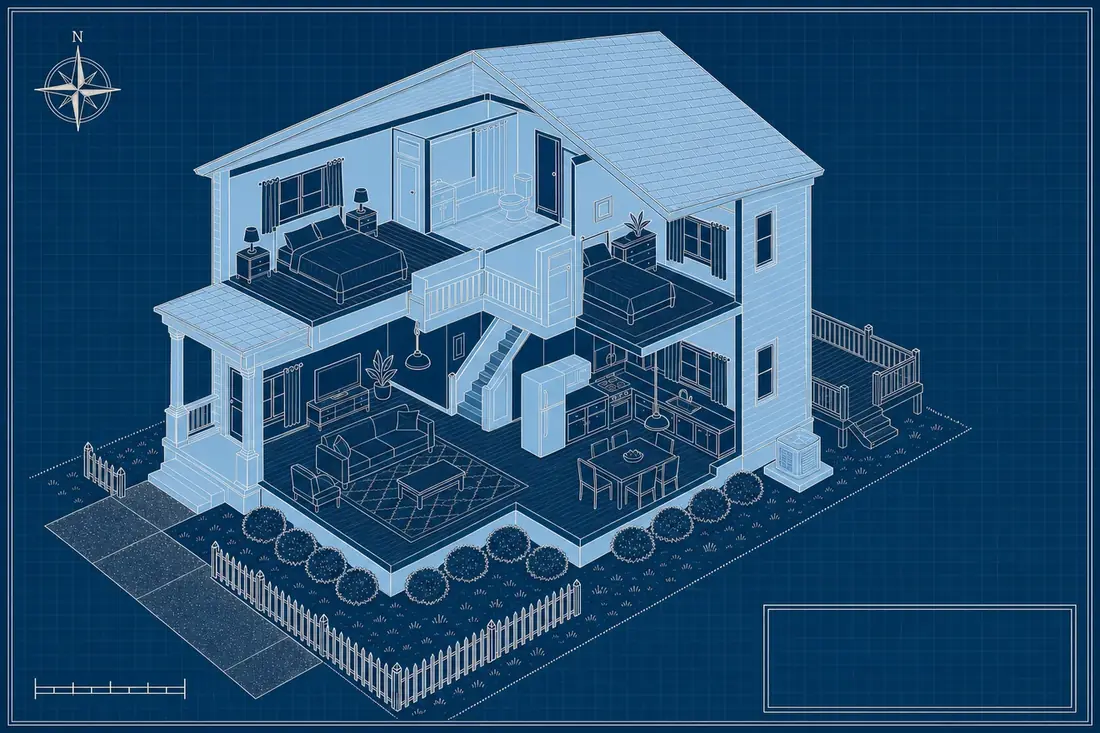
5-Year: carpet and flooring, cabinets, appliances, light fixtures, curtains 7-Year: furniture 15-Year: driveway, fencing, landscaping, deck 27.5/39-Year Shell: roof, load-bearing walls, foundation, central HVAC Get your free Preliminary Benefit Estimate See the likely first-year number for a Destin condo or a 30A house with the free estimate at /qualify. Request Your Free Estimate »What a 30A single-family house's study coversA single-family 30A house is the simpler case. The owner holds the whole property, structure, lot, and every improvement on it, so the study reaches everything: the pool and its equipment, the outdoor shower, the driveway and parking pad, the landscaping, the deck, the interior finishes, cabinetry, and appliances. The structural shell, framing, roof, and central HVAC stay on the 27.5/39-year schedule. Nearly everything else on the property is a candidate for the 5-, 7-, or 15-year buckets, the same component split described across every market Basis studies. A study typically shifts somewhere between 15 and 35% of a house's basis into those faster schedules, and a 30A house with a pool, an outdoor kitchen, and coastal landscaping tends to sit toward the higher end of that range, simply because there is more site work and more personal property to classify than on a simpler inland rental. None of this requires the house to be new. A 30A house an owner has held for years can run a look-back study through Form 3115, picking up the missed depreciation as a section 481(a) catch-up in the current year rather than amending prior returns. Where a condo's ownership boundary actually fallsA Destin condo unit works differently, because of what the owner actually owns. In a typical condominium structure, the owner holds the interior of the unit and specific improvements inside it; the building's exterior walls, roof, structural systems, elevators, hallways, and the land underneath all belong to the condo association as common elements. A cost segregation study on a condo generally reaches only what the individual owner owns: interior flooring, cabinetry, appliances, window treatments, and any electrical or plumbing serving the unit specifically. It does not reach the building shell or the site work, because the owner does not own those pieces. A house's study covers the lot. A condo's study covers the unit. That difference comes from the deed, not from the tax code. This is not a smaller opportunity so much as a differently scoped one. A condo's fee is priced against a smaller scope of work, and the guarantee still applies: at least 30 times the fee in first-year deductions on a short-term rental, or the study is free. That fee difference is not a discount so much as an honest reflection of scope. Engineering a full lot, structure, pool, and landscaping takes more work than engineering a single unit's interior, and the fee for each is priced to match. Turnaround on either kind of study runs 4 to 6 weeks in the busy tax season, typically 2 to 3 weeks in January and February, and both work from listing photos rather than a scheduled site visit, with no owner homework list either way. Estimate the first-year deduction on a property hereA few questions and the building value give a preliminary first-year deduction range, using the same rule as our free calculator. The breakdown can be emailed to you, or you can book a 15-minute call. Step 1 of 3 What kind of property?
Who runs it day to day?
What is the average guest stay?
When did you buy it?
How many rentals do you own?
Across all of them, does your rental portfolio show taxable income overall?
Any of them likely to sell in the next few years?
Prefer to talk it through? Book straight from here. No form needed.
The weekly summer market and the 7-day testBoth Destin and 30A lean on the same weekly summer rental pattern common across Gulf Coast beach markets, which puts the section 469 short-term rental exception's average-period-of-customer-use test close to its 7-day dividing line during peak season, the same math worked out in detail on the Panama City Beach page, one county east along the same coastline. A property that also books shorter shoulder-season stays, long weekends rather than full weeks, tends to pull that yearly average down rather than up, since shorter bookings dilute the weight of the full-week peak season. Property managers, on-site or off, and material participationA lot of both Destin condos and 30A houses rent through an on-site or local property management company rather than a self-managing owner. That arrangement is relevant to material participation, the second half of the short-term rental exception: an owner needs to clear one of several tests, 500 hours, substantially all the participation, or 100 hours and more participation than any other individual, for rental losses to be non-passive. A full-service manager's hours count in that last comparison, which is why owners relying heavily on management companies often look at the other two tests instead. Which test fits a specific owner is a question for that owner's CPA. None of that changes the depreciation study itself. Material participation decides whether an owner can use the resulting losses against other income; it has no bearing on the size of the deduction a study identifies on the house or the unit. Getting the number for either property typeA free Preliminary Benefit Estimate models the likely first-year number for either a 30A house or a Destin condo, built from listing photos, no site visit required, and it comes with a fixed floor: our study identifies at least 30 times its fee in first-year deductions on a short-term rental, or the study is free. See what cost segregation actually is for the full mechanic behind both property types. The 60-second qualifier at /qualify is the place to start. Frequently asked questionsCan a condo owner get a full cost segregation study in Destin? Yes, but the scope generally covers the interior unit and unit-specific systems, since the building shell, common areas, and site belong to the condo association, not the individual owner. A study still reclassifies everything the owner does own into faster schedules. Is a 30A single-family house's study bigger than a Destin condo's? Usually in scope, yes, since a house's study reaches the whole lot, pool, driveway, and landscaping included, while a condo's study reaches the unit interior. The fee scales with that scope, and the guarantee floor applies to both. Does the weekly summer season affect the short-term rental tax test? It affects the math behind it. A market built around full-week summer bookings pushes the average period of customer use closer to the 7-day line during peak season, though shorter shoulder-season stays tend to pull the yearly average back down. What county is Rosemary Beach in? Rosemary Beach, along with Seaside, WaterColor, and the rest of the 30A corridor, sits in Walton County, Florida, just east of Destin, which sits in Okaloosa County. The two counties share the same coastline and the same seasonal rental pattern. Does a property management company change the depreciation on a rental? No. A property manager can affect the material participation analysis under section 469, since their hours count in certain tests, but it does not change the depreciation schedules or the cost segregation study itself, and it does not reduce the deductions a study identifies on the building. Keep readingGet your free Preliminary Benefit Estimate Send the address or the listing link. We model the number first; you decide with it in hand. Request Your Free Estimate »Educational information, not tax advice. This page describes how federal
depreciation rules and tests work in general. Whether any rule fits your facts is a determination for
you and your CPA. Our study gives your CPA the engineering and the numbers to make that call.
Related guides: How Does Cost Segregation Work in Vacation... · Does Cost Segregation Work on a Poconos... · Cost Segregation for a Jersey Shore Rental... · Cost Segregation for a Pigeon Forge Cabin... · Cost Segregation for a Gatlinburg Rental...
More Florida markets: Cost Segregation for a Panama City Beach... · How Does Cost Segregation Work for Florida... · How Does Cost Segregation Work on the... · How Does Cost Segregation Work in Fort... · Does Cost Segregation Work on a Florida... · Does Cost Segregation Work on an Amelia... · All vacation markets
|