|
Cost Segregation for Commercial & Short-Term Rental Owners
|
Request a free estimate [email protected] |
Vacation Markets
Free Listing SEO Audit Paste your Airbnb or VRBO listing. Get a scored audit in 90 seconds. Audit My Listing »FREE Estimate Is there a first-year deduction sitting in your building? No cost, no obligation. Request Yours »Minimum ROIOur study identifies at least 20x its fee in first-year deductions on commercial property, or at least 30x on a short-term rental, or it is free. |
Cost Segregation for a Panama City Beach Condo RentalQuick answer Cost segregation on a Panama City Beach condo works on the unit itself: an engineering study reclassifies the interior finishes, cabinetry, appliances, and unit-specific systems into faster depreciation schedules, while the tower's structure, elevators, and common areas stay outside the study's scope because the condo association, not the unit owner, owns them. In a market built almost entirely on high-rise condo towers, this interior-only approach is not a limitation. It is the whole shape of the opportunity. Own a Panama City Beach rental? See the first-year deduction range a study would look for. 30 seconds, no email to see the range. Start the check ↓Key takeaways
Watch a short-term rental get built and classified A hypothetical $3.25 million Sedona vacation rental goes up piece by piece, from the four suites to the pool, hot tub and pickleball court. Every component lands on its depreciation schedule as it is installed, and the year-one depreciation adds up on screen. Watch the 90-second walkthrough »A market built on towers, not housesPanama City Beach, in Bay County, Florida, is a high-rise market. Its Gulf-front rental inventory runs overwhelmingly through condominium towers, many of them fifteen stories or taller, rather than the single-family beach houses common along other stretches of the Gulf Coast. That changes what a cost segregation study looks like here compared to a house-dominated market: almost every study in Panama City Beach is an interior unit study, not a whole-property study. That is a genuinely different starting point than a market like Destin and the 30A corridor one county west, where single-family houses and condo towers sit side by side in roughly even numbers. In Panama City Beach, the tower is close to the default, which makes the ownership-boundary question below the central fact of nearly every study here, not a special case. 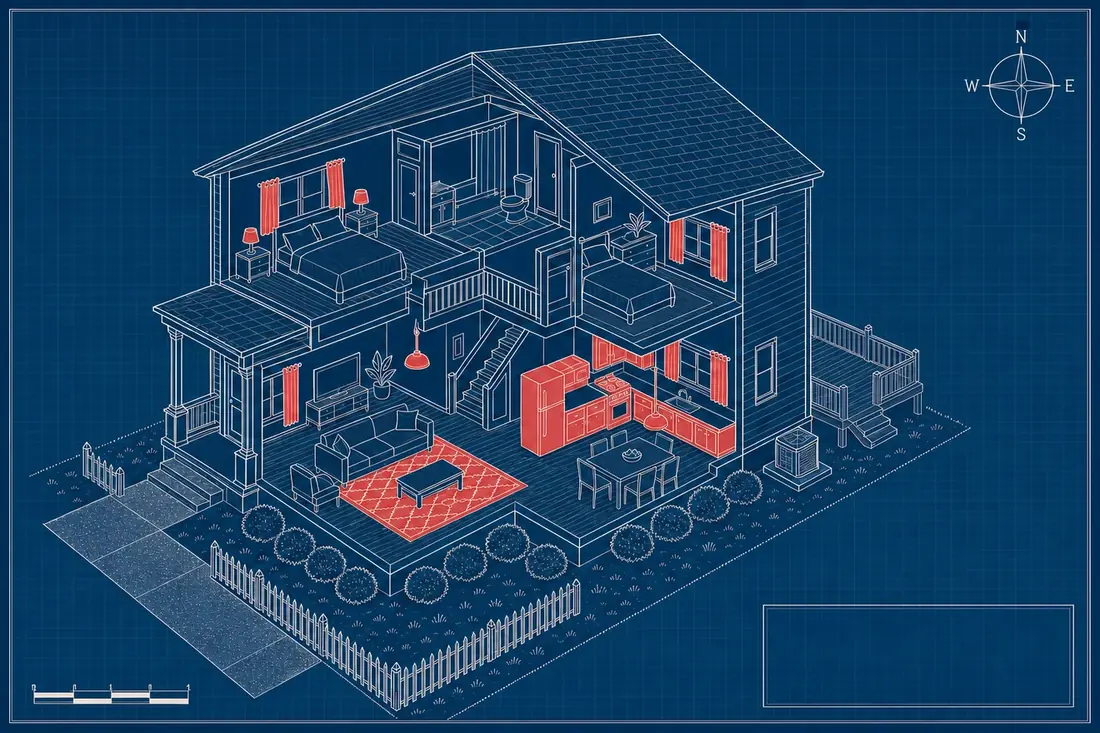
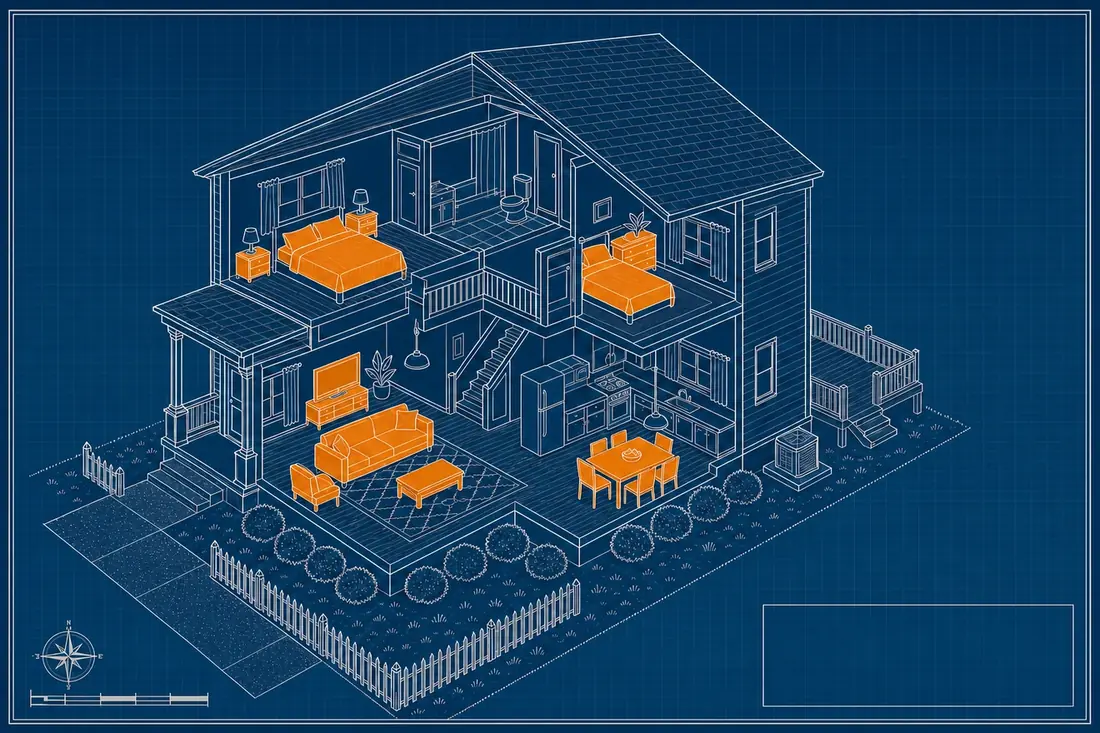
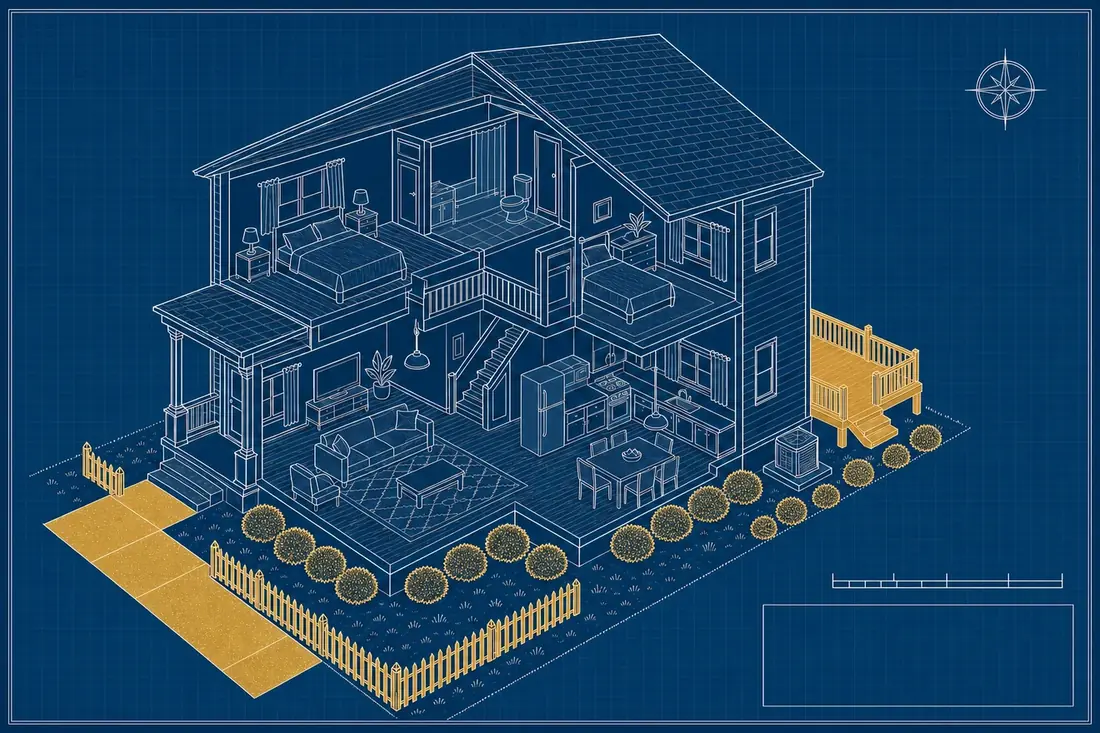
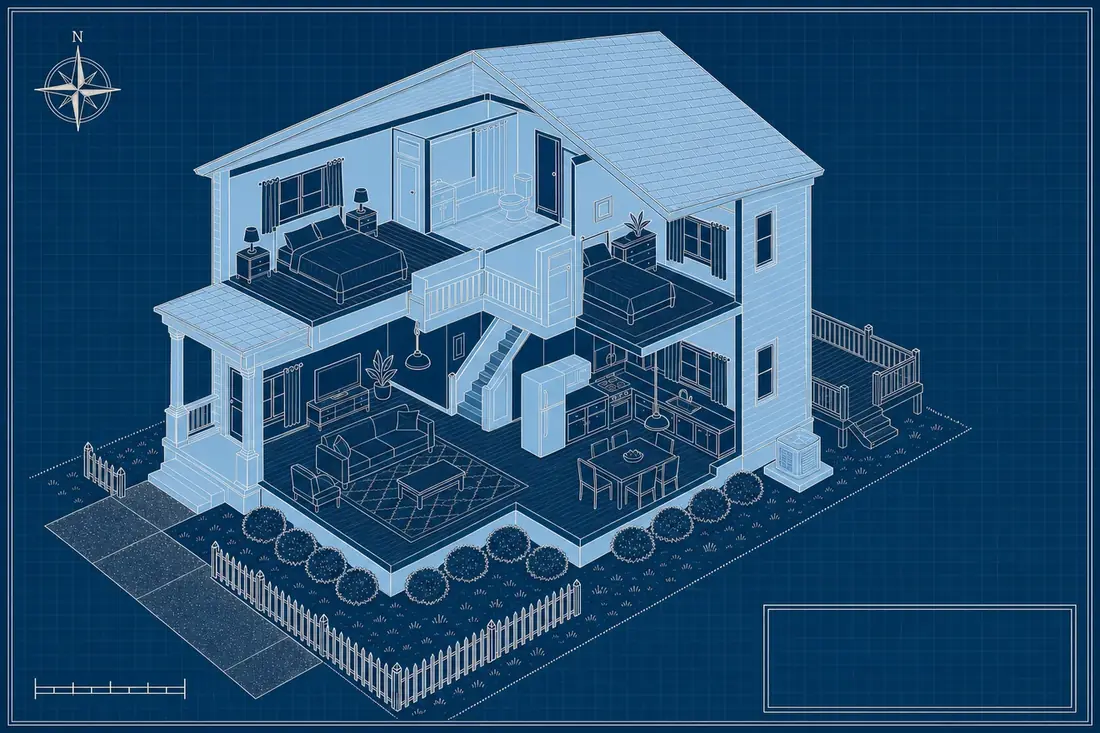
5-Year: carpet and flooring, cabinets, appliances, light fixtures, curtains 7-Year: furniture 15-Year: driveway, fencing, landscaping, deck 27.5/39-Year Shell: roof, load-bearing walls, foundation, central HVAC Get your free Preliminary Benefit Estimate Model a specific Panama City Beach unit's first-year number with the free estimate at /qualify. Request Your Free Estimate »What a unit owner actually owns in a high-riseA condo owner in a Panama City Beach tower owns the unit's interior and whatever improvements belong specifically to it. The tower's structural frame, exterior walls, roof, elevators, lobby, and shared amenity decks, pools, sun decks, parking garages, generally belong to the condo association as common elements, not to any individual owner. A study on the unit reaches what the owner actually owns: the interior finishes and the systems serving that specific unit. It does not, and cannot, reach the elevator bank down the hall or the building's exterior stucco, because those are not the owner's to depreciate. That ownership line is set by the condominium declaration and state condominium law, not by the tax code. An engineering study follows whatever that boundary actually is for a given building; it does not, and cannot, reclassify a common element that the unit owner has no depreciable interest in to begin with. That is not a smaller opportunity so much as a differently scoped one, and the guarantee reflects that: our study identifies at least 30 times its fee in first-year deductions on a short-term rental, or the study is free, whether the property is a unit or a whole house. Turnaround on a unit's study runs the same 4 to 6 weeks in the busy season, typically 2 to 3 weeks in January and February, as any other short-term rental study, working from listing photos rather than a scheduled visit to the tower, so nothing depends on coordinating around a management company's calendar. The in-unit HVAC questionMost condo towers along this stretch of coast cool individual units with their own equipment, often a packaged terminal unit set into the exterior wall or a dedicated split system, rather than sharing one central plant across the whole building the way an office building might. That distinction matters: a building's central HVAC plant is structural, staying on the long depreciation schedule, but equipment dedicated to and controlled by a single unit is often classified differently in an engineering study, generally into the 5-year bucket, because it serves that one unit rather than functioning as base building infrastructure. A central plant serving the whole tower is structural. A unit's own wall unit is not the same thing, and an engineering study treats them differently.
Interior components inside the unitInside the unit itself, the study works through the same categories seen everywhere: flooring and carpet, cabinetry, built-in shelving, decorative lighting, and electrical or plumbing fixtures serving the unit specifically generally move into the 5-year bucket. Certain built-in furniture pieces fall into the 7-year bucket. What stays on the long schedule is the unit's share of the structural shell itself, the drywall-to-drywall structure and any load-bearing elements, which is a much smaller share of total basis in a condo study than in a whole-house study, simply because there is less structure to begin with once the association's portion is excluded. None of this requires the unit to be a recent purchase. An owner who has held a unit for years can run a look-back study through Form 3115, claiming a section 481(a) catch-up for the depreciation that was always available but never taken. Estimate the first-year deduction on a property hereA few questions and the building value give a preliminary first-year deduction range, using the same rule as our free calculator. The breakdown can be emailed to you, or you can book a 15-minute call. Step 1 of 3 What kind of property?
Who runs it day to day?
What is the average guest stay?
When did you buy it?
How many rentals do you own?
Across all of them, does your rental portfolio show taxable income overall?
Any of them likely to sell in the next few years?
Prefer to talk it through? Book straight from here. No form needed.
Renovated units and partial asset dispositionPanama City Beach's condo towers have been through several building cycles, and a lot of units get renovated well before the building itself needs major work, new flooring in place of worn carpet, a kitchen gutted and rebuilt, older cabinetry replaced. When that happens, partial asset disposition, under Treas. Reg. 1.168(i)-8, lets the remaining basis of the old, removed component be written off, but only in the tax year the removal happens. Miss that year and the old flooring's or old cabinetry's remaining basis stays on the depreciation schedule for the rest of its recovery period, underneath whatever replaced it. See how partial asset disposition works for the full mechanic. The weekly summer market and the average-stay testPanama City Beach runs the same weekly summer rental pattern common across the Gulf Coast, which pushes the section 469 short-term rental exception's average-period-of-customer-use test close to its 7-day line during peak season, the same arithmetic worked through in detail on the Destin and 30A page, one county west. A tower running mostly full-week summer bookings with shorter shoulder-season stays mixed in tends to land its yearly average under 7 rather than over it, since the shorter bookings pull the average down. Getting the number for a specific unitA free Preliminary Benefit Estimate models the likely first-year number for a specific unit, built from listing photos, no site visit required, and it comes with a fixed floor: our study identifies at least 30 times its fee in first-year deductions on a short-term rental, or the study is free. The 60-second qualifier at /qualify is the place to start. Frequently asked questionsCan a condo unit in a Panama City Beach tower get a full cost segregation study? Yes, scoped to what the owner actually owns: the unit's interior finishes and unit-specific systems. The tower's shell, elevators, and common areas belong to the condo association and fall outside the study's scope. Is the in-unit air conditioning treated the same as the building's central system? Generally not. A building's central HVAC plant is structural and stays on the long depreciation schedule. Equipment dedicated to a single unit, like a wall-mounted packaged unit, is often classified differently in an engineering study, generally as 5-year property. Why is a condo study smaller in scope than a house study? Because the owner owns less of the property. A house's study reaches the structure, the lot, and every improvement on it. A condo's study reaches the unit interior, since the building shell and site belong to the association. What county is Panama City Beach in? Panama City Beach sits in Bay County, Florida, on the Gulf Coast panhandle, one county east of the Destin and 30A corridor, which spans Okaloosa and Walton counties. Both stretches of coast share the same weekly summer rental pattern. Does a kitchen remodel in a condo unit create any additional deduction? It can, through partial asset disposition. When old cabinetry, flooring, or fixtures are removed and replaced, the remaining basis of the old components can be written off, but only in the tax year the replacement happens. Keep readingGet your free Preliminary Benefit Estimate Send the address or the listing link. We model the number first; you decide with it in hand. Request Your Free Estimate »Educational information, not tax advice. This page describes how federal
depreciation rules and tests work in general. Whether any rule fits your facts is a determination for
you and your CPA. Our study gives your CPA the engineering and the numbers to make that call.
Related guides: How Does Cost Segregation Work in Vacation... · Does Cost Segregation Work on a Poconos... · Cost Segregation for a Jersey Shore Rental... · Cost Segregation for a Pigeon Forge Cabin... · Cost Segregation for a Gatlinburg Rental...
More Florida markets: How Does Cost Segregation Work for Florida... · How Does Cost Segregation Work on the... · How Does Cost Segregation Work in Fort... · Does Cost Segregation Work on a Florida... · Does Cost Segregation Work on an Amelia... · Cost Segregation for a Pensacola Beach or... · All vacation markets
|