|
Cost Segregation for Commercial & Short-Term Rental Owners
|
Request a free estimate [email protected] |
Vacation Markets
Free Listing SEO Audit Paste your Airbnb or VRBO listing. Get a scored audit in 90 seconds. Audit My Listing »FREE Estimate Is there a first-year deduction sitting in your building? No cost, no obligation. Request Yours »Minimum ROIOur study identifies at least 20x its fee in first-year deductions on commercial property, or at least 30x on a short-term rental, or it is free. |
Cost Segregation for a Broken Bow Cabin RentalQuick answer Cost segregation on a Broken Bow or Hochatown cabin, in McCurtain County, Oklahoma, works the same as anywhere: an engineering study reclassifies the cabin's components into faster depreciation schedules. What makes this market distinct is the building stock itself. Much of Broken Bow's short-term rental supply is newly built for Dallas-Fort Worth weekend traffic, with private pools, outdoor kitchens, and hot tubs baked into the original construction, all of it component-rich territory for a study. Own a Broken Bow rental? See the first-year deduction range a study would look for. 30 seconds, no email to see the range. Start the check ↓Key takeaways
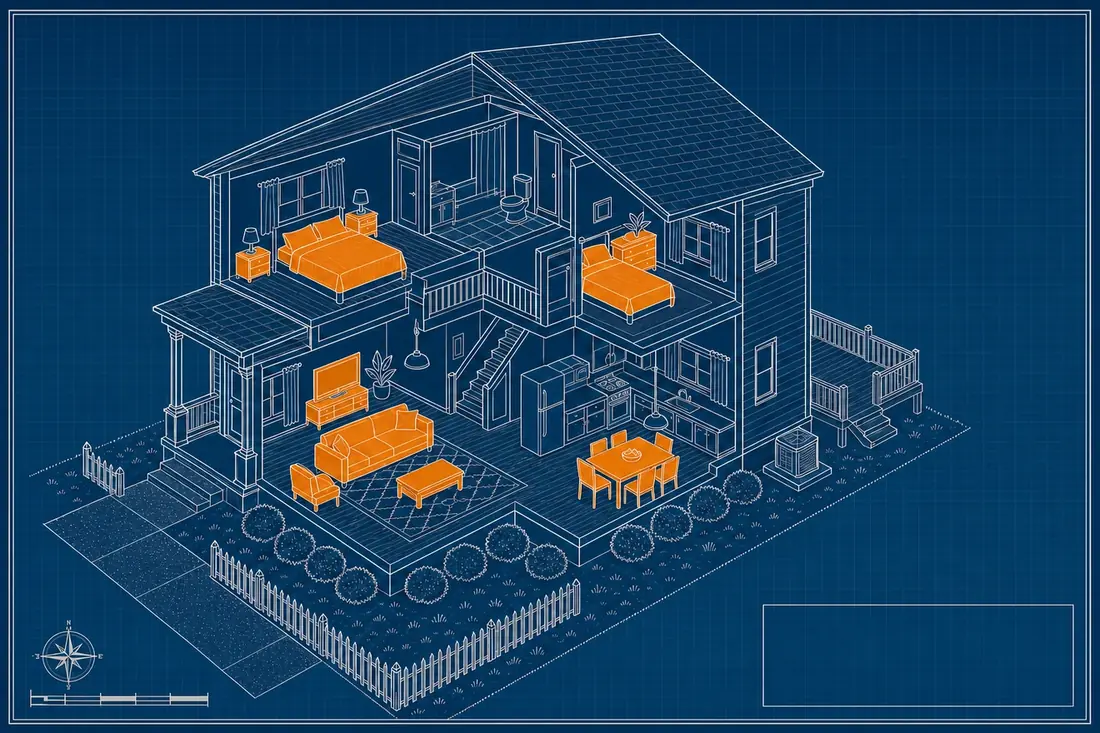
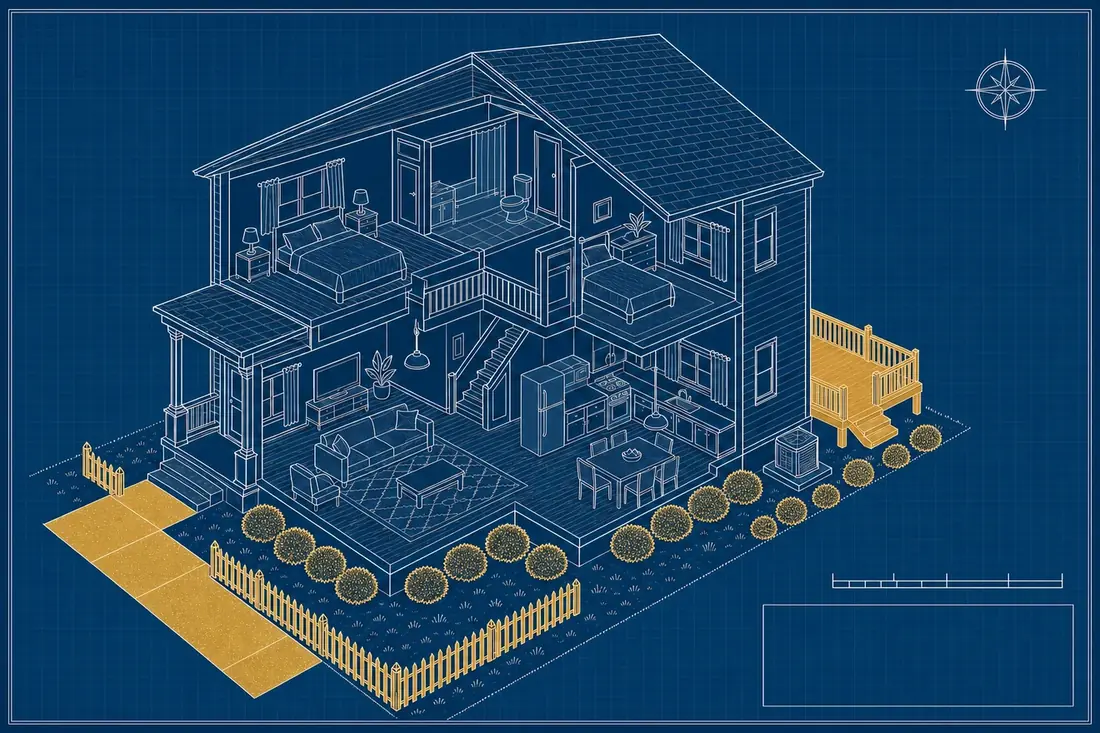
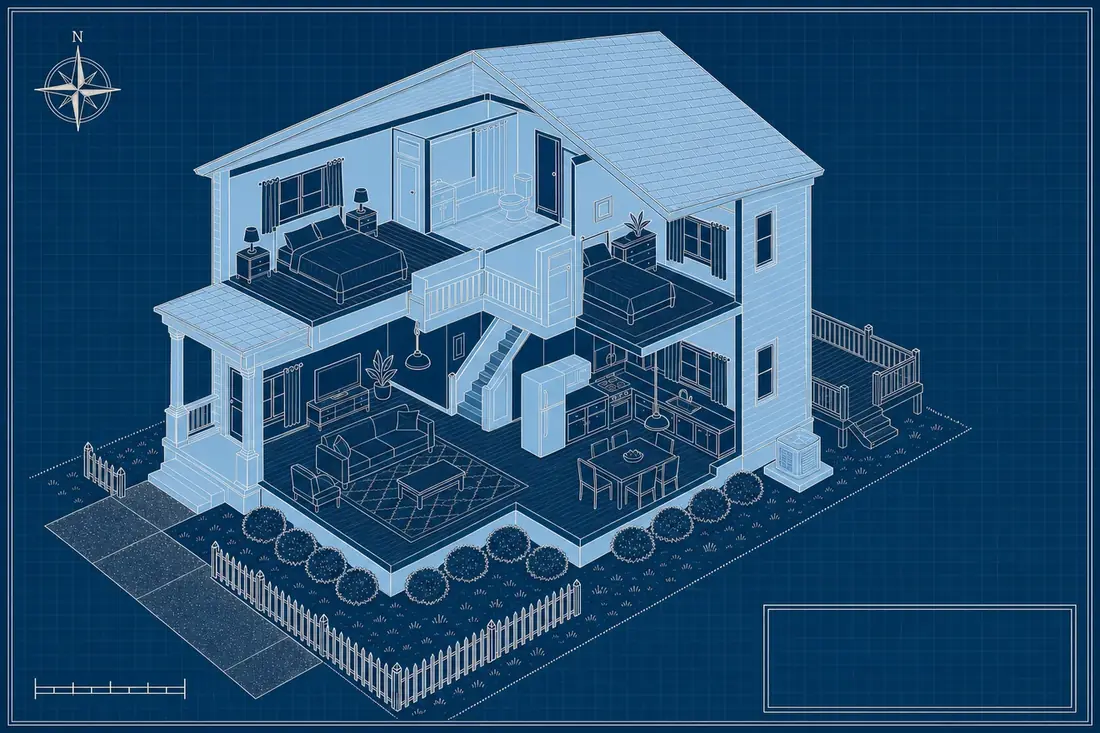
Watch a log cabin rental get built and classified A hypothetical $600,000 three-bedroom log cabin goes up floor by floor, from the gravel drive and foundation to the game loft and the hot tub on the deck. Every component lands on its depreciation schedule as it is installed, and the year-one depreciation adds up on screen. Watch the 90-second walkthrough »A new-build market feeding Dallas-Fort WorthBroken Bow and Hochatown sit in McCurtain County, Oklahoma, in the far southeast corner of the state, close enough to Dallas-Fort Worth to function as a weekend drive-to market for that metro. The area's short-term rental supply grew fast over the past several years, and a large share of it is new construction: cabins built from the ground up specifically to rent, not older homes converted after the fact. That growth pattern is different from an older cabin market like the Smokies, where decades of existing homes were gradually converted into short-term rentals. Broken Bow's supply was largely built for the purpose from day one, which shapes what an engineering study finds inside these cabins. Whether the structure itself sits on 27.5 or 39 years turns on the 80% dwelling-unit test, and a short-term rental averaging stays of 7 days or less generally lands on 39 (see the 27.5 or 39 years guide). 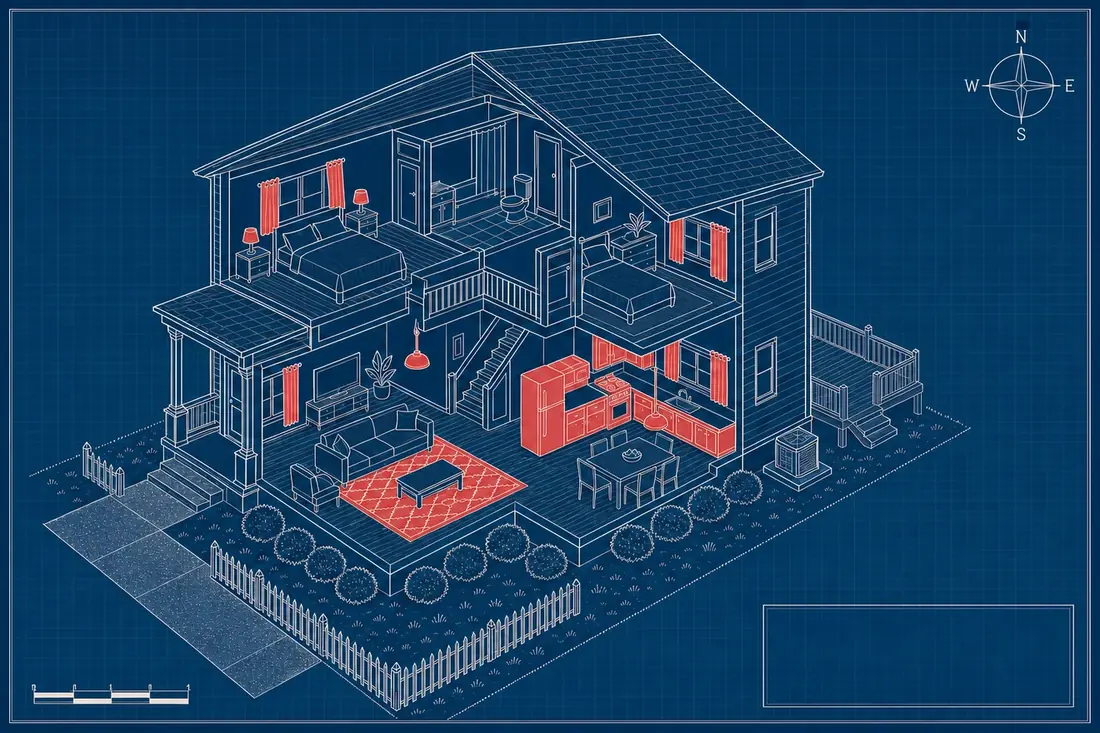
5-Year: carpet and flooring, cabinets, appliances, light fixtures, curtains 7-Year: furniture 15-Year: driveway, fencing, landscaping, deck 27.5/39-Year Shell: roof, load-bearing walls, foundation, central HVAC Get your free Preliminary Benefit Estimate See the projected first-year number for a specific new-build cabin with the free estimate at /qualify. Request Your Free Estimate »Why new construction is the easiest study to runNew construction is, mechanically, the cleanest kind of property to run a cost segregation study on. Cost segregation applies to purchases, new construction, and renovations alike, but a newly built cabin comes with complete, recent cost records, current architectural plans, and a builder's itemized cost breakdown, all of which make the engineering classification more precise than reconstructing decades-old costs on an older property. A new-build cabin can get its study the same year it is placed in service, front-loading the accelerated depreciation from the start of ownership instead of catching up later through a look-back. New construction also gives an engineering study a cleaner starting point than an older cabin with decades of renovations layered on top, since the original cost records and building plans are usually complete and recent. The pool and outdoor kitchen problem, worked outA private pool and an outdoor kitchen, both common on newer Broken Bow builds, are not single line items for depreciation purposes. They split into pieces:
A pool is not one number on a study. It is a shell, a set of equipment, and a stretch of hardscape, each on its own schedule.
The rest of the cabin, bucket by bucketThe rest of a Broken Bow cabin follows the same pattern seen across the wider cabin market: the structural shell, framing, roof, and central HVAC stay on the 27.5/39-year schedule. Interior amenities common to these newer builds, home theater seating and equipment, arcade or game room furnishings, multiple ensuite hot tubs, kitchen cabinetry and appliances, generally move to 5-year property. A cabin built with three or four primary suites, each with its own bathroom fixtures and finishes, carries more of this 5-year content than a simpler older home does. A study typically shifts somewhere between 15 and 35% of a cabin's basis into these faster schedules overall, and a newer luxury build with a pool, an outdoor kitchen, and several ensuite hot tubs tends to sit toward the higher end of that range, before the driveway and site landscaping are even counted. Estimate the first-year deduction on a property hereA few questions and the building value give a preliminary first-year deduction range, using the same rule as our free calculator. The breakdown can be emailed to you, or you can book a 15-minute call. Step 1 of 3 What kind of property?
Who runs it day to day?
What is the average guest stay?
When did you buy it?
How many rentals do you own?
Across all of them, does your rental portfolio show taxable income overall?
Any of them likely to sell in the next few years?
Prefer to talk it through? Book straight from here. No form needed.
Renovated cabins and the partial asset disposition optionNot every Broken Bow cabin is brand new. Some of the area's older homes have been remodeled specifically to compete with the newer luxury builds, a kitchen and bathrooms gutted, an old deck torn out for a bigger one, a pool added where there wasn't one before. When a component is removed and replaced like that, partial asset disposition, under Treas. Reg. 1.168(i)-8, allows the remaining basis of the old component to be written off, but only in the tax year the old component actually comes out. Miss that year and the old deck's or old kitchen's remaining basis stays on the depreciation schedule for the rest of its recovery period, stacked underneath the new one. See how partial asset disposition works for the full mechanic. Out-of-state owners and the material participation testA lot of Broken Bow's rental supply is owned by people who live in Dallas-Fort Worth or further away and use a full-service local property manager to handle bookings, cleaning, and maintenance. That arrangement matters for a different test than depreciation: the material participation requirement that comes with the section 469 short-term rental exception. An owner whose average guest stay is 7 days or less still needs material participation for rental losses to be non-passive, and the most common tests are 500 hours of participation, substantially all the participation in the activity, or 100 hours combined with more participation than any other individual. That third test is exactly where a full-service property manager, who often logs more hours than a remote owner does, can become the deciding factor. Whether a specific owner's arrangement clears any of these tests is a question for that owner's CPA. None of this changes the depreciation study itself. Material participation decides whether an owner can use the resulting losses against other income; it has no bearing on the size of the deduction a study identifies on the cabin. Getting the number for a new buildNone of this changes the basic guarantee: our study identifies at least 30 times its fee in first-year deductions on a short-term rental, or the study is free. A free Preliminary Benefit Estimate models the likely number for a specific new-build cabin before any commitment, using listing photos rather than a site visit. See the vacation rental hub for how this compares across other cabin and beach markets, or our methodology for how the engineering classification actually works, the same process whether the cabin is a new build or a renovated older property. The qualifier at /qualify takes about 60 seconds. Frequently asked questionsCan a brand-new Broken Bow cabin get a cost segregation study right away? Yes. Cost segregation applies to new construction the same as it applies to purchases and renovations. A newly built cabin can get its study for the year it is first placed in service. How is a private pool classified in a cost segregation study? A pool is not one line item. The shell and surrounding decking are generally 15-year land improvements, while pool equipment like pumps and heaters is often 5-year property, so a single pool can span two different recovery periods. Does using a property manager affect the tax treatment of a Broken Bow rental? It can affect the material participation analysis under section 469, specifically the 100-hours-and-more-than-anyone-else test, since a full-service manager's hours count in that comparison. It does not affect the depreciation mechanics or the study itself, and other tests, like 500 hours of total participation, do not depend on comparing hours to a manager at all. Is McCurtain County, Oklahoma close to Dallas? Broken Bow and Hochatown sit in the far southeast corner of Oklahoma, close enough to function as a weekend drive-to destination for the Dallas-Fort Worth metro. That proximity is a large part of why new-construction short-term rental cabins built specifically for weekend guests have expanded so quickly across the area in recent years. Does a new cabin need a full 27.5 or 39 years before a study makes sense? No. A study is most valuable in year one, when the accelerated depreciation and any available bonus depreciation apply. Waiting years to run a study on a new build means missing that front-loaded benefit for however long the wait lasts. Older Broken Bow cabins that missed that window can still catch up through a look-back study instead. Keep readingGet your free Preliminary Benefit Estimate Send the address or the listing link. We model the number first; you decide with it in hand. Request Your Free Estimate »Educational information, not tax advice. This page describes how federal
depreciation rules and tests work in general. Whether any rule fits your facts is a determination for
you and your CPA. Our study gives your CPA the engineering and the numbers to make that call.
Related guides: How Does Cost Segregation Work in Vacation... · Does Cost Segregation Work on a Poconos... · Cost Segregation for a Jersey Shore Rental... · Cost Segregation for a Pigeon Forge Cabin... · Cost Segregation for a Gatlinburg Rental...
More Heartland markets: Cost Segregation for Lake of the Ozarks... · Cost Segregation for a Branson-Area Rental... · Cost Segregation for a Eureka Springs... · Cost Segregation for a Ruidoso Rental Property · Cost Segregation for a Table Rock Lake House · Cost Segregation for a Hot Springs... · All vacation markets
|