|
Cost Segregation for Commercial & Short-Term Rental Owners
|
Request a free estimate [email protected] |
Vacation Markets
Free Listing SEO Audit Paste your Airbnb or VRBO listing. Get a scored audit in 90 seconds. Audit My Listing »FREE Estimate Is there a first-year deduction sitting in your building? No cost, no obligation. Request Yours »Minimum ROIOur study identifies at least 20x its fee in first-year deductions on commercial property, or at least 30x on a short-term rental, or it is free. |
Cost Segregation for a Pigeon Forge Cabin RentalQuick answer Cost segregation on a Pigeon Forge cabin works the same way it does on any short-term rental in Sevier County, Tennessee: an engineering study splits the cabin's components, the hot tub, the game room floor, the gravel drive, off the building's 27.5/39-year schedule and into faster ones. Pigeon Forge's nightly-stay pattern and its wave of new-construction cabins change which mechanics matter most, not the underlying math. Own a Pigeon Forge rental? See the first-year deduction range a study would look for. 30 seconds, no email to see the range. Start the check ↓Key takeaways
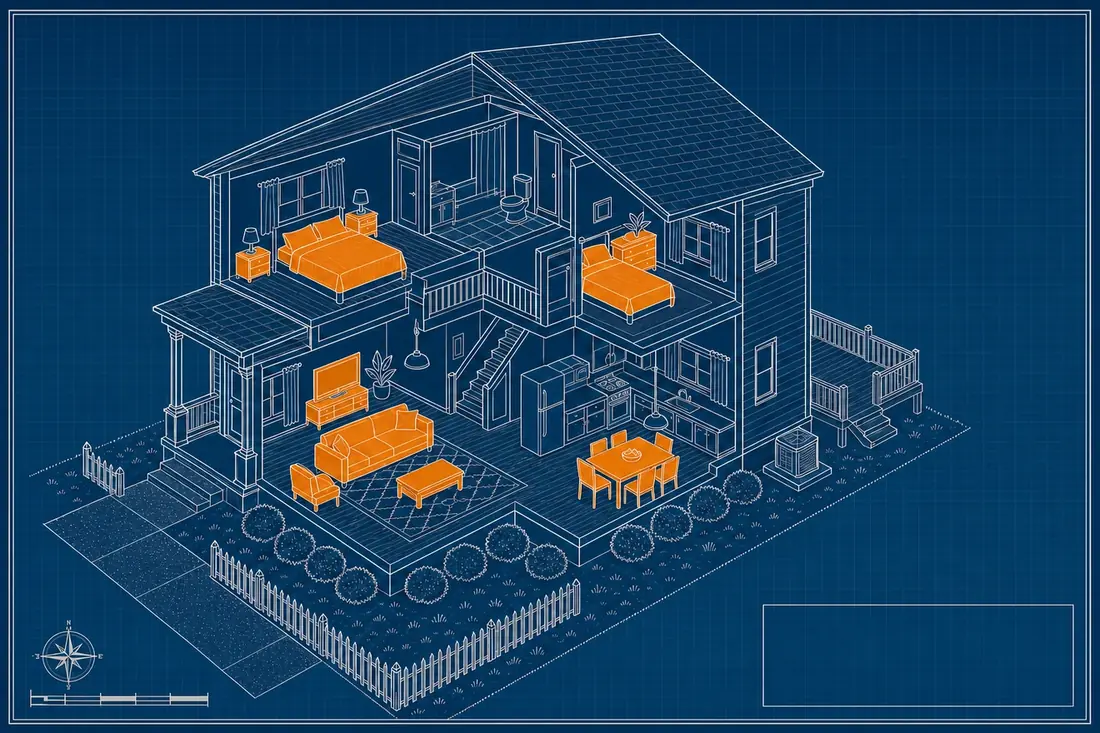
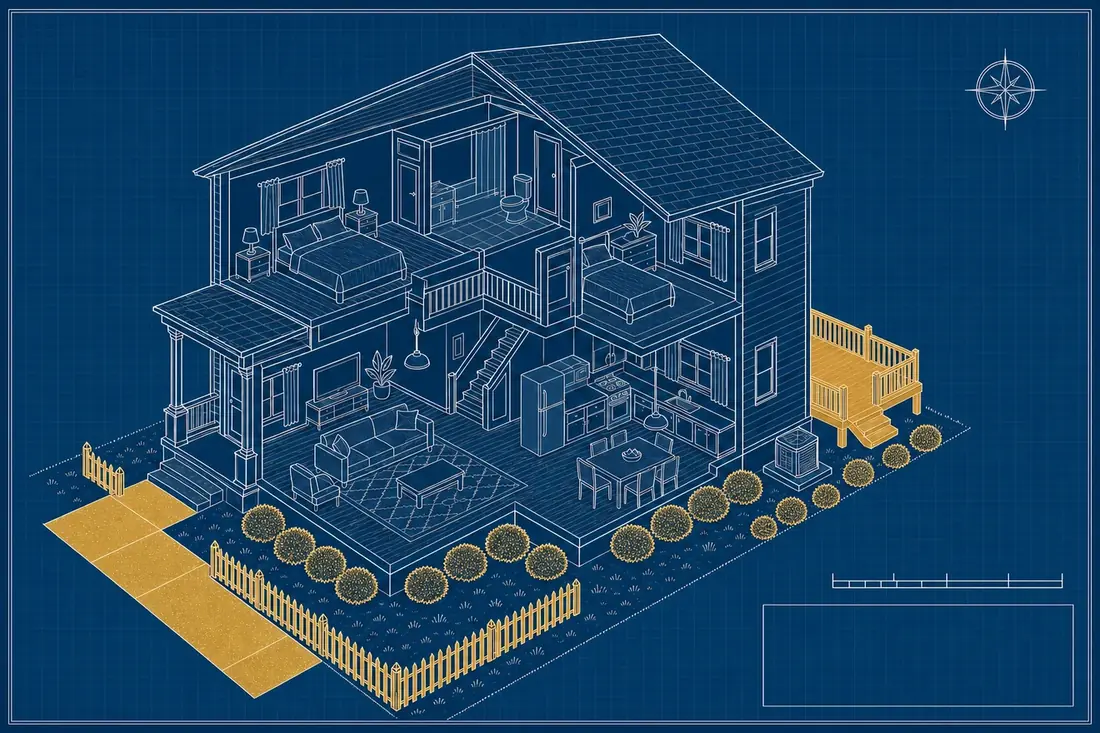
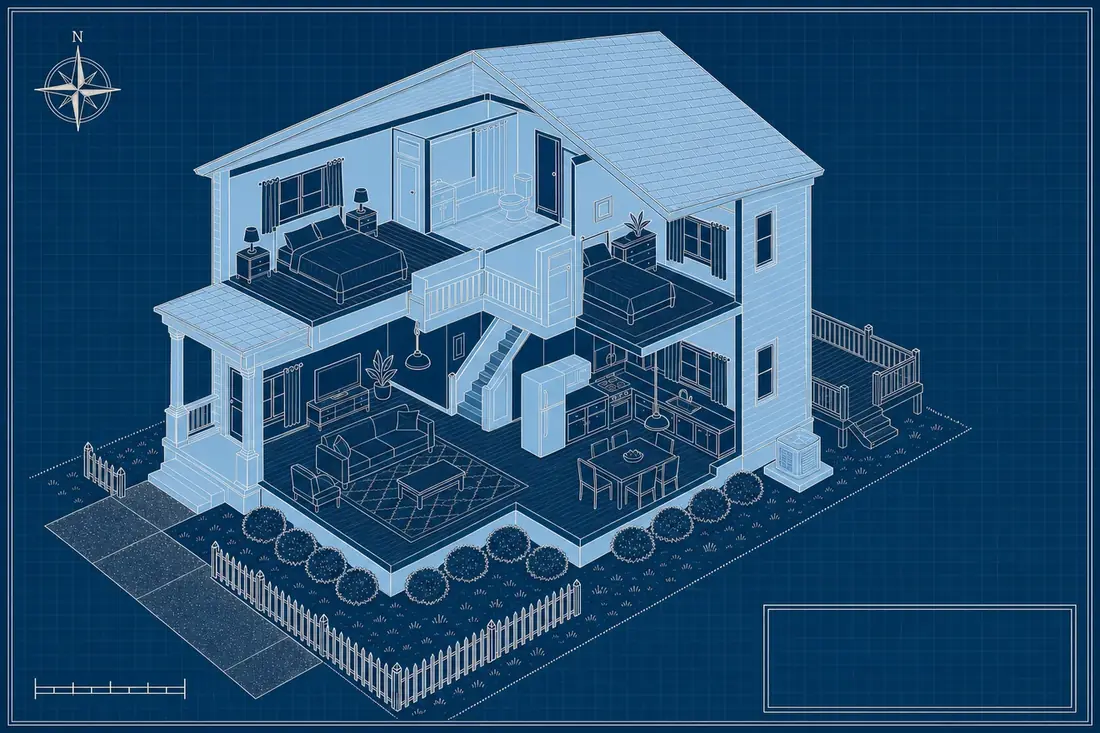
Watch a log cabin rental get built and classified A hypothetical $600,000 three-bedroom log cabin goes up floor by floor, from the gravel drive and foundation to the game loft and the hot tub on the deck. Every component lands on its depreciation schedule as it is installed, and the year-one depreciation adds up on screen. Watch the 90-second walkthrough »A nightly market, not a weekly onePigeon Forge, in Sevier County, Tennessee, is a nightly cabin market, not a weekly one. Guests book two or three nights at a time to see Dollywood, hike into the Smokies, or just sit on a mountain porch, and cabins turn over throughout the week instead of on one fixed day. Knoxville sits about 35 miles away, close enough to be the market's nearest metro, but Pigeon Forge draws from well beyond it, a weekend and week-long destination for the wider Southeast. That booking pattern matters for a specific federal test: the short-term rental exception under section 469, which turns on whether the average period of customer use across the tax year runs 7 days or less. A weekly beach market lands its average right on that 7-day line, because every booking is a full week. A nightly cabin market runs a different math problem entirely, one where the average tends to sit well under the line instead of right on it. Whether the structure itself sits on 27.5 or 39 years turns on the 80% dwelling-unit test, and a short-term rental averaging stays of 7 days or less generally lands on 39 (see the 27.5 or 39 years guide). 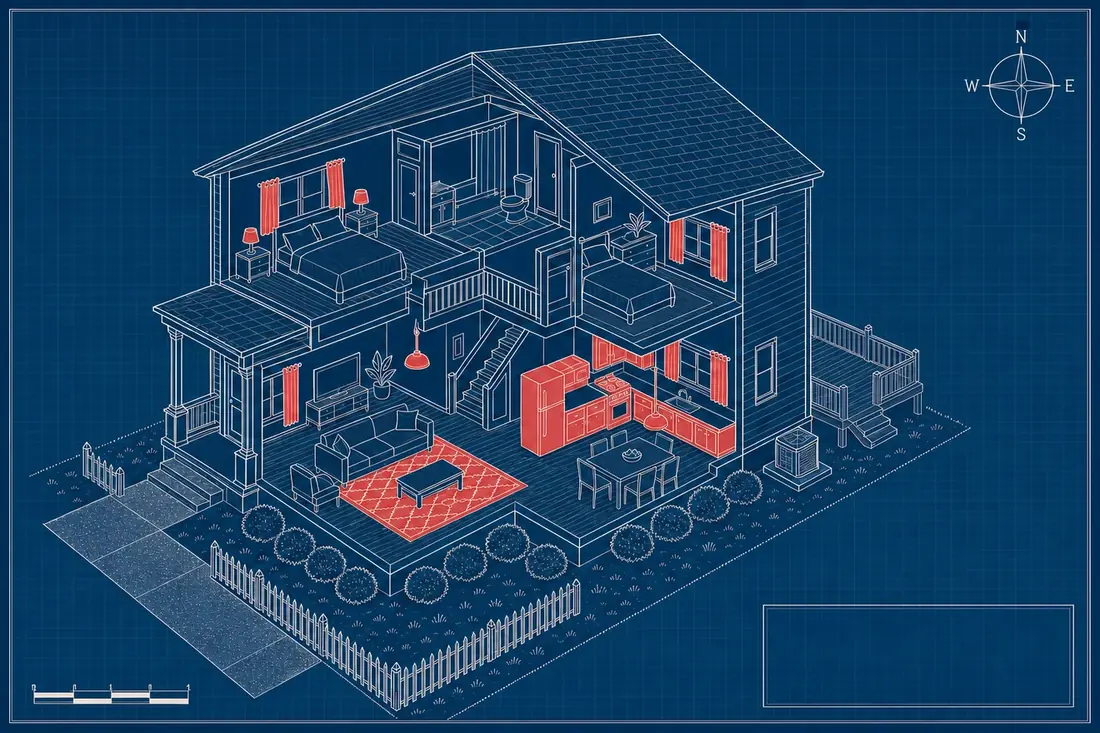
5-Year: carpet and flooring, cabinets, appliances, light fixtures, curtains 7-Year: furniture 15-Year: driveway, fencing, landscaping, deck 27.5/39-Year Shell: roof, load-bearing walls, foundation, central HVAC Get your free Preliminary Benefit Estimate Run the free 60-second qualifier at /qualify to see the likely first-year number for a specific Pigeon Forge cabin. Request Your Free Estimate »Why the average lands where it does on nightly bookingsHere's how the arithmetic works. Say a cabin completes 40 separate bookings across the year, averaging 3 nights each. That's 120 tenant-days spread across 40 rental periods, for an average of exactly 3.0, well under the 7-day threshold. Add two longer bookings, a week-long family reunion twice a year, and the math barely moves: 42 periods, 134 tenant-days, an average around 3.2. 40bookings, illustrative 3.0average nights, illustrative 3.2average after 2 week-long stays That's the structural difference from a weekly shore market. A high volume of short bookings is naturally resistant to drifting over the 7-day line, because no single booking carries much weight in the average. Whether a specific cabin's actual bookings clear the test is still a question for the owner's CPA to run against that property's real numbers, but the shape of a nightly market makes the math forgiving in a way a weekly market's math is not. New construction and the cabin supply boomCost segregation applies to purchases, new construction, and renovations alike, and Pigeon Forge has seen a wave of new-construction cabins built specifically to rent, often with amenity packages designed around the short-term guest: theater rooms, arcade rooms, indoor pools, multiple primary suites. A newly built cabin can get a study the year it is placed in service. There is no need to wait, and no requirement to have owned the property for years first, the way a look-back study assumes. New construction also gives an engineering study a cleaner starting point than an older cabin with decades of renovations layered on top, since the original cost records and building plans are usually complete and recent. Not every cabin in the market is new, though. An owner who bought an existing Pigeon Forge cabin years ago, before any study was run, is not shut out of the mechanic. A look-back study, claimed through Form 3115 with a section 481(a) catch-up in the current tax year, picks up the depreciation that was always available on that cabin but never claimed. No amended returns are required either way, new build or years-old purchase. Estimate the first-year deduction on a property hereA few questions and the building value give a preliminary first-year deduction range, using the same rule as our free calculator. The breakdown can be emailed to you, or you can book a 15-minute call. Step 1 of 3 What kind of property?
Who runs it day to day?
What is the average guest stay?
When did you buy it?
How many rentals do you own?
Across all of them, does your rental portfolio show taxable income overall?
Any of them likely to sell in the next few years?
Prefer to talk it through? Book straight from here. No form needed.
What's inside a Pigeon Forge cabin, tax-schedule by tax-scheduleA cabin built for short-term rental carries a different component mix than a plain single-family house, and that mix is exactly what an engineering study is built to sort:
The log shell stays put on the long schedule. Almost everything inside it, and a good deal of what sits outside it, does not. A study typically shifts somewhere between 15 and 35% of a cabin's total basis into these faster schedules, and an amenity-dense cabin, multiple hot tubs, a full theater room, an indoor pool, tends to land toward the higher end of that range, since each amenity adds its own layer of 5-year property on top of a fixed-size structural shell. Personal use and the family cabinA number of Pigeon Forge cabins are bought for a mix of rental income and family use, a week at Christmas, a few long weekends through the year. Section 280A limits deductions once an owner's personal use exceeds the greater of 14 days or 10% of the days the cabin is actually rented. That threshold applies here the same way it applies at any residential short-term rental. Whether a specific owner's mix of personal weeks and rental nights crosses that line is a question for the owner's CPA, who can run the actual count for the tax year in question. The Tennessee tax picture and the free estimateTennessee charges no state income tax on wages, a fact a lot of Pigeon Forge cabin owners already know. It changes nothing about the federal depreciation rules described above; cost segregation is a federal mechanic, and the state tax picture where an owner lives or where the cabin sits does not change how section 168 or section 481(a) work. What does change the number is the specific building: its size, its amenity package, its age. A free Preliminary Benefit Estimate models that number for a specific cabin before any commitment, working from listing photos rather than a site visit. See the Gatlinburg page for the neighboring overnight district's steep-lot version of this same market, or the Smoky Mountains region page for the full component breakdown across both sides of the park. Start the 60-second qualifier at /qualify to see the estimate for one specific cabin. The estimate, and the eventual study itself, work from the same listing photos already posted for guests on the booking platforms. There is no owner homework list and no need to schedule anyone around the cabin's rental calendar. Frequently asked questionsDoes a new-construction cabin qualify for cost segregation the same way a purchased one does? Yes. Cost segregation applies to new construction, purchases, and renovations. A newly built cabin can get its study the year it is placed in service, using the same component classification as a study on a cabin that changed hands. Do nightly cabin bookings automatically pass the 7-day average test? Not automatically, but the math tends to favor them. The test averages tenant-days across every rental period in the year, and a high volume of short bookings is naturally harder to push over 7 days than a market built on weekly stays. Whether a specific cabin's actual bookings clear the line is a CPA question. Is the hot tub in a Pigeon Forge cabin 5-year property? A hot tub is typically classified as 5-year personal property in an engineered study, separate from the structural shell. The building's log or timber frame, roof, and central HVAC stay on the 27.5/39-year schedule regardless. Does Tennessee having no state income tax affect the depreciation numbers? No. Depreciation, bonus depreciation, and the section 481(a) catch-up are federal mechanics under the federal tax code. A state's income tax policy, or lack of one, does not change how those federal schedules work. How long does a cabin study take? Turnaround runs 4 to 6 weeks in the busy season, typically 2 to 3 weeks in January and February. A short-term rental study works from listing photos, so scheduling does not depend on finding a gap in the rental calendar. Keep readingGet your free Preliminary Benefit Estimate Send the address or the listing link. We model the number first; you decide with it in hand. Request Your Free Estimate »Educational information, not tax advice. This page describes how federal
depreciation rules and tests work in general. Whether any rule fits your facts is a determination for
you and your CPA. Our study gives your CPA the engineering and the numbers to make that call.
Related guides: How Does Cost Segregation Work in Vacation... · Does Cost Segregation Work on a Poconos... · Cost Segregation for a Jersey Shore Rental... · Cost Segregation for a Gatlinburg Rental... · Cost Segregation for a Smoky Mountain...
More Southern Appalachians markets: Cost Segregation for a Gatlinburg Rental... · Cost Segregation for a Smoky Mountain... · Does Cost Segregation Work for a Blue... · Cost Segregation in Myrtle Beach... · Cost Segregation for Hilton Head Island... · Cost Segregation for a Smith Mountain Lake... · All vacation markets
|