|
Cost Segregation for Commercial & Short-Term Rental Owners
|
Request a free estimate [email protected] |
Vacation Markets
Free Listing SEO Audit Paste your Airbnb or VRBO listing. Get a scored audit in 90 seconds. Audit My Listing »FREE Estimate Is there a first-year deduction sitting in your building? No cost, no obligation. Request Yours »Minimum ROIOur study identifies at least 20x its fee in first-year deductions on commercial property, or at least 30x on a short-term rental, or it is free. |
Cost Segregation in Myrtle Beach: Condo-Hotel Units and Beach HousesQuick answer Myrtle Beach short-term rentals fall into two structures, condo-hotel units inside a resort rental program and detached beach houses rented directly, and both qualify for a cost segregation study in Horry County. A study reclassifies cabinetry, flooring, decorative lighting, and site improvements out of 27.5-year depreciation into 5-, 7-, and 15-year buckets. The mechanics are the same for both. What differs is how each owner clears the section 469 material participation test. Own a Myrtle Beach rental? See the first-year deduction range a study would look for. 30 seconds, no email to see the range. Start the check ↓Key takeaways
Watch a beach house rental get built and classified A hypothetical $1.4 million four-bedroom oceanfront house goes up on timber pilings, from the shell driveway and the parking level to the living floor, the porches and the terrace. Every component lands on its depreciation schedule as it is installed, and the year-one depreciation adds up on screen. Watch the 90-second walkthrough »Two owner types, one countyMyrtle Beach sits in Horry County, South Carolina, and the rental market there splits cleanly into two structures. One is the high-rise condo-hotel unit, a single unit inside a tower that runs a resort-style rental program with a front desk, housekeeping, and a management contract. The other is the detached beach house, rented directly by the owner or through a local property manager on a weekly basis. Both draw from the same drive-to feeder markets, Charlotte and Raleigh are a few hours west, with Columbia closer still. Cost segregation applies to both, and the underlying mechanics never change: a study reclassifies part of the building's basis out of the standard depreciation schedule and into faster schedules that are eligible for bonus depreciation. What changes between the two owner types is not the depreciation math. It is how each one approaches the passive activity rules that decide whether the resulting losses can offset other income. 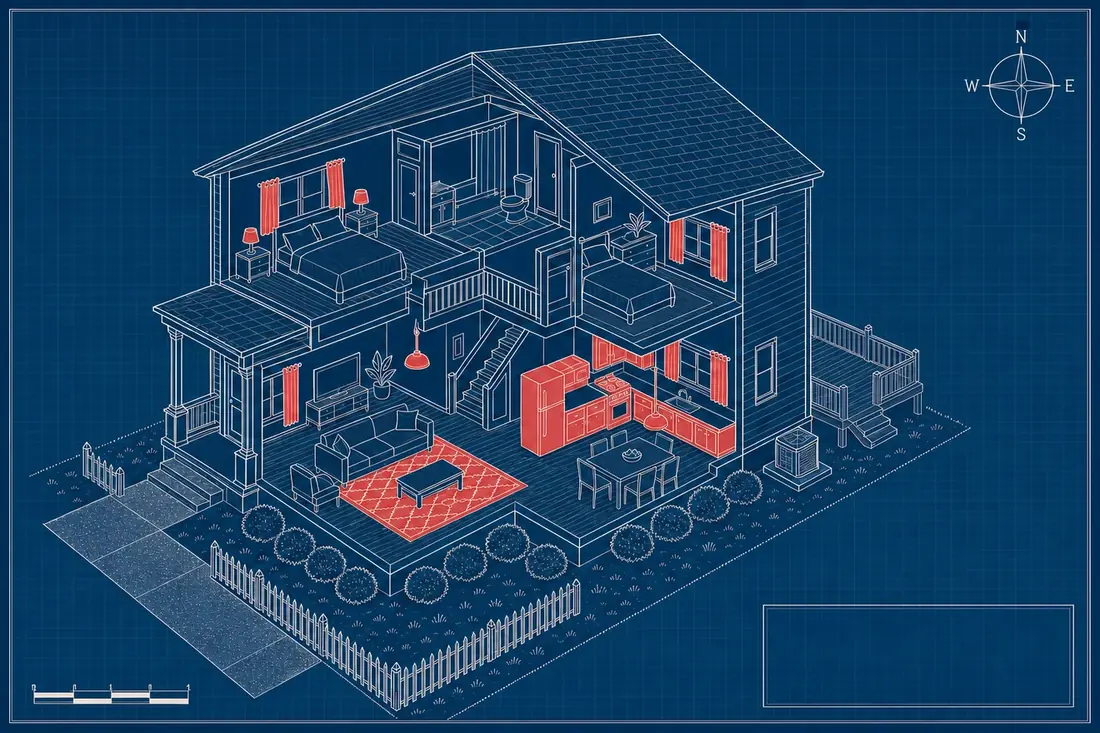
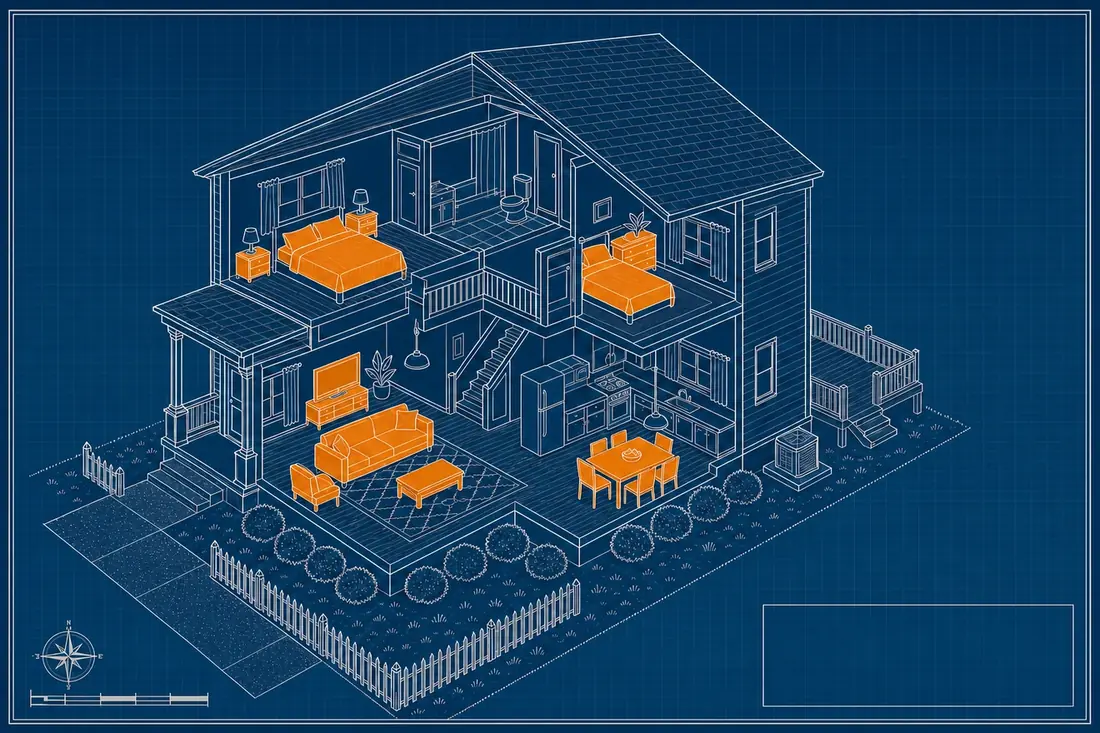
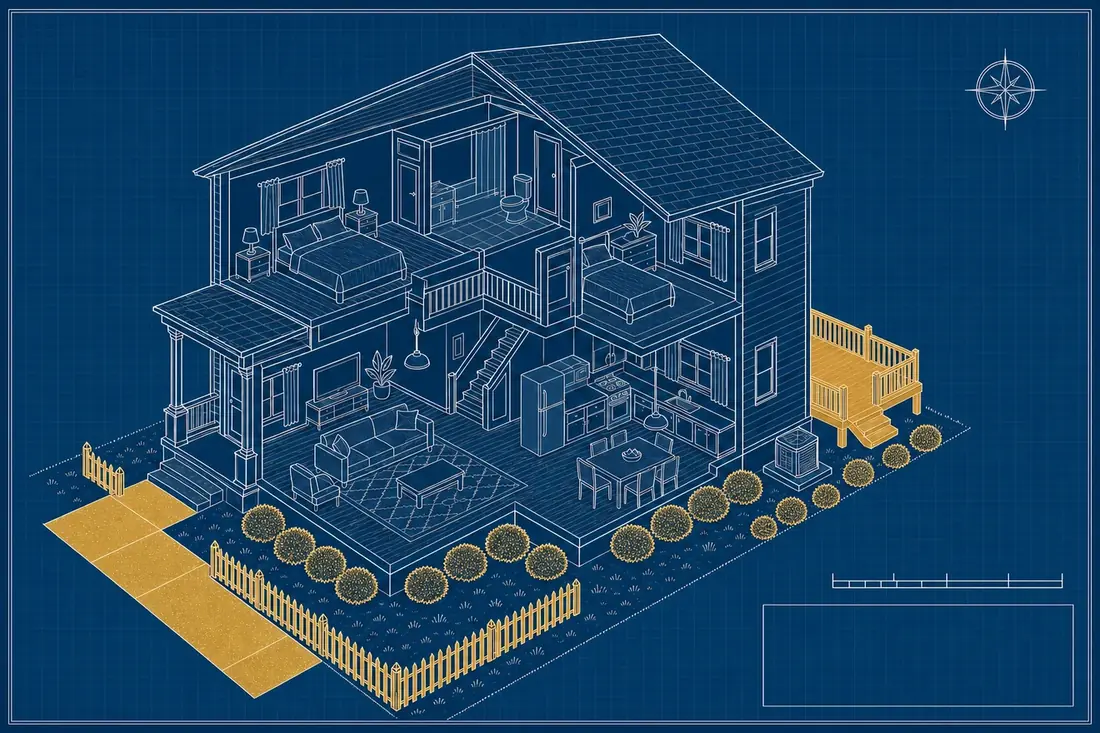
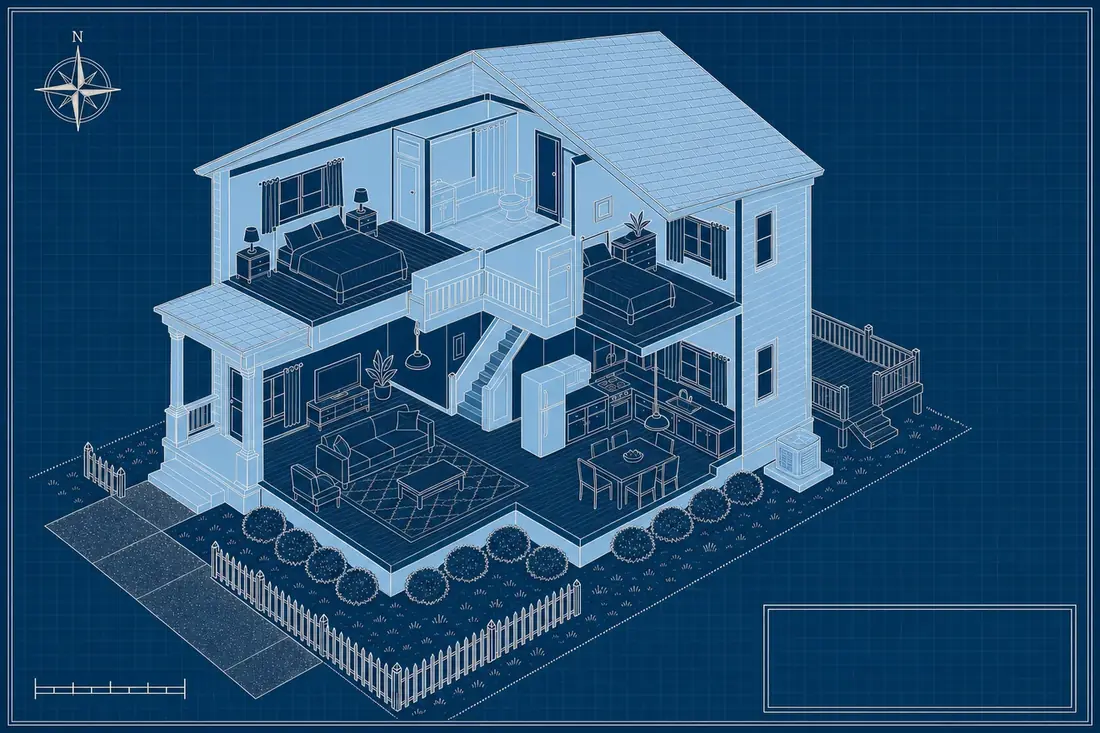
5-Year: carpet and flooring, cabinets, appliances, light fixtures, curtains 7-Year: furniture 15-Year: driveway, fencing, landscaping, deck 27.5/39-Year Shell: roof, load-bearing walls, foundation, central HVAC Get your free Preliminary Benefit Estimate See what a Myrtle Beach condo-hotel unit or beach house could accelerate with the free estimate at /qualify. Request Your Free Estimate »Condo-hotel units: the rental program changes the participation test, not the depreciationA unit inside a branded or resort-style rental program is still real property the owner holds, and it still qualifies for cost segregation on the interior components the owner actually owns: cabinetry, flooring, window treatments, appliances, and unit-level fixtures. What the program changes is section 469, the passive activity rule that applies to rental losses by default. The short-term rental exception under Reg. 1.469-1T(e)(3)(ii) turns off passive treatment when the average guest stay is 7 days or less, but the owner then needs material participation for any resulting losses to offset other income. The common material participation tests are 500-plus hours, substantially all of the participation, or 100-plus hours and more than any other individual. That third test counts everyone who works the unit, including front desk staff, housekeeping, and a program's on-site management. An owner who hands a unit to a full-service rental program and does none of the day-to-day work is describing a fact pattern where the hours worked by that program's staff count against the owner in that comparison. Whether a specific owner's hours clear the test is a question for that owner's CPA. The depreciation study and the participation test are two separate questions, and a study is worth running regardless of how the second one resolves, since the deductions still exist on the return. Detached beach houses: the weekly-turnover mathA detached beach house on a Saturday-to-Saturday weekly rental calendar is the classic case for the 7-day average stay test. A full calendar of exactly 7-night stays averages to a 7-day stay, at the line the STR exception draws. Any mix of longer off-season stays, monthly winter rentals, or extended-stay bookings pulls that average upward, and once the average crosses 7 days the property falls back under ordinary rental activity rules. An owner tracking a Myrtle Beach house's booking calendar is tracking exactly the number this test asks about. Personal use matters here too. Section 280A limits deductions once personal use exceeds the greater of 14 days or 10% of rental days in a year, a threshold worth watching for an owner who also uses the house for a summer week with family. None of this changes what a cost segregation study finds in the building. It changes which owner gets to use the losses the study accelerates. Estimate the first-year deduction on a property hereA few questions and the building value give a preliminary first-year deduction range, using the same rule as our free calculator. The breakdown can be emailed to you, or you can book a 15-minute call. Step 1 of 3 What kind of property?
Who runs it day to day?
What is the average guest stay?
When did you buy it?
How many rentals do you own?
Across all of them, does your rental portfolio show taxable income overall?
Any of them likely to sell in the next few years?
Prefer to talk it through? Book straight from here. No form needed.
What gets reclassified in a Horry County beach property
A condo-hotel unit's study is scoped to what the owner actually owns, typically the interior, since common areas like the lobby, pool deck, and elevators usually belong to the association or the operator, not the individual unit owner. A detached house's study covers the whole structure and the land improvements around it. That scope difference is the main line-item difference between the two studies, not the depreciation rules themselves. What the numbers look like on a comparable buildingOn a mid-rise commercial building, a benchmark run on a mid-rise office produced $479,220 in first-year deductions against a $2,971,345 building basis, for a $12,000 fee, a 39.9-to-1 ratio. A condo-hotel tower is a residential-use building rather than commercial, but the scale comparison holds: a larger building with more unit-level finish work tends to carry more reclassifiable basis. On the residential side, a delivered study on a single-family rental in Montgomery County, Pennsylvania, 4,946 square feet with a $1,040,000 basis, identified $160,242 in accelerated basis and an estimated $174,905 in first-year depreciation for a $1,295 fee, roughly 135 to 1. A detached beach house sits closer to that second case in scale and structure. 39.9 : 1mid-rise commercial deductions to fee 135 : 1residential STR deductions to fee 7 daysaverage stay ceiling for the STR exception Getting a number for your Myrtle Beach propertyEvery study is custom-priced to the specific unit or house, engineering scope scales with the property, not a flat rate card. A free Preliminary Benefit Estimate models the likely first-year acceleration before any commitment, through the 60-second qualifier at /qualify. Reports run about 4 to 6 weeks during tax season, faster in January and February, and for a property owned for years, the study is claimed through Form 3115 with a section 481(a) catch-up, described in more detail in the look-back study guide, with no amended returns required. If a roof or HVAC system in a Myrtle Beach unit or house gets replaced, partial asset disposition is the mechanic that writes off what remains of the old component, but only in the year of the replacement. Frequently asked questionsDo condo-hotel units inside a resort rental program qualify for cost segregation? Yes, on the components the unit owner actually owns, typically interior finishes and fixtures. Common-area assets like the lobby, elevators, and pool deck usually belong to the association or operator, not the unit owner, so the study is scoped to the unit itself. Does a Myrtle Beach beach house need a site visit for the study? No. For short-term rental properties, listing photos from Airbnb or VRBO feed the component classification directly, so there is no owner homework and no scheduled site visit required, whether the property is a detached house or a condo-hotel unit. How does a rental program's staff affect the passive loss test? The 100-hour material participation test compares the owner's hours to everyone else who works the property, including a rental program's front desk and housekeeping staff. That comparison is separate from whether the depreciation study itself applies, which it does regardless. What is different about studying a condo-hotel tower versus a full house? Scope. A tower unit's study generally covers only the interior components the owner holds title to. A detached house's study covers the full structure plus site improvements like decking, driveways, and outdoor showers around it. How long does a Myrtle Beach cost segregation study take? Typically 4 to 6 weeks during the main tax season, often 2 to 3 weeks in January and February. Turnaround depends on the property's size and how quickly listing photos or plans are available. Keep readingGet your free Preliminary Benefit Estimate Send the address or the listing link. We model the number first; you decide with it in hand. Request Your Free Estimate »Educational information, not tax advice. This page describes how federal
depreciation rules and tests work in general. Whether any rule fits your facts is a determination for
you and your CPA. Our study gives your CPA the engineering and the numbers to make that call.
Related guides: How Does Cost Segregation Work in Vacation... · Does Cost Segregation Work on a Poconos... · Cost Segregation for a Jersey Shore Rental... · Cost Segregation for a Pigeon Forge Cabin... · Cost Segregation for a Gatlinburg Rental...
More Southern Appalachians markets: Cost Segregation for Hilton Head Island... · Cost Segregation for a Smith Mountain Lake... · Cost Segregation for a New River Gorge... · Cost Segregation for a Sevierville or Wears... · Cost Segregation for Ellijay, Georgia Cabin... · Cost Segregation for Helen, Georgia Cabins... · All vacation markets
|