|
Cost Segregation for Commercial & Short-Term Rental Owners
|
Request a free estimate [email protected] |
Vacation Markets
Free Listing SEO Audit Paste your Airbnb or VRBO listing. Get a scored audit in 90 seconds. Audit My Listing »FREE Estimate Is there a first-year deduction sitting in your building? No cost, no obligation. Request Yours »Minimum ROIOur study identifies at least 20x its fee in first-year deductions on commercial property, or at least 30x on a short-term rental, or it is free. |
Cost Segregation for Vermont Ski House and Condo RentalsQuick answer Cost segregation for a Vermont ski house has to account for a winter-heavy rental calendar: Killington, Stowe, and Okemo among the towns, with a real summer and mud-season slowdown unlike a beach market's single summer peak. Both a base-area ski condo and a standalone ski house qualify for cost segregation, reclassifying interior finishes and site work out of standard depreciation into 5-, 7-, and 15-year schedules. A condo's study covers what the owner holds title to inside the unit; a standalone house's study covers the full structure and its surrounding land improvements, mudroom entries, decks, and driveways included. Own a Vermont ski rental? See the first-year deduction range a study would look for. 30 seconds, no email to see the range. Start the check ↓Key takeaways
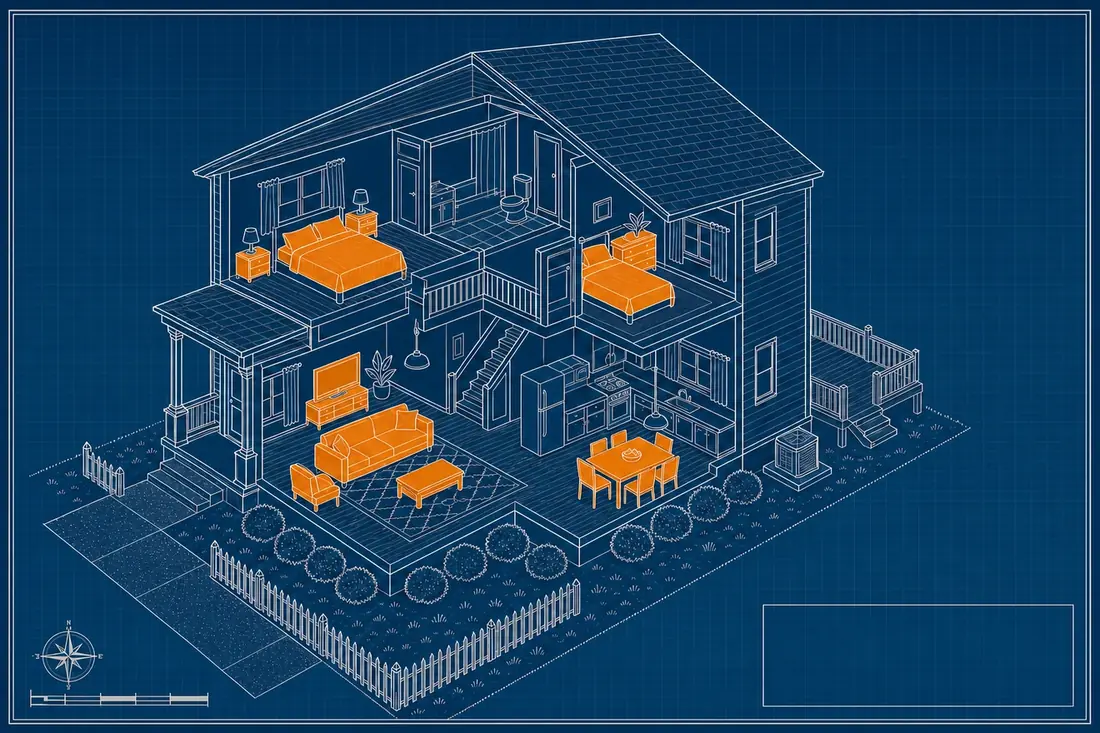
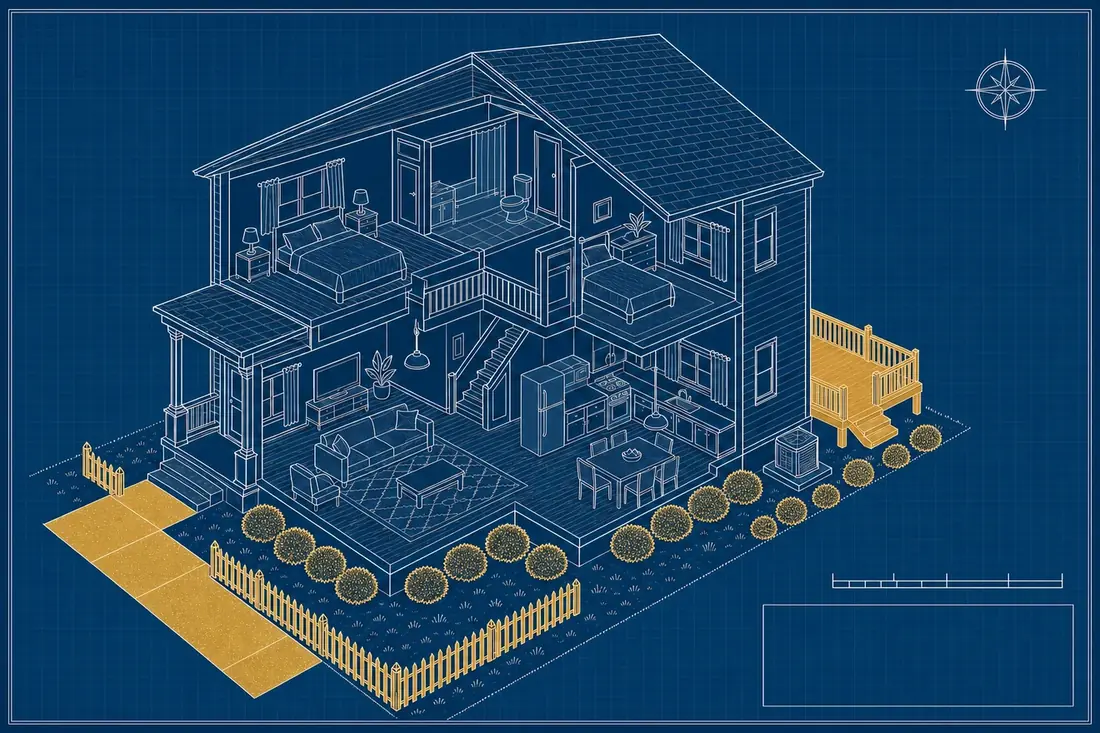
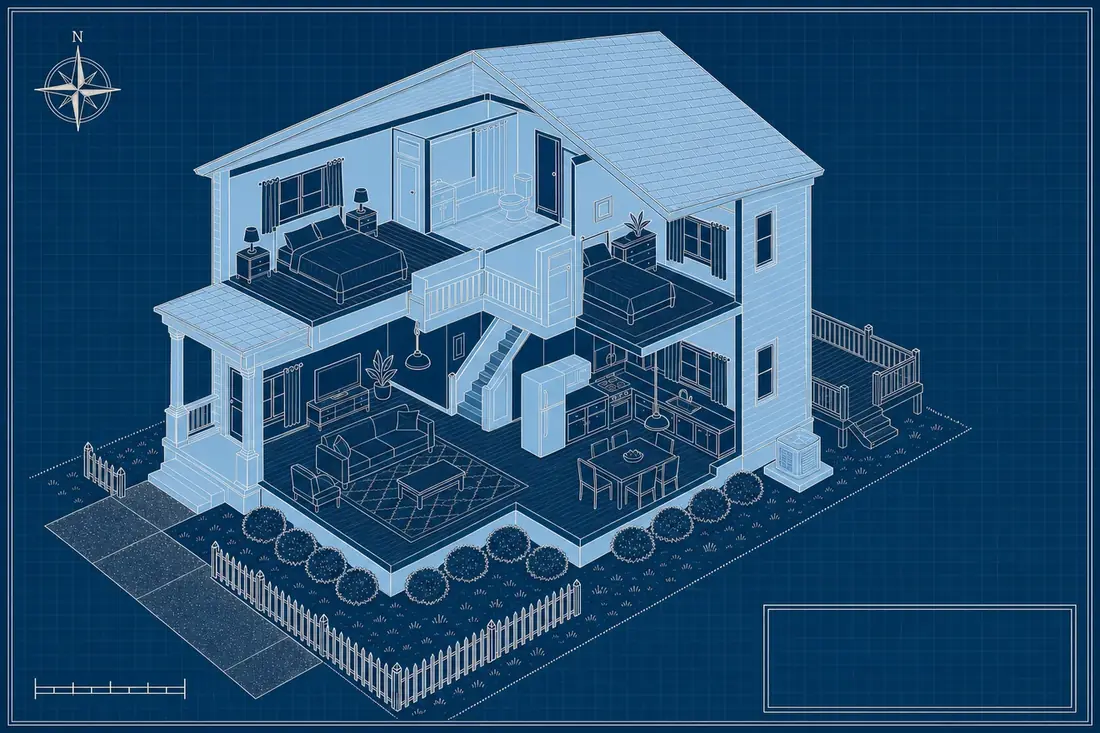
Watch a log cabin rental get built and classified A hypothetical $600,000 three-bedroom log cabin goes up floor by floor, from the gravel drive and foundation to the game loft and the hot tub on the deck. Every component lands on its depreciation schedule as it is installed, and the year-one depreciation adds up on screen. Watch the 90-second walkthrough »Two seasons, two property typesVermont's ski corridor, Killington, Stowe, and Okemo among the best known, runs on a very different calendar than a beach market. Winter carries the bulk of demand, multi-night ski trips booked around holiday weeks and weekend powder chasing, feeding from Boston a few hours south and New York City somewhat further. Summer and the fall foliage stretch bring a real but smaller rental crowd, and the spring mud season between ski closing and summer opening is the market's quiet stretch. Inside that calendar, two different property types make up most of the rental stock. A base-area condo sits inside a building at or near the mountain, sold as a unit with shared common areas. A standalone ski house sits on its own lot, often further from the base area, with its own driveway, mudroom, and yard. Both qualify for cost segregation, and the mechanics are the same as anywhere else in the country. What differs is scope, and how the winter-heavy calendar interacts with the passive activity rules. 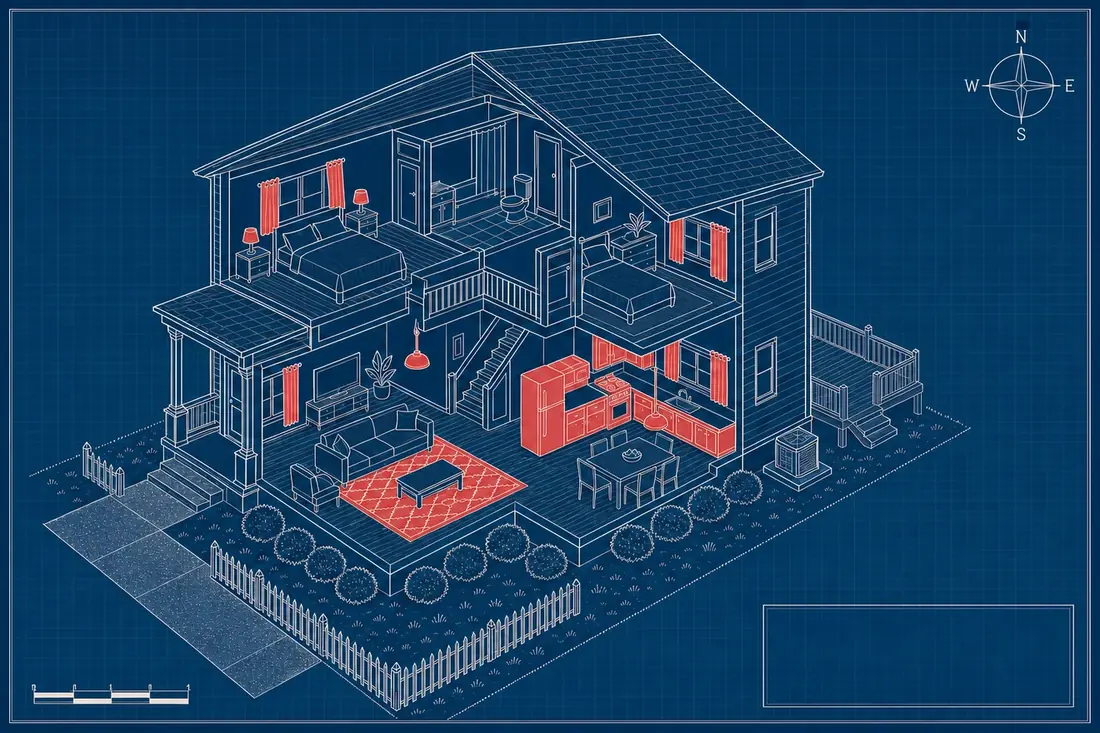
5-Year: carpet and flooring, cabinets, appliances, light fixtures, curtains 7-Year: furniture 15-Year: driveway, fencing, landscaping, deck 27.5/39-Year Shell: roof, load-bearing walls, foundation, central HVAC Get your free Preliminary Benefit Estimate Run the free estimate at /qualify to see what your Vermont ski condo or house could accelerate. Request Your Free Estimate »Condo vs. house: what each study covers
A condo owner does not own the building's shared lobby, elevators, or the mountain-facing common deck, so those never enter the unit owner's study. A standalone house owner is responsible for everything on the lot, which typically means a larger land improvement component even before counting the house itself. Ski-specific components worth namingA mudroom or boot room built for ski gear, heated floor tile in an entryway, and built-in ski and snowboard storage are interior finish components, generally 5-year property, the same classification as cabinetry anywhere else. Exterior features common in ski country, a covered entry to keep snow off the door, a plowed and paved driveway, exterior stair railings for winter safety, are land improvements on a standalone house, 15-year property. None of these are exotic from a tax standpoint. They reclassify the same way any comparable component would in a warmer climate, the ski-specific framing is about recognizing them, not a different set of rules. Estimate the first-year deduction on a property hereA few questions and the building value give a preliminary first-year deduction range, using the same rule as our free calculator. The breakdown can be emailed to you, or you can book a 15-minute call. Step 1 of 3 What kind of property?
Who runs it day to day?
What is the average guest stay?
When did you buy it?
How many rentals do you own?
Across all of them, does your rental portfolio show taxable income overall?
Any of them likely to sell in the next few years?
Prefer to talk it through? Book straight from here. No form needed.
Winter ski trips and the 7-day averageA typical ski vacation runs several nights to a week, weekend trips on the shorter end and holiday-week bookings on the longer end. Averaged across a full year including any summer or fall bookings, most Vermont ski rentals land at or under the 7-day threshold Reg. 1.469-1T(e)(3)(ii) sets for the short-term rental exception, since even week-long ski bookings average out around 7 nights and shorter weekend trips pull that average down. A property that shifts to monthly off-season rentals during mud season, sometimes done to cover a slow stretch, would need that pattern weighed against the yearly average, since longer stays pull it upward. Whether a specific property's full-year average lands at or under 7 days depends on that year's actual booking mix, a calculation for the owner and their CPA. Material participation still needs to be cleared separately once the average-stay test is met. A ski house owner who personally handles snow removal, turnovers between guest groups, and coordinating with a local property manager during the busy holiday stretch is in a different position under the 100-hour test than one who hands the entire winter season to a full-service rental agency, common in the base areas around Killington, Stowe, and Okemo where many condo owners live out of state. That agency's staff hours count in the same comparison the owner's do. None of that participation math changes what the depreciation study itself finds in the property. The study and the passive loss question are two separate calculations, and a study is worth commissioning on a Vermont ski property regardless of which way the participation question resolves for a given tax year. The deductions a study identifies exist on the return either way; only their passive or non-passive treatment is what the participation math decides. What the numbers look likeOn a mid-rise commercial building, a benchmark run produced $479,220 in first-year deductions on a $2,971,345 building basis for a $12,000 fee, a 39.9-to-1 ratio, a commercial example shown for scale against a larger base-area condo building. On the residential side, a delivered study on a single-family rental in Montgomery County, Pennsylvania, 4,946 square feet with a $1,040,000 basis, produced an estimated $174,905 in first-year depreciation for a $1,295 fee, close to 135 to 1, closer in scale to a standalone Vermont ski house. Basis guarantees at least 30 times the fee in first-year deductions on a short-term rental, or the study is free, and every study, condo or house, includes full audit defense of the report by the team that produced it. Getting your numberEvery study, condo unit or standalone house, is custom-priced to the specific property. A free Preliminary Benefit Estimate at /qualify models the likely first-year number before any commitment, and short-term rental studies work from listing photos, no site visit required. Turnaround runs 4 to 6 weeks during the main tax season, faster in January and February. For a property owned for years already, the study runs through Form 3115 with a section 481(a) catch-up, covered in the look-back guide. See how a similar condo-versus-house split plays out at Myrtle Beach's condo-hotel and beach house market. Frequently asked questionsDoes a Vermont ski condo qualify for cost segregation the same way a house does? Yes, but the scope is narrower. A condo study covers the interior components the unit owner holds title to, since the building's structure and shared amenities usually belong to the association, not the individual owner. Do ski-specific features like a mudroom or boot room count in the study? Yes, a mudroom, heated entry tile, and built-in ski storage are interior finish components, generally reclassified the same way cabinetry or flooring would be anywhere else. Their function as ski gear storage does not change the classification rules that apply. Does a slow mud season affect the passive loss test? It can if the property shifts to longer off-season stays to fill the slow stretch, since longer stays pull the year's average stay upward. Short weekend and week-long ski bookings generally keep the average well under the 7-day line on their own. Does a driveway or exterior lighting count toward the study? On a standalone house, yes, a paved driveway, walkways, and exterior lighting are land improvements, generally on a 15-year schedule. A condo unit typically has no such improvements in its scope, since the grounds belong to the association. How long does a Vermont ski property study take? Typically 4 to 6 weeks during the main tax season, often 2 to 3 weeks in January and February, since short-term rental studies work from listing photos rather than a scheduled site visit. Keep readingGet your free Preliminary Benefit Estimate Send the address or the listing link. We model the number first; you decide with it in hand. Request Your Free Estimate »Educational information, not tax advice. This page describes how federal
depreciation rules and tests work in general. Whether any rule fits your facts is a determination for
you and your CPA. Our study gives your CPA the engineering and the numbers to make that call.
|