|
Cost Segregation for Commercial & Short-Term Rental Owners
|
Request a free estimate [email protected] |
IRS Documents
FREE Estimate Is there a first-year deduction sitting in your building? No cost, no obligation. Request Yours »Minimum ROIOur study identifies at least 20x its fee in first-year deductions on commercial property, or at least 30x on a short-term rental, or it is free. |
What Does IRS Publication 544 Say About Selling Depreciated Property?Quick answer IRS Publication 544, Sales and Other Dispositions of Assets, is the IRS's guide to figuring gain or loss when property is sold, and to whether that gain is taxed as ordinary income or capital gain. For property that has been depreciated, including a property that went through a cost segregation study, the publication's depreciation recapture rules, Section 1245 for personal property and Section 1250 for real property, determine how much of the gain is taxed at ordinary rates instead of capital gains rates. This publication explains the rules. A study applies them to one building. A few questions, 30 seconds. You see which tests matter and the first-year deduction range a study would look for. No email to see the range. Run the 30-second check »Key takeaways
What Publication 544 CoversPublication 544, Sales and Other Dispositions of Assets, is the IRS's guide to what happens on the other end of ownership: figuring gain or loss when property sells, determining whether that gain or loss is treated as ordinary income or capital gain, and applying depreciation recapture where it is owed. It sits alongside Publication 551, which establishes basis; Publication 544 is where that basis gets used again, this time to figure what is owed when the property leaves the owner's hands. 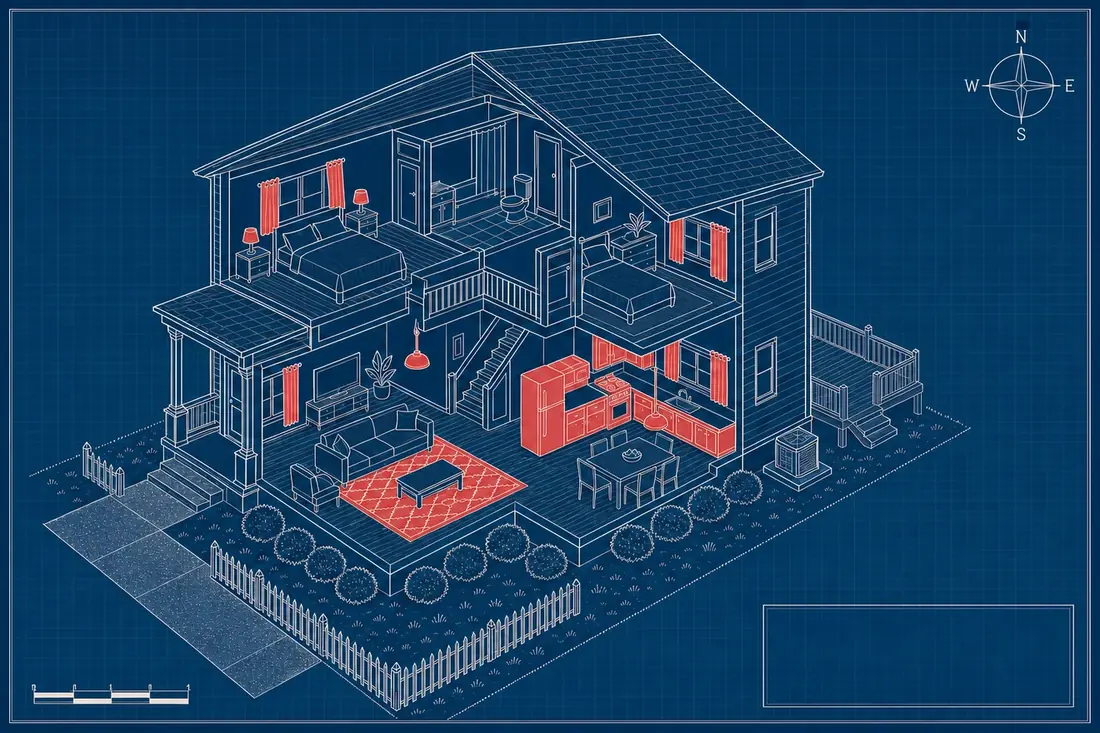
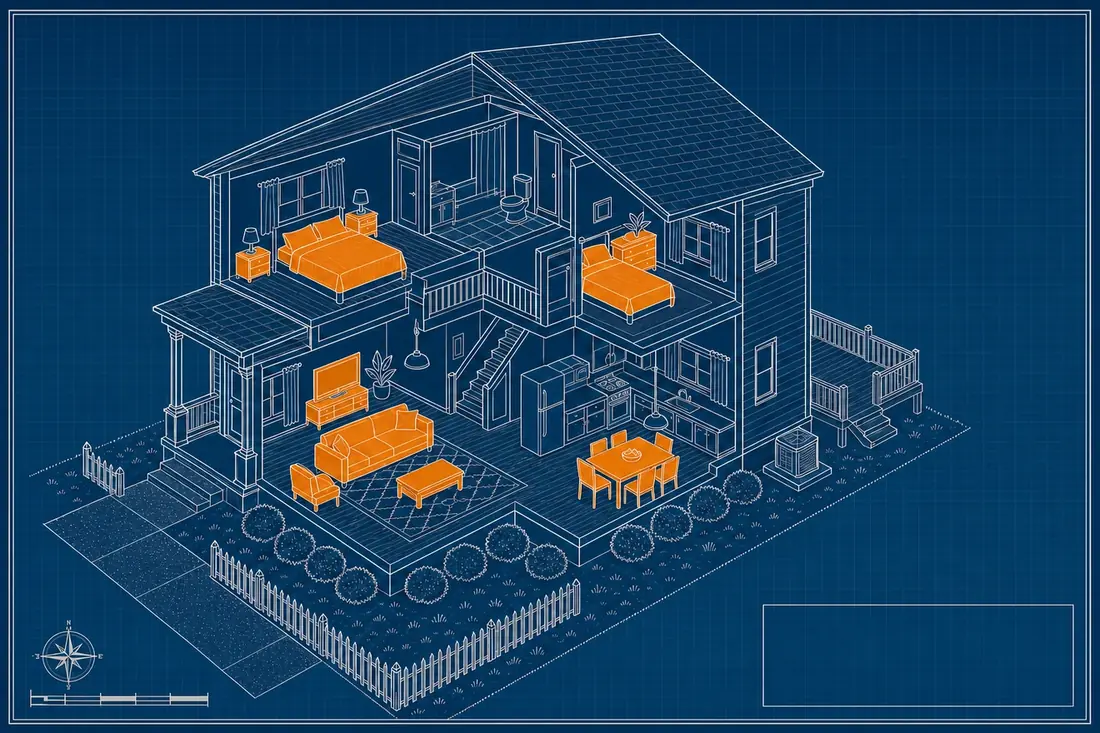
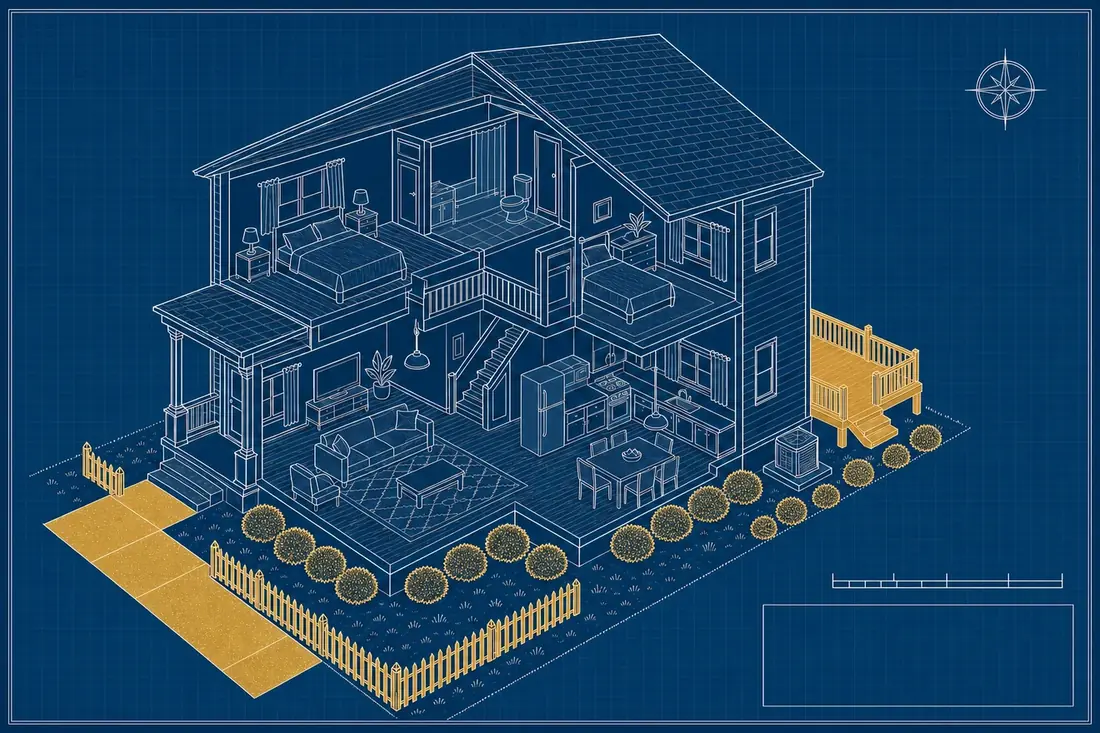
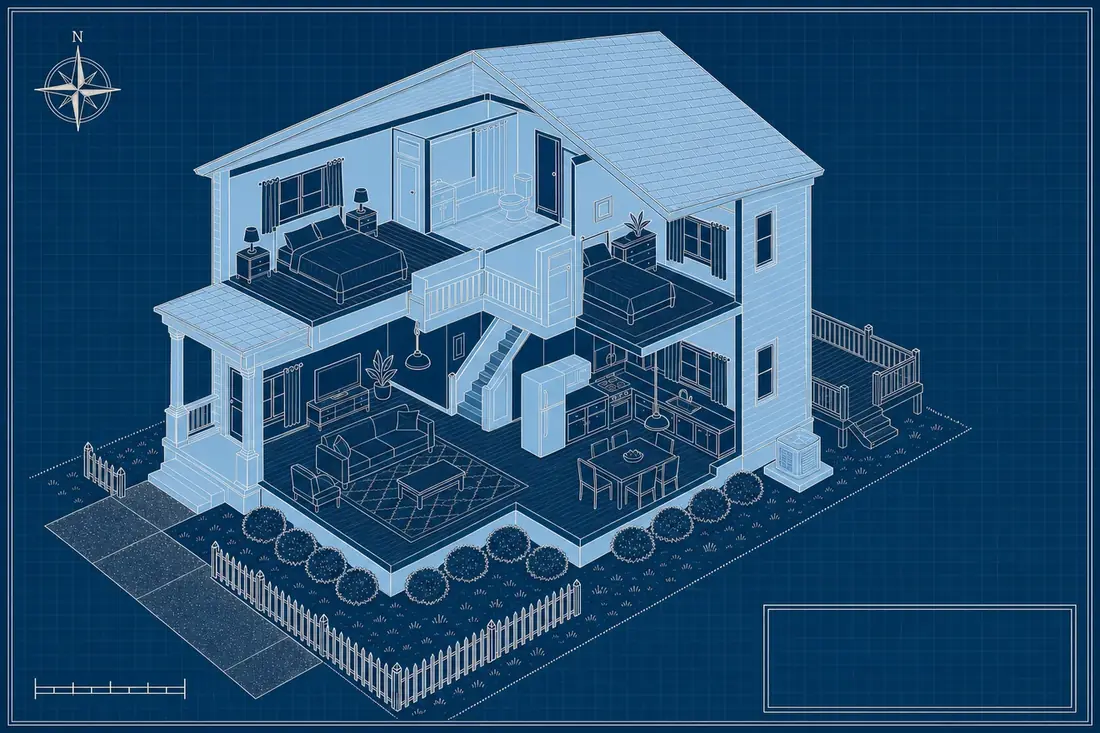
5-Year: carpet and flooring, cabinets, appliances, light fixtures, curtains 7-Year: furniture 15-Year: driveway, fencing, landscaping, deck 27.5/39-Year Shell: roof, load-bearing walls, foundation, central HVAC Get your free Preliminary Benefit Estimate Model the first-year deduction a cost segregation study would produce, before recapture at a future sale ever enters the picture, at /qualify. Request Your Free Estimate »Figuring Gain or Loss on a SaleThe publication's basic formula is straightforward: the amount realized on a sale, generally the sale price minus selling expenses, minus the property's adjusted basis at the time of sale, equals gain or loss. Adjusted basis here is the same running number Publication 551 builds, the original cost plus improvements, minus depreciation already claimed. A property that went through a cost segregation study and claimed accelerated depreciation carries a lower adjusted basis at sale than one that stayed on the standard schedule, which produces a larger gain figure on paper. That larger paper gain is not a loss of the deduction already taken. It simply reflects that more of the property's original basis has already been recovered through depreciation, faster, in the years leading up to the sale, than it would have been on a standard 27.5-year or 39-year schedule alone. Ordinary Income, Capital Gain, and Section 1231Publication 544 also describes how gain on business property, real estate used in a trade or business and held more than a year, generally gets characterized under section 1231. Gains and losses on section 1231 property are netted together for the year across everything an owner disposes of; a net gain is generally treated as long-term capital gain, while a net loss is treated as an ordinary loss. That netting, though, only applies to whatever gain is left after the recapture rules run first. Depreciation recapture under Sections 1245 and 1250 is applied before the section 1231 netting happens, not after. In practice, that means the ordinary-income portion tied to depreciation gets pulled out and taxed at ordinary rates first, and only the remaining gain, if any, is eligible for the more favorable section 1231 treatment. Section 1245 Property and RecaptureSection 1245 property, the 5-year and 7-year personal property a cost segregation study identifies, carpet, cabinetry, decorative lighting, certain electrical and plumbing serving equipment, is subject to depreciation recapture on sale. The test Publication 544 describes: gain on 1245 property is treated as ordinary income to the extent of the depreciation already claimed on it, generally the lesser of the gain realized or the total depreciation taken. Because a cost segregation study moves basis into these faster-depreciating buckets specifically to accelerate the deduction, it also creates more property subject to this ordinary-income treatment down the line. That is the mechanical tradeoff, not a flaw: the deduction comes earlier, and recapture on that portion is measured at ordinary rates whenever the property sells. A structural roof and a building's central HVAC stay on the 39-year or 27.5-year schedule as 1250 property, not 1245, a common point of confusion Publication 544 does not directly correct, since the classification work happens upstream, in how a study assigns each component in the first place. The 60-Second Qualifier Four questions. Our engineering team's model shows the estimated first-year acceleration a study of your property would target, free, before you commit to anything. Take the Qualifier »Section 1250 Property and Unrecaptured GainThe building's structural shell, the 39-year commercial or 27.5-year residential rental portion that stays on straight-line depreciation, is Section 1250 property. Which of those two schedules applies to a short-term rental in the first place is covered in is short-term rental depreciation 27.5 or 39 years. Publication 544 describes its recapture rule separately: because straight-line depreciation does not generate the kind of excess depreciation Section 1250's ordinary-income test targets, the gain attributable to that depreciation is instead treated as unrecaptured section 1250 gain, taxed at a maximum rate of 25% rather than ordinary income rates or the lower long-term capital gains rate. Section 1250's harsher ordinary-income recapture only applies to what Publication 544 calls additional depreciation, meaning the excess of an accelerated method over straight-line. Real property placed in service after 1986 depreciates straight-line under MACRS by default, so that excess is usually zero, which is exactly why the 25% unrecaptured gain, not full ordinary-income treatment, is what most real property sales actually face. This is a different, generally gentler, result than Section 1245 recapture on the faster-depreciating components, which taxes the full ordinary-income portion at whatever the seller's ordinary rate happens to be, with no 25% ceiling. Splitting a building's basis between the two categories in the first place, through a cost segregation study, is what determines how much basis ends up under each rule. Where a Cost Segregation Study Intersects a Later SaleA study does not change whether these recapture rules apply; it changes how much basis sits in each bucket when they do. More basis in 5- and 7-year Section 1245 property means more potential ordinary-income recapture at sale. Our depreciation recapture page walks through how that math works in more detail. A partial asset disposition, meaning the write-off of a replaced component's remaining basis in the year it comes out, described under Treas. Reg. 1.168(i)-8, is the disposition-side mechanic that pairs most directly with a study, since the study is what assigns each component its own basis in the first place. Deferring Recapture With a 1031 ExchangePublication 544 also covers like-kind exchanges under section 1031, which can defer both the gain and the recapture that would otherwise be triggered on a sale, including on a property that previously went through a cost segregation study, when the replacement property rules are met. The recapture does not disappear; it carries forward into the replacement property's basis rather than coming due in the year of the exchange. Getting a Number Before Any of This AppliesRecapture only matters once a property sells. Before that, a free Preliminary Benefit Estimate can model the first-year deduction a cost segregation study would produce, so the accelerated-basis tradeoff described here can be weighed against the deduction up front, well before Publication 544's rules on gain, loss, and recapture ever come into play. The 60-second qualifier at /qualify starts it. Frequently asked questionsWhat does IRS Publication 544 cover? Publication 544, Sales and Other Dispositions of Assets, explains how to figure gain or loss when property is sold or otherwise disposed of, whether that gain is ordinary income or capital gain, and how depreciation recapture under Sections 1245 and 1250 applies to property that was depreciated. What's the difference between Section 1245 and Section 1250 recapture? Section 1245 covers personal property, the 5- and 7-year components a cost segregation study identifies, and recaptures gain as ordinary income up to the depreciation already claimed. Section 1250 covers real property, the structural shell, and taxes the gain attributable to straight-line depreciation as unrecaptured section 1250 gain, up to 25%, rather than as ordinary income. Does a cost segregation study increase the recapture owed when a property sells? A study moves more basis into 5- and 7-year Section 1245 property, which is the property subject to ordinary-income recapture. The recapture rules themselves do not change, but more basis sits in the bucket they apply to. Whether that tradeoff nets out favorably depends on the owner's hold period and rate situation, a question for a CPA. Can a 1031 exchange defer recapture from a cost segregation study? Yes, generally, when the replacement property rules under section 1031 are met. The recapture that would otherwise be triggered on sale instead carries forward into the replacement property's basis rather than coming due in the year of the exchange. How does replacing a component like a roof relate to Publication 544? Replacing a component the property owns, a roof or an HVAC system, for instance, can trigger a partial asset disposition, the write-off of the old component's remaining basis in the year it comes out. That election is only available in the tax year of the replacement; missing the year forfeits it. Keep readingGet your free Preliminary Benefit Estimate Send the address or the listing link. We model the number first; you decide with it in hand. Request Your Free Estimate »Educational information, not tax advice. This page describes how federal
depreciation rules and tests work in general. Whether any rule fits your facts is a determination for
you and your CPA. Our study gives your CPA the engineering and the numbers to make that call.
|