|
Cost Segregation for Commercial & Short-Term Rental Owners
|
Request a free estimate [email protected] |
IRS Documents
FREE Estimate Is there a first-year deduction sitting in your building? No cost, no obligation. Request Yours »Minimum ROIOur study identifies at least 20x its fee in first-year deductions on commercial property, or at least 30x on a short-term rental, or it is free. |
What Does Each IRS Depreciation Publication Actually Cover?Quick answer Four IRS depreciation publications cover the ground an owner researching cost segregation needs. Publication 946, How To Depreciate Property, explains the mechanics of depreciation itself. Publication 551, Basis of Assets, explains the starting number depreciation runs from. Publication 544, Sales and Other Dispositions of Assets, covers what happens at sale. Publication 5653, the Cost Segregation Audit Techniques Guide, is the IRS's own playbook for reviewing a cost segregation study. This publication explains the rules. A study applies them to one building. A few questions, 30 seconds. You see which tests matter and the first-year deduction range a study would look for. No email to see the range. Run the 30-second check »Key takeaways
Steven's Take I built this page because I got tired of watching owners get handed a publication number instead of an answer. Pub 946 covers the mechanics, Pub 551 covers the starting basis, Pub 544 covers the sale, and Pub 5653 is the IRS's own audit playbook for a cost segregation study. Four different questions, four different documents. Knowing which one answers your question is worth more than reading all four cover to cover. Steven Ellis, Founder Four Publications, Four Different QuestionsAn owner researching cost segregation runs into the same handful of IRS documents again and again: Publication 946, Publication 551, Publication 544, and the Cost Segregation Audit Techniques Guide, formally Publication 5653. Each one answers a different question. None of them, read alone, explains how a cost segregation study actually works.
The next four sections walk through each one in plain English. Each publication also has its own page here with more depth, including the sections an owner actually needs and the parts that mostly do not apply. All four are free downloads directly from irs.gov, and none of them require registering or logging in. Reading them side by side, rather than picking one and assuming it covers the whole picture, is the fastest way to see where a cost segregation study actually sits inside federal depreciation law. 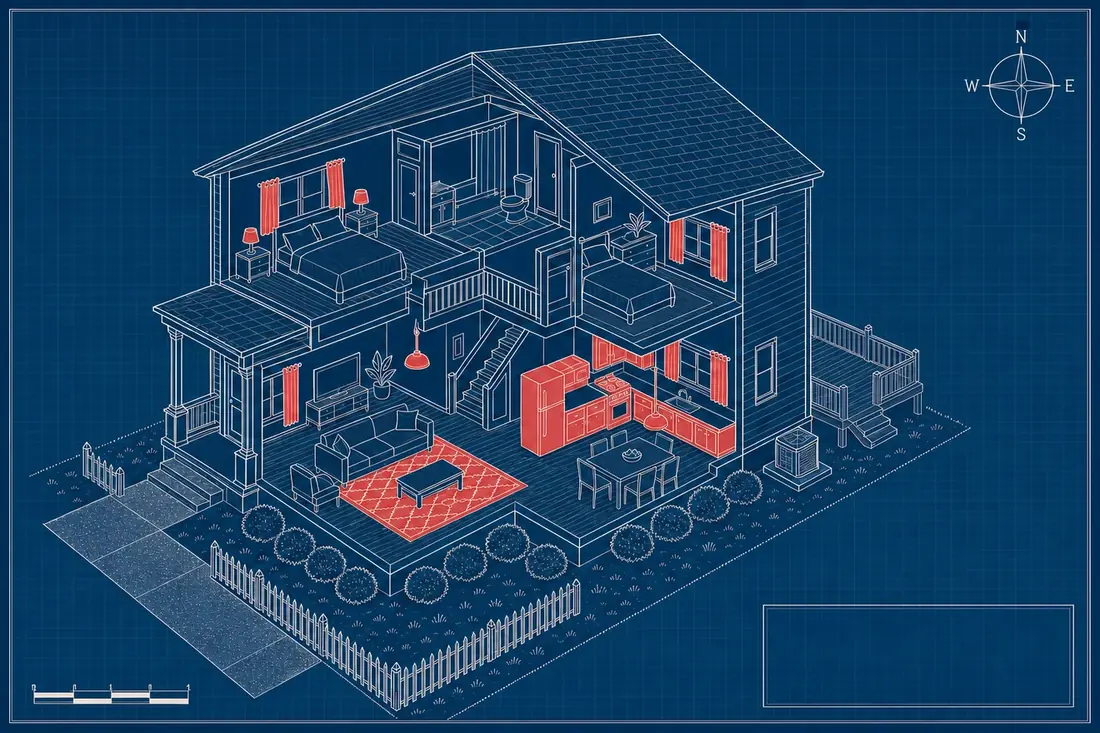
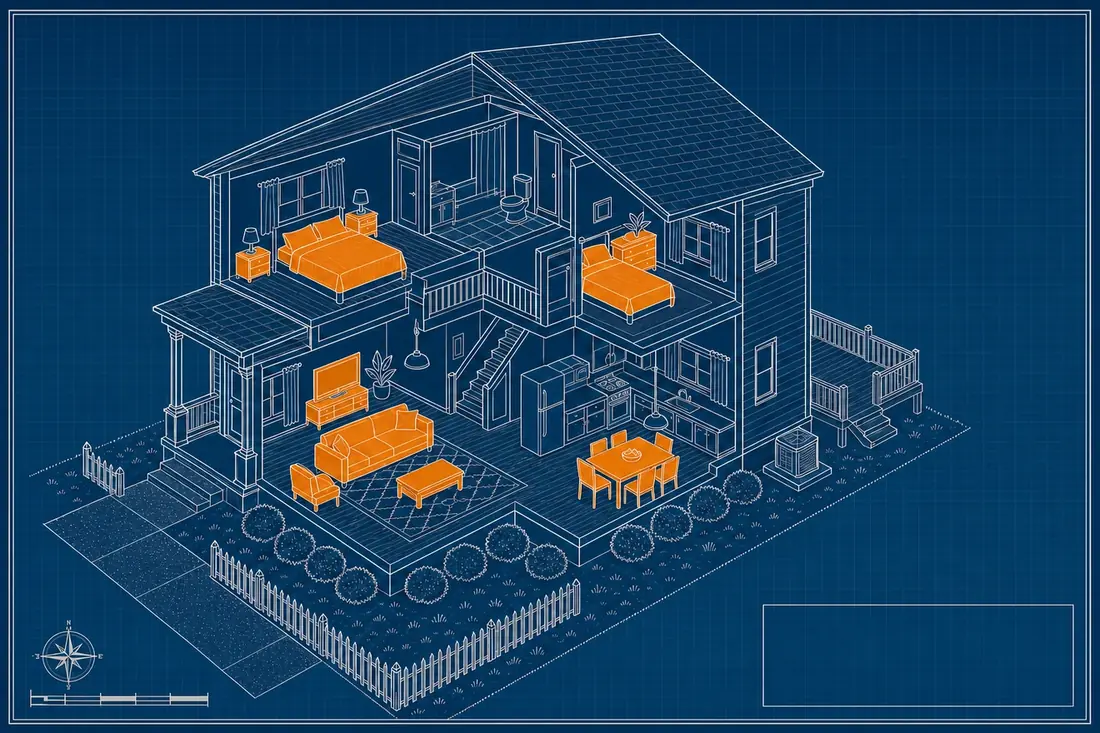
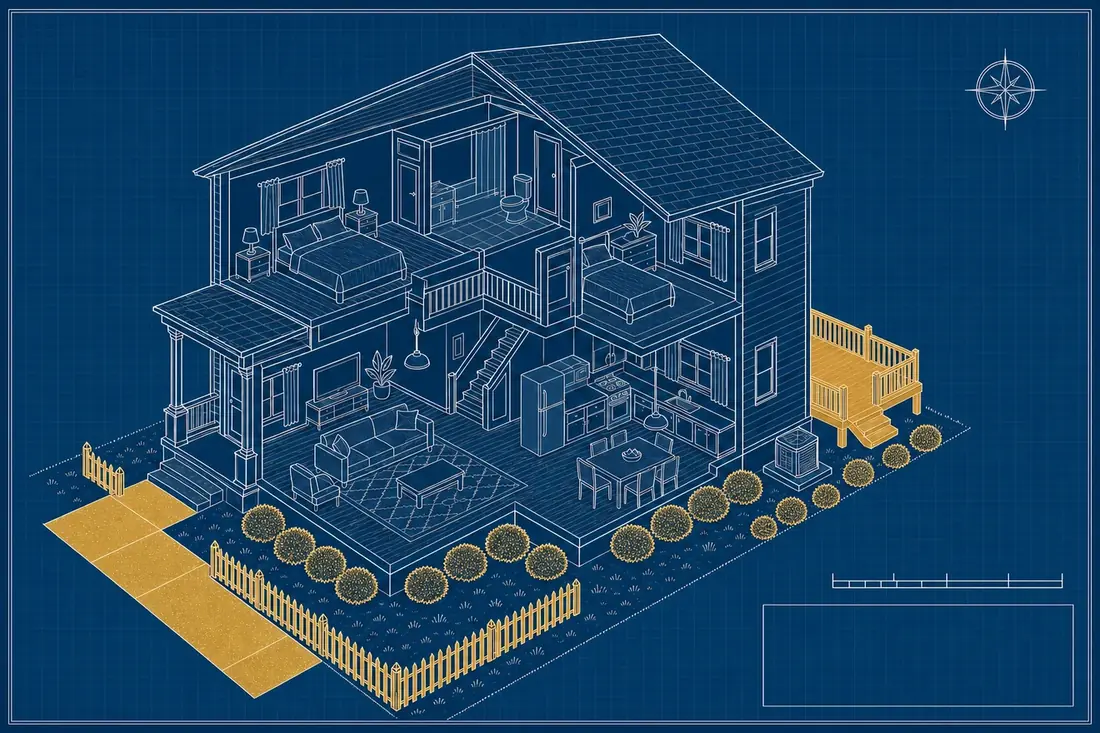
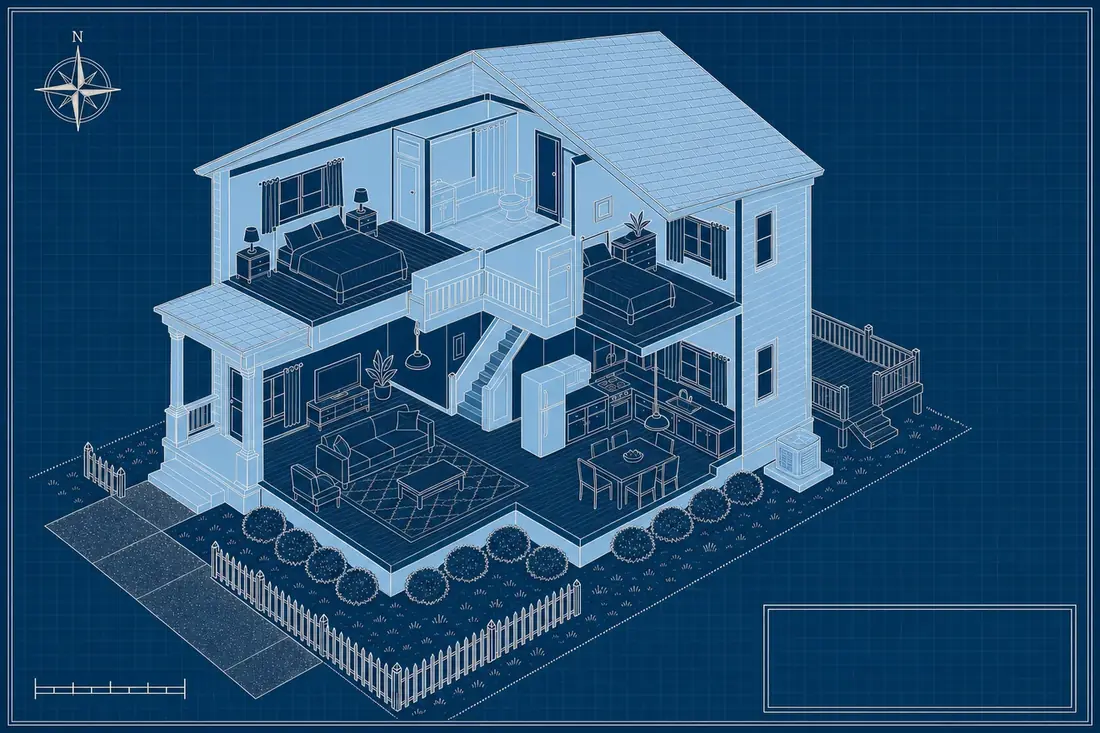
5-Year: carpet and flooring, cabinets, appliances, light fixtures, curtains 7-Year: furniture 15-Year: driveway, fencing, landscaping, deck 27.5/39-Year Shell: roof, load-bearing walls, foundation, central HVAC Get your free Preliminary Benefit Estimate See the classifications these publications describe applied to your own building with a free Preliminary Benefit Estimate. Request Your Free Estimate »Publication 946: How To Depreciate PropertyPublication 946 is the IRS's general manual for depreciation math. It covers the Modified Accelerated Cost Recovery System, or MACRS, meaning the system current tax law uses to spread a business asset's cost over a set recovery period instead of deducting the full cost the year it is placed in service. Pub 946 lays out the two versions of MACRS: the General Depreciation System, which most owners use, and the Alternative Depreciation System, required in specific situations. The publication also sets the conventions that decide how much of the first year actually counts (the mid-month, mid-quarter, and half-year rules), the percentage tables used to run the math year by year, the section 179 expense election, the special depreciation allowance commonly called bonus depreciation, and the extra recordkeeping rules for listed property, meaning assets like vehicles where personal use is common. It also prints the percentage tables themselves, one table per recovery period and convention, so a preparer or tax software looks up the right table and multiplies by basis rather than recalculating declining-balance depreciation by hand every year. One of those conventions catches owners off guard more than the others: if more than 40% of a year's total personal-property basis lands in service during the fourth quarter, the mid-quarter convention overrides the half-year default for every asset placed in service that year, not just the fourth-quarter ones. Five-year property's year-one table percentage drops from 20.00% under half-year to as little as 5.00% under mid-quarter. A full walkthrough of Publication 946, section by section, is on its own page. What Pub 946 does not do is tell an owner which parts of a specific building belong in which recovery-period bucket. Deciding whether a run of cabinetry, a parking lot, or a decorative light fixture is 5-year, 15-year, or part of the 39-year structure is exactly the work a cost segregation study performs, using the class lives Pub 946 defines as its answer key. For a short-term rental specifically, whether that structure lands in the 27.5-year or 39-year bucket turns on a separate test, covered in is short-term rental depreciation 27.5 or 39 years. Publication 551: Basis of AssetsPublication 551, Basis of Assets, answers the question every depreciation schedule depends on: what number do you start with? Basis is generally a property's cost, adjusted for certain settlement fees and capital improvements, with land value carved out first since land itself never depreciates. The publication also covers adjusted basis, meaning the original number after additions like improvements and subtractions like prior depreciation, and basis other than cost, meaning the rules that apply when a property was received as a gift, inherited, or acquired through an exchange rather than bought outright. It also covers allocating basis among multiple assets purchased together for one price, the same problem a building purchase presents when a single closing price has to be split between land and the structure sitting on it: relative fair market values are the starting point when a purchase agreement does not already break the price out. Publication 551 gets its own full breakdown here, including how the land-and-building split works in practice. A cost segregation study depends on this number directly. The study never reclassifies land, and it never reclassifies more basis than the building actually has. Publication 551 is where that starting basis, and the land-versus-improvement split underneath it, comes from. Publication 544: Sales and Other Dispositions of AssetsPublication 544 covers what happens when property changes hands: a sale, an exchange, a casualty, or an abandonment. It explains how gain or loss is calculated and, critically for a previously segregated building, how that gain is characterized once it is figured. Before recapture even enters the picture, the publication sorts the disposition into ordinary or capital treatment; a commercial building and its components generally fall under section 1231, where gains typically get capital-gain treatment and losses typically get ordinary treatment, subject to the recapture rules below. Two characterizations matter most for a property that has been through a cost segregation study. Section 1245 property, generally the 5- and 7-year personal property a study identifies, has depreciation recaptured at ordinary income rates when it is sold at a gain. Section 1250 property, the real property depreciated on a straight-line schedule, produces unrecaptured section 1250 gain instead, taxed at a rate up to 25%. Publication 544 also walks through the reporting mechanics, including Form 4797, the form used to report a sale or disposition of business property. The mechanics of that recapture math are covered in more depth here, and Publication 544 has its own explainer at this page. Publication 544 also covers like-kind exchanges under section 1031, the mechanism that can defer both kinds of recapture, including on a property carrying a prior cost segregation study, when the replacement-property rules are met. It is the publication an owner's CPA turns to at the other end of ownership, the sale, the way Pub 946 governs the years in between. The 60-Second Qualifier Four questions. Our engineering team's model shows the estimated first-year acceleration a study of your property would target, free, before you commit to anything. Take the Qualifier »Publication 5653: The Cost Segregation Audit Techniques GuideThe Cost Segregation Audit Techniques Guide, Publication 5653, is different from the other three. It was not written to tell a taxpayer how to fill out a form. It was written to tell an IRS examiner what a properly built cost segregation study looks like, so the guide doubles as the field's own quality standard. The ATG followed the IRS's loss in Hospital Corporation of America v. Commissioner (109 T.C. 21, 1997), a case about reclassifying a building's components for depreciation. Rather than keep litigating the same question, the IRS published its own playbook describing how a proper study identifies, documents, and supports its component classifications. Among the elements the guide looks for in a quality study:
A study that follows the ATG's own standards is following the IRS's own instructions, not working around them. The full page on the ATG walks through what a quality study needs to include under the guide's own standards. Our engineering team builds every report to that standard; the methodology page shows how that happens end to end. How a Cost Segregation Study Uses All Four at OnceA single engineered study moves through all four documents in order. Publication 551 sets the starting basis and splits land from the building. Publication 946's class lives and conventions are what a study's component classification maps onto once the engineering work identifies what belongs in each bucket. Publication 5653 is the standard the study itself is built to meet, from the documentation to the photo or site-based inspection to the final report. Publication 544 is what governs the building's basis and any recaptured depreciation years later, at sale. The same four-document chain runs on a $1,295 single-family rental study as much as a $9,900 commercial one; only the scale changes. On a delivered study in Montgomery County, Pennsylvania, a $1,040,000 depreciable basis (Publication 551's number) had $160,242 of it, 15.4%, reclassified into faster schedules (Publication 946's buckets), producing an estimated $174,905 in first-year depreciation. 33.4:1deductions to fee, office/warehouse benchmark run 66.6:1deductions to fee, restaurant benchmark run 16-21%of basis, typical commercial first-year deductions Those numbers come from a delivered study and benchmark runs, not a rate card. Every study is custom-priced to the specific building, and the free Preliminary Benefit Estimate at the qualifier models a specific property's likely number before any commitment, working from the same publications above. Which One to Start With, Based on What You're DecidingAn owner about to close on a building starts with Publication 551, since the purchase price has to be split into land and building basis before anything else can happen. An owner who already has that basis number and wants to understand how a study's classifications translate into an actual deduction schedule is really asking a Publication 946 question: which recovery period, which convention, which table. An owner comparing cost segregation providers, trying to tell a rigorous study from a thin one, is really asking an ATG question: does this report include the methodology, documentation, and cost reconciliation the IRS's own examiners look for. An owner planning a sale, or already fielding an offer, is asking a Publication 544 question: what does the accelerated basis this study created mean for the gain calculation and its recapture treatment at closing. An owner who already owns the building and never had a study done is asking a slightly different Publication 946 question: how does a look-back, meaning a study done years after the building was placed in service, catch up the depreciation that was never taken. That catch-up runs through Form 3115 and a section 481(a) adjustment rather than amended returns, layering on top of the same MACRS mechanics Publication 946 already defines. What None of These Publications DecideAll four documents describe rules and tests. None of them decide how those tests apply to one specific owner's return. Publication 946 explains MACRS; it does not classify a specific building's components. Publication 551 defines basis; it does not compute one owner's number. Publication 544 explains recapture; it does not calculate what a specific sale will owe. And the ATG sets a quality standard for studies; it does not perform one. These publications describe how the rules work. How they apply to a specific return is a question for the owner's own CPA, working from that property's actual facts. That gap, between the general rule and the specific building, is what a cost segregation study exists to close, and what our engineering team does with every report: apply the publications above to one property's actual construction, basis, and finish level, aligned to the ATG's own standards. Every guide in this seriesFrequently asked questionsWhat is IRS Publication 946? Publication 946, How To Depreciate Property, is the IRS's general guide to depreciation mechanics: the Modified Accelerated Cost Recovery System (MACRS), the conventions that decide the first year's deduction, the percentage tables, section 179, bonus depreciation, and listed property. It explains how depreciation is calculated, not which components inside a specific building belong in which class. Where do I find IRS basis rules for real estate? Publication 551, Basis of Assets, covers cost basis, adjusted basis, and the rules for basis other than cost, including gifts, inheritance, and involuntary conversions. It is the publication behind the number a depreciation schedule, including a cost segregation study, starts from. Does the IRS have a publication specifically about cost segregation? Yes. The Cost Segregation Audit Techniques Guide, Publication 5653, is the IRS's own examiner playbook for reviewing cost segregation studies. It was written for examiners rather than taxpayers, but it also sets the field's quality standard, describing what a properly documented study includes. What is the difference between Publication 946 and Publication 551? Publication 551 sets the starting number, an asset's basis. Publication 946 explains what happens to that number afterward: how it is spread across a recovery period using MACRS, conventions, and depreciation tables. Basis comes first; Publication 946's mechanics run on top of it. Which IRS publication covers what happens when a rental property sells? Publication 544, Sales and Other Dispositions of Assets, covers gain and loss on a sale, including how depreciation recapture is characterized under sections 1245 and 1250. It also covers like-kind exchanges under section 1031, which can defer that recapture when the replacement-property rules are met. Do I need to read all four publications myself? Not to get value from a cost segregation study. The publications explain the rules the study already applies: basis from Publication 551, depreciation mechanics from Publication 946, the ATG's own quality standard, and disposition rules from Publication 544 for later, at sale. An owner's CPA is the one applying them to a specific return. Keep readingGet your free Preliminary Benefit Estimate Send the address or the listing link. We model the number first; you decide with it in hand. Request Your Free Estimate »Educational information, not tax advice. This page describes how federal
depreciation rules and tests work in general. Whether any rule fits your facts is a determination for
you and your CPA. Our study gives your CPA the engineering and the numbers to make that call.
|