|
Cost Segregation for Commercial & Short-Term Rental Owners
|
Request a free estimate [email protected] |
Advanced
FREE Estimate Is there a first-year deduction sitting in your building? No cost, no obligation. Request Yours »Minimum ROIOur study identifies at least 20x its fee in first-year deductions on commercial property, or at least 30x on a short-term rental, or it is free. |
What Are the Advanced Real Estate Tax Strategies Built Around Cost Segregation?Quick answer A cost segregation study is a timing engine: it moves deductions that would otherwise trickle out over decades into year one, by reclassifying specific building components into faster depreciation schedules. Advanced strategy is not a different kind of study. It is the set of decisions, entity structure, financing timing, cross-border or opportunity-zone context, and the kind of income an owner needs offset, that determine where that timing lands and who can actually use it. See this applied to your building. A few questions, 30 seconds. You see which tests matter and the first-year deduction range a study would look for. No email to see the range. Run the 30-second check »Key takeaways
Steven's Take Advanced strategy is not a different kind of study, and I built this page to say that directly instead of dressing up the same engineering in bigger words. What actually changes is entity structure, financing timing, and the kind of income an owner needs offset, decisions that sit around the study, not inside it. Get the number first. Layer the structure on top of a real number, not a projected one. Steven Ellis, Founder A Cost Segregation Study Is a Timing EngineA cost segregation study, an engineering-based analysis that identifies which parts of a building qualify for a faster depreciation schedule, does not create a new deduction. It moves deductions that would otherwise trickle out over 39 years for commercial property or 27.5 years for residential rental property into the first year, by reclassifying specific components, carpet, cabinetry, decorative lighting, and certain electrical or plumbing serving specific equipment, into 5- and 7-year buckets, and site work like paving, fencing, and landscaping into a 15-year bucket. Those faster buckets are bonus-depreciation-eligible under section 168(k), 100% for qualified property acquired after January 19, 2025 under the 2025 OBBBA law. The structural shell, everything else, stays on its original schedule. The mechanics never change. What changes is where the timing lands. "Advanced" cost segregation strategy is not a different kind of study. It is the set of decisions that determine where that timing lands: which entity holds the deduction, how the property is financed, whether it sits inside a cross-border structure or an opportunity zone, and what kind of income, passive or active, the owner needs the deduction to offset. Each of those questions is answered by rules outside the study itself, in section 469's passive activity framework, in FIRPTA, in the opportunity zone statute, in the mechanics of a 1031 exchange. The study supplies the number. These rules decide what an owner can do with it. That framing holds regardless of how the property was acquired; cost segregation applies to purchases, new construction, and renovations alike, with land value excluded first every time, since only the building and its improvements depreciate. 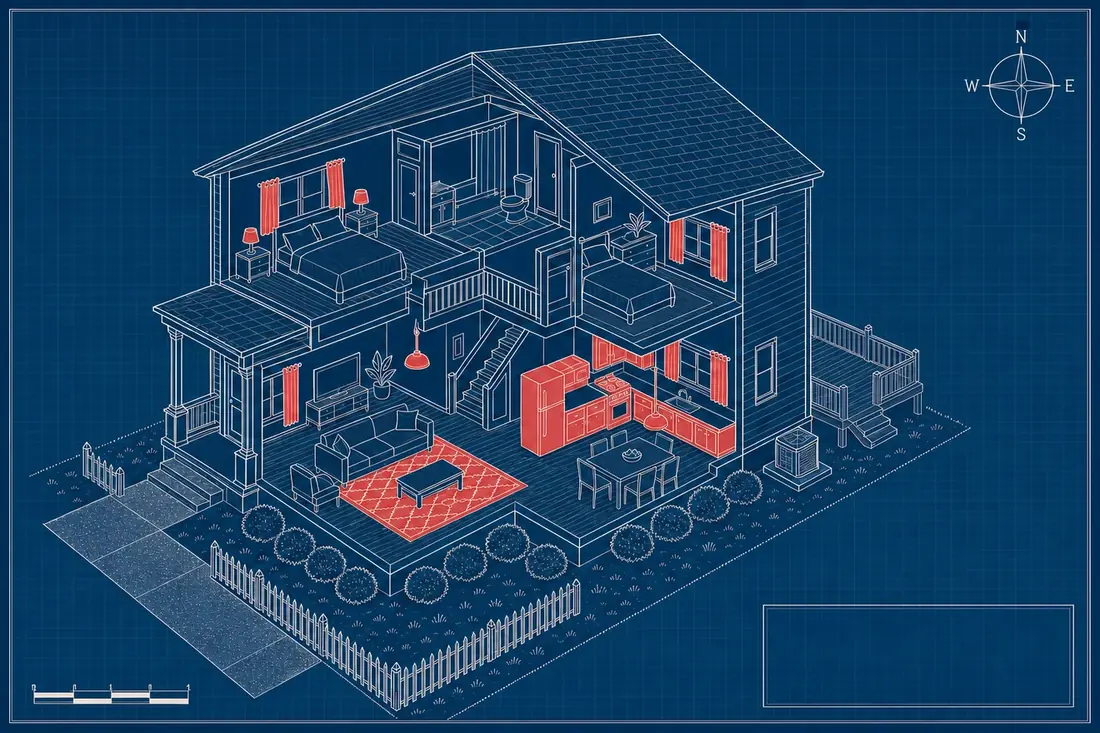
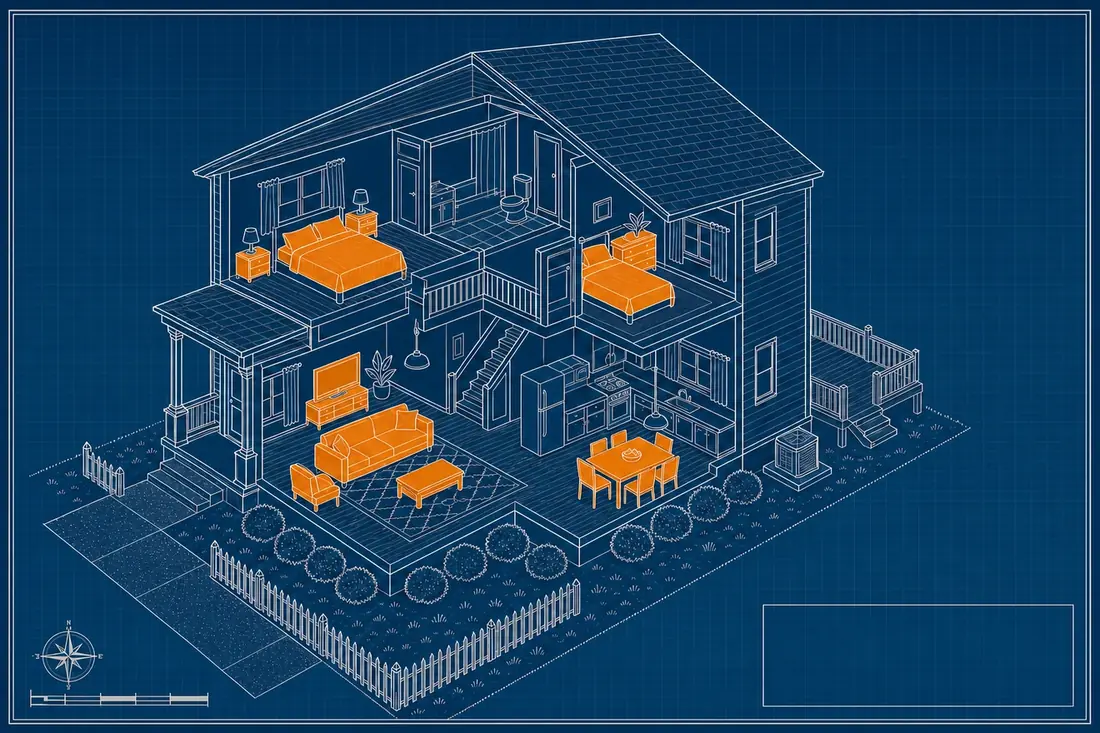
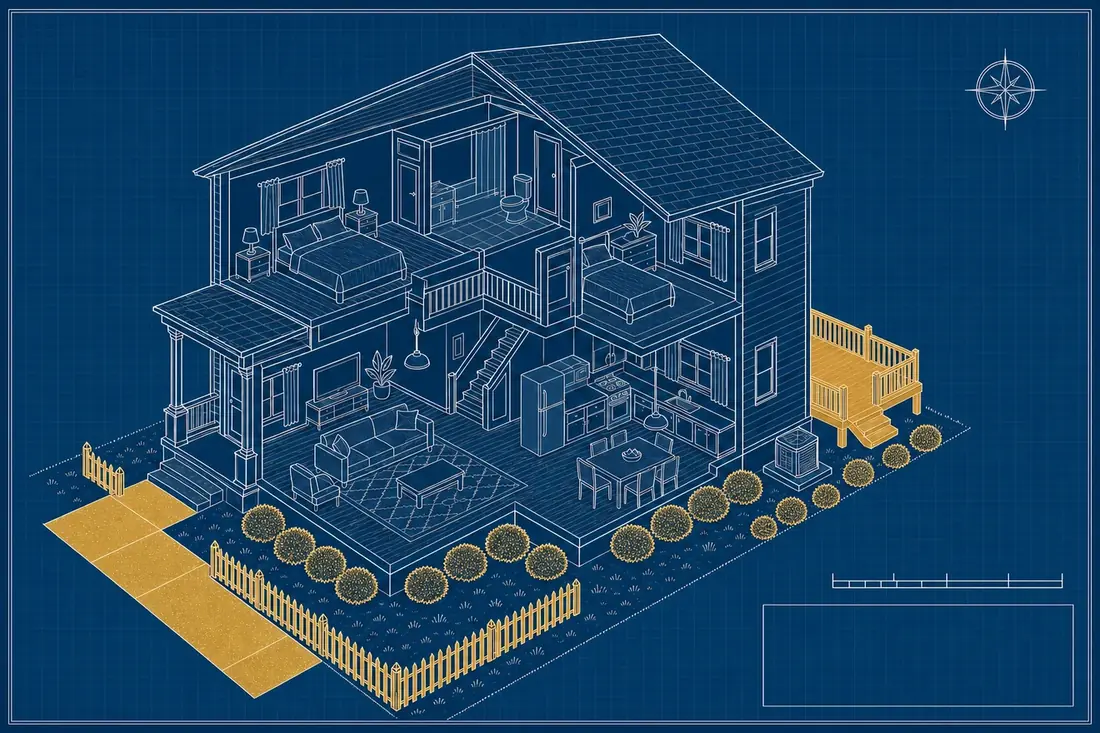
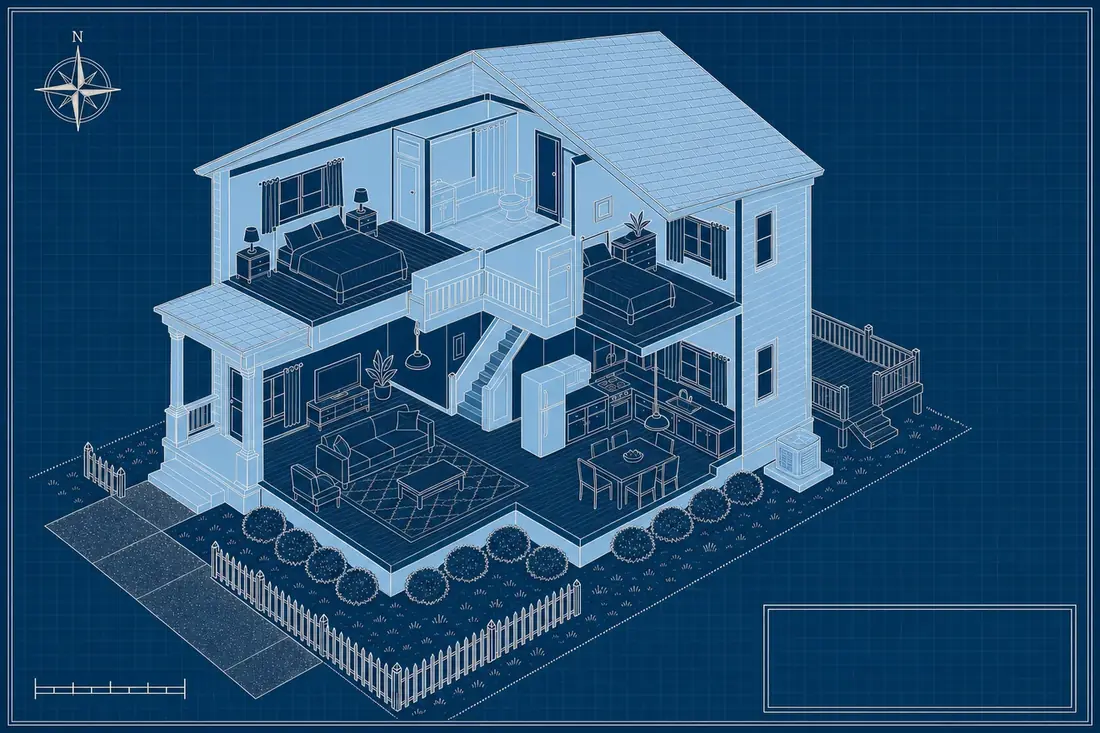
5-Year: carpet and flooring, cabinets, appliances, light fixtures, curtains 7-Year: furniture 15-Year: driveway, fencing, landscaping, deck 27.5/39-Year Shell: roof, load-bearing walls, foundation, central HVAC Get your free Preliminary Benefit Estimate See the number your own property's mechanics would produce, before layering in any of these structures, with the free 60-second estimate at /qualify. Request Your Free Estimate »Entity Structure Decides Who Can Use the DeductionA cost segregation study run on property held in a partnership or multi-member LLC produces one number, allocated to every partner by K-1. What each partner can do with their share depends on section 469's passive activity rules, and entity structure is often the whole story. A limited partner's interest in a syndication is passive almost by definition, so an allocated loss offsets only passive income and suspends without it. A general partner who materially participates in operating the property can potentially treat that same allocation as non-passive. See how LP and GP treatment diverges on the same study for the full mechanics. Single-owner property held directly, or in a single-member LLC, skips the K-1 allocation question but still runs into section 469. An owner who does not qualify as a real estate professional, 750-plus hours and more than half of working time in real property trades, plus material participation, and who does not meet the short-term rental exception, generally cannot use a rental loss against wages or other active income in the current year; it suspends and carries forward instead, released when the activity is disposed of in a full taxable sale. Structuring who holds a property, and whether that owner can clear a material participation test, is often decided well before a study is ever commissioned. Whichever structure is chosen, our engineering team takes technical questions directly from the owner's own CPA on methodology and classifications; the CPA still prepares and files the return, a coordination that matters more once entity structure, financing, and cross-border questions all sit on top of the same numbers. Financing and Refinance Timing Around the StudyThere is no loan product attached to a cost segregation study; "financing" a study is really a question of when the fee is paid relative to when the deduction lands. A free Preliminary Benefit Estimate models the likely first-year deduction before any fee changes hands, and the guarantee, at least 20 times the fee in first-year deductions on commercial property or 30 times on a short-term rental, or the study is free, sets the floor before an owner commits. Two tiers exist for the underlying study itself, a full engineered study and a budget engineered study, both delivering a 70-page report aligned to the IRS Audit Techniques Guide, and which tier fits often ties back to this same timing question, sizing the fee against the deduction the property is likely to produce. See the full timing relationship between fee and deduction for the worked example. A cash-out refinance is a separate event from the study and does not touch the property's depreciable basis; refinance proceeds are loan proceeds, not income, and the interest on the cash-out portion is deductible according to the interest tracing rules, meaning what the dollars are used for, not what secures the loan. Refinance years are also when many owners look harder at a property's depreciation for the first time, which is why a look-back study, run any year an owner has held the property, often surfaces in the same conversation. See how a refinance and a look-back study interact. Cross-Border and Opportunity Zone StructuresA foreign owner's cost segregation deduction only reduces US tax when rental income is taxed on a net basis, through the effectively connected income election under sections 871(d) or 882. Without that election, a flat 30% withholding applies to gross rent, and depreciation does not touch that withholding. On a sale, FIRPTA treats the gain as effectively connected income, subject to the same recapture rules as any other owner. See how the ECI election changes what a study can do for a foreign investor. Property held inside a Qualified Opportunity Fund adds a different set of timing rules on top of the same reclassification mechanics: the 30-month substantial improvement test for property that was not newly constructed, and the 10-year holding period that can exclude gain, including recapture, on a sale of the fund interest itself. A cost segregation study classifies what gets built; it does not replace either rule. Commercial studies typically take 4 to 6 weeks during tax season, 2 to 3 weeks in January and February, and a cross-border or opportunity zone deal often carries its own closing or improvement-window deadline, so sequencing the study's turnaround against those dates is part of planning the structure, not an afterthought. See where the study and the opportunity zone clock intersect. The 60-Second Qualifier Four questions. Our engineering team's model shows the estimated first-year acceleration a study of your property would target, free, before you commit to anything. Take the Qualifier »The High-Income Professional AngleA W-2 professional, a physician or dentist is the common example, usually cannot clear the real estate professional test: 750-plus hours and more than half of working time in real property trades, a bar that is functionally out of reach for someone working full time in another field. The short-term rental exception offers a separate path. Under Reg. 1.469-1T(e)(3)(ii), a property whose average guest stay is 7 days or less is not a "rental activity" for section 469 purposes at all, which means the real estate professional test never has to apply to it in the first place. The owner still needs material participation, most commonly 500-plus hours, substantially all the participation in the activity, or 100-plus hours combined with more participation than any other individual, including cleaners, co-hosts, and property managers, which is why a full-service property manager often breaks that last test. That combination, a short-term rental that clears the average-stay test paired with an owner who clears material participation, is where a cost segregation study's first-year deduction can potentially reach a W-2 earner's other income rather than sitting suspended as a passive loss. See the physician-specific version of this strategy and the broader doctor and dentist framework for how the hours tests play out in practice. Residential and short-term rental studies also move faster than commercial ones, normally 1 to 2 weeks, 2 to 3 during tax season, since the photos-only process needs no site visit and no owner homework; rush options at flat published upcharges, same-week delivery for $250 and delivery within one business day of signing, payment and documents for $995, exist for a professional trying to close a look-back study before a specific filing date. Look-Back Studies Versus a Real 1031 ExchangeA look-back study, a study run on a property an owner has already held for years, is claimed through Form 3115 with a section 481(a) catch-up deduction in the current year; no amended returns, and no relationship to a sale at all. A 1031 exchange is a different mechanism entirely, a sale-and-purchase structure under section 1031 that defers gain, including depreciation recapture, into the replacement property's basis when the replacement rules are met. The two questions below separate what each one actually does.
The two are not competitors. A study can run on a property before, after, or independent of any exchange, and a 1031 exchange can defer gain and recapture on a property that already went through a prior cost segregation study, when the replacement rules are met. Owners who sell without doing a 1031, then look to a study on the replacement purchase to offset that year's gain instead of deferring it, are using a different mechanism sometimes called a "poor man's 1031." See how that approach compares to a real exchange, including where the real exchange wins outright. Sequencing an Advanced PlanNone of these levers work in isolation, and the order matters. Entity structure is usually set at purchase, or renegotiated before a sale, not adjusted after a study is already in hand. Financing and refinance timing shape when a look-back study makes sense. Cross-border or opportunity zone rules constrain when a study can run at all, since the 30-month substantial improvement window and the FIRPTA withholding rules do not move to accommodate a study's timing. And whether a W-2 professional can use the deduction currently depends on tests, average stay, material participation, that have nothing to do with the building itself. 20xcommercial guarantee floor 30xSTR guarantee floor 100%bonus depreciation, post-1/19/25 property A free Preliminary Benefit Estimate at /qualify models the likely first-year number for a specific property in about 60 seconds, before any of these structural questions need an answer. What the estimate cannot do is tell an owner which entity, financing, or holding structure fits their situation; that sequencing is a conversation with a CPA, informed by the number the mechanics actually produce. Every structure above sits on top of the same report, and our engineering team backs that report with full audit defense: if an examiner questions the study, the engineers who built it answer the technical questions in writing through the owner's own CPA, who continues to represent the client. Whether a given entity structure, financing approach, or timing sequence fits a specific owner's facts is a question for that owner's CPA. What this page and the studies referenced above describe is how the mechanics work, not any individual owner's outcome.
Every guide in this series
Frequently asked questionsDoes a cost segregation study work differently depending on the entity that owns the property? Yes, in what an owner can do with the deduction. A study produces one number regardless of entity, but how that deduction can be used depends on section 469: a limited partner's share is passive almost by definition, while a general partner who materially participates can potentially use the same allocation as non-passive. Can a cost segregation study be combined with a 1031 exchange? Yes. A study can run on a property before, after, or independent of a 1031 exchange, and the exchange still defers gain and recapture, including on a property with a prior study, when the replacement property rules are met. Does a cost segregation study help with FIRPTA withholding for a foreign investor? Only if the owner has made the effectively connected income election under sections 871(d) or 882. Without that election, a flat 30% withholding applies to gross rent and depreciation has no effect on that withholding. Can a high-income W-2 professional use cost segregation losses against salary income? Potentially, if the property clears the short-term rental exception, an average guest stay of 7 days or less, and the owner clears a material participation test, most commonly 500-plus hours or 100-plus hours combined with more participation than any other individual. Without both, the loss is generally passive and suspends. Does an opportunity zone investment eliminate the need for a cost segregation study? No, they solve different problems. A cost segregation study classifies what gets built and accelerates its depreciation; the opportunity zone's 10-year exclusion protects gain on a sale of the fund interest itself. Both mechanisms can apply to the same property. Keep readingGet your free Preliminary Benefit Estimate Send the address or the listing link. We model the number first; you decide with it in hand. Request Your Free Estimate »Educational information, not tax advice. This page describes how federal
depreciation rules and tests work in general. Whether any rule fits your facts is a determination for
you and your CPA. Our study gives your CPA the engineering and the numbers to make that call.
|