|
Cost Segregation for Commercial & Short-Term Rental Owners
|
Request a free estimate [email protected] |
Advanced
FREE Estimate Is there a first-year deduction sitting in your building? No cost, no obligation. Request Yours »Minimum ROIOur study identifies at least 20x its fee in first-year deductions on commercial property, or at least 30x on a short-term rental, or it is free. |
Does a Cash-Out Refinance Affect Cost Segregation or Taxes?Quick answer Cash-out refinance proceeds are loan proceeds, not income, and they do not change a property's depreciable basis or reset its depreciation schedule. What the refinance does affect is interest deductibility: under the interest tracing rules, the interest on the cash-out portion is deductible according to how those specific dollars are used, not according to what secures the loan. A refinance year is often when owners look harder at depreciation, which is where a look-back cost segregation study fits in. See this applied to your building. A few questions, 30 seconds. You see which tests matter and the first-year deduction range a study would look for. No email to see the range. Run the 30-second check »Key takeaways
Refinance Proceeds Are Not Income, and Not New BasisA cash-out refinance replaces an existing loan with a larger one secured by the same property, and the difference comes to the owner as cash. That cash is loan proceeds, borrowed money the owner has agreed to repay, not income, so there is no taxable event on the refinance itself. It also does not add to the property's depreciable basis. Basis reflects what was actually spent to acquire and improve the building; a loan against the building's equity is not a purchase or an improvement, it is debt. This surprises some owners who assume pulling a large number out of a property must show up on a return somewhere. It generally does not, at least not from the refinance transaction itself. What can show up on a return is the interest on the new, larger loan, and that is where the real complexity starts. A rising appraisal is usually what makes a cash-out refinance possible in the first place, and it is easy to conflate that new, higher appraised value with a new depreciable basis. They are unrelated numbers. Depreciation runs off historical cost, what the owner actually paid plus what was actually spent on improvements, not off what an appraiser says the property is worth today. A property that has appreciated well past its original purchase price still depreciates off that original cost basis, refinance or not. 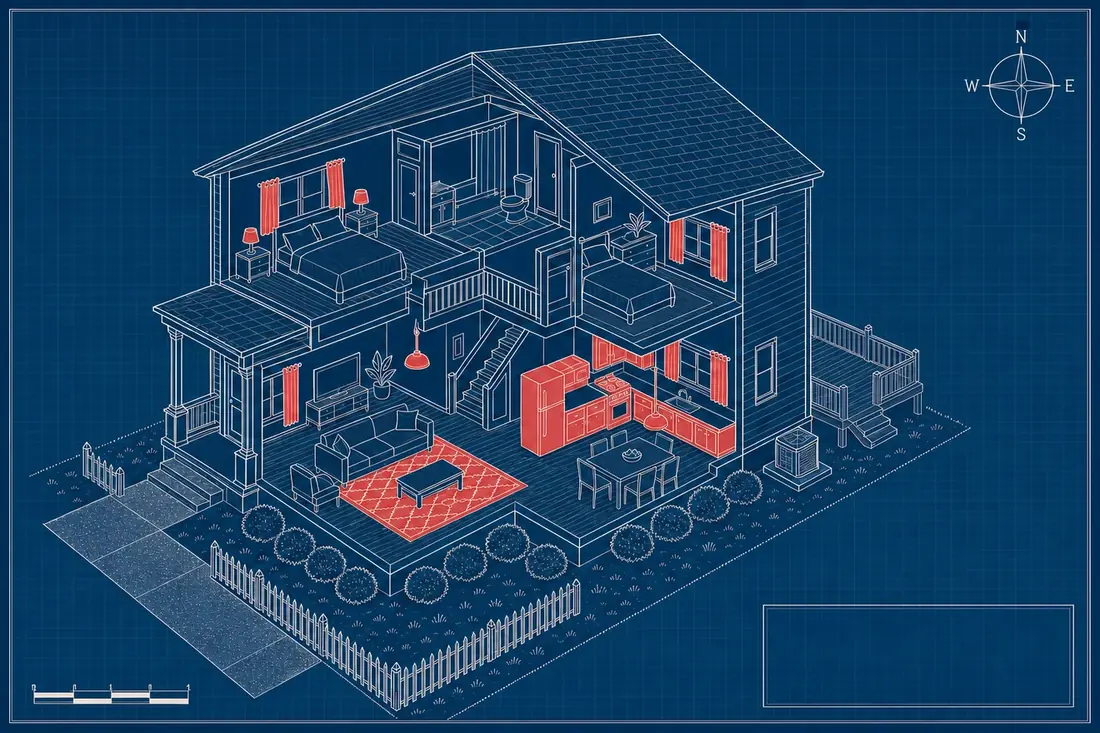
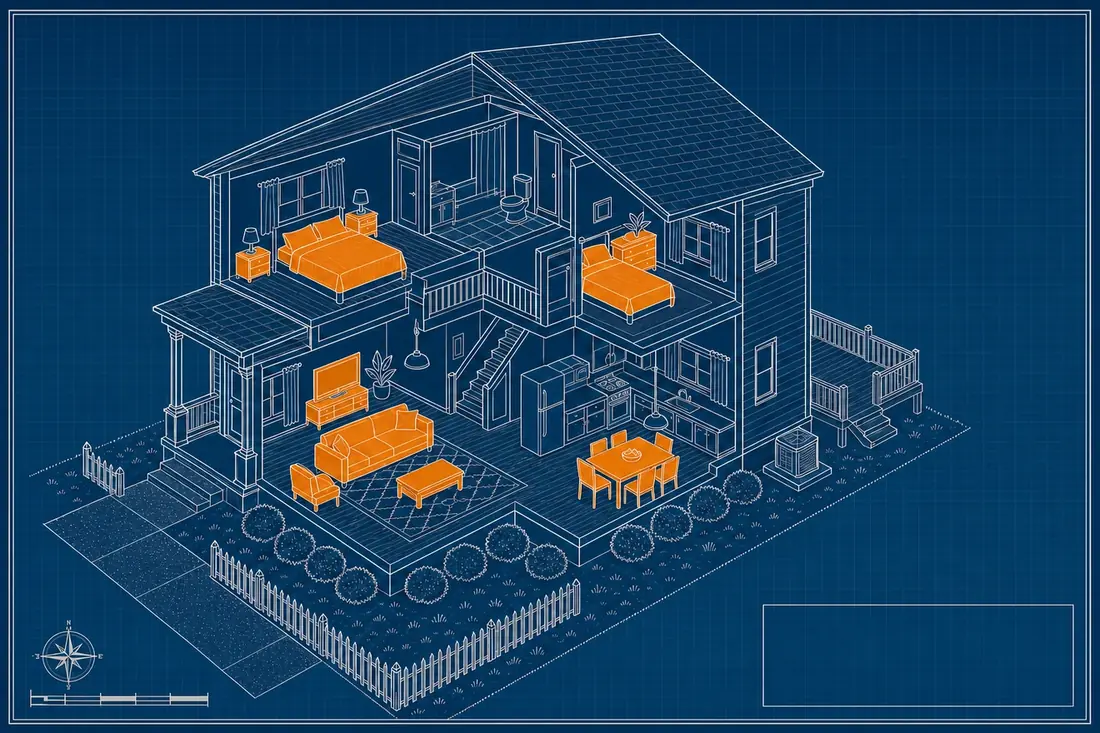
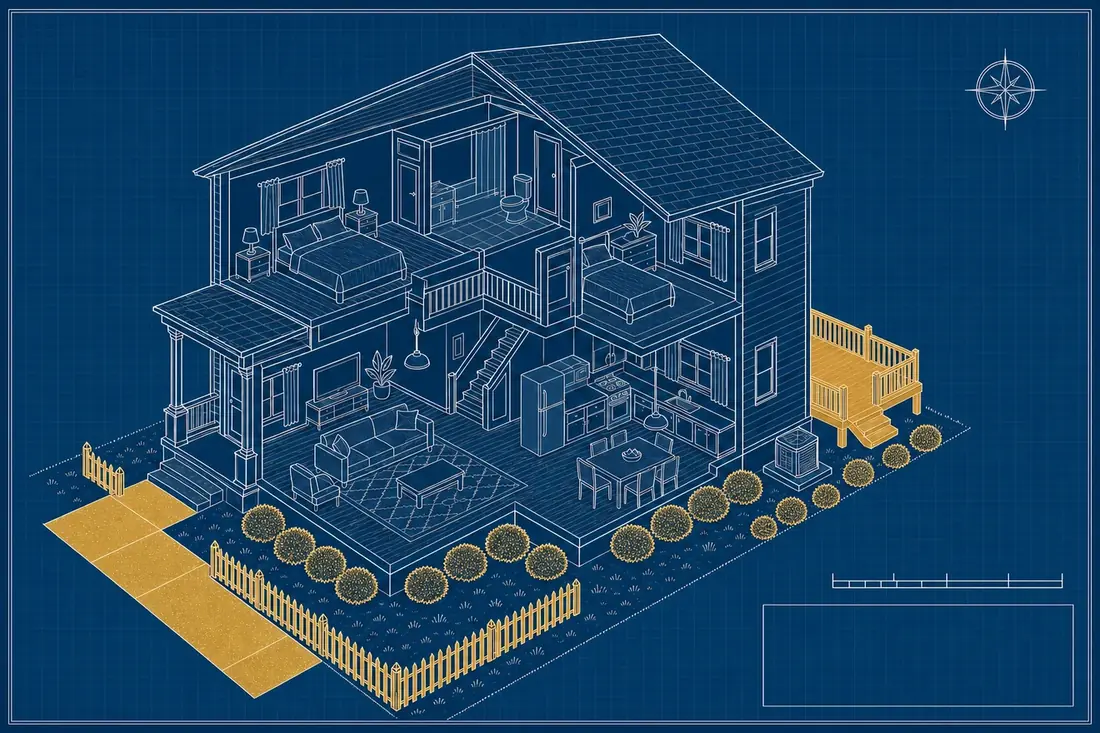
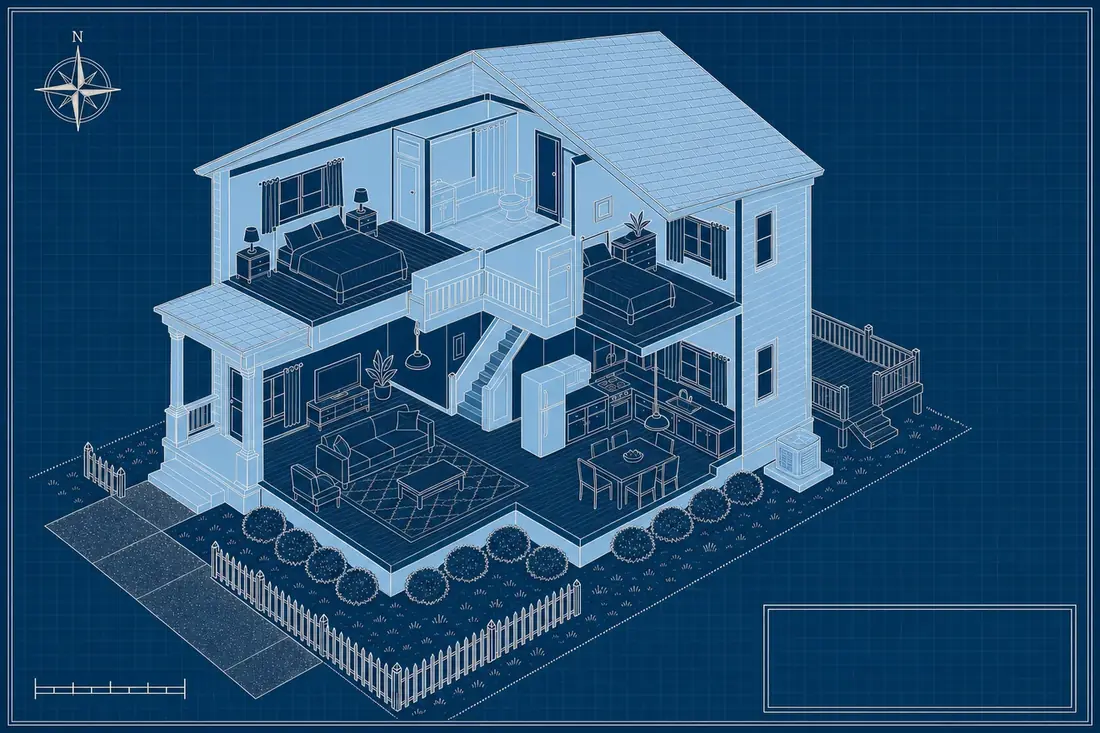
5-Year: carpet and flooring, cabinets, appliances, light fixtures, curtains 7-Year: furniture 15-Year: driveway, fencing, landscaping, deck 27.5/39-Year Shell: roof, load-bearing walls, foundation, central HVAC Get your free Preliminary Benefit Estimate Model the likely first-year number on either property, refinanced or newly purchased, free, at /qualify. Request Your Free Estimate »Interest Tracing: What the Loan Is Used For, Not What Secures ItInterest tracing rules, under Treas. Reg. 1.163-8T, decide how loan interest is characterized for tax purposes based on how the borrowed proceeds are actually used, not based on what property secures the loan. A cash-out refinance on a rental property does not automatically make all of the new loan's interest a rental business expense. Only the portion of the proceeds actually used for a rental or business purpose traces to that purpose. An owner who takes cash out of a rental property and reinvests it into another rental, into capital improvements on the same property, or into another business use generally has that portion of the interest follow the same use. An owner who spends the same cash on a personal purchase, personal renovations, a vehicle, tuition, traces that portion of the interest to a personal use instead, subject to the more limited rules for personal interest, regardless of the fact that a rental property secures the entire loan. Why This Comes Up in the Same Conversation as Cost SegregationA refinance forces an owner to look closely at a property's numbers: a new appraisal, a new loan-to-value calculation, a new monthly payment. That review is often the moment an owner also starts asking about depreciation, since more debt service, from the larger loan, raises the stakes on finding deductions elsewhere. A cost segregation study is a natural fit for that same-year planning conversation, though the two mechanics run independently of each other. The refinance changes the loan. The building's basis, and what a study can find inside it, stays exactly what it was the day before closing. The size of a study's deduction is sized by the property's basis, not by the loan amount, the appraised value, or how much cash came out at closing. A property refinanced for a large cash-out amount and a property refinanced for a small one, with the same purchase price and same building basis, see the identical result from a cost segregation study. The BRRRR strategy runs on exactly this separation, covered in depth on how cost segregation fits a buy, rehab, rent, refinance, repeat deal. The 60-Second Qualifier Four questions. Our engineering team's model shows the estimated first-year acceleration a study of your property would target, free, before you commit to anything. Take the Qualifier »A Look-Back Study on the Refinanced PropertyIf the property has been owned for a while and never had a study, the refinance moment is often when an owner finally asks about it. A look-back study runs the same way whether or not a refinance happened that year: it classifies the building's components as they exist today, then claims the missed depreciation from all prior years through Form 3115, described on the look-back study page, with a section 481(a) catch-up deduction in the current year. No amended returns, and no connection to the refinance transaction itself beyond the fact that both happen to be on the owner's mind in the same year. A Worked Scenario, Without Attaching It to a Specific OwnerPicture an owner who bought a warehouse years ago and never ran a study, then refinances it this year to pull out cash for a second property. Three separate things happen in that scenario, and they resolve on three separate tracks. First, the refinance itself: no income, no basis change, a new loan balance and a new monthly payment. Second, the interest on the new loan: traced to whatever the cash-out portion is actually spent on, rental use or personal use, with the tax treatment following the money rather than the collateral. Third, a look-back cost segregation study on the original warehouse, entirely optional and entirely independent of the refinance, sized off the warehouse's own basis, potentially producing a large current-year deduction through the section 481(a) catch-up regardless of what the refinance did or did not touch. None of the three steps requires the others. An owner could refinance without ever running a study, run a study without ever refinancing, or, as in this scenario, do both in the same year because a review of one naturally prompted a look at the other. Using the Refinance Proceeds on a New PropertyCash-out proceeds spent on a new property acquisition create a new, separate depreciable basis on whatever gets purchased with them, entirely apart from the refinanced property's own basis. That new property is a candidate for its own cost segregation study on its own numbers, unrelated to whatever the refinanced property's basis or depreciation history looks like. Two properties, two studies, two independent bases, even though one transaction, the refinance, is what connected them financially. A free Preliminary Benefit Estimate at /qualify models the likely first-year number on either property, the one being refinanced or the one being purchased with the proceeds, while your CPA works out the interest tracing on the loan itself. Frequently asked questionsIs cash-out refinance money taxable? No. Refinance proceeds are loan proceeds, borrowed money the owner must repay, not income, so there is no taxable event from the refinance transaction itself. What can affect a return afterward is how the interest on the new loan is characterized, based on how the cash is actually used. Does refinancing reset my depreciation schedule? No. A refinance is a financing event, not a change in ownership or basis. The property's depreciable basis and depreciation schedule continue exactly as they were before the refinance closed, regardless of the new appraised value or loan amount. Can I deduct interest on cash I took out and used for something unrelated to the rental? Generally not as a rental expense. Interest tracing rules characterize loan interest based on how the borrowed funds are actually used, not by what secures the loan. Cash used for a personal purpose traces to personal interest treatment even when a rental property secures the entire loan. Should I do a cost segregation study before or after a refinance? The study and the refinance are independent; a study can run before, after, or unrelated to a refinance, since it is sized by the property's basis, not the loan. Many owners simply use the refinance review as the moment they look into a study, not because the two are mechanically linked. If I use refinance cash to buy another rental, does that property get its own study? Yes. A property purchased with cash-out proceeds has its own separate depreciable basis, unrelated to the refinanced property's basis, and can be evaluated for its own cost segregation study on its own numbers. Keep readingGet your free Preliminary Benefit Estimate Send the address or the listing link. We model the number first; you decide with it in hand. Request Your Free Estimate »Educational information, not tax advice. This page describes how federal
depreciation rules and tests work in general. Whether any rule fits your facts is a determination for
you and your CPA. Our study gives your CPA the engineering and the numbers to make that call.
|