|
Cost Segregation for Commercial & Short-Term Rental Owners
|
Request a free estimate [email protected] |
Advanced
FREE Estimate Is there a first-year deduction sitting in your building? No cost, no obligation. Request Yours »Minimum ROIOur study identifies at least 20x its fee in first-year deductions on commercial property, or at least 30x on a short-term rental, or it is free. |
How Does Cost Segregation Work on Qualified Opportunity Zone Property?Quick answer A cost segregation study on property held inside a Qualified Opportunity Fund reclassifies the same 5-, 7-, and 15-year components it would on any building, but the timing has to work around two rules unique to opportunity zone investing: the 30-month substantial improvement requirement for property that was not newly constructed, and the 10-year holding period that can exclude gain, including recapture, on a sale of the fund interest itself. The mechanics interact; they do not replace each other. See this applied to your building. A few questions, 30 seconds. You see which tests matter and the first-year deduction range a study would look for. No email to see the range. Run the 30-second check »Key takeaways
What a Qualified Opportunity Fund Actually DefersA Qualified Opportunity Fund (QOF) is an investment vehicle, organized as a partnership or corporation, that holds a threshold share of its assets in qualifying opportunity zone property or businesses. An investor with an eligible capital gain can defer tax on that gain by investing the gain amount into a QOF within 180 days of the sale or exchange that produced it. The gain is not forgiven at that point, it is deferred, carried on the investor's return until a later triggering event. None of this changes how a building depreciates once the QOF owns it. A cost segregation study on a QOF-owned property runs the same way it would on any commercial acquisition: engineers classify what the building actually contains into 5-year, 7-year, and 15-year components, leaving the 39-year shell in place. The opportunity zone election decides what happens to the investor's original gain. It does not change what a study finds inside the building. The 2025 OBBBA law made the opportunity zone incentive permanent, with new zone designations recurring on their own schedule going forward; the acquisition, improvement, and holding-period mechanics below are what a study interacts with under any designation window. 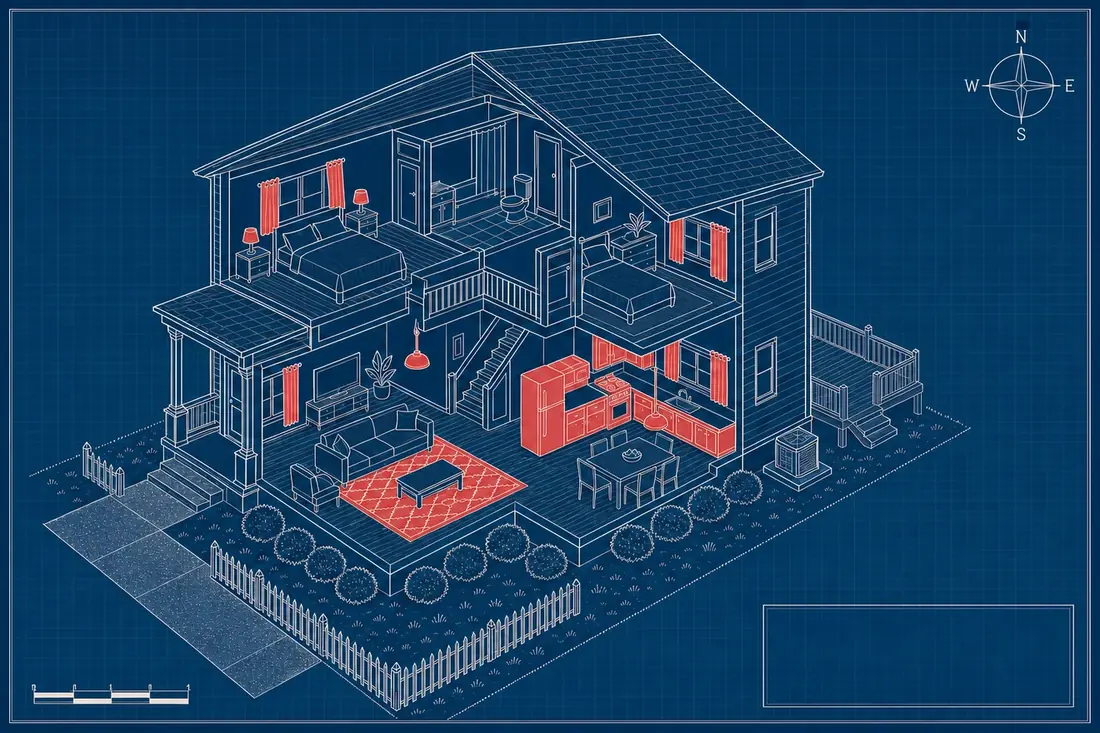
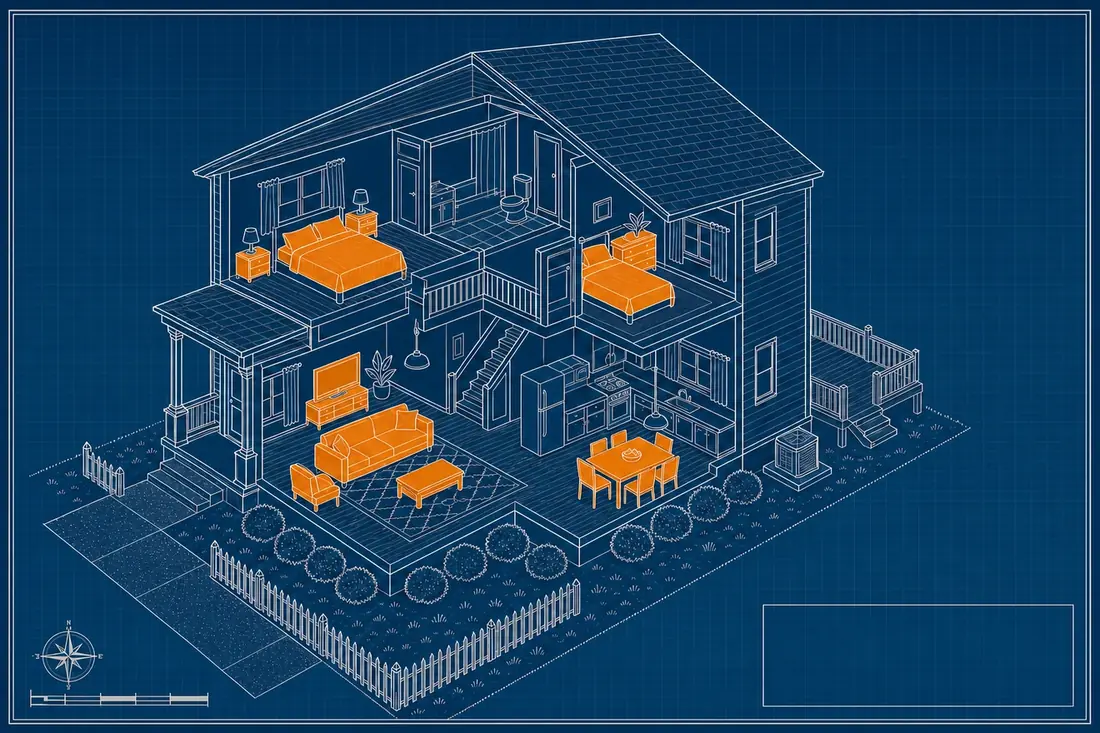
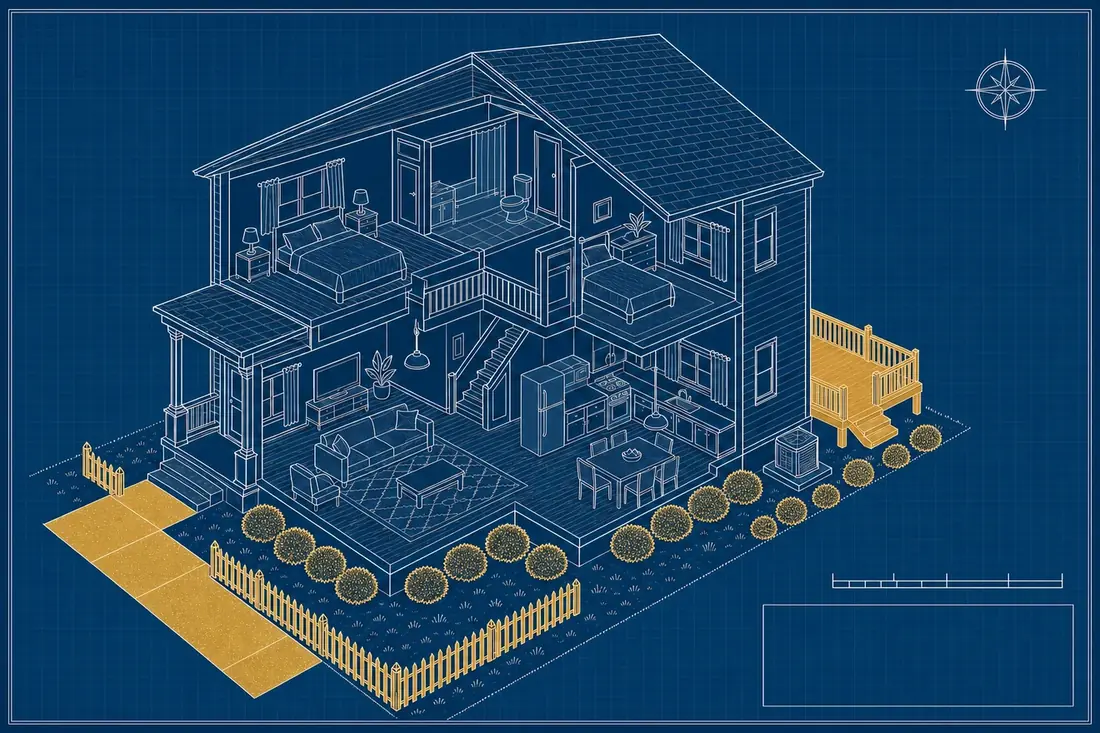
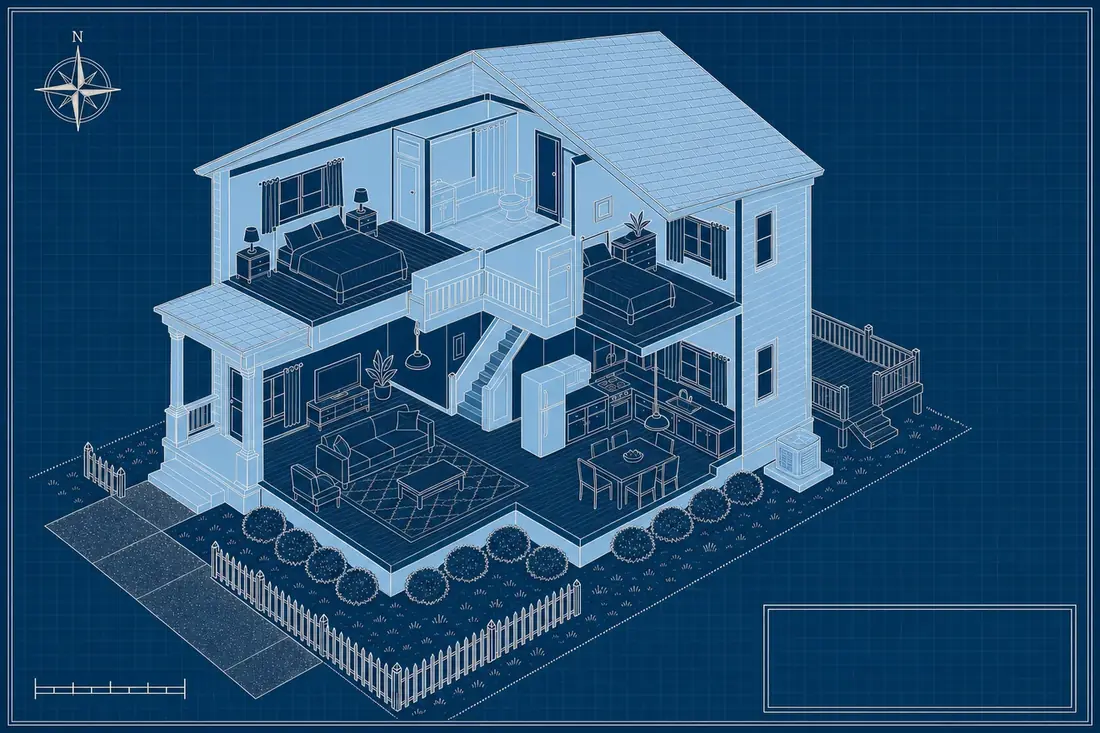
5-Year: carpet and flooring, cabinets, appliances, light fixtures, curtains 7-Year: furniture 15-Year: driveway, fencing, landscaping, deck 27.5/39-Year Shell: roof, load-bearing walls, foundation, central HVAC Get your free Preliminary Benefit Estimate Model the likely first-year number on your opportunity zone property at /qualify while your fund's CPA works out the improvement and holding-period timeline. Request Your Free Estimate »The 30-Month Substantial Improvement TestA QOF that buys an existing building, one it did not construct itself, generally has to substantially improve that building within 30 months of acquisition. New construction, and property whose first use in the zone begins with the fund, is treated differently and does not carry this improvement requirement the same way, since the building is already original use.
Whether depreciation already claimed on the building, including accelerated depreciation from a cost segregation study, changes the basis figure the improvement spending has to exceed is a computation governed by the opportunity zone regulations themselves, not by the study. That calculation runs on the specific acquisition date, the specific improvement spend, and the specific basis figures involved, which makes it a question for the fund's own tax preparer working through the actual timeline, not something to assume either way going in. A Study Classifies What Gets Built, Not the Fund ElectionThe improvement spending itself, new roofing, new mechanical systems, interior buildout, site work, is what a cost segregation study can classify once it is placed in service. The engineering approach does not change because the money came from a QOF: components that would be 5-year, 7-year, or 15-year property on a straight purchase are the same components on a substantial improvement project. See how a study treats new construction and major improvement spend for the mechanics that apply here. The fund structure decides what happens to the original gain. The building still decides what a study finds inside it. Bonus depreciation applies to that reclassified property the same way it applies anywhere else: 5-, 7-, and 15-year property identified by a study is bonus-eligible, at 100% for property acquired after January 19, 2025 under current law, while the 39-year shell depreciates on its own schedule regardless of the opportunity zone election layered on top of it. The 60-Second Qualifier Four questions. Our engineering team's model shows the estimated first-year acceleration a study of your property would target, free, before you commit to anything. Take the Qualifier »The 10-Year Exclusion Protects the Fund Interest, Not Every SaleHolding a QOF investment for at least 10 years opens an election under section 1400Z-2(c): the basis of that investment can be adjusted to its fair market value on the date it is sold or exchanged. Where basis equals fair market value, gain is zero, which reaches gain that would otherwise be characterized as depreciation recapture too, not only plain appreciation. That is the exclusion investors mean when they describe opportunity zones as reaching recapture, and it is real, but it is tied to a specific election on a specific holding period, not automatic on every exit. This exclusion is keyed to the sale of the investor's interest in the fund, or, under later guidance, a sale of the underlying property by the fund itself when the fund's own holding period and other conditions are met. It is not a blanket rule that every disposition inside a QOF avoids recapture. A sale of the underlying property before the 10-year mark, whether by the fund or ahead of an investor's own exit, triggers gain computed and characterized the same way described on depreciation recapture tax rates, then generally flows through to investors on their K-1 like any other partnership disposition. Why This Combination Shows Up on Larger DealsOpportunity zone deals tend to run on larger commercial buildings, the kind where a cost segregation study identifies real dollars. A mid-rise office acquired and substantially improved inside a QOF, for example, sits in the same basis range as a benchmark run on a $2,971,345 mid-rise office building that identified $479,220 in first-year deductions against a $12,000 fee, a 39.9-to-1 ratio. The size of that number is exactly why sophisticated buyers run a study alongside the opportunity zone election rather than treating them as competing choices. None of this requires picking a lane before committing. A free Preliminary Benefit Estimate at /qualify models the likely first-year acceleration on the property itself, independent of how the opportunity zone timeline or the eventual exit plays out. How that fits the fund's specific substantial improvement calculation and the eventual 10-year election is a question for the fund's CPA, working from the fund's actual documents. Because every study is custom-priced to the specific building, the same free estimate applies whether the property sits inside a QOF, a syndication, or a straightforward single-owner purchase. The engineering work does not know or care which entity holds title; it only measures what the building itself contains once the improvement work is finished and the property is in service. Frequently asked questionsDoes a cost segregation study interfere with the opportunity zone substantial improvement test? No. A study classifies what the building contains for depreciation purposes; it does not add or remove improvement spending. Whether specific improvement costs count toward the 30-month substantial improvement requirement is a separate computation under the opportunity zone regulations, decided by the fund's own tax preparer working from the actual acquisition and improvement figures. Can a cost segregation study run before the 30-month improvement window ends? A study generally runs once components are placed in service, so it fits naturally after improvement work is complete and the property is operating, though a fund with a phased buildout may place components in service in stages. The 30-month test itself is a separate calculation the fund's CPA tracks against the improvement spending timeline. Does the 10-year opportunity zone exclusion erase depreciation recapture from a cost segregation study? When the 10-year holding period is met and the fair-market-value basis election applies, gain on that specific transaction, including the portion that would otherwise be recapture, is reduced to zero. That exclusion is tied to meeting the specific election and holding period; a sale before that point is taxed under the normal recapture rules described above. Do I have to choose between a 1031 exchange and an opportunity zone investment? They are separate deferral mechanisms with different rules, and a single sale is generally paired with one or the other, not both. A 1031 exchange defers gain by acquiring replacement real property under its own timeline; an opportunity zone investment defers gain by investing it in a fund under a different timeline entirely. Comparing the two before a sale closes is worth doing with your CPA. Does the substantial improvement requirement apply to short-term rental property in an opportunity zone? The requirement applies to real property acquired inside a QOF that was not newly constructed, regardless of whether the end use is commercial or residential rental, including a short-term rental. The improvement spending and 30-month window work the same way; what changes is the type of building being improved and later studied. Keep readingGet your free Preliminary Benefit Estimate Send the address or the listing link. We model the number first; you decide with it in hand. Request Your Free Estimate »Educational information, not tax advice. This page describes how federal
depreciation rules and tests work in general. Whether any rule fits your facts is a determination for
you and your CPA. Our study gives your CPA the engineering and the numbers to make that call.
|