|
Cost Segregation for Commercial & Short-Term Rental Owners
|
Request a free estimate [email protected] |
Advanced
FREE Estimate Is there a first-year deduction sitting in your building? No cost, no obligation. Request Yours »Minimum ROIOur study identifies at least 20x its fee in first-year deductions on commercial property, or at least 30x on a short-term rental, or it is free. |
How Does Cost Segregation Work for a Foreign Real Estate Investor?Quick answer A cost segregation study's deductions only reduce a foreign owner's US tax when rental income is taxed on a net basis, through the effectively connected income election under sections 871(d) or 882. Without that election, a flat 30% withholding applies to gross rent, and depreciation has no effect on that withholding. On a later sale, FIRPTA treats the gain as effectively connected income, subject to the same recapture rules that apply to any other owner. See this applied to your building. A few questions, 30 seconds. You see which tests matter and the first-year deduction range a study would look for. No email to see the range. Run the 30-second check »Key takeaways
The Default Rule: 30% Withholding on Gross RentA nonresident alien or foreign corporation that owns US rental real estate directly is subject to US tax on the rental income by default. Absent an election, sections 871(a) and 881 tax that income as fixed, determinable, annual, or periodical income, the category covering rents, interest, and similar payments to foreign persons, at a flat 30% rate, withheld by the tenant or a withholding agent on the gross amount paid, with no deductions allowed against it. That last point is what makes a cost segregation study irrelevant under the default rule. A 30% tax on gross rent does not change based on how the building depreciates, since no expenses, including depreciation, reduce the amount the tax applies to. A foreign owner sitting under this default withholding gets none of the benefit a US owner would get from a study's accelerated deductions, not because the deductions do not exist, but because the tax is not computed on a base that lets them apply. The building's components are exactly what they would be under any ownership; a study run on the property still identifies the same 5-, 7-, and 15-year property. What is missing under the default rule is a return where that classification changes the tax owed. 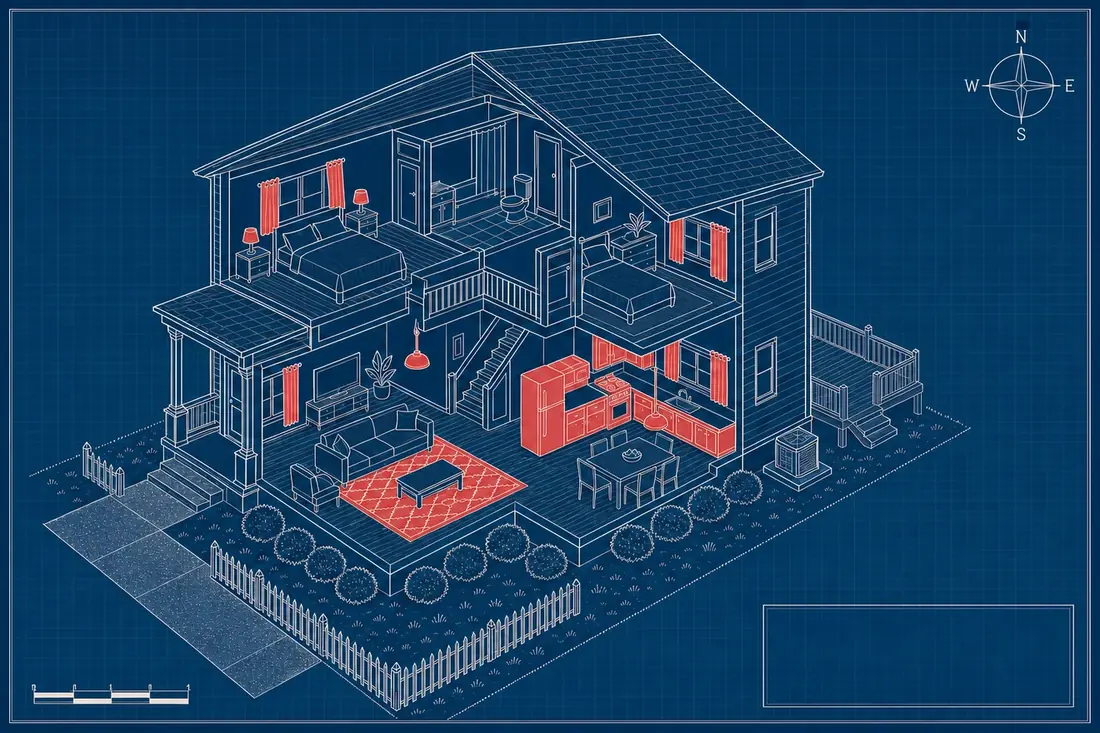
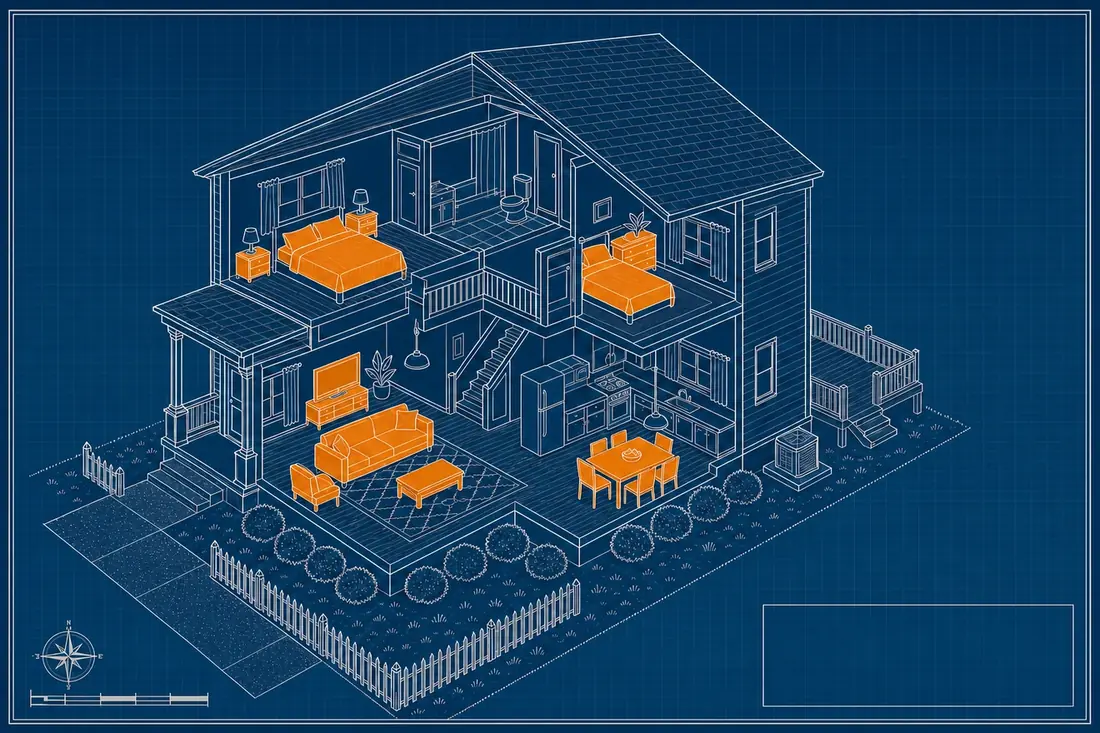
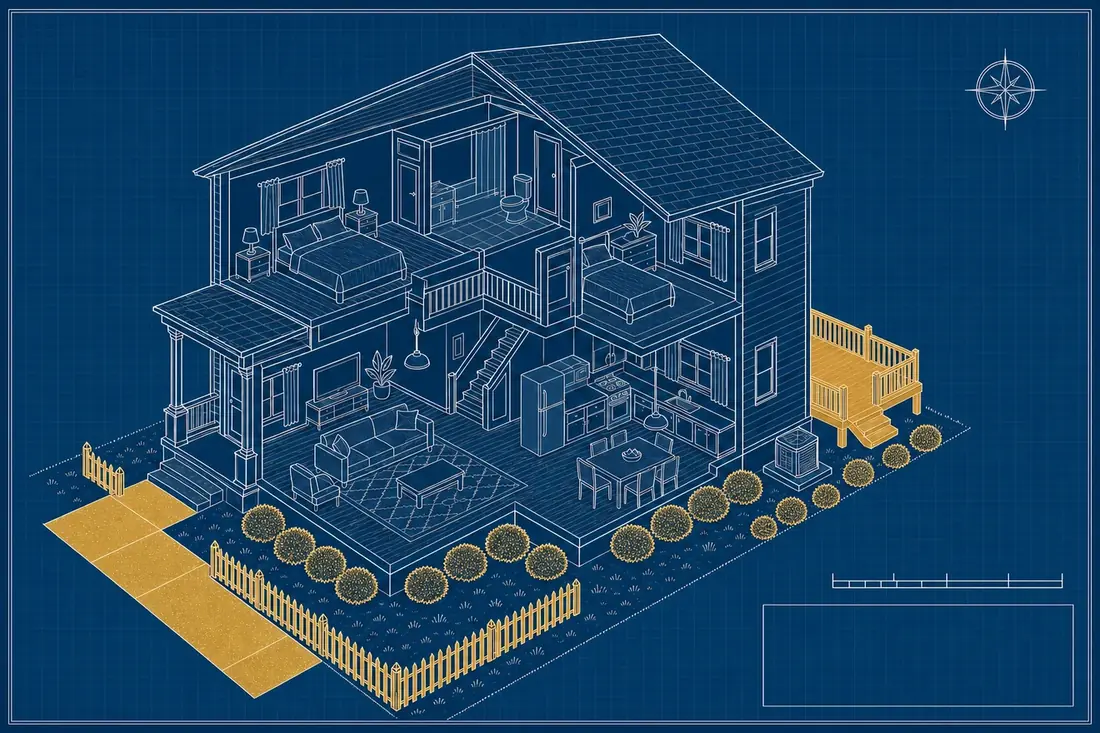
5-Year: carpet and flooring, cabinets, appliances, light fixtures, curtains 7-Year: furniture 15-Year: driveway, fencing, landscaping, deck 27.5/39-Year Shell: roof, load-bearing walls, foundation, central HVAC Get your free Preliminary Benefit Estimate See the first-year number a study identifies on the property itself at /qualify while your US tax counsel confirms the ECI election and FIRPTA position. Request Your Free Estimate »The Election That Makes Depreciation Matter: Effectively Connected IncomeSections 871(d), for individuals, and 882, for foreign corporations, let a foreign owner elect to treat US real property income as effectively connected income, meaning income connected to a US trade or business, taxed at the same graduated or corporate rates that apply to a US taxpayer, computed on a net basis after deductions. A rental activity can also rise to the level of a US trade or business on its own facts, without a formal election, depending on how actively the property is managed; that determination runs on the specific facts and is not something to assume either way. Once rental income is taxed as effectively connected income, whether by election or by the activity's own character, depreciation becomes a real deduction against that income, the same as it would for a domestic owner. This is the point where a cost segregation study's accelerated first-year deduction actually reduces current taxable income, rather than sitting unused against a flat withholding tax on gross receipts. See how bonus depreciation multiplies a study's reclassification for what that acceleration looks like once effectively connected treatment applies. Why the Election Is Not a Year-by-Year ChoiceThe section 871(d) election, once made on a timely filed return, generally applies to all of the taxpayer's US real property income and continues in force for later years unless revoked with the consent of the IRS. That durability matters for planning around a cost segregation study: an owner is not choosing net-basis treatment for one large deduction year and gross withholding the next. The election, once in place, governs the property's US tax treatment going forward, which is also why the decision is worth making with a cross-border tax advisor before a study is commissioned, not after. A foreign owner who acquires a second US property after the election is in place generally brings that property under the same net-basis treatment, rather than starting the analysis over from the default withholding rule each time a new property is purchased. The 60-Second Qualifier Four questions. Our engineering team's model shows the estimated first-year acceleration a study of your property would target, free, before you commit to anything. Take the Qualifier »FIRPTA on Exit: Withholding at Closing, Recapture on the ReturnThe Foreign Investment in Real Property Tax Act, codified at section 897, treats gain from a foreign person's disposition of a US real property interest as effectively connected income automatically, taxed on a net basis at regular rates rather than the flat rate described above. Section 1445 backs that up with a withholding mechanism at closing: the buyer generally must withhold a percentage of the amount realized, the gross sales price, and remit it to the IRS as a prepayment against the seller's actual tax liability. The seller then files a US return reporting the actual gain, with the withheld amount credited against whatever tax the return computes. Withholding at closing is based on the gross amount realized, not on net gain, so it does not by itself reflect what a cost segregation study did to the property's basis or prior depreciation. The actual FIRPTA tax, computed on the return, is where that history shows up. Once gain is taxed as effectively connected income under FIRPTA, it is characterized the same way it would be for any other seller: section 1245 recapture on the personal property a study identified, taxed at ordinary rates, and unrecaptured section 1250 gain on the building shell, taxed up to 25%, the same categories described on depreciation recapture tax rates. FIRPTA changes who withholds and how the gain is classified; it does not create a separate recapture rule for foreign sellers. Where a Withholding Certificate FitsA foreign seller expecting the actual tax due to run lower than the standard withholding percentage can apply to the IRS for a withholding certificate, under Form 8288-B, requesting that withholding at closing be reduced to match the anticipated liability rather than the flat percentage of gross proceeds. Modeling that anticipated liability accurately, including the effect of any depreciation and recapture history from a prior cost segregation study, is exactly the kind of computation a cross-border CPA runs before closing, not a number a seller estimates informally. None of this changes what a study itself does. A cost segregation study on a foreign-owned property classifies the building's components into faster schedules the same way it would for a domestic owner. What changes for a foreign owner is which set of international tax rules decides whether, and when, that classification actually reduces a tax bill rather than sitting behind a flat withholding rate. A free Preliminary Benefit Estimate at /qualify models the likely first-year number on the building itself; whether the effectively connected income election is already in place, and how FIRPTA applies on a future exit, are questions for the owner's US tax counsel. Frequently asked questionsDoes a cost segregation study help a foreign investor if no ECI election is in place? Not directly. Without an effectively connected income election, or income that independently rises to the level of a US trade or business, rental income is taxed on a flat 30% gross basis under sections 871 and 881, and no deductions, including a study's, reduce that amount. The election is what makes the deduction relevant. Is the effectively connected income election available to any foreign owner? It is available to nonresident alien individuals under section 871(d) and foreign corporations under section 882 that hold US real property producing rental income. Whether making the election, or relying on the activity's own trade-or-business character instead, fits a specific ownership structure is a question for the owner's US tax counsel. Does FIRPTA withholding equal the actual tax owed on a sale? No. Withholding under section 1445 is generally a percentage of the gross amount realized at closing, collected as a prepayment. The actual tax is computed on the seller's US return, based on net gain and its characterization, including any recapture, with the withheld amount credited against that computed liability. Can a withholding certificate reduce FIRPTA withholding at closing? Generally yes. A seller can apply to the IRS on Form 8288-B for a withholding certificate that adjusts the amount withheld toward the anticipated actual tax liability rather than the standard percentage of gross proceeds, a calculation typically run by a cross-border CPA ahead of closing. Does depreciation recapture work differently for a foreign seller under FIRPTA? The characterization is the same. Once FIRPTA treats the gain as effectively connected income, section 1245 recapture on personal property a study identified and unrecaptured section 1250 gain on the building shell follow the same rules that apply to any other seller. FIRPTA changes withholding and ECI treatment, not the recapture rules themselves. Keep readingGet your free Preliminary Benefit Estimate Send the address or the listing link. We model the number first; you decide with it in hand. Request Your Free Estimate »Educational information, not tax advice. This page describes how federal
depreciation rules and tests work in general. Whether any rule fits your facts is a determination for
you and your CPA. Our study gives your CPA the engineering and the numbers to make that call.
|