|
Cost Segregation for Commercial & Short-Term Rental Owners
|
Request a free estimate [email protected] |
Advanced
FREE Estimate Is there a first-year deduction sitting in your building? No cost, no obligation. Request Yours »Minimum ROIOur study identifies at least 20x its fee in first-year deductions on commercial property, or at least 30x on a short-term rental, or it is free. |
What Is the Short-Term Rental Tax Strategy for Physicians?Quick answer A short-term rental tax strategy built for physicians runs through a different door than the general real estate rule. A full clinical schedule rules out real estate professional status, which needs 750 or more hours and more than half of a person's working time in real property trades. The short-term rental exception under Treas. Reg. 1.469-1T(e)(3)(ii) offers a separate path: a property whose average guest stay is 7 days or less is not a rental activity for section 469, and the owner then needs material participation instead of professional status. See this applied to your building. A few questions, 30 seconds. You see which tests matter and the first-year deduction range a study would look for. No email to see the range. Run the 30-second check »Key takeaways
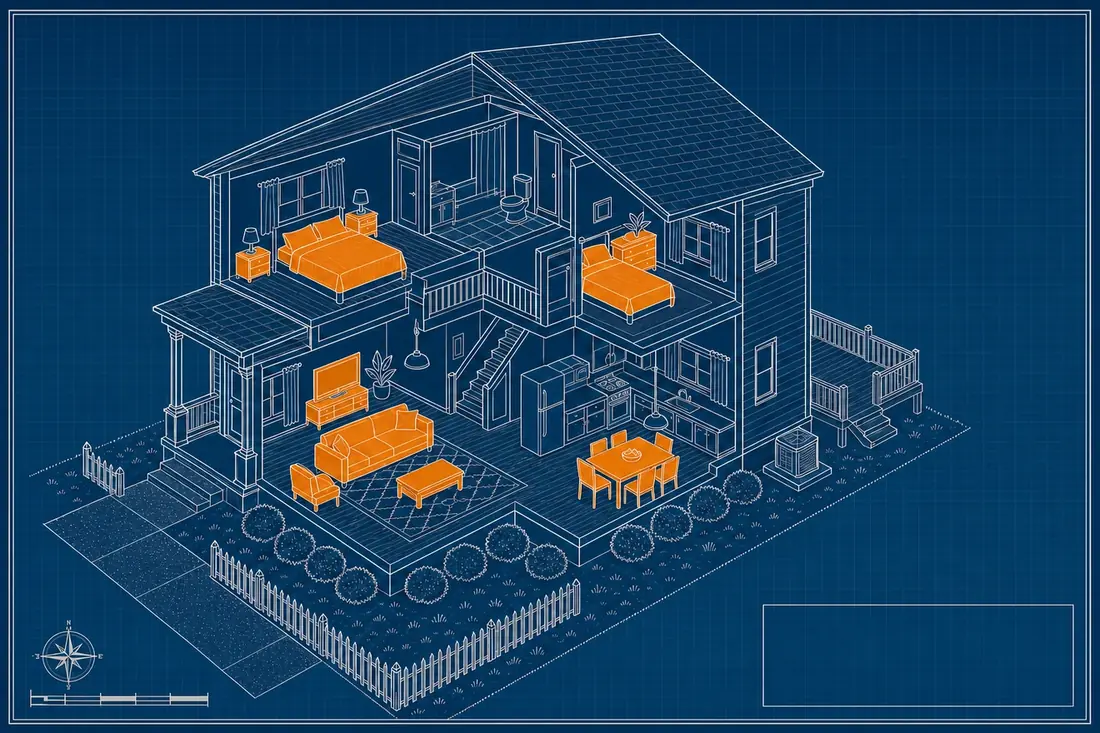
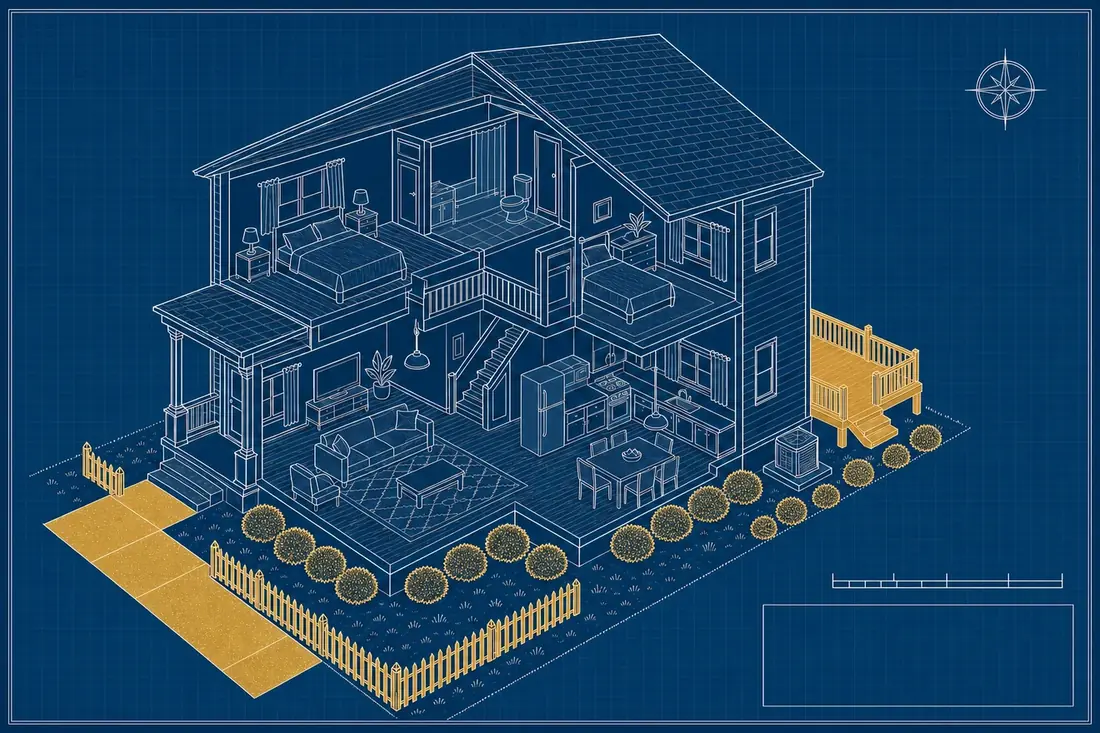
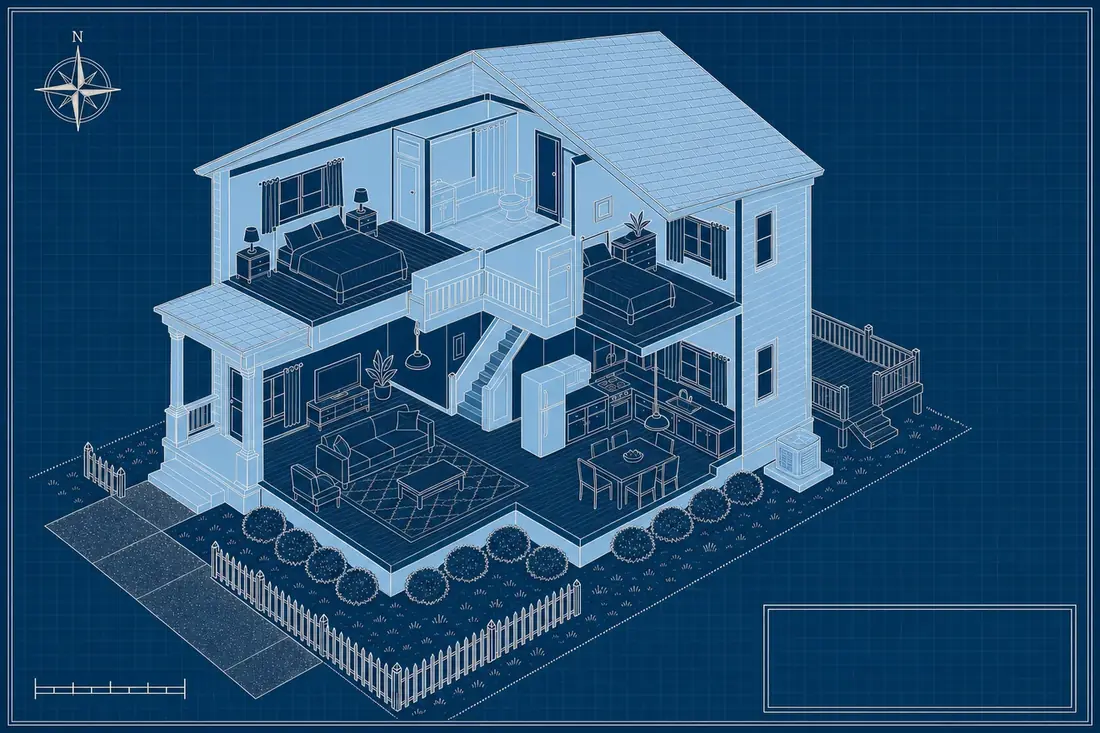
Watch a log cabin rental get built and classified A hypothetical $600,000 three-bedroom log cabin goes up floor by floor, from the gravel drive and foundation to the game loft and the hot tub on the deck. Every component lands on its depreciation schedule as it is installed, and the year-one depreciation adds up on screen. Watch the 90-second walkthrough »Why the Real Estate Professional Test Rarely Fits a Full Clinical ScheduleReal estate professional status, the broadest exit from the passive-loss rules under section 469, requires 750 or more hours in real property trades during the year and more than half of the person's total working time spent in those trades. A physician working a full slate of hospital shifts, call nights, and clinic hours has already spent the large majority of their working time on medicine before real estate enters the picture at all. Clearing more than half of total working time for real property trades on top of a full clinical role is a hard combination on its own terms, independent of any single property's facts. A separate exit exists that does not run through that test at all: the short-term rental exception. It swaps the professional-status hours requirement for a test about the property itself and the owner's participation in running it, a structure that fits a two-job household better than the general rule does. 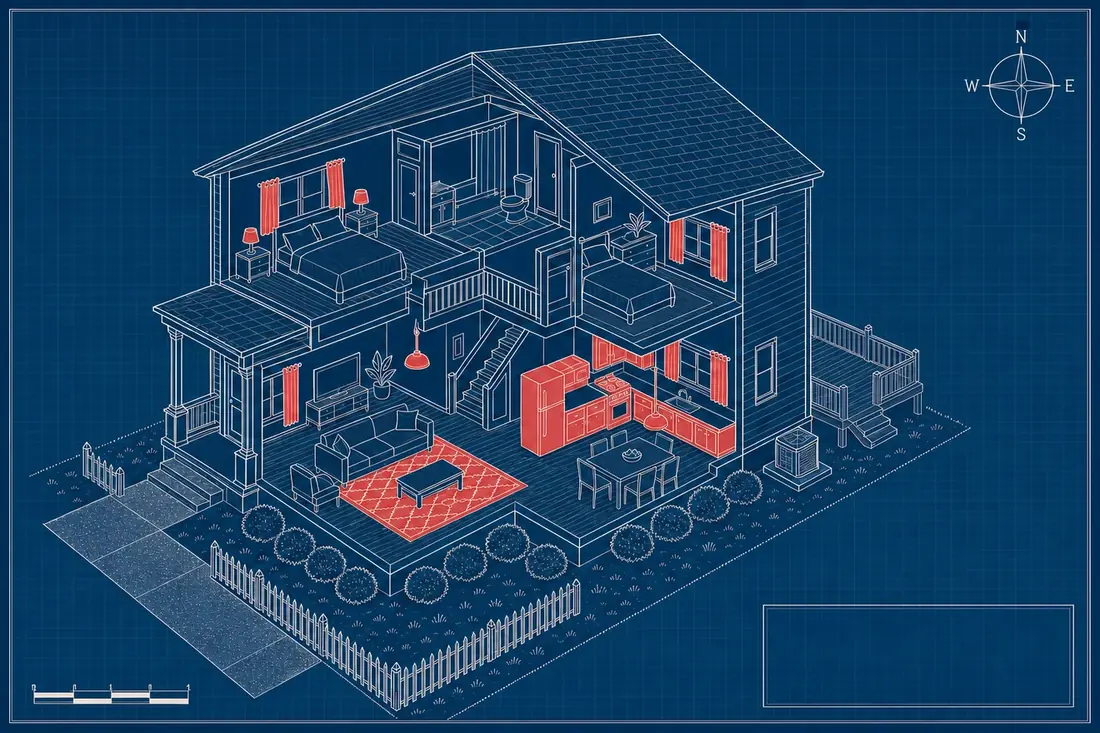
5-Year: carpet and flooring, cabinets, appliances, light fixtures, curtains 7-Year: furniture 15-Year: driveway, fencing, landscaping, deck 27.5/39-Year Shell: roof, load-bearing walls, foundation, central HVAC Get your free Preliminary Benefit Estimate See what a study would likely find on this property with the free Preliminary Benefit Estimate, no site visit required. Request Your Free Estimate »The 7-Day Average Stay TestUnder Treas. Reg. 1.469-1T(e)(3)(ii), a property is not treated as a rental activity for section 469 purposes at all if the average guest stay across the year runs 7 days or less. The test looks at stays across the full year, not any single booking or a slow month in isolation. Because the property is not a rental activity under this test, the passive characterization that applies to a long-term lease does not apply here by default. That does not make the loss automatically non-passive; it moves the question to a second test, material participation, described next. Material Participation: The Three Common TestsClearing the average-stay gate leads to a second requirement: material participation, meaning real, regular, and substantial involvement in operating the property. Three tests come up most often.
Any one of the three is enough on its own. The first two are demanding in a different way (500 hours is a lot of a year, and "substantially all" is a high bar on a property with any outside help at all). The third test is the one most often discussed for a busy owner, and it is also the one where hired help changes the math the most. The Cleaning Crew Trap: How Hired Help Counts Against the OwnerThe 100-hour test is not just about reaching 100 hours. It is a comparison: the owner's hours have to exceed the hours of every other individual who participates in the activity, and that includes a cleaning crew, a co-host, a handyman, or a property manager. Their hours do not help the owner meet the test. They count on the other side of it, raising the bar the owner has to clear. A cleaning crew's hours count against the owner in the 100-hour comparison, not toward it. A property with a full-service manager handling guest messaging, pricing, and turnover scheduling can rack up more hours than an owner who checks in between shifts, which is exactly the scenario that breaks this specific test. That does not eliminate the other two tests. An owner who is genuinely handling substantially all of the participation personally, or who is logging 500 or more hours across a busy calendar, is not evaluated against any other individual's hours at all. The 60-Second Qualifier Four questions. Our engineering team's model shows the estimated first-year acceleration a study of your property would target, free, before you commit to anything. Take the Qualifier »What Participation Looks Like Around a Hospital ScheduleMaterial participation is not defined by any single activity; it covers the range of work someone would customarily do in an owner's own capacity to run the property. For a short-term rental, that generally includes guest communication, booking and pricing decisions, coordinating turnovers and repairs, sourcing vendors, and restocking between stays. None of that work has to happen during business hours. Between rounds, on a post-call morning, or across a stretch of clinic days without a procedure block are all real windows for that kind of work, and hour logs are what a CPA works from when evaluating whether a given year's participation clears one of the three tests above. Whether a specific year's hours and records clear the 100-hour comparison, the 500-hour threshold, or the substantially-all standard is a question for a CPA working from the owner's actual log, not a general description of what participation can look like. Where a Cost Segregation Study Fits, and Why It Suits a Busy ScheduleA short-term rental study needs no site visit and no owner homework. Our engineering team works from the property's existing Airbnb or VRBO listing photos to identify and classify components, flooring, cabinetry, appliances, and site work like a driveway or a deck, into 5, 7, and 15-year buckets instead of the default 27.5-year residential schedule. That reclassified basis is 100% bonus-depreciation eligible for property placed in service after January 19, 2025. A delivered example shows the scale on one property: a single-family rental in Montgomery County, Pennsylvania, built in 2013, 4,946 square feet, with a $1,040,000 depreciable basis. The study identified $160,242 of that basis, 15.4%, into faster schedules, and estimated first-year depreciation, including bonus, of $174,905, 16.8% of basis, for a $1,295 fee, roughly 135 to 1. $174,905first-year depreciation identified 16.8%of building basis, year one 135:1deductions to fee Turnaround on a residential study normally runs 1 to 2 weeks, 2 to 3 weeks during tax season, with same-week delivery available for a $250 upcharge and delivery within one business day of signing, payment and documents for a $995 upcharge, published prices made possible by the photos-only process. On a short-term rental, a study identifies at least 30x its fee in first-year deductions, or it is free. A free Preliminary Benefit Estimate at the qualifier models the likely number before any commitment. Selling Later: Recapture and the 1031 OptionThe deduction a study accelerates does not disappear on sale; it changes character. Gain attributable to the 5- and 7-year personal property is recaptured at ordinary rates, and straight-line depreciation on the real property is taxed on sale as unrecaptured section 1250 gain, up to 25%. A 1031 exchange can defer both, including on a property that already had a cost segregation study, when the replacement-property rules are met. None of that changes how the passive-loss tests above apply while the property is held. It only matters for the year of sale, and it is worth knowing before that year arrives. See how the passive-loss wall and its two doors apply more broadly to a doctor or dentist's real estate, and the fuller set of advanced strategies a cost segregation study can combine with. Frequently asked questionsDoes hiring a cleaning crew hurt a short-term rental's tax benefits? It can affect one specific test. Under the 100-hour material participation test, the owner's hours have to exceed every other individual's hours on the property, including a cleaning crew, co-host, or manager. Their hours count against the owner in that comparison, not toward the owner's total. The 500-hour test and the substantially-all test do not depend on comparing hours to anyone else. Does a physician need real estate professional status to use short-term rental tax benefits? No. The short-term rental exception under Treas. Reg. 1.469-1T(e)(3)(ii) is a separate path that does not require the 750-hour or more-than-half-of-working-time tests real estate professional status uses. It requires an average guest stay of 7 days or less across the year, plus material participation in running the property, a different and generally more accessible combination for someone working a full clinical schedule. How is the average guest stay calculated for the 7-day rule? The test looks at the property's stays across the entire year, not any single booking, a slow month, or a busy one in isolation. A property with an average that runs 7 days or less across the year is not treated as a rental activity for section 469 purposes at all, which moves the question to material participation instead of passive-activity default rules. Can a short-term rental's losses offset income from a hospital job? Only if the tests are cleared. The property first needs an average guest stay of 7 days or less, then material participation under one of three tests: 500 or more hours, substantially all of the participation, or 100 or more hours and more than any other individual. Whether a given year's records clear those tests is a question for a CPA, not a general rule. Does a short-term rental cost segregation study require a site visit? No. The engineering team works from the property's existing Airbnb or VRBO listing photos to identify and classify components like flooring, cabinetry, and site work. There is no site visit and no owner homework required, and turnaround on a residential study normally runs 1 to 2 weeks, with same-week and one-business-day rush options available for a published upcharge. What happens to the deduction if the short-term rental sells later? It changes character rather than disappearing. Gain on the 5- and 7-year personal property is recaptured at ordinary rates at sale, and straight-line depreciation on the real property is taxed as unrecaptured section 1250 gain, up to 25%. A 1031 exchange can defer both, including on a property that already had a cost segregation study, when the replacement-property rules are met. Keep readingGet your free Preliminary Benefit Estimate Send the address or the listing link. We model the number first; you decide with it in hand. Request Your Free Estimate »Educational information, not tax advice. This page describes how federal
depreciation rules and tests work in general. Whether any rule fits your facts is a determination for
you and your CPA. Our study gives your CPA the engineering and the numbers to make that call.
|