|
Cost Segregation for Commercial & Short-Term Rental Owners
|
Request a free estimate [email protected] |
Advanced
FREE Estimate Is there a first-year deduction sitting in your building? No cost, no obligation. Request Yours »Minimum ROIOur study identifies at least 20x its fee in first-year deductions on commercial property, or at least 30x on a short-term rental, or it is free. |
How Does Cost Segregation Work Differently for LPs and GPs in a Syndication?Quick answer A cost segregation study on a syndicated property produces one deduction, allocated by K-1 to every partner, but section 469 treats limited partners and general partners differently. A limited partner's interest is passive by default, so the allocated loss offsets only passive income and suspends without it. A general partner who materially participates in operating the property can potentially treat that same allocation as non-passive. The study does not change; who can use the loss currently does. See this applied to your building. A few questions, 30 seconds. You see which tests matter and the first-year deduction range a study would look for. No email to see the range. Run the 30-second check »Key takeaways
One Study, One Allocation, Two Different PartnersA real estate syndication pools capital from investors, typically as limited partners (LPs), under a general partner or sponsor (GP) who manages the deal, usually through an LLC or limited partnership taxed as a partnership. A cost segregation study on the syndicated property produces a single set of accelerated deductions, the same reclassification of 5-, 7-, and 15-year components a study would identify on any comparable building. Those deductions get allocated to every partner through the partnership's K-1s, generally according to the operating agreement's allocation formula. What happens to that allocated loss on each partner's own return is a separate question from what the study produced. Section 469, the passive activity rules, apply partner by partner, not at the partnership level, which is why the identical dollar amount on two different K-1s can land in two completely different places once each partner files their own return. A syndication with twenty LPs and one GP can generate twenty-one different outcomes from the same study, twenty versions of a passive loss and one version that may or may not be non-passive, depending entirely on each partner's own facts outside the deal. 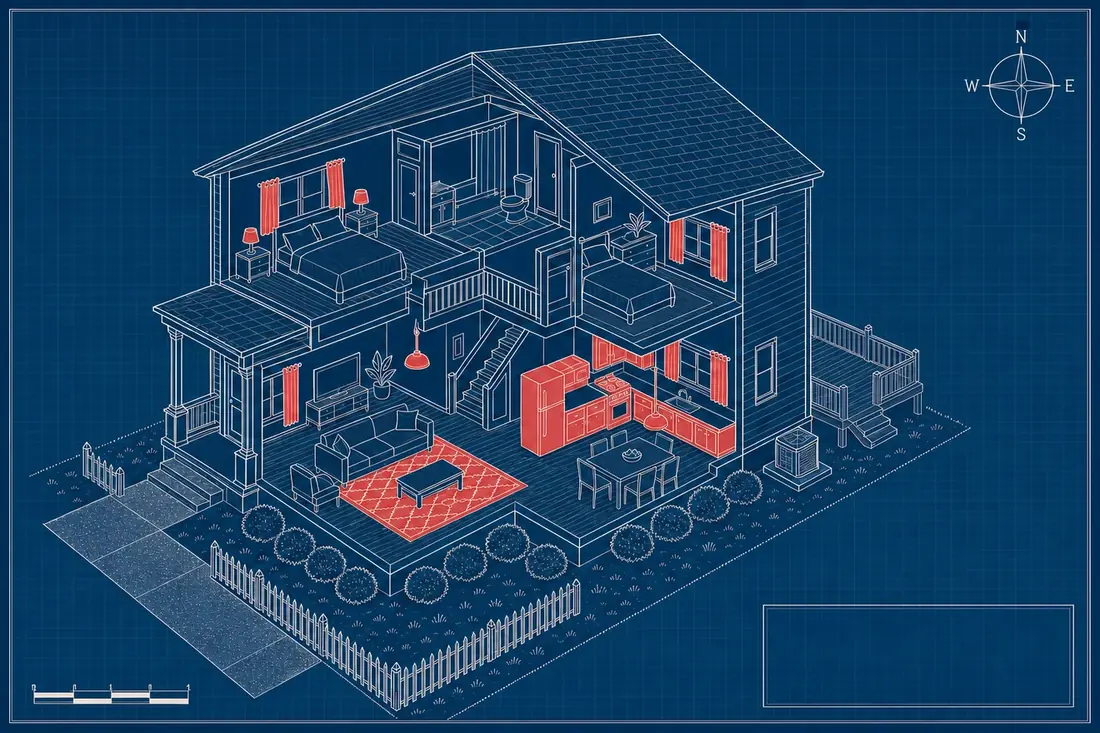
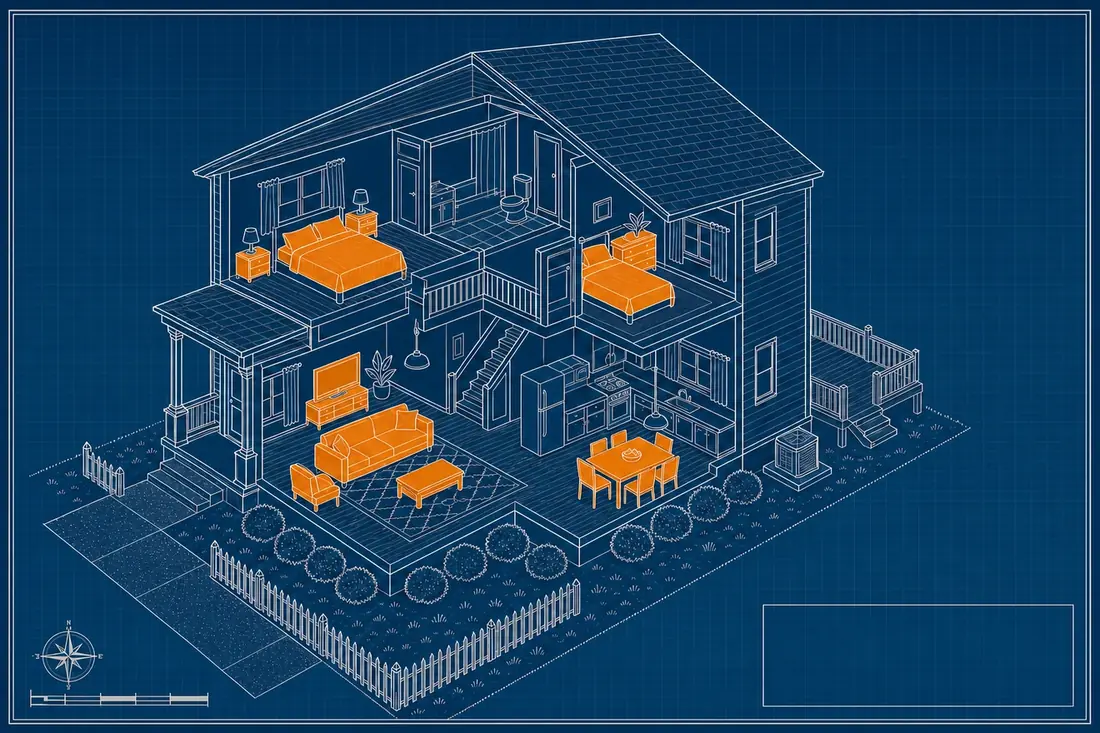
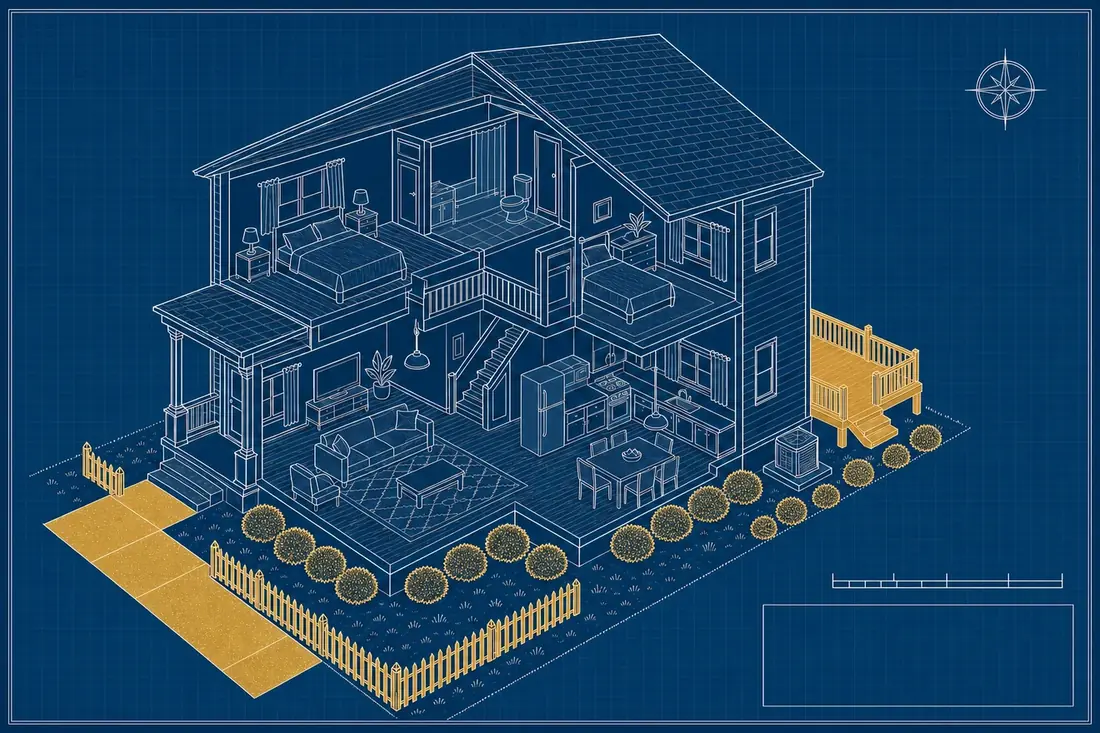
5-Year: carpet and flooring, cabinets, appliances, light fixtures, curtains 7-Year: furniture 15-Year: driveway, fencing, landscaping, deck 27.5/39-Year Shell: roof, load-bearing walls, foundation, central HVAC Get your free Preliminary Benefit Estimate See the first-year deduction a study identifies on the property before the partnership agreement locks in how it gets allocated, at /qualify. Request Your Free Estimate »The Limited Partner: Passive Almost By DefinitionA limited partner's interest in a partnership is generally treated as a passive activity under section 469, regardless of how many hours that partner spends reviewing deal documents, attending investor calls, or otherwise staying informed. The rule does not ask what a limited partner actually does; it treats the LP role itself as passive, with narrow exceptions. That means the loss allocated from a cost segregation study's first-year deduction generally offsets only passive income the LP has from elsewhere, other syndications, other rental real estate, certain other partnership interests. An LP with no passive income to absorb the loss does not lose it. Suspended passive losses carry forward and are generally released when the activity is disposed of in a full taxable sale, the same mechanic described on using a study as a passive-income shield. This is also why LPs who already hold other passive-generating investments often find a large K-1 loss from a syndication's cost segregation study particularly useful: it has somewhere to go immediately rather than sitting suspended for years. The General Partner: Where Material Participation Becomes PossibleA GP's role is usually active by design, sourcing the deal, arranging financing, overseeing the renovation or lease-up, managing the asset day to day. That active role is what opens the door section 469 keeps closed for a typical LP. A GP who materially participates in the specific property, through one of the standard tests, 500-plus hours, substantially all the participation, or 100-plus hours and more than any other individual, described in full on what counts as material participation, can potentially have that allocation treated as non-passive rather than passive. The K-1 number is identical. What each partner is allowed to do with it depends on who they are, not what the property produced. A GP who also qualifies as a real estate professional, 750-plus hours and more than half of total working time in real property trades, plus material participation in the specific property, may be able to use that non-passive loss against income entirely outside the syndication, including other business or wage income. None of this is automatic; it depends on the GP's actual hours and role in that specific deal, tracked the way any material participation claim needs to be tracked. The 60-Second Qualifier Four questions. Our engineering team's model shows the estimated first-year acceleration a study of your property would target, free, before you commit to anything. Take the Qualifier »Why the Allocation Itself Deserves AttentionNot every syndication allocates depreciation pro rata to capital contributed. Partnership agreements can use special allocations, directing a disproportionate share of a specific deduction to specific partners, provided the allocation has substantial economic effect under section 704(b), a technical standard for whether an allocation reflects real economic consequences rather than existing purely to shift tax benefits. Whether a syndication's specific allocation structure meets that standard is a question the sponsor's tax counsel resolves when the partnership agreement is drafted, not something a cost segregation study evaluates. What the study does contribute is the size of the number being allocated. A larger first-year deduction, identified by a study rather than left on a straight-line schedule, makes the allocation question more consequential for every partner downstream, LP and GP alike, simply because there is more depreciation moving through the K-1s in year one. A sponsor weighing a special allocation structure against a straightforward pro rata split is, in effect, deciding how much of the study's benefit concentrates with active management versus spreading evenly across the capital base, a decision with real consequences for how the offering gets marketed to prospective LPs. The Decision to Commission a Study on a Syndicated DealThe property itself does not know it is syndicated. A commercial building acquired by a partnership is custom-priced for a study the same way any commercial acquisition would be, and the same guarantee applies: our study identifies at least 20 times its fee in first-year deductions on commercial property, or it is free. Our benchmark runs show that range: a free-standing restaurant with a $2,804,440 building basis produced $599,678 in first-year deductions against a $9,000 fee, a 66.6-to-1 ratio, the kind of number that matters to every partner on the K-1, not only the one managing the deal. For a sponsor deciding whether to commission a study on a specific deal, the calculus usually comes down to whether the accelerated deductions are valuable enough to the LP base to justify the fee, weighed against how the fee itself gets treated in the deal's expenses. A free Preliminary Benefit Estimate at /qualify models the likely number on the specific property before that decision has to be made, so the size of the allocation is known before the fee is committed. Frequently asked questionsDoes a cost segregation study on a syndication benefit limited partners at all? It can, but generally through carryforward rather than an immediate offset. Because a limited partner's interest is passive by default under section 469, the allocated loss typically offsets passive income first; if there is none, it suspends and carries forward until the LP has passive income or the property is sold in a full taxable sale. Can a limited partner ever treat syndication losses as non-passive? It is uncommon, since a limited partner's interest is treated as passive under section 469 regardless of hours spent, with narrow exceptions that depend on the specific facts and the nature of the LP's actual role. Most LPs plan around passive treatment rather than around an exception applying to them. Does the sponsor or the property pay for the cost segregation study? Every study is custom-priced to the specific property, and how the fee is treated in a syndicated deal's expenses, paid by the fund, the sponsor, or otherwise, is a structuring decision made in the partnership agreement, not something the study itself determines. Does a GP automatically get non-passive treatment on syndication losses? No. A GP still needs to clear a material participation test for the specific property, real hours actually worked and documented, before an allocated loss can be treated as non-passive. An inactive GP in name only does not automatically clear that test. How is a cost segregation deduction allocated among partners in a syndication? Generally according to the partnership agreement's allocation formula, most often pro rata to capital contributed, though special allocations are possible when they meet the substantial economic effect standard under section 704(b). The specific allocation in any given deal is a partnership agreement question for the sponsor's tax counsel. Keep readingGet your free Preliminary Benefit Estimate Send the address or the listing link. We model the number first; you decide with it in hand. Request Your Free Estimate »Educational information, not tax advice. This page describes how federal
depreciation rules and tests work in general. Whether any rule fits your facts is a determination for
you and your CPA. Our study gives your CPA the engineering and the numbers to make that call.
|