|
Cost Segregation for Commercial & Short-Term Rental Owners
|
Request a free estimate [email protected] |
Vacation Markets
Free Listing SEO Audit Paste your Airbnb or VRBO listing. Get a scored audit in 90 seconds. Audit My Listing »FREE Estimate Is there a first-year deduction sitting in your building? No cost, no obligation. Request Yours »Minimum ROIOur study identifies at least 20x its fee in first-year deductions on commercial property, or at least 30x on a short-term rental, or it is free. |
Cost Segregation for a Steamboat Springs Rental PropertyQuick answer Cost segregation on a Steamboat Springs short-term rental works through the same engineering study used everywhere, applied to a Routt County property that runs on two calendars: a winter ski peak around February and a separate summer season. Because Denver owners often manage the property from a distance, the study still starts from listing photos, no site visit, and the section 469 short-term rental test gets checked against the whole year, not one season. Own a Steamboat Springs rental? See the first-year deduction range a study would look for. 30 seconds, no email to see the range. Start the check ↓Key takeaways
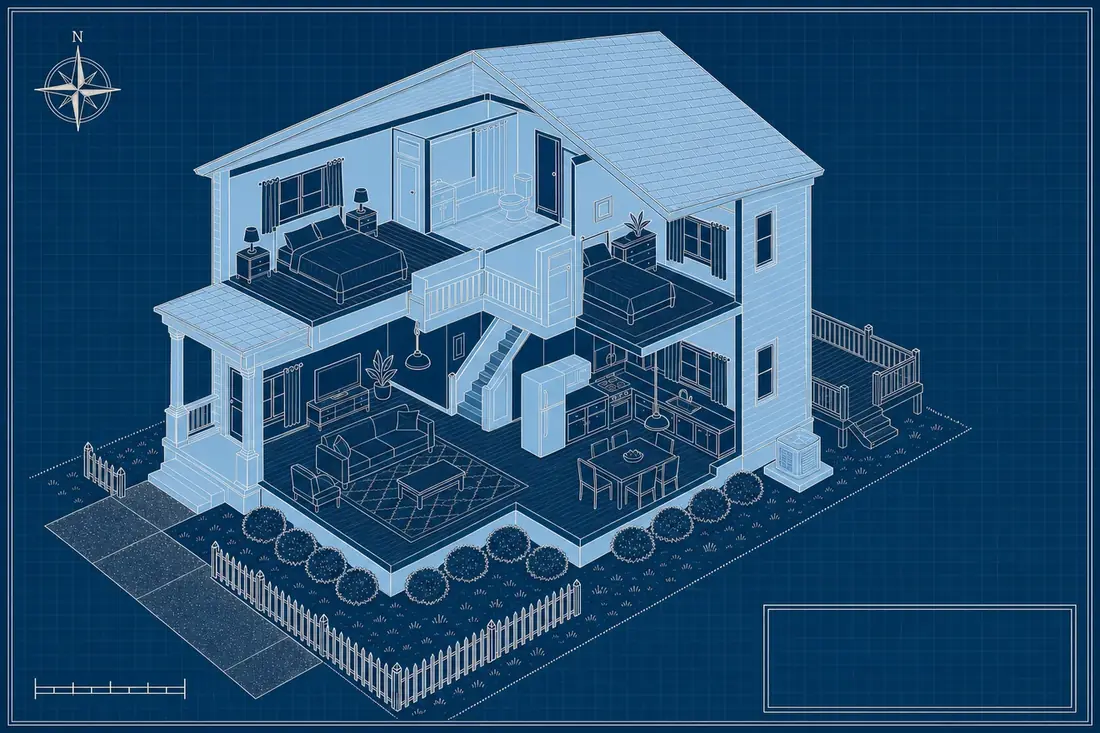
Watch a log cabin rental get built and classified A hypothetical $600,000 three-bedroom log cabin goes up floor by floor, from the gravel drive and foundation to the game loft and the hot tub on the deck. Every component lands on its depreciation schedule as it is installed, and the year-one depreciation adds up on screen. Watch the 90-second walkthrough »How Cost Segregation Works on a Steamboat Springs RentalA cost segregation study is an engineering-based analysis that takes a building's purchase price or construction cost, minus land, and sorts it into IRS depreciation categories that move faster than the default schedule. On a short-term rental in Steamboat Springs, in Routt County, Colorado, that means separating the parts of a condo or cabin that belong in the 5-year, 7-year, or 15-year buckets from the structural shell that stays on the 27.5/39-year schedule. The mechanics do not change because the property sits in a ski town instead of a beach town or a city rental. What changes is how the property gets used across the year, and that shapes two tests worth walking through for this market. Whether the structure itself sits on 27.5 or 39 years turns on the 80% dwelling-unit test, and a short-term rental averaging stays of 7 days or less generally lands on 39 (see the 27.5 or 39 years guide). 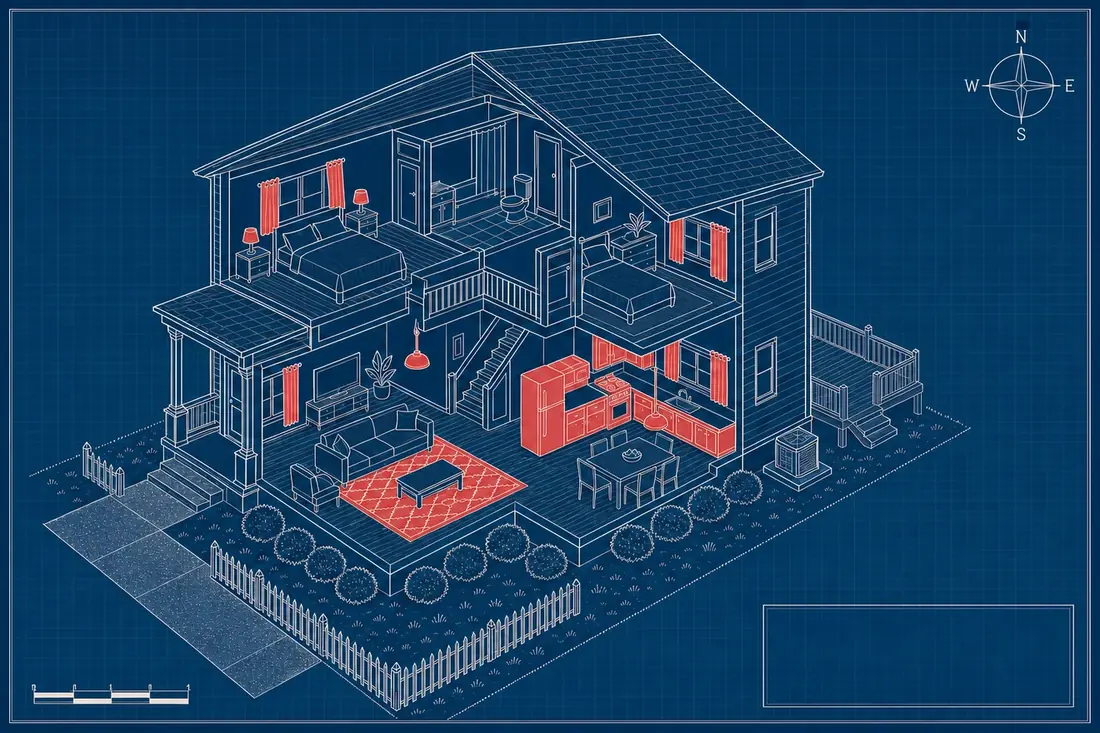
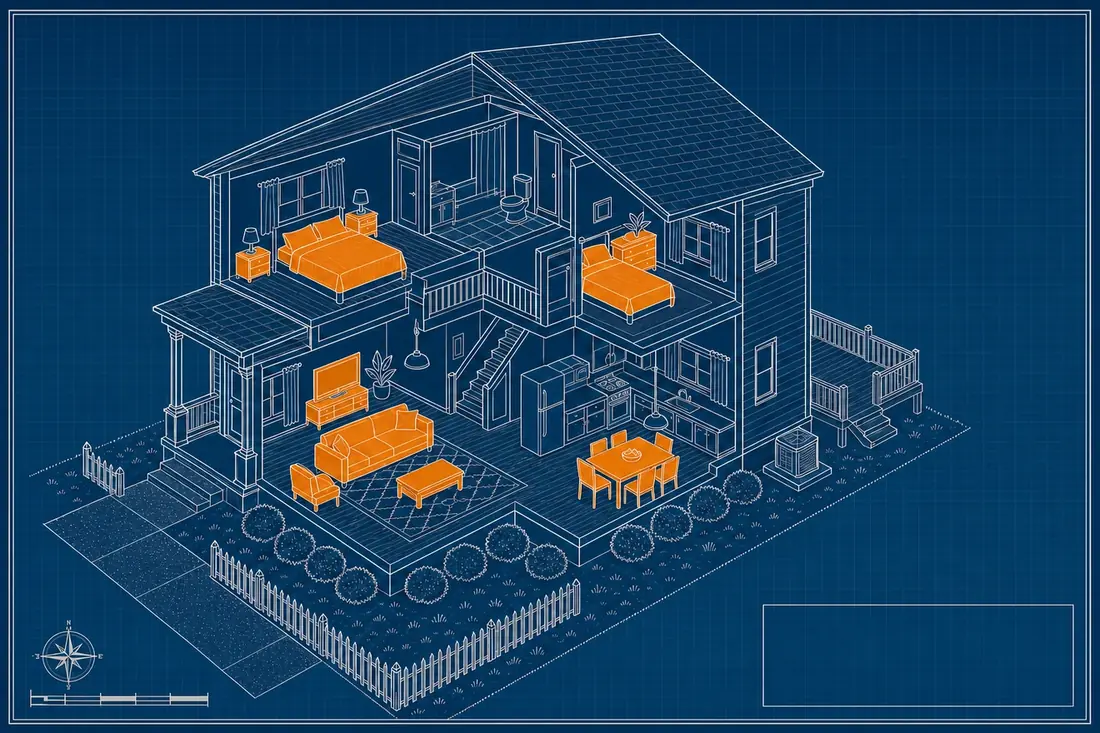
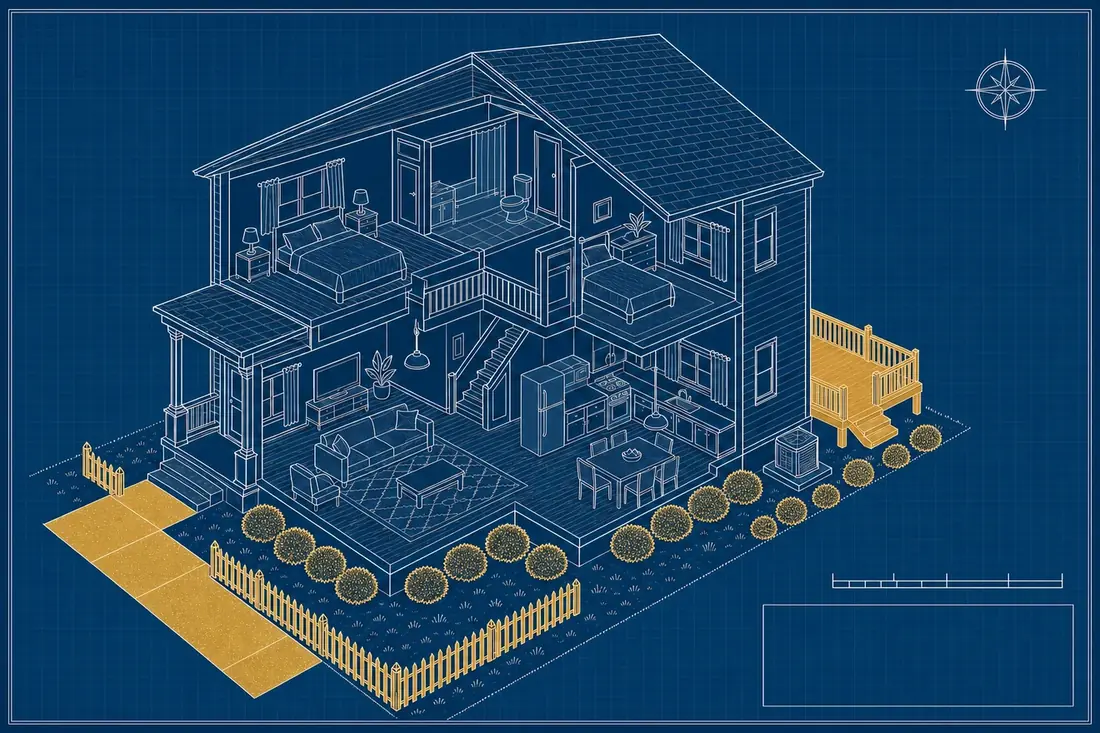
5-Year: carpet and flooring, cabinets, appliances, light fixtures, curtains 7-Year: furniture 15-Year: driveway, fencing, landscaping, deck 27.5/39-Year Shell: roof, load-bearing walls, foundation, central HVAC Get your free Preliminary Benefit Estimate See the likely first-year number for a Steamboat Springs unit with the free estimate at /qualify/. Request Your Free Estimate »A Dual-Season Calendar and the 7-Day Average TestThe section 469 short-term rental exception turns on the average period of customer use across the testing period, most often the tax year, coming out to 7 days or less. Ski markets like Steamboat complicate that average because peak winter weeks, especially around the February high season, commonly book by the week, which pushes those stays well past the 7-day line. A property that also fills a separate summer season with shorter, long-weekend bookings can pull the yearly average back down, but an owner cannot assume that. The test looks at every stay across the full year, ski season and summer season together, not just whichever season feels busier. That means a Steamboat owner renting mostly by the week in February and by the weekend in July needs the actual average worked out from the property's own booking calendar, not an assumption borrowed from either season alone. An owner whose average stay lands at 7 days or less clears this first prong of the exception. What happens next, material participation, is a separate question. Material Participation for a Denver-Based OwnerClearing the 7-day average only gets an owner out of the default passive rental-activity bucket under section 469. The rental still needs material participation for its losses to offset other income instead of sitting suspended as passive losses. The three most common tests are 500 hours of participation in the activity, substantially all the participation done by that one owner, or 100 hours combined with more participation than any other individual, including cleaners, co-hosts, and property managers. Denver sits close enough to Steamboat for a weekend drive, but far enough that most owners are not the ones changing sheets between guests. A property that leans on a full-service local manager for turnovers, maintenance calls, and guest communication often has that manager logging more hours than the owner does, which is exactly where the 100-hours-and-more-than-anyone test gets hard to clear. An owner in that position typically looks at the other two tests instead. Which test actually fits a given owner's calendar and hour log is a question for that owner's CPA, not something a depreciation study answers. What a Study Actually Finds Inside the UnitNone of the above changes what an engineering study looks for inside a Steamboat condo or cabin. Flooring, cabinetry, appliances, window treatments, and decorative lighting are common candidates for the 5-year bucket. Furniture and certain fixtures often land in 7-year property. Outside, paving, fencing, landscaping, site utilities, and outdoor lighting are generally 15-year land improvements. The structural shell, framing, roof, and central HVAC stay on the 27.5/39-year schedule regardless of elevation or snow load; a roof and a central HVAC system are structural components, not 5-year property, a common misconception worth correcting up front. A study typically shifts somewhere between 15 and 35% of a property's basis into those faster schedules, and a fully furnished ski unit with more interior finish work than a bare-bones rental tends to sit toward the higher end of that range. See a fuller breakdown of what lands in each bucket before assuming which pieces of a specific unit qualify. Estimate the first-year deduction on a property hereA few questions and the building value give a preliminary first-year deduction range, using the same rule as our free calculator. The breakdown can be emailed to you, or you can book a 15-minute call. Step 1 of 3 What kind of property?
Who runs it day to day?
What is the average guest stay?
When did you buy it?
How many rentals do you own?
Across all of them, does your rental portfolio show taxable income overall?
Any of them likely to sell in the next few years?
Prefer to talk it through? Book straight from here. No form needed.
Bonus Depreciation and Why Timing Matters HereBonus depreciation under section 168(k) is currently 100% and permanent for qualified property acquired after January 19, 2025, under the 2025 tax law that restored it. Property acquired between 2023 and that date sits on the older phase-down schedule instead. The 5-, 7-, and 15-year property a study identifies is bonus-eligible; the 27.5/39-year structural shell is not. Running a study the year a property is placed in service front-loads that acceleration from day one. An owner who waits does not lose the classification itself, a look-back study run later still catches up the missed depreciation through a section 481(a) adjustment, no amended returns, but the deduction arrives several years later than it could have. How bonus depreciation and cost segregation work together covers the mechanics in full. Renovated Steamboat Units and Partial Asset DispositionPlenty of Steamboat's condo inventory dates back decades, remodeled since to compete with newer ski-in units nearby. When a component gets torn out and replaced, an old kitchen gutted, an old deck replaced, a furnace swapped for a new HVAC system, partial asset disposition under Treas. Reg. 1.168(i)-8 lets the remaining basis of the old component get written off, but only in the tax year the replacement actually happens. Miss that year and the old component's remaining basis stays buried in the building for the rest of its recovery period, depreciating in the background while the new component starts its own schedule on top of it. How partial asset disposition works covers the election in full, and it applies whether the renovation happened last year or five years ago, as long as the disposition is claimed in the year the old part came out. Getting a Number for a Steamboat PropertyThe guarantee behind all of this is fee-agnostic: our study identifies at least 30 times its fee in first-year deductions on a short-term rental, or the study is free. 30:1STR guarantee floor 1-2 wkstypical residential turnaround $250same-week rush upcharge A free Preliminary Benefit Estimate models a specific Steamboat unit's likely number before any commitment, built from listing photos, the same Airbnb or VRBO photos already on the listing, with no site visit and no owner homework list, useful for an owner who is not local to Routt County. Same-week and one-business-day rush delivery are available for a flat upcharge when timing matters. See how this compares across other ski and vacation markets or start the 60-second qualifier at /qualify/. Frequently asked questionsDoes a ski condo in Steamboat Springs qualify for cost segregation the same as a beach rental? Yes. The engineering process is the same everywhere: components get sorted into 5-, 7-, 15-, and 27.5/39-year buckets based on what they are, not where the property sits. A ski condo's mix of furniture, interior finishes, and site improvements gets classified the same way a beach house's does. How does a winter ski season affect the short-term rental tax test? The section 469 short-term rental exception looks at the average stay across the full tax year, not one season. Week-long February bookings push that average up, while shorter summer stays can pull it back down. The actual average has to come from the property's own calendar, covering both seasons together. Can an out-of-state owner who uses a Steamboat property manager still get non-passive treatment? It depends on which material participation test the owner's hours clear. A full-service manager's hours count against the owner in the 100-hours-and-more-than-anyone test, which is why many owners who rely heavily on management instead look at the 500-hour or substantially-all-participation tests. A CPA can work out which one fits. Does the roof or furnace in a ski condo depreciate faster after a study? No. A structural roof and a building's central HVAC system stay on the 27.5/39-year schedule; they are not 5-year property, a common misconception. Interior finishes, furniture, and site improvements like paving and landscaping are what typically move into the faster buckets. Is a Steamboat Springs property too small for cost segregation to be worth it? Size is not the test. The one delivered short-term rental study we publish ran 135 to 1 in deductions to fee, on a fee that is a fraction of a commercial study's, because the study is scoped to a single unit. A free estimate shows the specific number before any commitment. Keep readingGet your free Preliminary Benefit Estimate Send the address or the listing link. We model the number first; you decide with it in hand. Request Your Free Estimate »Educational information, not tax advice. This page describes how federal
depreciation rules and tests work in general. Whether any rule fits your facts is a determination for
you and your CPA. Our study gives your CPA the engineering and the numbers to make that call.
Related guides: How Does Cost Segregation Work in Vacation... · Does Cost Segregation Work on a Poconos... · Cost Segregation for a Jersey Shore Rental... · Cost Segregation for a Pigeon Forge Cabin... · Cost Segregation for a Gatlinburg Rental...
More Mountain West markets: Does Cost Segregation Work on a Jackson... · Does Cost Segregation Work on a Whitefish... · Does Cost Segregation Work on a Moab Rental... · Does Cost Segregation Work on a Coeur... · Does Cost Segregation Work for a Lake Tahoe... · Cost Segregation for a Big Bear Lake Rental... · All vacation markets
|