|
Cost Segregation for Commercial & Short-Term Rental Owners
|
Request a free estimate [email protected] |
Vacation Markets
Free Listing SEO Audit Paste your Airbnb or VRBO listing. Get a scored audit in 90 seconds. Audit My Listing »FREE Estimate Is there a first-year deduction sitting in your building? No cost, no obligation. Request Yours »Minimum ROIOur study identifies at least 20x its fee in first-year deductions on commercial property, or at least 30x on a short-term rental, or it is free. |
Cost Segregation for a Eureka Springs Rental PropertyQuick answer Eureka Springs, in Carroll and Benton counties, Arkansas, has banned new short-term rental permits in residential zones, with existing units grandfathered in. That makes this page most useful to an owner who already holds a permitted rental: a cost segregation study, including a look-back study for a property held for years, reclassifies the building's components into faster depreciation the same way it would anywhere else, permit cap or not. Own a Eureka Springs rental? See the first-year deduction range a study would look for. 30 seconds, no email to see the range. Start the check ↓Key takeaways
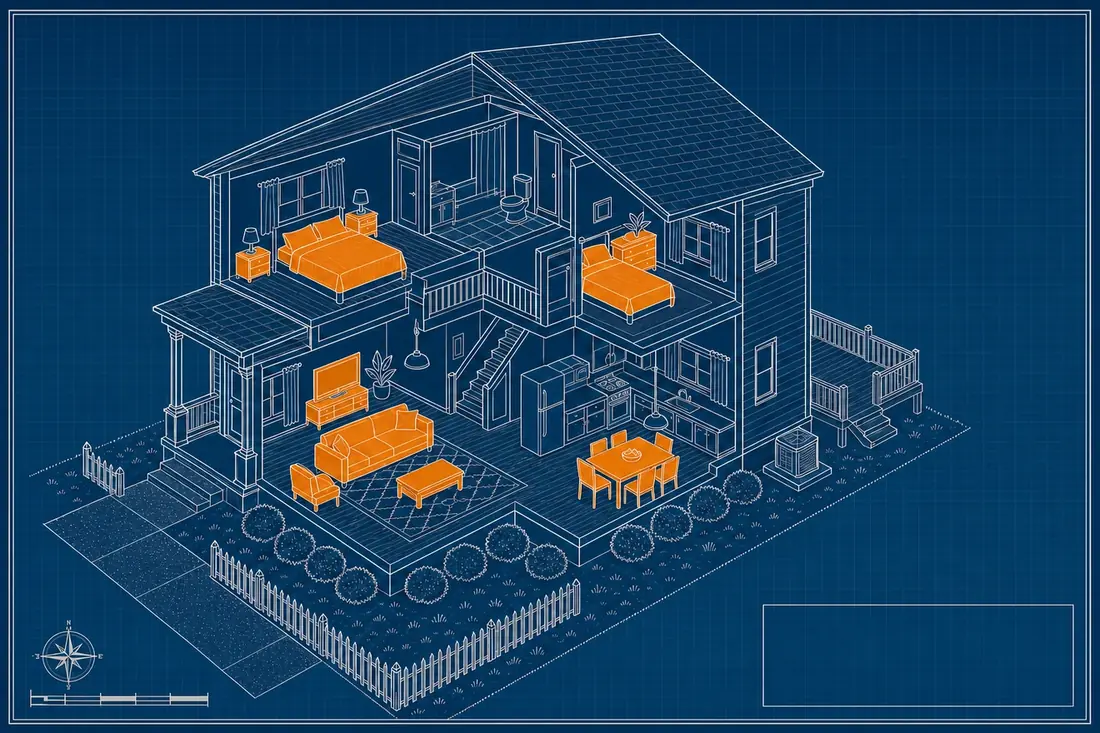
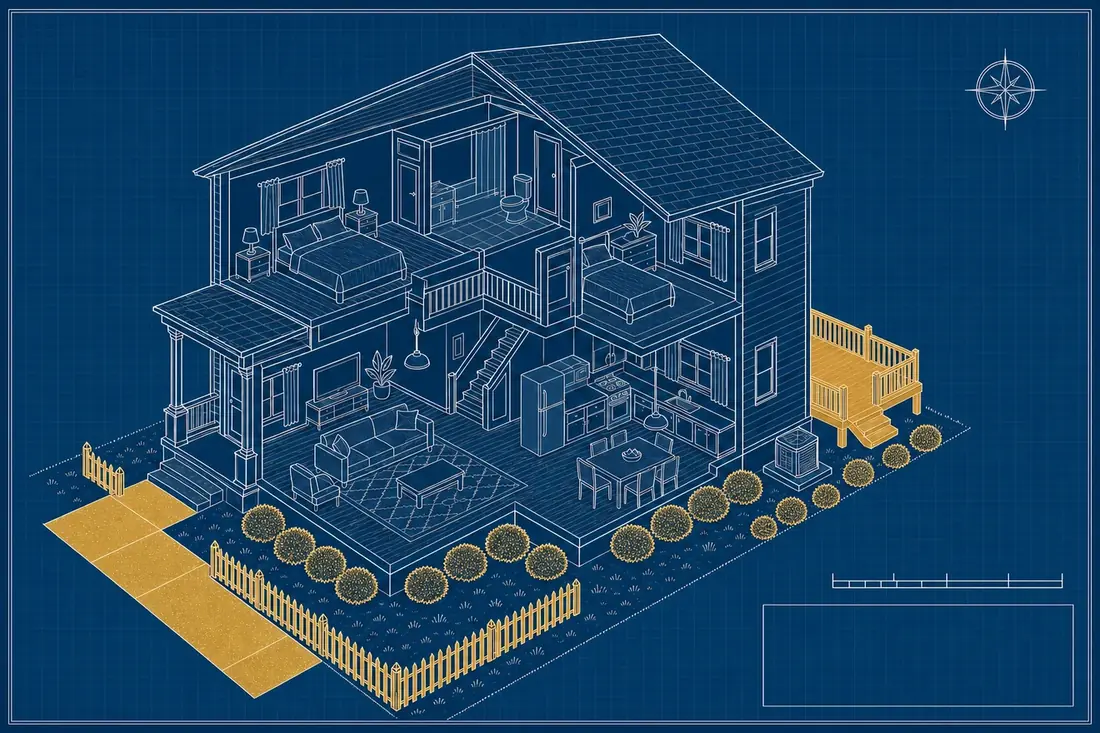
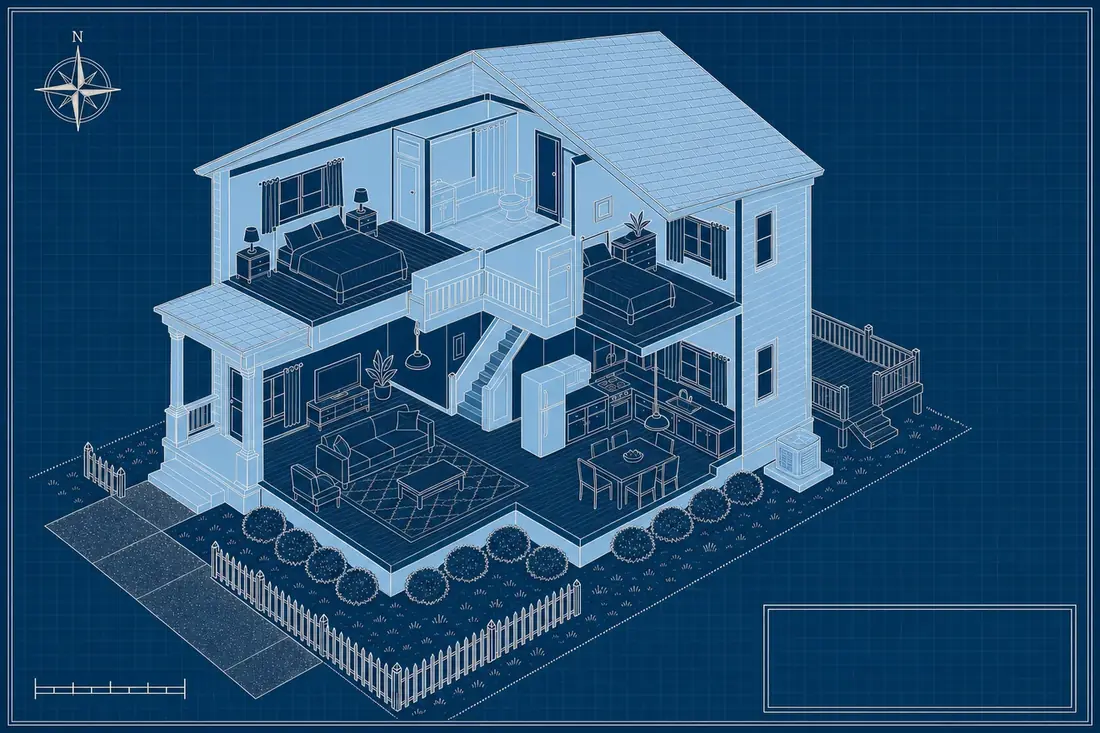
Watch a log cabin rental get built and classified A hypothetical $600,000 three-bedroom log cabin goes up floor by floor, from the gravel drive and foundation to the game loft and the hot tub on the deck. Every component lands on its depreciation schedule as it is installed, and the year-one depreciation adds up on screen. Watch the 90-second walkthrough »Cost Segregation for a Eureka Springs RentalEureka Springs sits in Carroll and Benton counties, Arkansas, drawing visitors from Tulsa, Kansas City, and Fayetteville as a year-round tourist town rather than a single-season destination. One structural fact sets this market apart from most others Basis studies: the city has banned new short-term rental permits in residential zones, with existing units grandfathered in. That single fact changes who this page is actually for. A cost segregation study still works the same way here as anywhere, engineering the building's cost into faster depreciation buckets, but the ownership question in Eureka Springs looks less like whether to buy one and more like what to do with the one already owned. Whether the structure itself sits on 27.5 or 39 years turns on the 80% dwelling-unit test, and a short-term rental averaging stays of 7 days or less generally lands on 39 (see the 27.5 or 39 years guide). 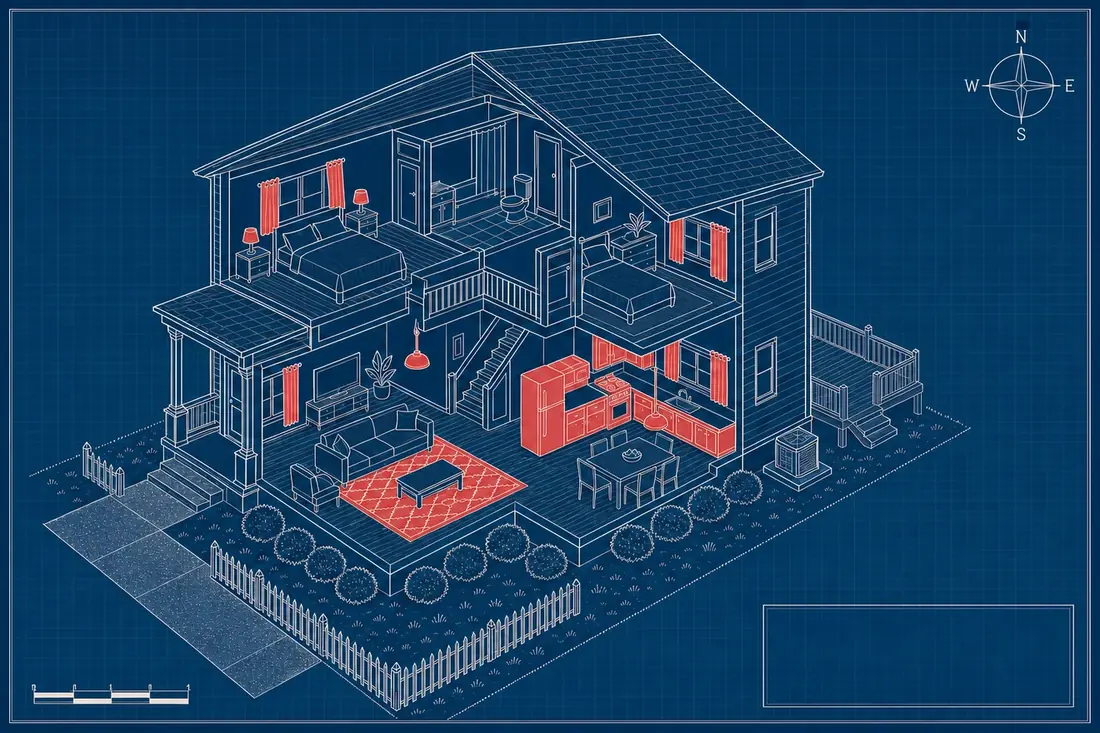
5-Year: carpet and flooring, cabinets, appliances, light fixtures, curtains 7-Year: furniture 15-Year: driveway, fencing, landscaping, deck 27.5/39-Year Shell: roof, load-bearing walls, foundation, central HVAC Get your free Preliminary Benefit Estimate See the likely first-year number for a Eureka Springs rental with the free estimate at /qualify/. Request Your Free Estimate »Why a Capped Permit Supply Points Straight at Existing OwnersWhen new short-term rental permits are not being issued in residential zones, the properties that already hold one become the entire supply in those zones going forward. An owner who has held a grandfathered permit for years, without ever running a cost segregation study on the property, has not missed a one-time window the way a buyer in an open market might worry about. The property itself is not going anywhere, and neither is the opportunity to claim the depreciation a study identifies. That opportunity is called a look-back study, and it is built exactly for a property like this. The cap itself applies specifically to residential zones; properties inside the historic downtown's commercial zoning follow a different set of local rules entirely, which is why two similar-looking Eureka Springs properties a few blocks apart can sit in very different positions on the permit question even though the depreciation rules treat them identically. How a Look-Back Study Actually WorksA look-back study applies cost segregation to a property an owner has already held for years. Instead of amending every prior tax return to reflect the accelerated depreciation that was available all along, the missed depreciation is claimed through Form 3115, an automatic consent procedure, with a section 481(a) catch-up deduction taken entirely in the current tax year. No amended returns, no reopening prior filings. The depreciation that should have applied since the year the property was placed in service arrives at once, in the return covering the year the look-back study is completed. This is the same mechanic behind every older property Basis studies, not something specific to Eureka Springs, but a grandfathered rental with years of ownership behind it is close to the textbook case for it. How Form 3115 and the look-back process work covers the filing mechanics in more depth. Historic Hillside Construction and What It Means for a StudyEureka Springs is known for its Victorian-era building stock and its steep, hillside downtown, terrain that shaped how the town was built rather than a flat grid. That has two practical effects on a cost segregation study. First, an older building, whether a converted Victorian home or a hillside cottage, tends to have gone through more renovation cycles than a newer construction, and each remodel that swapped out flooring, cabinetry, or a heating system is itself a candidate for the partial asset disposition election, if the old component's removal was ever tracked in the year it happened. Second, the hillside terrain itself often means more retaining walls, terraced decks, and exterior stairways than a flat-lot property carries, generally 15-year land improvements alongside more familiar site work like paving and fencing. None of that changes the engineering process; it changes how much of a specific property's basis sits in components most owners never think to separate out. Estimate the first-year deduction on a property hereA few questions and the building value give a preliminary first-year deduction range, using the same rule as our free calculator. The breakdown can be emailed to you, or you can book a 15-minute call. Step 1 of 3 What kind of property?
Who runs it day to day?
What is the average guest stay?
When did you buy it?
How many rentals do you own?
Across all of them, does your rental portfolio show taxable income overall?
Any of them likely to sell in the next few years?
Prefer to talk it through? Book straight from here. No form needed.
A Zoning Rule, Not a Tax RuleEureka Springs' permit cap is a local zoning matter, separate from the federal tax rules described on this page. Whether a specific property holds a valid, transferable permit is a question for the city and, on a sale, for real estate counsel, not for a cost segregation study.
A Steady, Year-Round Calendar and the Average-Stay TestUnlike a market with one dominant season, a year-round tourist town spreads bookings more evenly across the calendar, without one block of months carrying most of the stays. That does not automatically clear the section 469 short-term rental exception's average-stay test, which still requires the average period of customer use across the testing period to come out to 7 days or less. It does mean the number is less likely to swing wildly from one season to the next, since there is no single dominant season pulling it in one direction. The actual average still has to be calculated from the property's real booking history. Components, Material Participation, and Getting a NumberInside the property, cabinetry, appliances, flooring, and window treatments are common 5-year property; furniture and certain fixtures often land in 7-year property; the driveway, landscaping, and outdoor lighting are generally 15-year land improvements; the structural shell, roof, and central HVAC stay on the 27.5/39-year schedule. A property with a documented renovation history, common in a town built up over more than a century, often has more of these component swaps to account for than a newer build elsewhere. Material participation, separate from the average-stay test, requires 500 hours of participation, substantially all the participation, or 100 hours combined with more than any other individual, a question best worked out with a CPA against the specific owner's hour log. How this works for an owner who also holds a W-2 job is a common starting point for that conversation. The guarantee applies the same way to a look-back study as to a new one: at least 30 times the fee in first-year deductions on a short-term rental, or the study is free. A free Preliminary Benefit Estimate models the number from listing photos before any commitment. See other vacation rental markets or start at /qualify/. Frequently asked questionsCan I still get a cost segregation study if I've owned my Eureka Springs rental for years? Yes. A look-back study claims the depreciation a property should have received all along through Form 3115, with a section 481(a) catch-up taken in the current year. There is no deadline tied to how long the property has been held. Does Eureka Springs' short-term rental permit ban affect my depreciation? No. The permit cap is a local zoning rule about which properties can operate as short-term rentals in residential zones. It has no bearing on federal depreciation rules or on what a cost segregation study finds inside a property that already holds a valid permit. What is a section 481(a) catch-up deduction? It's the mechanism that lets a property owner claim depreciation that was available in prior years but never taken, all in the current tax year, through Form 3115. It replaces the need to amend each individual prior year's return. Does a year-round tourist season make the 7-day average test easier to pass? Not automatically. A steadier calendar without one dominant season tends to produce a more consistent average from year to year, but the actual number still comes from the property's real stays, not from the shape of the tourist season. Will a grandfathered short-term rental permit transfer if I sell the property? That depends on Eureka Springs' zoning rules and how the specific permit was issued, a question for the city and for real estate counsel at the time of sale, separate from anything a cost segregation study addresses. How is a look-back study different from a regular cost segregation study? The engineering process, classifying components into faster depreciation buckets, is identical. The difference is how the result gets claimed: a new purchase applies the classification going forward, while a look-back claims what was missed in prior years through a single Form 3115 catch-up. Keep readingGet your free Preliminary Benefit Estimate Send the address or the listing link. We model the number first; you decide with it in hand. Request Your Free Estimate »Educational information, not tax advice. This page describes how federal
depreciation rules and tests work in general. Whether any rule fits your facts is a determination for
you and your CPA. Our study gives your CPA the engineering and the numbers to make that call.
Related guides: How Does Cost Segregation Work in Vacation... · Does Cost Segregation Work on a Poconos... · Cost Segregation for a Jersey Shore Rental... · Cost Segregation for a Pigeon Forge Cabin... · Cost Segregation for a Gatlinburg Rental...
More Heartland markets: Cost Segregation for a Ruidoso Rental Property · Cost Segregation for a Table Rock Lake House · Cost Segregation for a Hot Springs... · Cost Segregation for a Broken Bow Cabin Rental · Cost Segregation for Lake of the Ozarks... · Cost Segregation for a Branson-Area Rental... · All vacation markets
|