|
Cost Segregation for Commercial & Short-Term Rental Owners
|
Request a free estimate [email protected] |
Advanced
FREE Estimate Is there a first-year deduction sitting in your building? No cost, no obligation. Request Yours »Minimum ROIOur study identifies at least 20x its fee in first-year deductions on commercial property, or at least 30x on a short-term rental, or it is free. |
What Real Estate Tax Strategies Work for Doctors and Dentists?Quick answer A doctor or dentist with real estate on the side runs into section 469, the rule that treats rental losses as passive by default and limits them to offsetting other passive income, not wages from a practice or hospital job. Two doors lead through that wall: real estate professional status, a hard combination for a full clinical schedule, and the short-term rental exception, which does not require it. A cost segregation study does not open either door; it makes the deduction bigger once one is open. See this applied to your building. A few questions, 30 seconds. You see which tests matter and the first-year deduction range a study would look for. No email to see the range. Run the 30-second check »Key takeaways
Why the Passive-Loss Wall Hits Doctors and Dentists Especially HardA doctor or dentist with a full clinical schedule and real estate on the side runs into the same wall as any other high-W2 earner: section 469, the passive activity rules that treat rental losses as passive by default and limit them to offsetting passive income only, not wages from a practice or a hospital job. The wall has nothing to do with how much the property earns or loses. It is about which income category the loss is allowed to touch. For someone running a full call schedule, seeing patients back to back, or working toward a practice buyout, the two standard exits from that wall look narrower than they do in a general real estate article. Both exits are tests written around hours and how a person's working time is spent, and a full clinical week eats most of both before real estate even enters the picture. 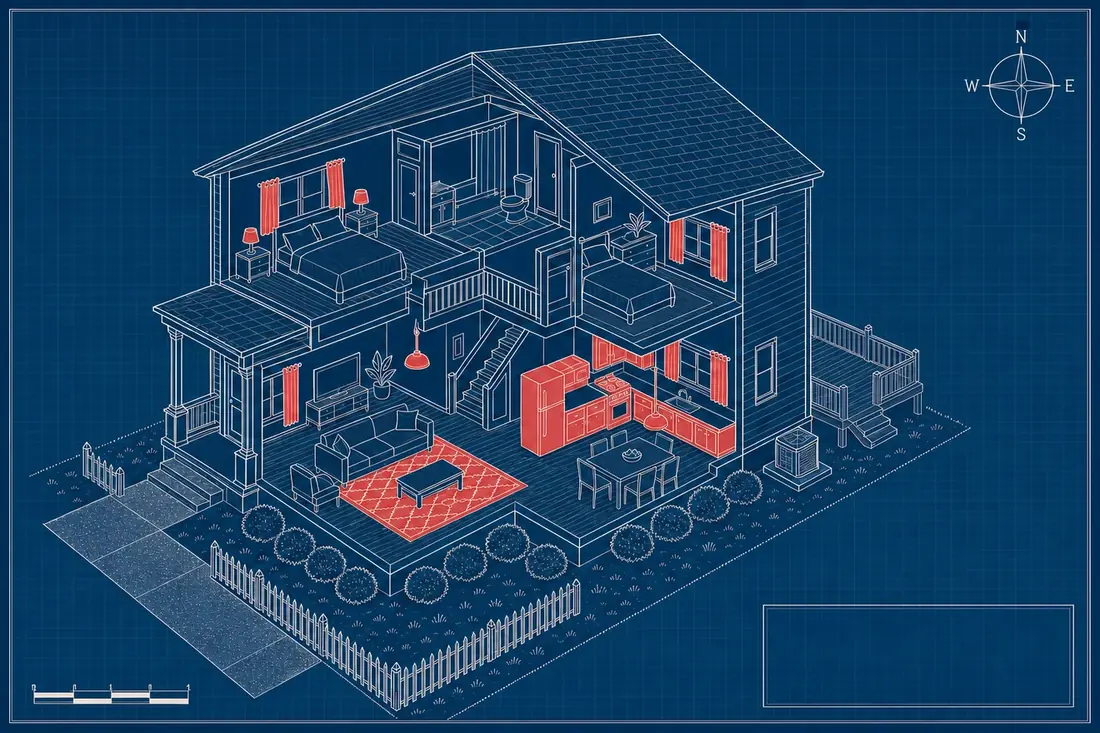
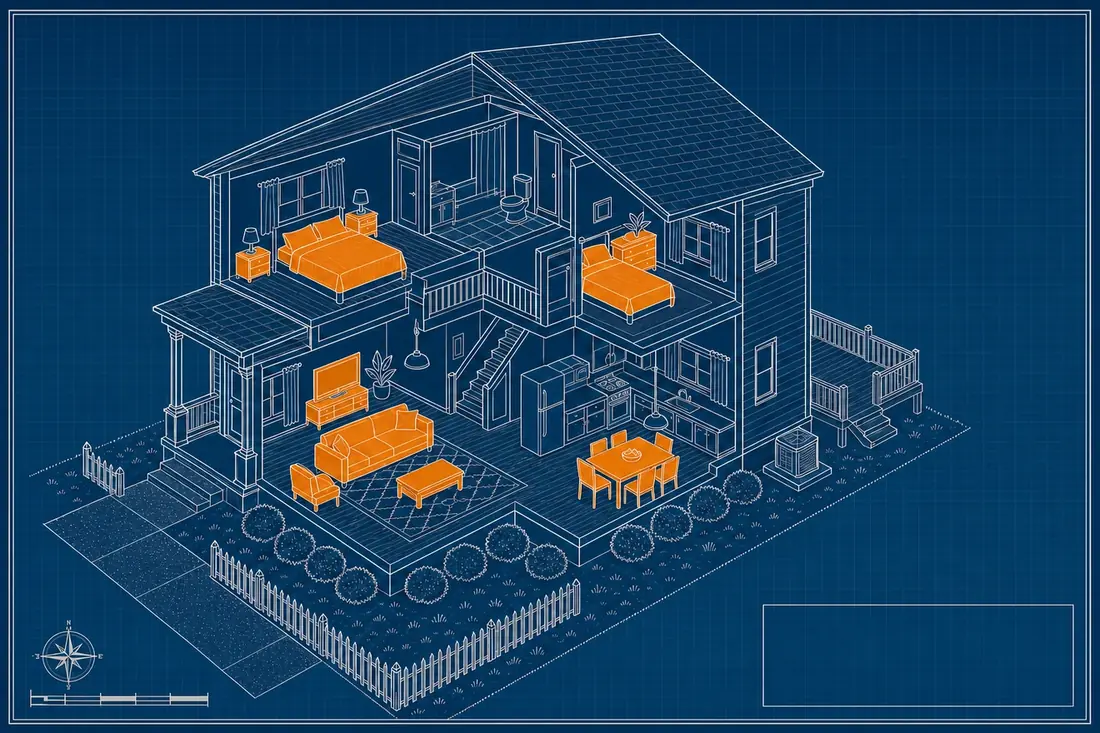
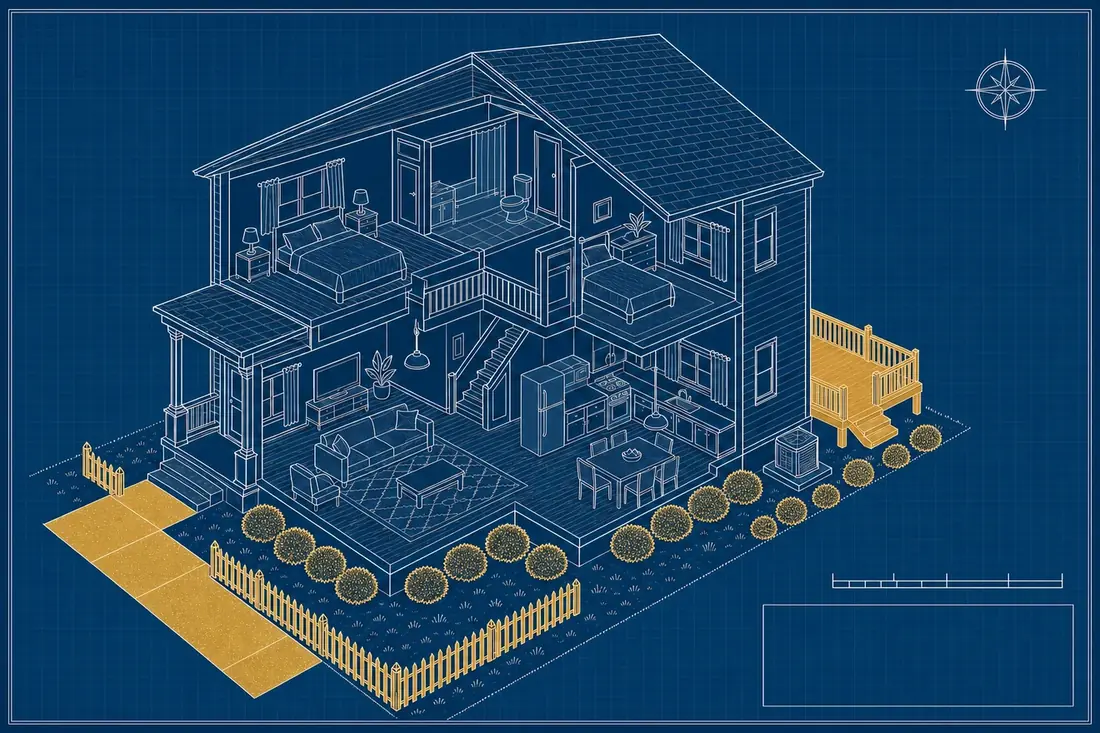
5-Year: carpet and flooring, cabinets, appliances, light fixtures, curtains 7-Year: furniture 15-Year: driveway, fencing, landscaping, deck 27.5/39-Year Shell: roof, load-bearing walls, foundation, central HVAC Get your free Preliminary Benefit Estimate See what a cost segregation study would likely find on a practice building or rental with the free Preliminary Benefit Estimate. Request Your Free Estimate »The First Door: Real Estate Professional StatusThe first exit is real estate professional status, a test under section 469 that requires 750 or more hours in real property trades during the year, and more than half of the person's total working time spent in those trades, on top of material participation, meaning real, regular, and substantial involvement, in the specific rentals. For a physician or dentist working full clinical hours, more than half of total working time is already spoken for before real estate enters the calculation at all. The test is measured per person, and on a joint return, either spouse's hours can satisfy it. In a two-earner household, the spouse without a separate full-time clinical role, and who puts in real hours on the real estate side, is often the one positioned to meet that test, with the physician's own hours never needing to clear the 750-hour or half-time bar personally. Material participation in the specific rentals is a separate requirement that still has to hold, for whichever spouse is claiming the status. The Second Door: The Short-Term Rental ExceptionThe second exit does not run through real estate professional status at all. Under Treas. Reg. 1.469-1T(e)(3)(ii), a property whose average guest stay is 7 days or less is not treated as a rental activity for section 469 purposes in the first place. That test looks at the property's average stay across the full year, not any single booking. Clearing that gate still leaves a second requirement: material participation in running the property itself. The common tests are 500 or more hours in the year, substantially all of the participation in running the property, or 100 or more hours combined with more participation than any other individual involved, a comparison that includes cleaners, co-hosts, and property managers. The mechanics of that test, including where hired help can work against the owner, matter enough for a physician's schedule to warrant its own page. Neither the 750-hour requirement nor the half-time requirement from real estate professional status applies here. That is why this door gets discussed as the more accessible one for a two-income household where both spouses already carry demanding jobs. The 60-Second Qualifier Four questions. Our engineering team's model shows the estimated first-year acceleration a study of your property would target, free, before you commit to anything. Take the Qualifier »Where a Cost Segregation Study Fits Once a Door Is OpenA cost segregation study does not decide whether a loss is passive or non-passive. That question is answered entirely by the section 469 tests above. What a study does is make the number on the other side of whichever door is open larger, by reclassifying parts of the building, flooring, cabinetry, certain electrical and plumbing serving equipment, and site work like paving and landscaping, out of the default 39-year (commercial) or 27.5-year (residential rental) schedule and into 5, 7, and 15-year buckets. Under current law, that reclassified basis is 100% bonus-depreciation eligible for property acquired after January 19, 2025. On a medical clinic building, a benchmark run shows the scale: a $1,404,500 building basis produced $241,839 in first-year increased deductions for a $10,000 fee, a 24.2 to 1 ratio.
That deduction only offsets W-2 income if the passive-loss tests above are cleared first. A larger deduction sitting behind a closed door is still a suspended loss, carried forward rather than used in the current year. When the Real Estate Is the Practice Building ItselfSome of this real estate is not a rental at all. A doctor or dentist who buys into a practice, or completes a buyout of the building alongside the practice, owns nonresidential real property, and different mechanics apply. Section 179 qualified real property lets a roof, HVAC system, fire protection or alarm system, or security system placed in service after the building was first placed in service be expensed, subject to annual limits and to the business's income limits. That provision does not extend to residential rentals, only to nonresidential property like a clinical office. A buildout after a buyout, tearing out old flooring, fixtures, or a reception desk to renovate the space, creates a second opportunity: a partial asset disposition, meaning the remaining basis of the component that came out can be written off, but only in the tax year the replacement happens. Miss that year and the old component's basis stays on the books, depreciating for decades underneath the new one. A study on the practice building itself works the same way as on any commercial building: land value comes off first, then the remaining basis gets classified component by component, before renovation or buyout mechanics even enter the picture. The Study, the Guarantee, and What It Takes to StartA study starts with a free Preliminary Benefit Estimate, a modeled first-year number built before anyone commits to anything, through a 60-second qualifier. From there, two tiers exist, a full engineered study and a budget engineered study, and both deliver the same 70-page engineered report, aligned to the IRS's own Audit Techniques Guide. On commercial property, including a practice building, a study identifies at least 20x its fee in first-year deductions, or it is free. Pricing is custom to the building; there is no flat fee or rate card. Turnaround on commercial property typically runs 4 to 6 weeks during tax season, often 2 to 3 weeks in January and February. The owner's own CPA still prepares and files the return, including Form 3115 for a look-back study on a building already owned for years, and the engineering team takes technical questions directly from that CPA on methodology and classifications. Frequently asked questionsCan a doctor qualify as a real estate professional? The test requires 750 or more hours in real property trades during the year and more than half of total working time spent in those trades, on top of material participation in the specific rentals. For someone working full clinical hours, that half-time requirement is difficult to meet personally. On a joint return the test is measured per person, so a spouse without a separate full-time clinical role is often the one positioned to meet it. Does a dentist who owns the practice building qualify for a cost segregation study? Yes. A practice building is nonresidential real property once land value is separated out, and it can be studied the same way as any commercial building. Renovation after a buyout also opens a partial asset disposition election on any replaced component, and section 179 can apply to a roof, HVAC, fire protection, or security system placed in service later, subject to annual and income limits. What is the short-term rental exception and does it require real estate professional status? No. Under Treas. Reg. 1.469-1T(e)(3)(ii), a property whose average guest stay is 7 days or less across the year is not treated as a rental activity for section 469 purposes, separate from real estate professional status. The owner still needs material participation, generally 500 or more hours, substantially all of the participation, or 100 or more hours and more than anyone else involved. Can rental losses offset a physician's W-2 income? Rental losses are passive by default under section 469 and can only offset passive income unless a specific exception applies, such as real estate professional status or the short-term rental exception, combined with material participation. Whether a given year's facts clear one of those tests is a question for a CPA working from the actual hours and records, not a general rule. Does cost segregation help if the passive-loss tests are not cleared? A study still reclassifies the building and produces a larger deduction, but a deduction behind a closed passive-loss door becomes a suspended loss instead of a current-year offset. Suspended losses carry forward and are generally released when the activity is disposed of in a full taxable sale. The mechanics of the study do not depend on which door, if any, is open. Keep readingGet your free Preliminary Benefit Estimate Send the address or the listing link. We model the number first; you decide with it in hand. Request Your Free Estimate »Educational information, not tax advice. This page describes how federal
depreciation rules and tests work in general. Whether any rule fits your facts is a determination for
you and your CPA. Our study gives your CPA the engineering and the numbers to make that call.
|