|
Cost Segregation for Commercial & Short-Term Rental Owners
|
Request a free estimate [email protected] |
IRS Documents
FREE Estimate Is there a first-year deduction sitting in your building? No cost, no obligation. Request Yours »Minimum ROIOur study identifies at least 20x its fee in first-year deductions on commercial property, or at least 30x on a short-term rental, or it is free. |
What Is IRS Publication 946, and What Does It Actually Cover?Quick answer IRS Publication 946, How To Depreciate Property, is the IRS's general manual for calculating depreciation: the Modified Accelerated Cost Recovery System (MACRS), the conventions that set the first year's deduction, the percentage tables used to run the math, the section 179 election, bonus depreciation, and the extra rules for listed property. It explains depreciation mechanics. It does not classify which components in a specific building belong in which recovery-period bucket. This publication explains the rules. A study applies them to one building. A few questions, 30 seconds. You see which tests matter and the first-year deduction range a study would look for. No email to see the range. Run the 30-second check »Key takeaways
What Publication 946 Actually IsPublication 946, How To Depreciate Property, is the IRS's general reference for depreciation math. It is not a form and not a calculator; it is the rulebook a tax preparer, or the software behind one, follows to turn a piece of business or investment property into a year-by-year deduction schedule. The publication covers property placed in service after 1986, meaning property depreciated under MACRS, the Modified Accelerated Cost Recovery System that replaced the older ACRS and straight-line-only rules. Almost every commercial building, rental property, and piece of business equipment placed in service today runs on the MACRS rules Pub 946 explains. 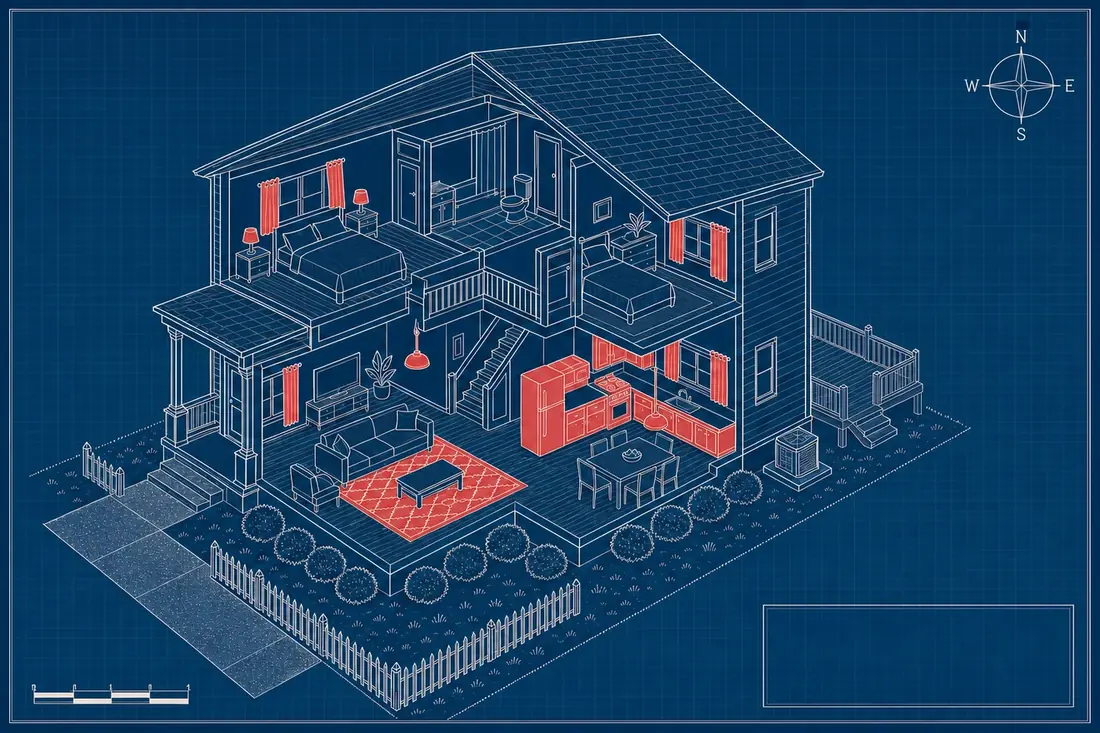
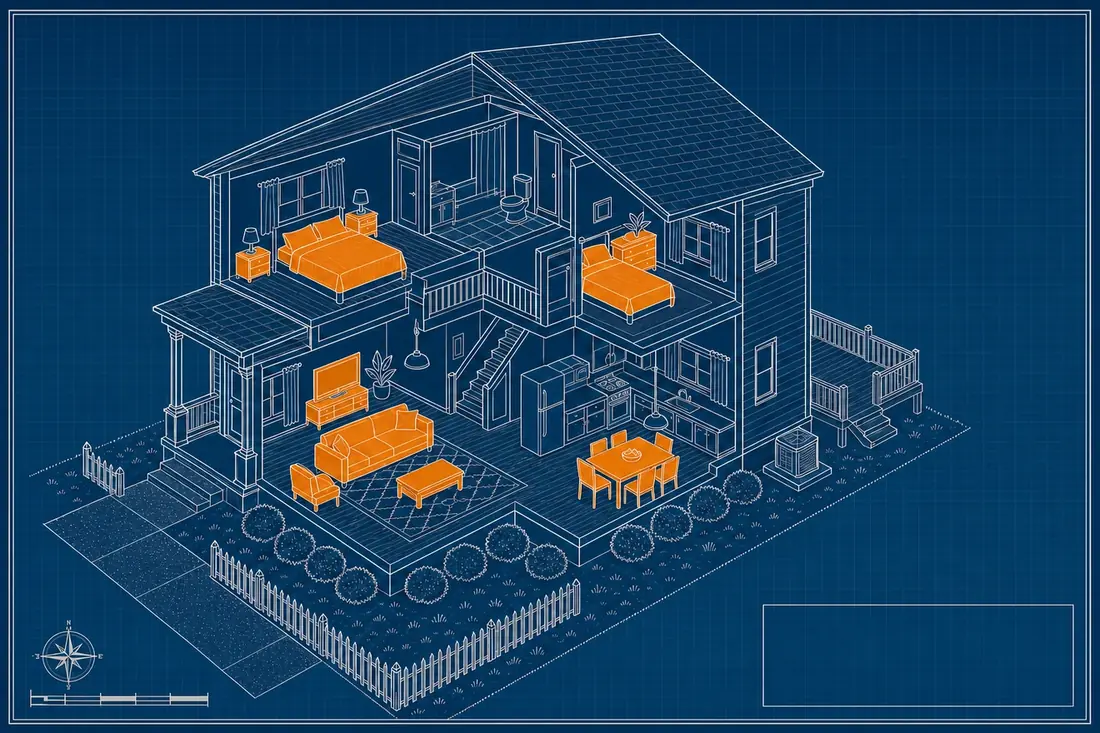
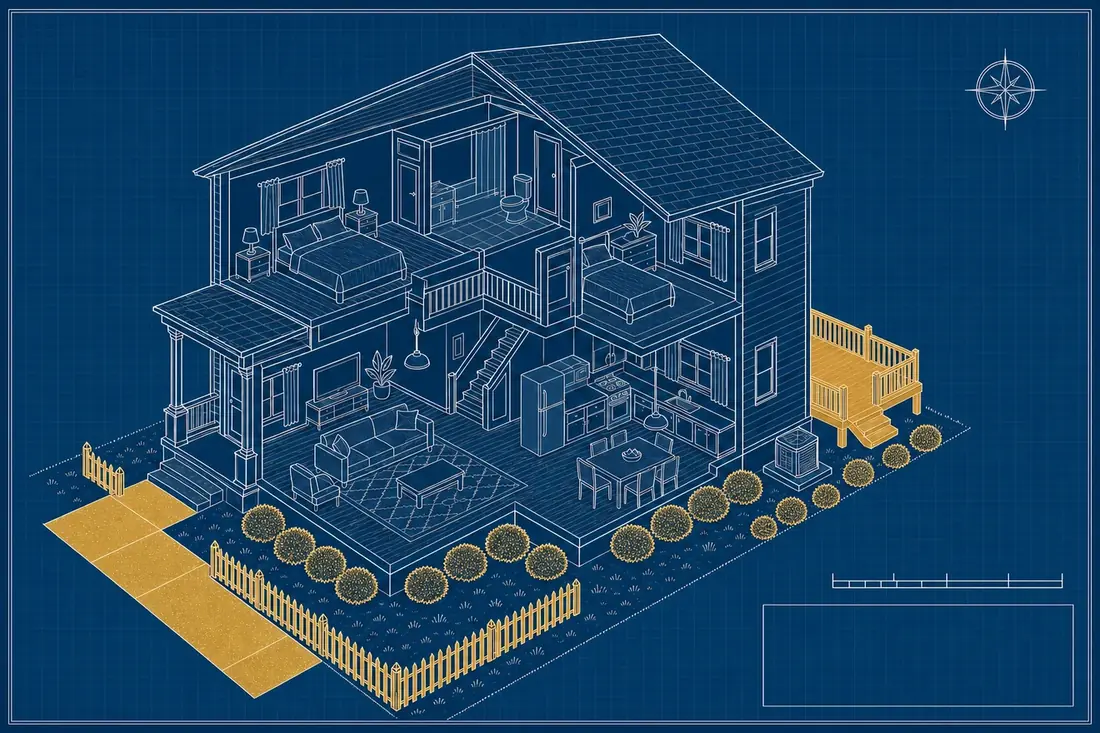
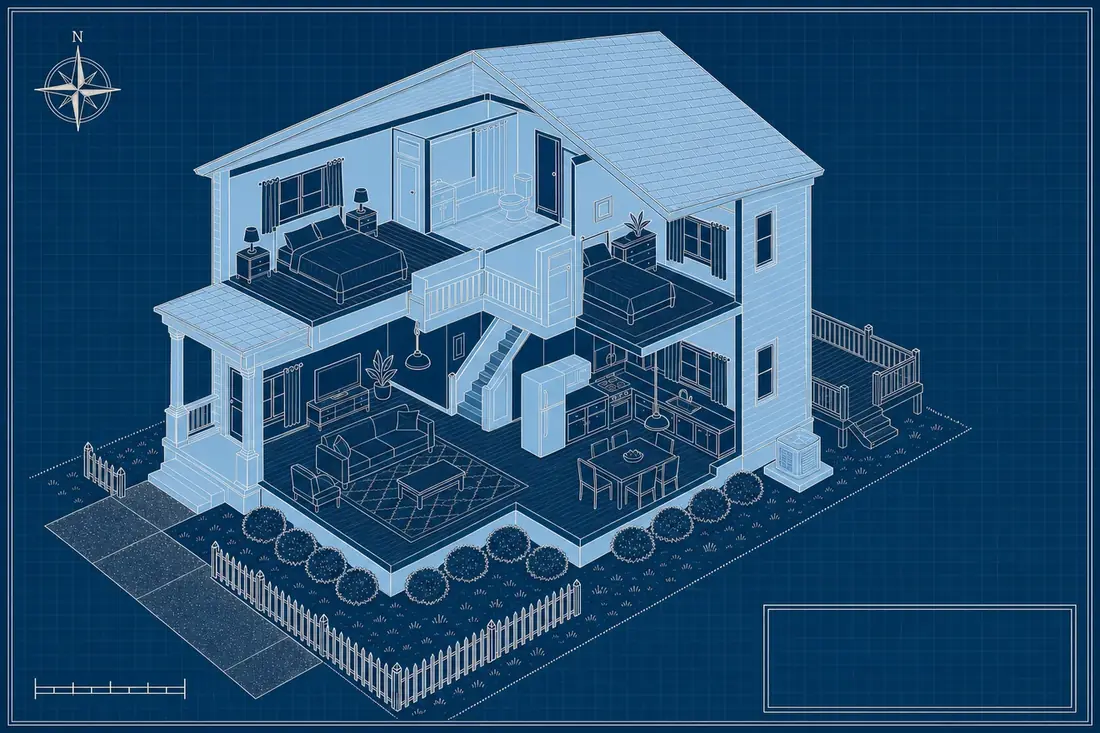
5-Year: carpet and flooring, cabinets, appliances, light fixtures, curtains 7-Year: furniture 15-Year: driveway, fencing, landscaping, deck 27.5/39-Year Shell: roof, load-bearing walls, foundation, central HVAC Get your free Preliminary Benefit Estimate See Publication 946's recovery periods and conventions applied to your own building's components with a free Preliminary Benefit Estimate. Request Your Free Estimate »MACRS: The System the Publication ExplainsMACRS has two versions inside Publication 946. The General Depreciation System, or GDS, is the default most owners use, and it is the system behind the familiar recovery periods: 5, 7, and 15 years for various kinds of personal property and land improvements, 27.5 years for residential rental structure, and 39 years for nonresidential commercial structure. For a short-term rental specifically, which of those two periods applies turns on a separate test, covered in is short-term rental depreciation 27.5 or 39 years. The Alternative Depreciation System, or ADS, uses longer recovery periods and applies in specific situations Pub 946 spells out, including certain elections and property with particular tax-exempt or foreign use. ADS recovery periods run longer than GDS across the board, which is why most owners use GDS unless a specific rule requires otherwise. A cost segregation study's whole job sits inside GDS: identifying which components of a building belong in the 5-, 7-, or 15-year buckets Pub 946 defines, instead of leaving everything on the 39- or 27.5-year structural schedule by default. The Conventions That Decide the First Year's DeductionPublication 946 sets three conventions, meaning rules for how much of the first partial year actually counts, and they are easy to overlook until a first-year number looks smaller than expected. Real property, the 39-year commercial and 27.5-year residential structure, uses the mid-month convention: it is treated as placed in service in the middle of whatever month it actually went into service, regardless of the exact day. Most personal property, the 5-, 7-, and 15-year assets a cost segregation study identifies, uses the half-year convention by default, treated as placed in service at the midpoint of the year no matter the actual date. The mid-quarter convention overrides the half-year rule in one specific case: if more than 40% of a year's total personal-property basis is placed in service in the fourth quarter, all of that year's personal property switches to the mid-quarter convention instead, changing the first-year percentage for every asset placed in service that year, not just the fourth-quarter ones. Pub 946 includes the test for this and the tables that apply once it is triggered. The swing the test produces is not small: five-year property placed in service under the half-year convention claims 20.00% of its basis in year one regardless of the month, while the same asset falling under a fourth-quarter mid-quarter convention claims only 5.00% in year one, with the rest pushed into later years. The 60-Second Qualifier Four questions. Our engineering team's model shows the estimated first-year acceleration a study of your property would target, free, before you commit to anything. Take the Qualifier »The Tables, Section 179, and Bonus DepreciationPublication 946 includes the actual percentage tables used to compute MACRS depreciation year by year, organized by recovery period and convention. A preparer, or the software running the calculation, looks up the applicable table and multiplies by the asset's basis to get each year's deduction; the tables exist so nobody has to run the declining-balance math by hand every year. The publication also covers the section 179 expense election, which lets a business deduct the full cost of qualifying property in the year it is placed in service, up to an annual limit, instead of depreciating it over years, subject to income limits and a phase-out once total qualifying purchases cross a threshold. Alongside it sits the special depreciation allowance, better known as bonus depreciation: under current law, 100% bonus depreciation applies to qualifying property acquired after January 19, 2025, while property acquired between 2023 and that date sits on the prior phase-down schedule. How bonus depreciation interacts with a cost segregation study is covered separately here. Listed Property: Vehicles, Computers, and the Extra PaperworkPublication 946 sets a separate, stricter set of rules for listed property, meaning assets prone to personal use: passenger vehicles, certain aircraft, and property used for entertainment or recreation. Listed property carries extra recordkeeping requirements and can lose accelerated depreciation entirely if business use drops to 50% or less in a given year. For most cost segregation clients, this section matters less than the others. A cost segregation study reclassifies parts of a building, not vehicles or equipment, so the listed-property rules rarely touch a study's own output. Pub 946 still covers it because the publication is a general depreciation manual, not one written for real estate specifically. What Publication 946 Does Not DecidePublication 946 explains how depreciation is calculated once an asset's recovery period and basis are known. It does not decide which recovery period a specific component of a specific building belongs in. Whether a run of decorative lighting, a section of parking lot, or a bank of cabinetry counts as 5-year, 15-year, or part of the 39-year structure is a classification question, and Pub 946 does not answer it component by component. That classification work is what a cost segregation study performs, applying engineering-based methods the IRS's own Cost Segregation Audit Techniques Guide describes. The study's output then runs through the exact mechanics Pub 946 lays out: the right recovery period, the right convention, the right table. See how Publication 946 fits alongside the other IRS depreciation publications for the fuller map. Pub 946 also does not decide whether a resulting loss can offset other income; that runs through the separate passive activity rules under section 469. It is a mechanics manual, not a tax outcome calculator, and reading it does not substitute for a specific property's actual engineering-based classification. Whether a specific building needs that classification work is what the free Preliminary Benefit Estimate shows, before any study is ordered. Frequently asked questionsWhat is IRS Publication 946 used for? Publication 946, How To Depreciate Property, is the IRS's general manual for calculating depreciation deductions under MACRS. It explains recovery periods, depreciation conventions, the percentage tables, section 179, and bonus depreciation. Preparers and tax software both work from its rules to turn an asset's basis into a year-by-year deduction schedule. Does Publication 946 cover bonus depreciation? Yes. Publication 946 explains the special depreciation allowance, commonly called bonus depreciation, alongside the section 179 election. Under current law, 100% bonus depreciation applies to qualifying property acquired after January 19, 2025; property acquired between 2023 and that date sits on the earlier phase-down schedule. What is the difference between GDS and ADS in Publication 946? GDS, the General Depreciation System, is the default most owners use and carries the familiar recovery periods, including 39 years for commercial structure and 27.5 years for residential rental structure. ADS, the Alternative Depreciation System, uses longer recovery periods and applies only in specific situations Publication 946 lists. Does Publication 946 explain cost segregation? Not directly. Publication 946 explains how depreciation works once an asset's classification and basis are known; it does not classify a specific building's components. That classification work is a cost segregation study's job, applying engineering-based methods the IRS's own Cost Segregation Audit Techniques Guide describes, with the results run through Publication 946's own mechanics. What is the mid-month convention in Publication 946? The mid-month convention applies to real property, the 39-year commercial and 27.5-year residential rental structure. It treats the property as placed in service in the middle of whichever month it actually went into service, regardless of the exact day, which sets how much of that first year counts toward depreciation. Where can I find the actual MACRS depreciation percentage tables? They are printed in Publication 946 itself, organized by recovery period and convention. A preparer or tax software looks up the applicable table for an asset's class and multiplies by its basis to get each year's deduction, rather than recalculating declining-balance depreciation by hand every year. Keep readingGet your free Preliminary Benefit Estimate Send the address or the listing link. We model the number first; you decide with it in hand. Request Your Free Estimate »Educational information, not tax advice. This page describes how federal
depreciation rules and tests work in general. Whether any rule fits your facts is a determination for
you and your CPA. Our study gives your CPA the engineering and the numbers to make that call.
|