|
Cost Segregation for Commercial & Short-Term Rental Owners
|
Request a free estimate [email protected] |
IRS Documents
FREE Estimate Is there a first-year deduction sitting in your building? No cost, no obligation. Request Yours »Minimum ROIOur study identifies at least 20x its fee in first-year deductions on commercial property, or at least 30x on a short-term rental, or it is free. |
What Does IRS Publication 551 Say About Basis of Assets?Quick answer IRS Publication 551, Basis of Assets, is the IRS's guide to figuring the basis of property, the dollar figure that gain, loss, and depreciation all get measured against. It covers cost basis (what belongs in the number when property is bought or built), adjusted basis (how improvements and deductions change that number over time), and basis other than cost (special rules for gifts, inherited property, and property converted from personal to business use). A cost segregation study classifies whatever basis these rules establish. This publication explains the rules. A study applies them to one building. A few questions, 30 seconds. You see which tests matter and the first-year deduction range a study would look for. No email to see the range. Run the 30-second check »Key takeaways
What Publication 551 CoversPublication 551, Basis of Assets, is the IRS's reference for figuring the dollar number, called basis, that every later tax calculation on a property measures against. Depreciation deductions, gain or loss on a sale, and the classification work in a cost segregation study all start from this one number. The publication breaks the topic into three pieces: cost basis, adjusted basis, and basis other than cost. None of it is optional reading for an owner running a cost segregation study, meaning an engineering-based study that reclassifies a building's basis into faster depreciation schedules. Every bucket the study produces, 5-year, 7-year, 15-year, or the 39-year and 27.5-year structural shell, is a slice of whatever basis Publication 551's rules say the property has. 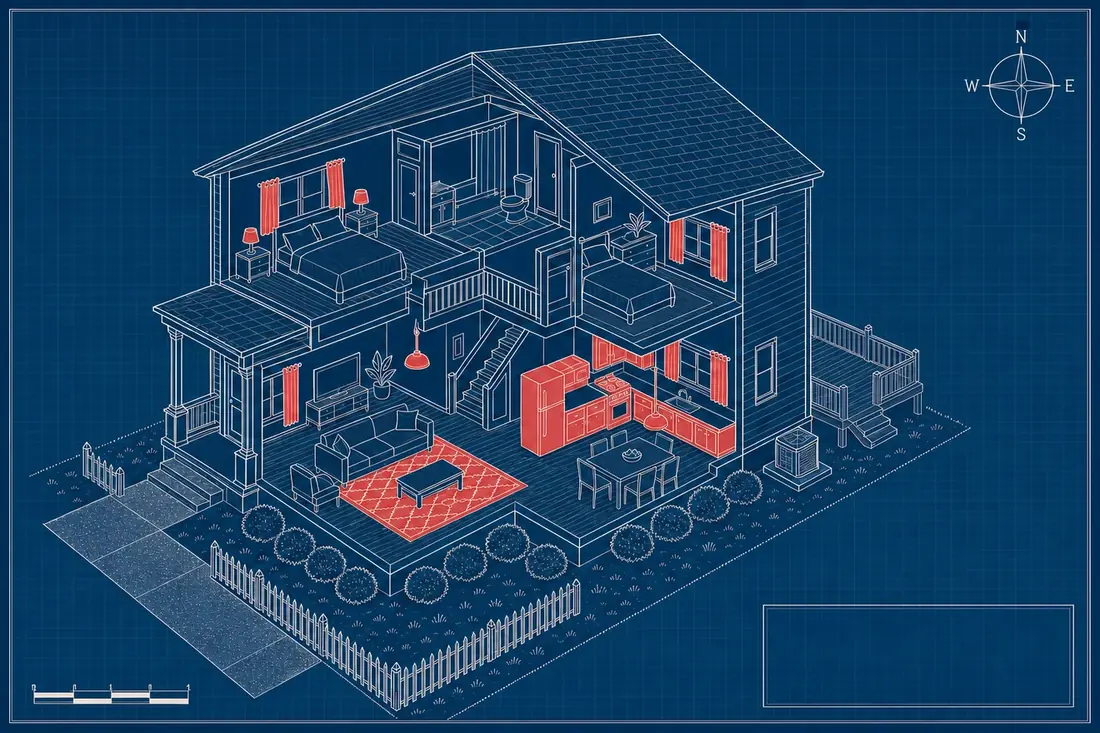
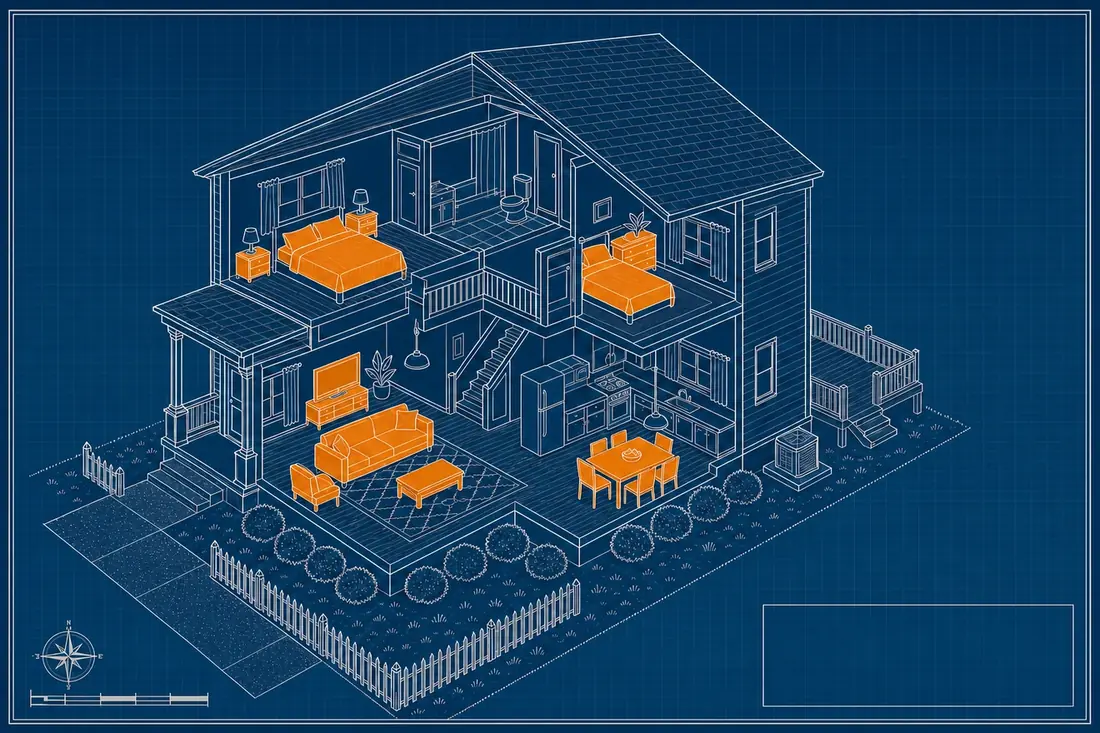
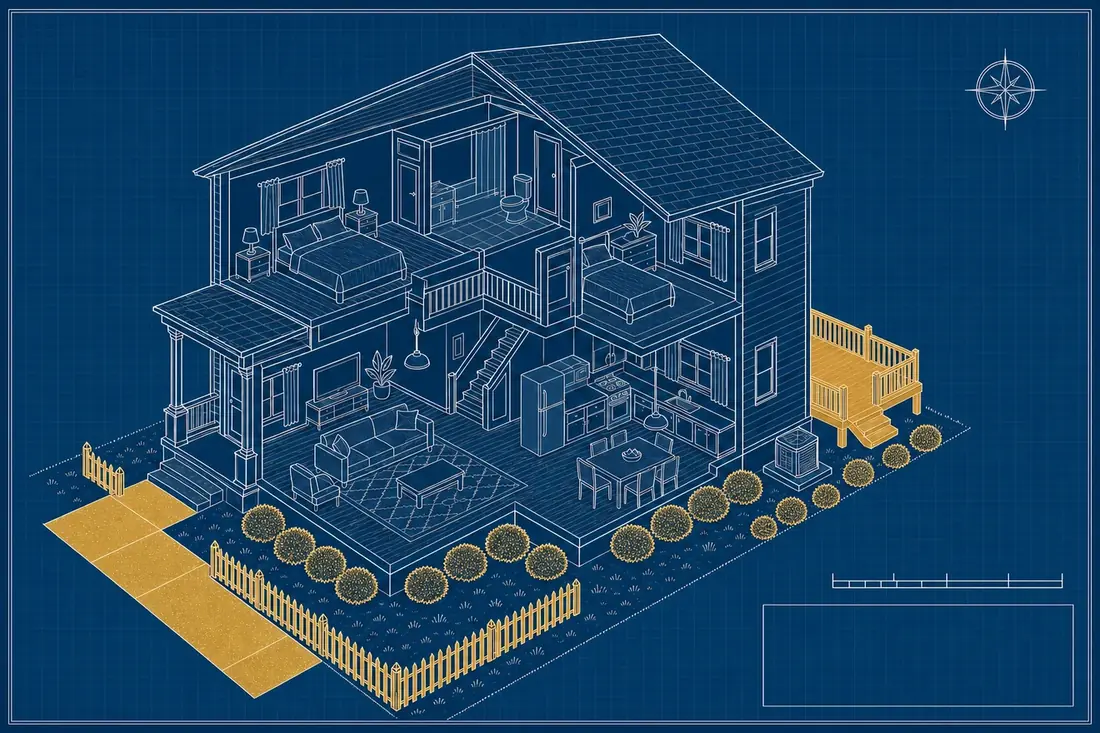
5-Year: carpet and flooring, cabinets, appliances, light fixtures, curtains 7-Year: furniture 15-Year: driveway, fencing, landscaping, deck 27.5/39-Year Shell: roof, load-bearing walls, foundation, central HVAC Get your free Preliminary Benefit Estimate See the likely first-year number a cost segregation study would produce on your property's established basis with the free estimate at /qualify. Request Your Free Estimate »Cost Basis: What Belongs in the Starting NumberFor a purchased property, cost basis generally starts with the purchase price, then adds certain settlement costs and closing costs tied to acquiring the property, real estate taxes the buyer agreed to pay on the seller's behalf, and points paid on a mortgage in some circumstances. Land is always part of the purchase but never part of the depreciable basis; only the building and its improvements depreciate. Publication 551 names the specific items that count: abstract fees, legal fees, recording fees, survey costs, owner's title insurance, and transfer taxes all get added into basis. It also names what does not count, even when it shows up on the same settlement statement: fire insurance premiums, rent for occupancy before closing, and charges for utilities or services used before the sale closed stay out of the basis number entirely. Splitting a single purchase price into a land value and a building value is its own exercise, usually done off an appraisal, a closing statement allocation, or the ratio local tax assessors use between land and improvement value. Our land-to-improvement ratio data for New Jersey shows how much that split can vary by county, exactly the kind of number a cost segregation study needs before it can classify anything. Adjusted Basis: What Moves the Number Over TimeCost basis is a starting point, not a fixed number. Publication 551 walks through how basis increases, capital improvements, certain legal fees, assessments for local improvements like a new sidewalk, and how it decreases, depreciation already claimed, casualty losses, certain credits. An owner's adjusted basis at any point in time is the running total after every one of those additions and subtractions. A new roof, a renovated kitchen, an added parking lot, each one increases basis when it is capitalized rather than expensed. Depreciation, whether claimed or merely allowable, decreases it every year the property is held, straight-line or accelerated. That give and take is why two owners who bought identical buildings on the same day can have two different adjusted basis figures a decade later, depending on what each one did to the property and how each one depreciated it. A cost segregation study on a property owned for years works from this adjusted basis, not the original purchase price alone, which is why a look-back study, meaning a study run years after the property was placed in service, accounts for whatever capital improvements and depreciation have already happened along the way. Basis Other Than Cost: Gifts, Inheritance, and ConversionsNot every property is purchased. Publication 551 covers three common situations where basis is set by something other than a purchase price. A gift generally carries over the donor's adjusted basis rather than resetting to fair market value. An inherited property, by contrast, steps up entirely to fair market value at the date of death under section 1014. A home converted from personal use to a rental uses the lesser of the owner's adjusted basis or the property's fair market value on the date of the conversion. These three rules produce three different starting numbers for what looks, on paper, like a similar transition into rental use, a property that was not simply bought and immediately placed into service as a rental. Our page on cost segregation on gifted or converted property walks through how the gift and conversion rules apply before a study runs, and why the inherited property's step-up does not extend to either one. The 60-Second Qualifier Four questions. Our engineering team's model shows the estimated first-year acceleration a study of your property would target, free, before you commit to anything. Take the Qualifier »When a Purchase Bundles Real Estate With a BusinessPublication 551 also addresses a situation common in commercial real estate: buying a building as part of a larger business acquisition, where the purchase price covers the real estate, equipment, inventory, and goodwill together in one deal. The publication describes allocating the total price among the categories of assets acquired, generally following the residual method, so that each asset, including the building, gets its own share of the purchase price as its basis. That allocation matters before a cost segregation study runs, since the study classifies the building's share of the price, not the deal's total price. A purchase agreement or closing statement that separates real estate from other business assets makes that starting number far easier to establish correctly. Why This Is the Number a Depreciation Schedule Starts FromEvery depreciation schedule, standard straight-line or the faster schedules a cost segregation study produces, starts from basis. Get the basis number wrong, apply the wrong rule for a gift, miss an adjustment for depreciation already claimed, and every year of depreciation built on top of it is wrong too. For a short-term rental, that starting basis feeds a separate threshold question, whether the building depreciates over 27.5 years or 39, covered in is short-term rental depreciation 27.5 or 39 years. A cost segregation study reclassifies basis into faster schedules. It does not create the basis number in the first place. That is precisely why establishing the correct basis under Publication 551's rules comes before any classification work begins, not alongside it. Getting a Number Once Basis Is EstablishedOnce a property's basis is settled, whether through a purchase price, an adjusted basis carried forward, or one of the basis-other-than-cost rules, a free Preliminary Benefit Estimate can model the likely first-year deduction a cost segregation study would produce on it, before anyone commits to a fee. The 60-second qualifier at /qualify starts it, and works the same way whether the property was purchased, gifted, converted, or inherited, since the intake simply needs the established basis and the property's details to start modeling. Frequently asked questionsWhat is IRS Publication 551 about? Publication 551, Basis of Assets, explains how to figure the tax basis of property, the dollar number that later depreciation, gain, and loss calculations measure against. It covers cost basis, adjusted basis, and special basis rules for gifts, inherited property, and property converted from personal to business use. Does Publication 551 apply to cost segregation studies? Yes, indirectly. A cost segregation study classifies a property's basis into faster depreciation schedules, but it does not establish that basis in the first place. Publication 551's rules determine the starting number, whether from a purchase price, a carryover from a gift, or a stepped-up value from an inheritance, that the study then classifies. What's the difference between cost basis and adjusted basis? Cost basis is the starting number, generally what was paid for the property plus certain acquisition costs. Adjusted basis is that starting number after capital improvements, depreciation already claimed, casualty losses, and other additions or subtractions described in Publication 551 are applied over time. Does land count toward depreciable basis under Publication 551? No. Land is part of a property's cost but is excluded before figuring the basis used for depreciation. Only the building and its improvements depreciate; a cost segregation study works from the building's portion of basis after land value is removed. Does a gift get the same basis treatment as an inheritance under Publication 551? No. Publication 551 treats them differently. A gift generally carries over the donor's adjusted basis. An inherited property steps up to fair market value at the date of death under section 1014. The two rules produce different starting numbers for a cost segregation study. Keep readingGet your free Preliminary Benefit Estimate Send the address or the listing link. We model the number first; you decide with it in hand. Request Your Free Estimate »Educational information, not tax advice. This page describes how federal
depreciation rules and tests work in general. Whether any rule fits your facts is a determination for
you and your CPA. Our study gives your CPA the engineering and the numbers to make that call.
|